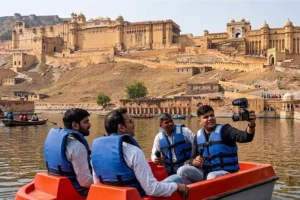
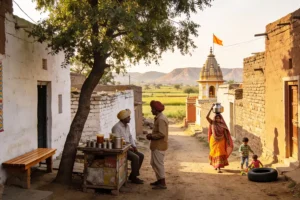
Cost of Travelling in India
So you’re thinking of coming to India in 2026 and your brain is stuck on one question: “Per day kitna kharcha hoga?” Totally fair. Online you still see people calling India a “super cheap” country, but anyone who has checked recent hotel rates or train tickets knows prices have gone up since the pre‑2020 days and a lot of old blogs are living in another era.
The truth sits somewhere in the middle. India is still great value compared with most Western countries, especially if you mix a few comforts with plenty of local, everyday experiences instead of treating it like a luxury resort trip. For most travellers, a normal day now lands somewhere between about ₹1,500 and ₹10,000, with mid‑range folks usually sitting in the ₹5,000–₹10,000 zone once you add up rooms, food, local transport and entry tickets. In this guide I’m breaking those numbers down in plain language so you can see what kind of trip fits both your budget and your style, without any sugar‑coating.
We’ll walk through real daily budgets for backpackers, mid‑range travellers and luxury holiday‑makers, then dive into current costs for accommodation, food, transport, alcohol, monuments and activities. You’ll also find a practical price table, sample daily breakdowns, region‑wise tips, common mistakes to avoid and a big FAQ section at the end. By the time you finish reading, you’ll know exactly what kind of India trip you can afford and how to stretch your money further without feeling like you’re on some painful “super cheap” challenge.
Is India still cheap to travel in 2026?
Let’s start with the big question: is India still a budget‑friendly country in 2026? Overall, yes, but not in the ultra‑cheap way older backpacker tales make it sound. Prices for accommodation, trains and restaurant meals have all crept up in the last few years, and if you plan your trip using pre‑2020 numbers you’ll almost certainly under‑budget.
In practical terms, India is still far cheaper than Western Europe, North America, Japan or Australia for day‑to‑day costs like food, local transport and mid‑range hotels. But the days of reliably getting clean double rooms for a couple of hundred rupees and cross‑country trains for “almost nothing” are gone in most popular areas. Think of India as “very good value” rather than “practically free” and you’ll plan much more realistically.
Average daily travel budgets for India in 2026
To keep everything simple and honest, it helps to break travellers into three broad groups: budget, mid‑range and high‑end. These budgets cover typical daily spend inside India and don’t include your international flights, long‑term visas or travel insurance.
Backpacker / budget traveller
If you’re happy with hostels, simple guesthouses, street food, public transport and a fairly stripped‑back style of travel, you can still see a lot of India without burning your savings. A realistic daily range for most budget travellers is around ₹1,500–₹3,500 per person.
- You’ll mainly stay in hostel dorms or very basic private rooms.
- You’ll eat where locals eat, often skipping cafés that cater mainly to tourists.
- You’ll use trains and buses for longer trips and metros or shared rickshaws in cities.
- You’ll pick a few paid attractions rather than doing every tour and activity on offer.
On very careful days in cheaper towns, you might manage closer to the lower end of this range. On travel‑heavy days with long train or bus rides or when you add a big paid activity, you’ll naturally drift towards the top end.
Comfortable mid‑range traveller
If you like proper hotel rooms, hot showers, decent Wi‑Fi and the freedom to choose between local joints and nice cafés, you’re a classic mid‑range traveller. Realistically, you’ll normally sit somewhere between ₹5,000 and ₹10,000 per day per person.
- You’ll stay in 2–3‑star hotels, homestays or heritage guesthouses with private bathrooms.
- You’ll eat a mix of local eateries, mid‑range restaurants and the occasional special dinner.
- You’ll use a mix of trains, occasional domestic flights, taxis and app‑based cabs.
- You’ll visit most of the famous sights on your route and sprinkle in tours, classes or boat rides.
If you travel slowly, choose fewer flights and lean more towards local food, you can sit nearer the bottom of that range. If you move quickly, fly often and splurge on experiences, you’ll float towards the top.
High‑end / luxury traveller
If your version of a holiday is more about beautiful rooms, seamless logistics and curated experiences than about saving every rupee, India can be absolutely spectacular – and your daily budget will reflect that. Expect at least ₹12,000–₹20,000+ per person per day once you include upscale accommodation, private transport and premium dining.
- You’ll stay in boutique hotels, palaces, luxury tents or 4–5‑star city properties.
- You’ll rely more on private cars with drivers and domestic flights than on buses.
- You’ll eat many meals in hotel restaurants or well‑rated fine‑dining spots.
- You’ll book private tours, safaris, cultural shows and tailored experiences.
At this level, the main “problem” is not whether you can afford India, but how easy it is to spend more than you planned if you say yes to every upgrade and add‑on that appears in front of you.
Quick comparison of budget levels
Here’s a simple table to give you an at‑a‑glance view of how different budget levels look on a typical India route that includes cities like Delhi, Jaipur, Agra, Varanasi, Goa and a bit of Kerala.
| Traveller type | Daily budget (INR) | Approx. USD range | Accommodation | Food style | Transport style |
|---|---|---|---|---|---|
| Budget backpacker | ₹1,500–₹3,500 | ≈ 18–42 USD | Dorms, cheap guesthouses | Street food, local dhabas | Trains, buses, metros, rickshaws |
| Comfort / mid‑range | ₹5,000–₹10,000 | ≈ 60–120 USD | 2–3★ hotels, homestays | Mix of local and cafés | Trains, some flights, taxis, cabs |
| High‑end / luxury | ₹12,000–₹25,000+ | ≈ 150–250+ USD | Boutique, palaces, 4–5★ | Hotel dining, fine dining | Private car + frequent flights |
Your real daily spend may swing above or below these numbers on particular days, but if you pick a band that fits your style and build your plan around it, you’ll be in a very safe zone for 2026.
Accommodation costs in India (2025–26)
Accommodation will probably be your single biggest fixed cost inside India, especially if you’re travelling as a couple or family. The range is huge: you can find ultra‑basic dorms for a few hundred rupees or spend more than many people’s monthly rent on a single night in a palace hotel.
Hostels and budget guesthouses
Hostels have exploded across India’s main tourist routes, and they’re the backbone of backpacker budgets. Cities like Delhi, Jaipur, Jodhpur, Pushkar, Rishikesh, Hampi, Kochi and Goa all have lively hostel scenes in 2026.
- Very basic dorms in smaller towns and less touristed areas can start around ₹100–₹400 per night, often with very simple facilities.
- More standard backpacker hostels in major cities typically fall in the ₹400–₹900 band for a dorm bed, with Wi‑Fi, lockers, social common areas and sometimes breakfast available.
- Simple private rooms in budget guesthouses or hotels usually sit somewhere around ₹700–₹1,500 depending on location and season.
You can absolutely travel on a very tight budget if you stick to dorms, but keep in mind that a small jump in price can mean a big jump in cleanliness, safety and sleep quality – which is sometimes worth far more than the money you save.
Mid‑range hotels, homestays and heritage havelis
Mid‑range is where value gets interesting in India. For a modest amount, you can trade bunk beds and noisy corridors for private rooms, calmer surroundings and a bit of charm. This is also where family‑run guesthouses and homestays start to shine.
- In many popular cities, you can find decent double rooms with private bathrooms, hot water and AC in the ₹2,500–₹5,000 range.
- In big metros like Mumbai or in ultra‑popular tourist zones, similar comfort can cost ₹4,000–₹7,000, especially in peak season.
- In Rajasthan and certain heritage towns, you’ll find family‑run havelis in this price bracket that offer beautiful courtyards, rooftop views and warm hospitality.
If you’re okay skipping the big international chains, you can get a lot of character for your money in this range – think traditional architecture, colourful interiors, home‑cooked meals and helpful owners who live on site.
Boutique hotels, palaces and luxury resorts
When it comes to high‑end stays, India is extremely generous. From restored palaces in Rajasthan to luxury houseboats in Kerala and chic resorts in Goa, you can go as fancy as your budget allows.
- City‑based 4–5‑star hotels typically sit between ₹8,000 and ₹18,000 per night depending on brand and location.
- Palace hotels, heritage forts and ultra‑boutique properties often start around ₹15,000 and can easily push beyond ₹30,000 per night for suites.
- Beachfront and backwater resorts in places like Goa and Kerala vary a lot, but it’s common to see ₹10,000–₹25,000+ per night for premium properties in high season.
You don’t have to go “all in” on luxury to enjoy this side of India. One popular approach is to stay mostly in comfortable mid‑range places and treat yourself to one or two special nights in a palace or high‑end resort during your trip.
Transport costs within India (2025–26)
India is big, and if you try to “do it all” in a short time, transport can quietly swallow a big chunk of your budget. The key is balancing trains, buses, flights and private cars in a way that matches both your comfort level and your time frame.
Train travel
Trains are still the classic way to cover long distances in India, especially if you want to keep your costs sensible and get a feel for everyday life. You can go very cheap if you choose non‑AC sleeper, but many travellers prefer AC coaches for comfort and safety.
- Non‑AC sleeper and second sitting tickets on shorter routes can cost less than ₹200–₹400, and longer routes are still very affordable.
- 3AC tickets on common routes often fall somewhere between about ₹450 and ₹1,500 depending on distance and how early you book.
- 2AC and higher classes are more spacious and quieter, with prices rising into the ₹1,200–₹3,000+ zone on long routes.
If you’re moving around a lot and using mainly trains, it’s sensible to budget somewhere around ₹300–₹800 per day for transport when averaged across your trip, even though individual days may be cheaper or more expensive.
Buses
Where trains don’t reach easily, buses fill the gaps. They’re especially important in hill states, parts of South India and large sections of the North‑East.
- City buses are usually extremely cheap, often under ₹20–₹50 for short hops.
- Short‑distance intercity buses commonly sit around ₹150–₹500 depending on comfort level.
- Overnight or AC Volvo buses on popular routes can run in the ₹600–₹1,800+ range.
For budget travellers, buses are a backup when trains are full or inconvenient. For some routes, especially in the mountains, they’re simply the main way to get around.
Domestic flights
Domestic flights in India are one of the fastest ways to kill a day on your itinerary – in a good way. A journey that takes 16–24 hours by train or bus can often be done in 2–3 hours by air. The trade‑off is cost, especially if you book late or around major holidays.
- Short‑haul routes like Delhi–Jaipur or Mumbai–Goa can sometimes be found for under ₹3,000–₹4,000 if you book early and avoid peak dates.
- Medium‑haul routes like Delhi–Varanasi or Mumbai–Udaipur often end up in the ₹3,500–₹7,500 bracket depending on timing and demand.
- Long‑haul domestic flights such as Delhi–Kerala or Mumbai–North‑East sectors are usually at the higher end and jump sharply near departure.
If your time is limited, it’s often worth paying for one or two key flights to join up far‑apart regions, then using trains and cars to fill in the gaps.
Local transport in cities
Inside cities, you’ll probably mix metros, rickshaws, taxis and walking, with the balance depending on where you’re staying and how spread out everything is.
- Metros in cities like Delhi, Mumbai, Bengaluru and others are modern and cheap, with most rides costing between ₹10 and ₹60.
- Auto‑rickshaw fares vary by city and distance, but short rides typically fall in the ₹50–₹200 range if the fare is fair and not massively inflated.
- App‑based cabs are still much cheaper than similar services in most Western countries, but prices surge at peak times, during rain or around events.
If you’re sharing rides with friends or family, taxis and cabs can actually be very cost‑effective once you divide everything by two or three people.
Private car and driver
Hiring a private car with a driver is a classic way to explore regions like Rajasthan, Himachal, Uttarakhand and parts of South India. It’s especially popular for short trips with multiple cities and for travellers who don’t want to navigate India’s roads themselves.
- A typical car and driver setup for a full day often costs somewhere around ₹3,500–₹6,000 for the vehicle, depending on distance and taxes.
- Shared between two people, that usually works out to roughly ₹1,800–₹3,200 per person per day for overland travel.
- The fee normally covers the driver’s accommodation and meals plus tolls, but always confirm in writing what’s included.
This option is all about comfort and flexibility: you get door‑to‑door transfers, a flexible schedule and help with parking, luggage and local recommendations.
Food costs in India (2025–26)
Food is where many travellers fall in love with India and also where they realise how far their money can go. If you lean into local food, your daily food budget can stay impressively low, even with generous portions and lots of variety.
Street food and local eateries
From pani puri and chaat to dosas, idlis, parathas and thalis, you could spend weeks just doing a food crawl. Happily, most of it is very affordable by global standards.
- Street snacks like samosas, kachoris, pakoras and chaat plates often cost between ₹20 and ₹100 depending on city and style.
- A typical local breakfast (idli, dosa, poha, puri‑bhaji, chai) usually falls in the ₹50–₹150 range per person.
- Simple vegetarian thalis in local restaurants usually sit somewhere between ₹120 and ₹300 and often come with refills.
If you stick mainly to these kinds of places and skip alcohol and fancy desserts, it’s perfectly doable to eat three solid meals in a day for about ₹500–₹900 per person.
Mid‑range cafés and restaurants
In touristy areas and big cities, you’ll quickly spot cafés and restaurants aimed at travellers and middle‑class locals. They’re more expensive than street food but still cheaper than similar places in the West.
- Most main courses in these venues fall in the ₹250–₹600 range, with some international dishes costing a bit more.
- If your breakfast isn’t included with your room, you can expect to pay around ₹150–₹350 for a breakfast set or a couple of items and coffee.
- A full meal with a main, some bread or rice, a soft drink and possibly a dessert usually comes to around ₹400–₹900 per person.
Many mid‑range travellers end up with a daily food budget around ₹900–₹1,800+ by mixing local spots, cafés and one slightly nicer dinner here and there.
Fine dining and hotel restaurants
High‑end dining in India is where your food budget will jump quickly. City hotels and top restaurants serve multi‑course meals, international menus and fancy takes on regional dishes – and the prices rise accordingly.
- Upscale hotel restaurants often charge about ₹1,000–₹2,500 per person for a multi‑course meal without alcohol.
- Tasting menus and chef’s tables at premium venues can easily push the cost higher, sometimes into the ₹3,000–₹5,000+ range per person.
- If you eat once or twice a day at this level, plus mid‑range meals and snacks, it’s wise to set aside around ₹2,000–₹4,000 per day for food.
Regardless of your budget, the usual rules apply: choose busy places with high turnover, start gently with street food, and drink bottled or filtered water to minimise the chance of stomach issues.
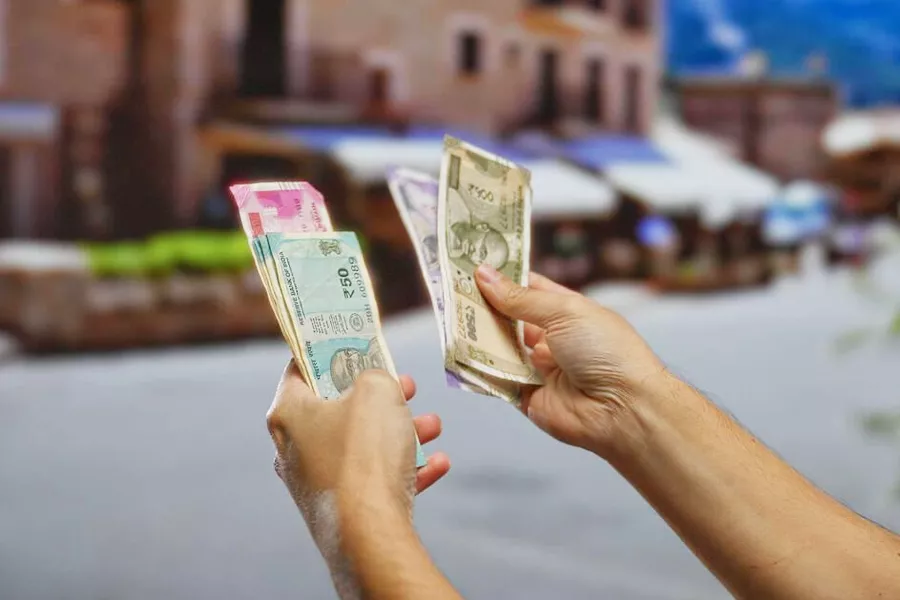
Alcohol prices in India
Alcohol is one of those categories where travellers often get caught off‑guard. Prices vary heavily by state and type of venue, and some regions have partial or full bans on alcohol sales.
- A large 650 ml bottle of mainstream beer from a government liquor shop typically costs around ₹130–₹220.
- The same beer in a mid‑range bar or casual restaurant often jumps to around ₹200–₹380.
- In luxury hotels, premium bars, beach clubs and rooftop lounges, expect to pay something like ₹400–₹650+ for a large beer.
- Simple mixed drinks usually sit between ₹300 and ₹700, with imported spirits and cocktails noticeably more expensive.
If you drink daily in bars or mostly in high‑end places, alcohol can easily become one of your biggest variable expenses, so it’s worth planning honestly around how often you’re likely to drink.
Monument tickets, activities and sightseeing costs
India is full of forts, palaces, temples, museums and historic sites. Entrance fees for foreign visitors at major attractions are still good value compared with some other countries, but they’re high enough that you shouldn’t ignore them in your planning.
Taj Mahal ticket prices (2025–26)
If you’re coming to North India for the first time, you’ll almost definitely visit the Taj Mahal, so let’s get those numbers clear.
- Foreign tourists pay a total of ₹1,300 for the Taj Mahal, which includes entry to the complex and access to the main mausoleum.
- Indian citizens pay ₹250 for the same combined ticket.
- Visitors from SAARC and BIMSTEC countries pay a mid‑tier rate between the two.
- Children under 15 are generally allowed free entry.
Booking tickets online in advance is recommended, especially in peak months, to avoid long queues and potential disappointment.
Other major forts, palaces and monuments
Once you start moving through the Golden Triangle and beyond, the entrance fees continue – smaller than the Taj, but regular enough to add up if you see a lot.
- Big‑name forts and monuments (for example, Red Fort, Qutub Minar, Agra Fort, Amber Fort) usually charge foreign visitors in the ₹300–₹800 range per site.
- Domestic visitors get subsidised rates, often much cheaper than foreigner tickets.
- Some city palace complexes charge separately for museums, special sections or camera fees.
If you love history and architecture, it’s smart to set aside a small daily “monuments” budget rather than treating each ticket as a surprise extra.
Activity and experience costs
Monuments are just one side of the story. Many travellers also want boat rides, safaris, cooking classes and walking tours – all of which carry extra costs but hugely enrich your trip.
- Cooking classes with a meal often fall around ₹1,200–₹3,000 per person in major cities and tourist towns.
- Walking or food tours lasting a couple of hours typically cost roughly ₹1,000–₹3,000 per person for small groups.
- Shared boat rides in places like Varanasi, Udaipur, Kochi or Alleppey are usually somewhere between ₹300 and ₹900 per person.
- Cultural shows (dance, music, folk performances) often sit in the ₹250–₹800 per person bracket.
- Shared wildlife safaris in popular national parks commonly cost between ₹2,000 and ₹4,500+ per person, depending on park and season.
You don’t need to do everything, but planning for a few of these activities makes your trip feel more layered than just “see monument, take photo, leave”.
Sample daily budgets: putting it all together
To give you an easy sense of how these costs combine, here are three sample daily budgets that match common travel styles.
Low‑budget backpacker day (around ₹1,800–₹3,200)
- Dorm bed in a hostel: ₹600–₹900.
- Breakfast at a local stall: ₹80–₹120.
- Street‑food lunch: ₹150–₹250.
- Simple veg thali for dinner: ₹200–₹350.
- Local transport (metro, buses, rickshaws): ₹150–₹250.
- One monument entry: ₹300–₹600.
- Water, tea, small extras: ₹100–₹200.
On days with long train or bus journeys, simply add your ticket cost on top. That’s how your daily spend can jump from under ₹2,000 to closer to ₹3,000–₹3,500 without you doing anything “expensive” in city terms.
Mid‑range traveller day (around ₹6,000–₹9,500)
- Comfortable private room in a hotel or homestay: ₹3,000–₹5,000.
- Breakfast (included or at a café): ₹0–₹350.
- Lunch at a casual restaurant: ₹300–₹600.
- Dinner at a nice rooftop or lakeside spot: ₹500–₹900.
- Local transport (taxis, rickshaws, metro, occasional boat): ₹400–₹900.
- Monuments and possibly a guided walk: ₹800–₹1,800.
If you share rooms and taxis with a partner or friend, your per‑person costs shrink a bit, but this structure is a solid reference point for planning.
High‑end traveller day (around ₹16,000–₹30,000+)
- Heritage hotel, 5★ property or luxury resort: ₹10,000–₹20,000.
- Premium meals: ₹2,000–₹4,000 per day without alcohol.
- Private car and driver: around ₹2,000–₹3,000 per person when costs are shared.
- High‑end experiences and tickets: ₹1,500–₹3,000 (private tours, shows, safaris).
- Alcohol and incidentals: ₹1,000–₹3,000 depending on tastes.
You can absolutely push this higher if you choose ultra‑premium properties and always opt for private tours and premium wine, but this gives you a solid “comfortable luxury” baseline.
How destination choice changes your budget
Not all parts of India cost the same. Without changing your basic travel style, your daily spend can jump or drop just by shifting the regions you focus on.
Places that tend to cost more
- Big metros like Mumbai, Delhi and Bengaluru, especially in central or trendy neighbourhoods.
- Popular beach zones in Goa, particularly around Christmas, New Year and long weekends.
- Highly touristic spots such as Agra and some areas of Jaipur and Udaipur close to the main sights.
Places that are easier on the wallet
- Smaller cities and towns in Rajasthan, where mid‑range havelis can be surprisingly affordable.
- Many inland towns and less famous destinations in South India.
- Some regions in Central India and parts of the North‑East, where accommodation is modest but cheaper, even if journeys are longer.
The simplest way to keep your costs steady is to mix one or two premium hubs with longer stays in cheaper towns instead of jumping from one expensive hotspot to the next every few days.
Money‑saving tips that actually work
You don’t need to obsess over every rupee to keep your India trip affordable. A handful of smart decisions has far more impact than constant penny‑pinching.
Plan around seasons, not just weather
- Travel in shoulder seasons (just before or after peak months) to catch better hotel prices and more availability.
- Avoid big national holidays and long weekends if you’re on a tight budget, because flight and hotel prices can spike hard.
- Monsoon deals can be tempting, especially in hill stations and Kerala, but always check road and weather conditions first.
Book the right things early
- Book key trains and important domestic flights as soon as your route is clear, especially AC train classes.
- Reserve your first nights in each new city but keep some flexibility later to grab better‑value stays you discover on the ground.
- Sign up for hotel newsletters or loyalty programmes if you know you’ll be using the same chain multiple times.
Eat like a smart local
- Look for busy places where local families eat – that’s usually where price and quality both make sense.
- Use cafés thoughtfully: they’re great for working, ambience or a break from the heat, but they shouldn’t become your every‑meal default unless your budget allows.
- Carry a reusable water bottle and refill it from filtered sources where available instead of buying new plastic bottles constantly.
Optimise your transport mix
- Use metros and local buses for short trips in big cities instead of defaulting to taxis.
- Use trains for medium‑long trips and reserve flights for those one or two really long connections where they save a full day.
- On short, multi‑city trips with two or more people, consider a private car and driver for specific legs – the cost split can be surprisingly reasonable.
Handle money and payments wisely
- If possible, carry at least one card that doesn’t charge high foreign transaction or ATM fees.
- Use digital payments (cards or QR codes) where it’s convenient, but always keep some cash for rickshaws, tips and tiny shops.
- Break larger notes into smaller ones whenever you can, because small local vendors often struggle with big bills.
Pros and cons of different budget levels
Choosing how much you want to spend isn’t just about money – it shapes what your trip actually feels like day to day.
Budget travel: pros and cons
- Pros: Your money goes further, you’re pushed towards local food and local areas, and you often meet more fellow travellers and everyday people.
- Cons: You’ll have less privacy and comfort, spend more time on logistics and bargaining, and be more exposed to minor inconveniences like noisy rooms or basic bathrooms.
Mid‑range travel: pros and cons
- Pros: You get a comfortable bed, private space and enough flexibility to mix cheap and fancy experiences without constant stress.
- Cons: You still need to watch your spending, and temptations like taxis, coffee breaks and cute cafés can quietly nudge you towards high‑end budgets if you’re not careful.
High‑end travel: pros and cons
- Pros: You get maximum comfort, beautiful stays, smoother logistics and someone else handling a lot of the planning.
- Cons: It’s easy to spend far more than you expected, and you have to make a conscious effort not to stay stuck inside a luxury bubble the whole time.
Common mistakes people make with India travel costs
Plenty of travellers miscalculate their India budget, not because India is confusing but because they rely on bad assumptions. Here are some traps worth avoiding.
- Using very old blog posts as if they were current and expecting 2015 prices in 2026.
- Underestimating how expensive domestic flights become if you leave them until the last minute.
- Ignoring entrance fees and activity costs when planning a tight daily budget.
- Booking every single night of a long trip months in advance, leaving no room to pivot towards better‑value places you discover later.
- Assuming alcohol will be cheap everywhere and not checking local rules, taxes or dry‑day restrictions.
If you plan with current prices in mind, keep some flexibility and accept that some days will be more expensive than others, you’ll dodge almost all of the nasty surprises that catch people out.
Choosing the right daily budget for your style
So where does all of this leave you? The simplest answer is: pick a budget band, then tweak it once you’re actually in India and can see your own patterns.
- If you love dorms, street food and slow travel, aim for around ₹1,800–₹3,000 per day and you’ll be fine in most places.
- If you want private rooms with decent comfort and a mix of local and café dining, plan for around ₹5,000–₹9,000 per day.
- If you want beautiful hotels, private cars and curated experiences with minimal hassle, start from about ₹12,000–₹20,000 per day.
You don’t have to hit your target perfectly every day. Some days will be cheap because you just wander, eat simple food and relax. Other days will be expensive because you take a long flight, visit multiple sights and go out for a special dinner. It’s the average over the whole trip that matters.
FAQ: India travel costs in 2026
How much money do I need per day in India?
Most backpackers are comfortable at around ₹1,500–₹3,500 per day, mid‑range travellers tend to sit between ₹5,000 and ₹10,000, and high‑end travellers usually start around ₹12,000–₹20,000+ per day, all excluding international flights and visas. Your exact number will depend on how fast you travel, how often you fly and how fancy your accommodation and restaurants are.
Is India still cheap to travel in 2026?
Yes, India is still a very good value destination compared with many other long‑haul countries, especially for accommodation and food. However, prices have risen since the early 2020s, so you should be sceptical of any guide that claims you can “easily” travel on unrealistically low budgets unless you’re willing to accept very basic conditions.
How much is the Taj Mahal ticket for foreigners?
Foreign visitors currently pay ₹1,300 in total to visit the Taj Mahal, which includes access to the main mausoleum. Indian citizens pay ₹250 for the same combined ticket, visitors from some regional groupings pay a mid‑tier rate, and children under 15 usually enter free.
Is food expensive in India?
Food in India is still relatively inexpensive by global standards, especially if you eat where locals eat. You can enjoy filling meals on a budget of around ₹500–₹900 a day if you focus on local spots, or around ₹900–₹1,800+ if you mix these with cafés and sit‑down restaurants.
How much does alcohol cost in India?
Alcohol prices vary a lot by state, but as a rough guide a large beer from a shop usually costs around ₹130–₹220, in a mid‑range bar about ₹200–₹380, and in a high‑end hotel or club around ₹400–₹650+ for the same size. Spirits and cocktails are more expensive and can increase your daily spend quite quickly.
Are domestic flights in India affordable?
Domestic flights are usually good value if you book them in advance, especially on popular routes. For many common sectors, a realistic one‑way price range is around ₹3,500–₹7,500, but fares rise sharply near the departure date and around major holidays.
Is public transport safe and reliable?
On main routes, Indian Railways is generally reliable and widely used by both locals and tourists, especially in AC classes. City metros are modern and efficient. Buses and rickshaws are a bit more chaotic, but they’re also very affordable and are part of the normal fabric of local life.
How much should I keep aside for activities and tours?
If you want a mix of sightseeing and a few guided or special experiences, planning for roughly ₹400–₹1,000 per day on average for entrance fees and activities works well for most travellers. If your itinerary is packed with safaris, private tours and high‑end events, you’ll need more.
Can I use cards and digital payments everywhere?
In big cities and touristy areas, you’ll find cards and QR‑based payments accepted in most mid‑range and high‑end hotels, restaurants and shops. In small towns, markets, street stalls and with rickshaws, cash is still king, so always carry at least some local currency with you.
Is India good value for families?
India can be fantastic value for families because you can spread the cost of rooms, drivers and tours across several people. Family rooms, apartments and homestays are widely available, and hiring a private car and driver for a multi‑city route is often more comfortable and economical than buying separate tickets for every leg.
Do I really need travel insurance for India?
You won’t be asked for proof of travel insurance at every step, but having it is strongly recommended. Medical costs, delays and lost luggage can add up very quickly, and insurance usually represents a small fraction of your overall trip cost compared with the peace of mind it gives.
How far in advance should I book hotels and trains?
For winter and other busy times, it’s wise to book popular train routes and key hotels 4–8 weeks ahead, especially on the classic Delhi–Agra–Jaipur circuit and around big holidays. Outside peak season and in less touristed areas, you can safely leave more space for spontaneous bookings.
What’s the single biggest factor that changes my India budget?
Beyond your choice of accommodation, the biggest factor is how fast you travel. The more often you change cities and regions, the more you spend on trains, buses and flights. If you slow down and spend longer in each stop, everything from room rates to activity costs tends to feel more manageable and your overall daily average drops.