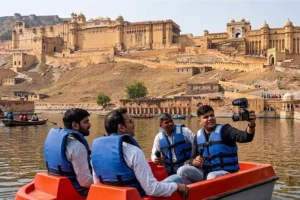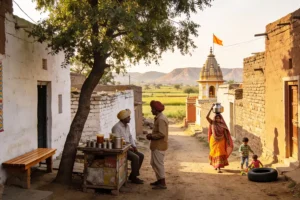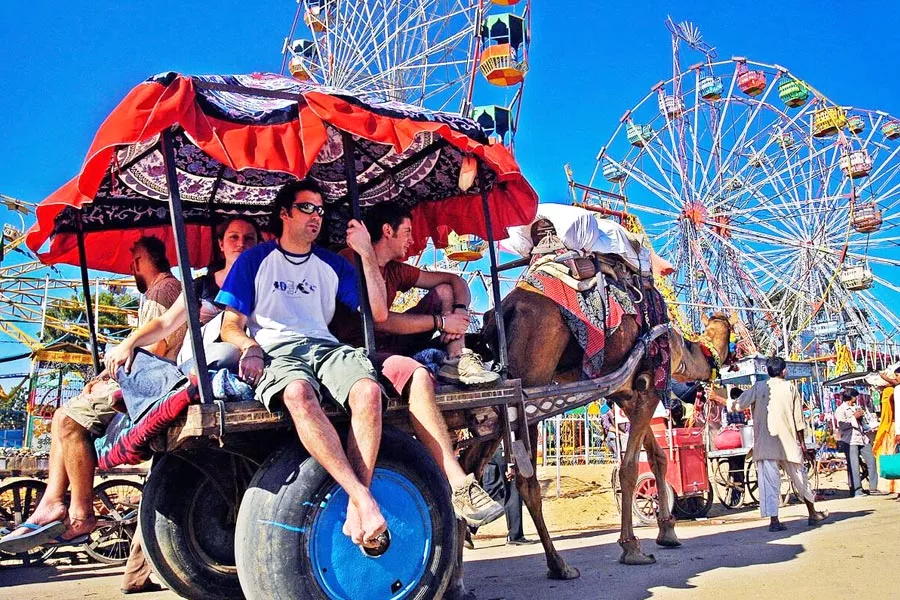
Is India Safe for Tourists in 2026? Honest Safety Guide & Practical Tips
Thinking about coming to India in 2026 and low‑key stressing about safety? You’re not alone – almost everyone googles this before booking tickets.
Be honest, you’ve probably had both moments. One day you’re scrolling Instagram, saving reels of the Taj Mahal, colourful Holi clips, rooftop cafes in Jaipur and calm sunsets in Goa. Next day some negative headline pops up about crime, scams or pollution and suddenly your brain goes, “Hmm… maybe this is a bad idea?” That emotional ping‑pong is literally what most first‑time travellers go through.
The thing is, “Is India safe?” is not a question that fits into a neat yes or no. India is loud, crowded, beautiful, confusing, kind and exhausting – usually all in the same week. Some days you’ll feel completely relaxed, drinking chai and chatting with locals. Other days a pushy driver or a hectic market will test your patience. And still, year after year, millions of people – solo backpackers, couples, families with kids, older travellers – come, travel around, and go back home totally fine.
The difference between “never again” and “I can’t wait to come back” is rarely pure luck. It’s the small things: how you handle money, how quickly you say no, whether you listen to your gut, how much you try to cram into one day, and whether you treat India like a living place or like a theme park. Once you accept that it’s a real country with real problems and real people, not just a postcard, it suddenly becomes much easier to move around without freaking out.
So, how safe does India actually feel in 2026?
When people talk about safety, they often jump straight to worst‑case scenarios – big crime, terror, total chaos. For a normal visitor, that’s not what daily life looks like. What you’ll usually deal with is way more “everyday annoying” than “life‑threatening”: crazy traffic that ignores lanes, a few dodgy tuk‑tuk fares, someone trying to hustle you into a shop, or food that upsets your stomach because you went too hard on day one.
Most official advisories basically say, “Go, but don’t be stupid.” In simple words: avoid obvious trouble areas, don’t walk into protests just to take dramatic photos, keep an eye on your stuff, and don’t behave like you’re on an indestructible holiday bubble. If you’ve ever handled yourself in a big city at home – London, New York, Paris, Bangkok, wherever – you already know most of the street skills you need here too.
| Topic | Reality for Visitors |
|---|---|
| Violent crime against tourists | Not common in main tourist circuits; most trips are completed without serious incidents. |
| Petty theft | Can happen in crowded areas; manageable with basic precautions like zipped bags and awareness. |
| Scams and overcharging | Very common around stations, markets and some monuments; mostly about money, not physical danger. |
| Women’s safety | Mixed; extra caution needed, especially at night and in less busy areas. Route and behaviour matter a lot. |
| Health and food safety | Stomach issues are common if careless; big improvement if you choose food and water wisely. |
| Transport safety | Traffic can be chaotic; metros and app-based cabs generally feel safer than random taxis or night buses. |
| Political or civil unrest | Local and temporary; tourists usually stay safe by avoiding protest areas and following local advice. |
In other words, India is not a place where you need to walk around in fear all day. You just need to stay awake to your surroundings. If you already travel with basic street smarts in other countries – you do not flash your wallet, you avoid drunk strangers at 3 am, you respect local culture – you are already halfway prepared for India.
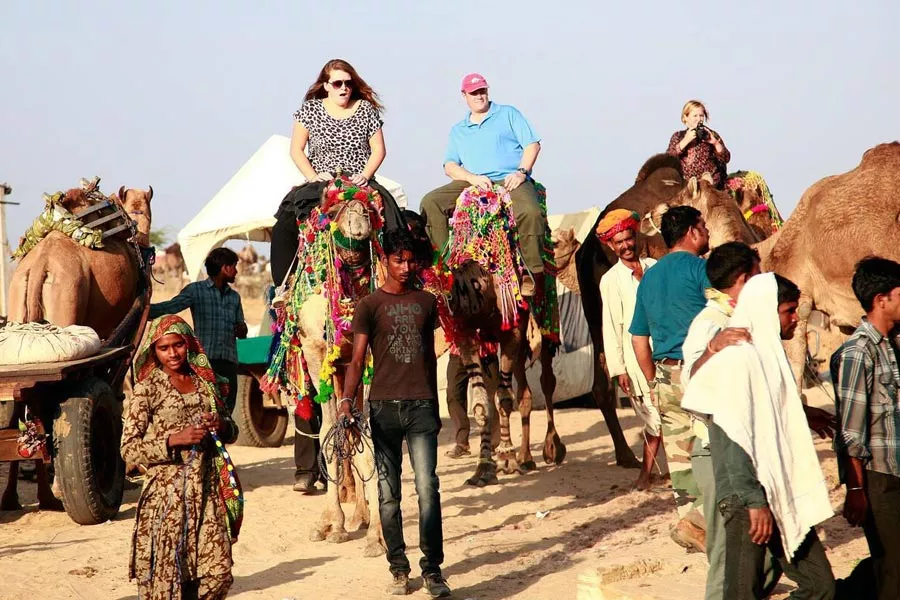
Understanding Regional Safety in India
One big mistake many people make is talking about “India” as if it is a single, uniform place. In reality, the experience of walking through a touristy neighbourhood in Jaipur is completely different from crossing a crowded slum in Mumbai, and both are very different from a quiet village in Kerala. Some states are tourist-heavy and very used to foreigners; others see very few foreign visitors and may stare a lot simply out of curiosity.
For a first trip, most travellers choose established routes like the Golden Triangle (Delhi, Agra, Jaipur), the main cities of Rajasthan, Goa, Kerala backwaters, Varanasi, Rishikesh, Himachal hill stations and some South Indian temple towns. These areas have developed a proper tourism ecosystem: guesthouses, mid-range hotels, tour operators, guides and drivers who deal with tourists every single day. This does not mean absolutely nothing can go wrong, but it does mean you are not a strange surprise for the locals – they know how to host you.
| Route / Region | What It Feels Like |
|---|---|
| Golden Triangle (Delhi–Agra–Jaipur) | Busy, touristy, full of history. Some scams and touts, but well set up for foreign visitors. |
| Rajasthan (Jaipur, Udaipur, Jodhpur, Jaisalmer) | Very popular and generally welcoming; lots of organised tours and good accommodation options. |
| Kerala and South India | Often calmer, greener and more relaxed; many travellers feel comfortable and safe here. |
| Goa | Beach vibes, nightlife and tourism everywhere; usual party-destination issues apply. |
| Himalayan hill stations | Scenic, cooler, more about road safety and weather than crime issues. |
| Border areas and conflict pockets | Best avoided unless you are experienced and following very up-to-date advice. |
If you are just starting out, there is nothing wrong with sticking to the easy, well-worn paths. India is not a country you have to “conquer” in one trip. You can always come back later to explore more remote corners once you understand how the country works and how you personally react to the culture and climate.
Everyday Safety: Money, Bags and Street Smarts
Most horror stories you hear from travellers in India start with small details: “I left my bag on the chair for one minute”, “I did not count the change”, “I followed a stranger even though my gut said no”. The simplest way to improve your safety is to tighten up these everyday habits. You do not need to be paranoid, just a bit more intentional.
When you go out for the day, carry only what you need: a reasonable amount of cash, one card, your phone, a copy of your passport and your hotel card. Leave your passport, extra money and spare cards locked in your room safe or in a locked bag. Use a cross-body bag or a small backpack worn on the front in crowded places. On trains and buses, loop a strap around your arm or leg so that someone cannot casually walk off with your bag while you are half asleep.
Another small thing that helps is keeping your expensive-looking camera or phone away when you are not actually using it. In tourist areas, thieves often watch for people who leave their phone on café tables, hang bags on the backs of chairs or get completely lost in photos and forget everything else. You can still take pictures and enjoy the moment; just put your things away again when you are done.
Transport Safety: Getting Around Without Stress
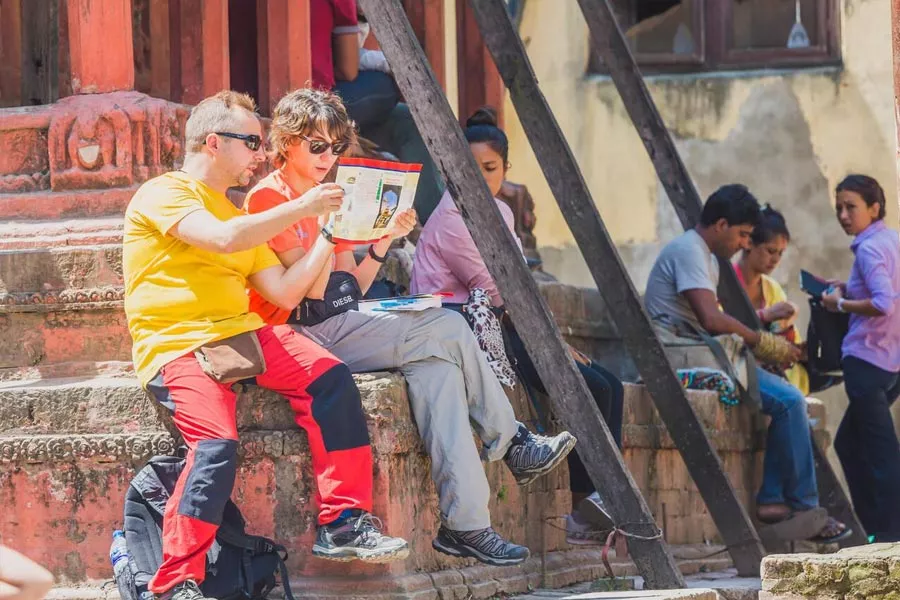
Transport is one of the biggest sources of both fun and frustration in India. There are so many options: auto-rickshaws, cycle-rickshaws, local buses, express buses, metros, taxis, app-based cabs, trains, domestic flights and private cars with drivers. Some of these will feel perfectly safe and easy. Others will feel loud, crowded and confusing.
In big cities, metros are usually your best friend. They are fast, relatively clean, cheap and avoid the chaos of traffic jams. Many systems also have separate women’s coaches or sections, which can feel more comfortable during rush hour. App-based taxis like Ola and Uber are great when you have luggage, when you are tired, or when it is dark. You get a fixed fare, GPS route and driver details on your screen, which adds a layer of security and peace of mind.
Auto-rickshaws are fun and very “Indian”, but they are also where a lot of arguments over price happen. Always ask the driver to use the meter; if they refuse, negotiate a clear price before you start moving. If the amount feels unreasonable, politely say “no thanks” and ask someone else. There will always be another auto two minutes later. When you arrive at your destination, pay the agreed price and walk away; do not get drawn into endless debates over small extra amounts.
For longer distances, trains are an experience in themselves. They are not always on time and not always shiny, but they are a big part of how India moves. For overnight journeys, book reserved classes instead of unreserved general compartments; they are safer, cleaner and more comfortable. Keep your bag locked and use a simple cable lock to attach it to your berth if you plan to sleep. On platforms and in stations, hold on to your luggage and avoid getting trapped in pushing crowds near train doors.
Road safety is something you should take seriously. Highways can be fast and sometimes poorly lit at night. Hill roads can be narrow and winding, with sudden drops and unexpected animals. If possible, try to avoid night driving on rural or mountain roads. When you hire a car and driver, choose a company with good reviews instead of just the cheapest offer. You want someone who knows the area and respects basic safety, not someone who treats the road like a race track.
Health, Food and Water Safety in India
Now let’s talk about the famous “Delhi belly”. Stomach issues are probably the most common problem for travellers in India, especially in the first week. New spices, different bacteria, change in water and hot weather – all of these can surprise your body. The goal is not to avoid Indian food (that would be a crime!), but to introduce it sensibly and choose where you eat.
A good rule is: if a place is busy with locals and you see food being cooked fresh and served hot, that is a good sign. If a buffet looks like it has been sitting out for too long, or a dish looks dry and tired, skip it. Street food can be perfectly safe in many cities if you go to popular stalls with a high turnover. Eat a little, see how your body reacts, and then decide how adventurous you want to be. Carry hand sanitiser and use it before you eat if you have been touching railings, money, doors and ticket counters all day.
Water is even more important. In most parts of India, tap water is not considered safe for tourists. Stick to bottled water from sealed bottles, filtered water from reliable sources, or use a travel filter bottle. Do not brush your teeth with tap water if you know your stomach is very sensitive. Avoid ice unless you are sure it comes from purified water. Electrolyte packets or oral rehydration salts are very useful to have in case you do get dehydrated.
Before travelling, talk to your doctor about recommended vaccines and carry a basic travel medical kit: something for stomach upset, something for pain and fever, any personal prescription medicines and maybe a small antibiotic if your doctor suggests it. Travel insurance that covers medical emergencies and evacuation is also a smart investment, especially if you plan to do trekking, adventure activities or long rural trips.
Dealing With Scams Without Panic
Scams are part of the travel reality in almost every popular country, and India is no different. The important thing to remember is that most scams are not dangerous – they are just annoying and sometimes expensive. Once you recognise the most common tricks, it becomes much easier to say “no” early and keep moving.
One classic scam is the “your hotel is closed” story. You land in a city, get into a taxi, and halfway through the ride the driver says, “Your hotel burned down / is in a bad area / is fully booked. I will take you to a better one.” Nine times out of ten, this is simply a trick to earn commission from another hotel. The solution is simple: insist on going to the hotel you booked and let the staff tell you if there is a problem. Do not change your booking based only on what a random driver says.
Another common trick is the “official government shop” or “tourist office” that is not official at all. Someone might say, “This is the only authorised place to buy tickets” or “This is the government handicraft store”. Prices inside are often much higher, with heavy pressure to buy something. To avoid this, get your tickets from known websites, official counters in stations and monuments, or ask your hotel to confirm the correct location of tourist offices. If a place feels overly aggressive and too polished, you can always walk out.
Fake guides also appear around big attractions. They may start walking beside you, giving information without asking, and then demand money at the end. If you want a guide, hire one through the official counter inside the monument or through your hotel. If someone approaches you on the street and you are not interested, say “No guide, thank you,” and keep walking. You do not owe anyone money just because they walked next to you for a few minutes.
The main idea is this: in India, you will be approached a lot – for rides, tours, shopping, donations, photos, conversations. You do not have to say yes. Being firm, polite and consistent with your boundaries is the cheapest and safest anti-scam tool you can carry.
Women’s Safety and Solo Travel Basics
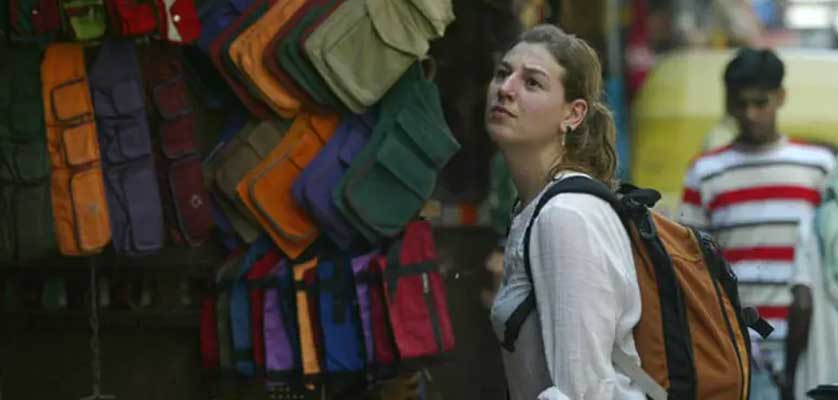
Women’s safety in India is a serious topic, and pretending everything is perfect would be dishonest. There are real issues in certain areas and situations. At the same time, many women – Indian and foreign – live, work and travel here every day. Solo female travellers visit India, sometimes for months, and have rich, positive experiences by choosing their locations wisely, planning realistically and listening to their instincts.
If you are a woman travelling alone, your very first line of defence is choosing the right area to stay. Look for neighbourhoods that are known to be safe, lively but not rowdy, and preferably with other tourists or families around. Read recent reviews on multiple platforms, and pay attention to what women say about staff behaviour, location and how they felt coming back at night. A friendly, family-run guesthouse in a central area is almost always a better choice than a super-cheap room in a dark alley.
Night-time is when you should be extra careful. That does not mean you can never go out after dark; it simply means you should be intentional. Plan how you will get back to your room before you leave. Use app-based cabs instead of walking long distances. Avoid isolated shortcuts, empty parks and badly lit streets. If a place feels sketchy the moment you arrive, trust that feeling and change your plan.
Women’s Safety and Solo Travel in India
Beyond where you stay and how you move, mindset also matters a lot. Solo women who enjoy India the most usually have two skills: they know when to be open, and they know when to shut a situation down quickly. You do not have to be friendly with everyone just because they are smiling at you. You also do not have to be rude to everyone as a defence. A calm, confident “no, I am fine, thank you” repeated without apology is often enough to end most unwanted conversations.
You will probably experience some staring. Sometimes it is simple curiosity, sometimes it feels uncomfortable. If it is just people looking, you can ignore it, wear sunglasses, or step into a café or shop for a break. If someone is being clearly creepy, move away, change your seat, go towards families or women, or walk into a busy shop or hotel lobby. You do not have to tolerate behaviour that makes you feel unsafe. In crowded spaces like trains or buses, standing near older women, families or the ladies’ compartment usually feels better than standing near groups of young men.
Alcohol and parties are another area to handle carefully. India has plenty of nightlife, especially in big cities and Goa, but getting extremely drunk in a new place, with people you barely know, is never a smart idea. If you go out, set some limits in your own mind: how many drinks, what time you want to head back, and who you trust to be around you. Keep your drink where you can see it. If something about the environment feels off, it is perfectly okay to leave early and go back to your room.
Clothes, curfews, stares and social rules can feel frustrating, especially if you come from a country where you move very freely. It helps to remember that you are not changing India in one trip; you are simply navigating it as it exists right now. Use the tools that keep you safe – modest dressing in conservative areas, strategic accommodation choices, verified transport, community recommendations – and save the bigger debates for another time. The goal of this trip is for you to go home with stories you are proud to tell, not stories you wish you could forget.
Quick Solo Female Safety Checklist
- Book stays with strong reviews from women and solo travellers, in central areas.
- Arrive in new cities during daylight whenever possible.
- Use app-based cabs, share your trip, and avoid random night-time rides.
- Avoid empty streets and parks after dark; stick to main roads and busy areas.
- Dress more modestly in rural, small-town and religious settings.
- Trust your gut: if a person or place feels wrong, leave immediately.
- Do not share your room number or full plans with strangers.
- Keep emergency numbers and hotel contact saved and easily accessible.
Is the Golden Triangle (Delhi–Agra–Jaipur) Safe?
The Delhi–Agra–Jaipur route, known as the Golden Triangle, is the most famous tourist circuit in India. Almost every first-time visitor ends up doing some version of this trip. The good news is that because it is so popular, it is also one of the most organised and structured routes in the country. Hotels, drivers, guides and local authorities here are very familiar with international tourists and their concerns.
In Delhi, the main tourist areas like parts of New Delhi, central Connaught Place and the neighbourhoods around major monuments are heavily visited and fairly well-policed. Agra is almost entirely built around tourism to the Taj Mahal and Agra Fort, so services there are very tuned to visitors. Jaipur, the capital of Rajasthan, is also a major tourist hub with countless hotels, guesthouses, heritage stays and tour companies. You will rarely be the only foreigner in sight in these cities, which is comforting for many people.
| City | Typical Tourist Feel | Main Things to Watch |
|---|---|---|
| Delhi | Busy, mixed, big-city energy with both modern and chaotic areas. | Touts near markets, price negotiations, avoiding unsafe lanes late at night. |
| Agra | Very tourist-focused, especially around the Taj Mahal and main forts. | Souvenir shop pressure, fake “guides”, overpricing near popular spots. |
| Jaipur | Heritage and culture strong, generally relaxed and friendly vibe. | Auto-rickshaw rates, commission-based shopping stops, festival crowds. |
Most organised Golden Triangle tours are designed to keep you in safe zones: known hotels, major monuments, recommended restaurants and pre-arranged transport. If you are nervous about India, this is one of the easiest ways to get a feel for the country without jumping straight into its wildest corners. If you travel independently, just apply the same rules: book good neighbourhoods, use trusted transport, avoid wandering into unknown lanes late at night, and say no to offers that feel pushy or unclear.
Extra Tips for Golden Triangle Travellers
- In Old Delhi, go with a guide or in a small group for your first visit; the area is safe but very intense.
- At the Taj Mahal, avoid “guides” who latch onto you at the gate; hire from the official desk inside if you want one.
- In Jaipur, use app cabs or clearly negotiated autos to move between forts, palaces and markets.
- Keep copies of your passport and booking confirmations handy for hotel check-ins and train travel.
- Plan some rest time between big sights; rushing increases stress and mistakes.
Emergency Numbers and Getting Help in India
Knowing where to get help if something goes wrong is a big part of feeling safe. The main emergency number in India is 112. You can dial this number from any phone within the country to reach police, ambulance or fire services. In big cities, this system is being upgraded with better tracking and faster response times, which is encouraging.
In addition to 112, some states and cities have special women’s helplines or tourist helplines. These numbers are often printed on posters in metro stations, airports and near major landmarks. When you arrive in a new city, it is not a bad idea to quickly Google “tourist police + city name” and note any numbers you find, or simply ask your hotel reception if there are any local helplines you should save.
Remember that your hotel is often your first line of support. Good hotels will help you call a doctor, contact the police, arrange safe transport, or communicate in the local language if you are stuck. Do not hesitate to ask them for help if you are feeling unsafe, lost or confused. You are not expected to handle every situation alone in a country you barely know.
Culture Shock, Boundaries and Mental Safety
Safety is not only about crime and accidents. It is also about how you feel emotionally. India can be overwhelming: noise, smells, traffic, crowds, poverty, luxury, spirituality, pollution, kindness and chaos all exist side by side. Some days you will be amazed and full of energy; other days you might feel tired, irritated or even a bit sad. This emotional rollercoaster is normal.
To protect your mental space, build slow moments into your trip. Not every day has to be packed with monuments and activities from sunrise to midnight. Plan a “soft day” now and then: sleep in, have a long breakfast, read a book in a café, or watch life from a comfortable spot instead of being in the middle of everything. Giving yourself breathing room reduces mistakes and helps you enjoy the intense days much more.
It also helps to set internal boundaries about what you are willing to engage with. You cannot fix every problem you see, and you cannot say yes to every invitation, selfie request or sales pitch. It is fine to limit your emotional energy. For example, you might decide that you will not give money directly to begging children but will donate to a charity later. Or you might decide that today you will chat with locals, and tomorrow you will keep conversations to a minimum. Both approaches are okay; they are simply tools to manage your energy.
Money, Payments and Digital Safety
India in 2026 is heavily digital when it comes to payments. Many shops, cafés, taxis and even small stalls accept card or UPI-style payments. This is convenient, but it also means you need to pay attention to where and how you pay. When you tap your card or scan a code, double-check the amount on the screen before confirming. Do not let someone rush you by saying, “Quick, quick, press okay.”
If you pay with cash, count it calmly and clearly. Do not be shy about taking your time, even if there is a queue. Keep small notes for everyday purchases and avoid pulling out a big, fat bundle of money in public. When using ATMs, go for those inside bank branches or malls rather than isolated machines. If an ATM looks damaged, strange or has extra parts attached to the card slot, skip it and find another.
On the digital side, treat free public Wi‑Fi as convenient but not 100% safe. Avoid logging into your bank or doing sensitive transactions on unsecured networks. If you do online banking while travelling, use your mobile data or a trusted secure connection. Be extra careful with QR codes stuck on top of other QR codes; scammers sometimes place fake codes over real ones to redirect money to their own accounts.
Is India Safe Compared to Other Countries?
Many people try to compare India directly with Europe, North America or Southeast Asia, and it can be confusing. India is not as polished and orderly as some Western countries, but that does not automatically make it unsafe. It is more useful to compare attitudes and habits. In any big city around the world, you would not walk alone down a dark alley at 3 am waving your phone. You would not leave your bag unattended in a busy bar. You would not follow a random stranger into an unknown building just because they insist.
The same “urban survival” rules apply in India, just with a bit more intensity because of the crowds and traffic. In fact, many travellers feel more comfortable here once they accept that India is simply different, not broken. Instead of waiting for the country to act like your home, you adjust the way you move, dress and interact – and suddenly things feel much smoother.
It is also worth remembering that news and social media often show the worst moments of a place, not the quiet majority of days where nothing dramatic happens. Serious incidents do occur in India, just like anywhere else, and they should not be ignored. But they are not the only reality. On an ordinary Tuesday afternoon, most people are just going to work, dropping kids at school, drinking tea, checking their phones and living normal lives – not attacking tourists.
Final Thoughts: Can You Travel India Safely in 2026?
After all the details, we can come back to the main question: Is India safe for tourists? In 2026, the most honest answer is that India is a place where careful, aware and respectful travellers can explore safely, while careless and impulsive travellers can still run into trouble. The country itself is not out to get you, but it will absolutely test how well you pay attention.
If you come with realistic expectations, do basic research, pick sensible routes like the Golden Triangle or other popular circuits, use trusted transport, choose your accommodation well, and listen to your instincts, chances are high that your trip will be full of more good stories than bad ones. You will probably have a few small frustrations – a delayed train, a pushy seller, a mild stomach issue – but these will become part of the adventure, not the entire story.
India is not a “relax and forget everything” beach resort type of destination. It is a “stay awake, stay curious, and you will be rewarded” kind of place. It gives you colour, chaos, kindness, history, food, noise, peace, frustration and awe, often in the same day. If you are ready for that mix, and you are willing to take responsibility for your own safety choices, then yes – India in 2026 can absolutely be a safe and unforgettable trip for you.
So pack your common sense along with your camera. Save 112 in your phone, book reliable stays, learn a few polite phrases, and give yourself time to adjust. India will not always be easy, but if you meet it halfway, it will almost certainly be worth it.
Short FAQ: India Safety in Simple Words
Is India dangerous for tourists?
For most tourists in normal areas, no. It is intense, sometimes messy and occasionally frustrating, but not a constant life-or-death situation. Everyday caution goes a long way.
Do I need to be scared all the time?
No. You need to be aware, not scared. Look around you, keep your valuables safe, avoid obviously risky areas and people, and you can still relax and enjoy your trip.
Is it okay to travel solo?
Yes, many people do. Solo travellers just need stronger planning, clearer boundaries and more careful destination choices, especially if they are women.
What is the most important rule?
Trust your gut. If something feels wrong – a street, a person, a situation – you do not need a detailed reason to leave. Your feeling is enough. Change direction and choose safety first.