Agra Monuments Entrance Fees & Timings 2026: Taj Mahal, Agra Fort, Fatehpur Sikri & More
Why Agra Deserves A Full Day
Agra is one of those cities that looks simple on paper – a few famous monuments, maybe one day in your plan – and then, the moment you start actually walking around, it turns into a much bigger experience than you expected.
You arrive thinking it’s all about the Taj Mahal, and yes, the Taj really is the main event, but by the time you’ve stood inside Agra Fort’s courtyards, wandered through the pale marble of the Baby Taj, climbed up and down Fatehpur Sikri and slowed down in Mehtab Bagh or Ram Bagh, you realise this city quietly holds an entire chapter of India’s story on its own.
That’s where clear, up‑to‑date information helps – entry fees, opening hours and rough locations – so you can plan your route instead of burning energy on last‑minute confusion. The more things you settle in advance, the more headspace you have left for looking up at domes and carvings instead of constantly checking the time.
Taj Mahal
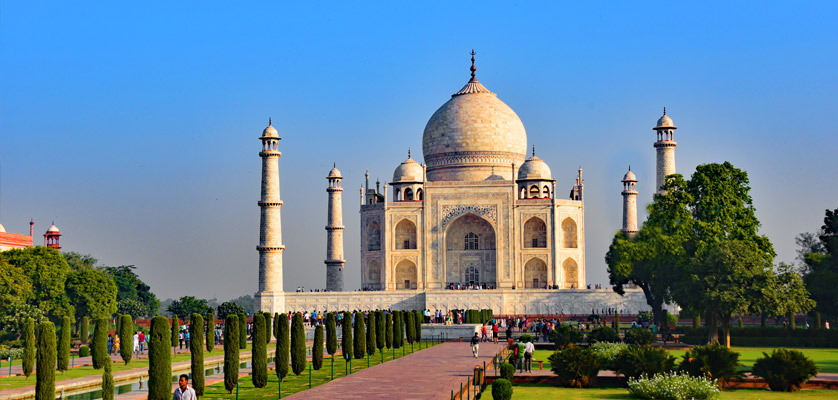
Why The Taj Still Hits Different
The Taj Mahal is the monument everyone has seen in photos, but that first real view still lands differently. You walk through the red sandstone gateway, step into the main axis, and suddenly there it is: white marble, perfect symmetry, calligraphy on the arch, minarets framing the structure, reflection in the long pool – it takes a moment for your eyes to process everything at once.
Built by Shah Jahan in memory of his wife Mumtaz Mahal, the Taj is not just a postcard or a checklist item; it’s a space where thousands of people from all over the world stand together in front of the same building and somehow go a little quieter without being told to.
Taj Mahal Location
Dharmapuri, Forest Colony, Tajganj, Agra, Uttar Pradesh 282001, India
Taj Mahal Entry Fee (Approx. 2025–26)
| 1 | Indian Citizens | INR 250 for basic entry (extra ticket for main mausoleum platform) |
|---|---|---|
| 2 | Foreigner / NRI Citizens | About INR 1300 total |
| 3 | SAARC / BIMSTEC Citizens | Usually around INR 750 |
| 4 | Children Below 15 Years | No entrance fee |
SAARC countries: Afghanistan, Bangladesh, Bhutan, Maldives, Nepal, Pakistan, Sri Lanka.
BIMSTEC countries: Bangladesh, Bhutan, Myanmar, Nepal, Sri Lanka, Thailand.
Taj Mahal Timings
- Open from 30 minutes before sunrise to 30 minutes after sunset.
- Closed every Friday for general visitors.
For softer light and smaller crowds, sunrise entry is usually best; for warm colours and dramatic photos, late afternoon works well, but expect more people.
Agra Fort
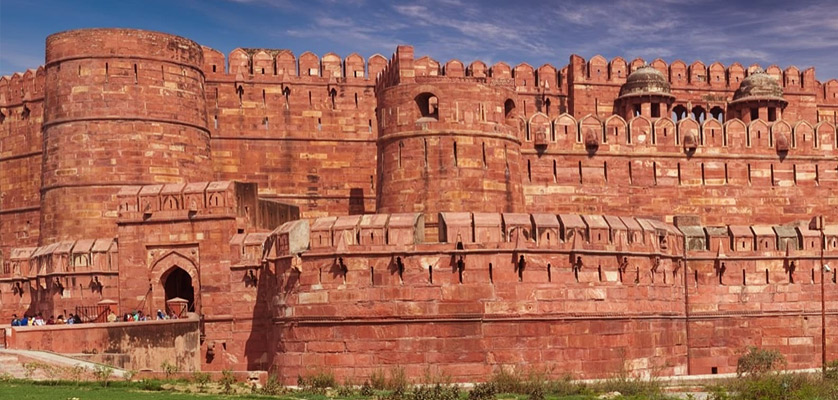
A Fort That Feels Like A Small City
Agra Fort stretches along the Yamuna with massive red sandstone walls, but once you pass the gates, it opens into a layered world of palaces, audience halls, mosques and gardens. This was a working seat of power, not just a defensive structure, and it still feels like a self‑contained city inside the walls.
From several vantage points you can even see the Taj Mahal across the river, a white shape on the horizon that reminds you how tightly these monuments are linked in the story of the Mughal capital.
Agra Fort Location
Agra Fort, Rakabganj, Agra, Uttar Pradesh 282003, India
Agra Fort Entry Fee (Approx. 2025–26)
| 1 | Indian Citizens | INR 35–50 (basic ticket) |
|---|---|---|
| 2 | Foreigner / NRI Citizens | About INR 550 |
| 3 | SAARC / BIMSTEC Citizens | INR 35–50 |
| 4 | Children Below 15 Years | No entrance fee |
Agra Fort Timings
- Open daily from sunrise to sunset (around 06:00 AM to 06:00 PM).
Two hours is a comfortable minimum here; if you like architecture and views, you can easily spend longer without getting bored.
Akbar’s Tomb, Sikandra

Final Resting Place Of A Powerful Ruler
Akbar’s Tomb at Sikandra has a calmer, more spacious feel than the centre‑of‑town monuments. Long walkways lead you through gardens towards the main tomb, with gateways framing the path and smaller structures scattered around the lawns.
The architecture mixes red sandstone with marble and decorative panels, showing the same “blend of influences” you see across Akbar’s other projects, but in a softer, more introspective way.
Akbar’s Tomb Location
Tomb of Akbar the Great Area, Sikandra, Agra, Uttar Pradesh 282007, India
Akbar’s Tomb Entry Fee (Approx. 2025–26)
| 1 | Indian Citizens | INR 20–50 |
|---|---|---|
| 2 | Foreigner / NRI Citizens | About INR 250 |
| 3 | SAARC / BIMSTEC Citizens | INR 20–50 |
| 4 | Children Below 15 Years | No entrance fee |
Akbar’s Tomb Timings
- Open from sunrise to sunset (roughly 06:00 AM to 06:30 PM).
Tomb of Mariam‑uz‑Zamani

A Softer Side Of Mughal Agra
Near Sikandra you’ll find the Tomb of Mariam‑uz‑Zamani, dedicated to an influential Mughal queen with strong Rajput roots. The design combines Hindu and Islamic features in a way that quietly reflects the alliances and family ties of the time.
It’s not a loud, crowded monument; it’s more of a slow‑walk, notice‑the‑details kind of place that works well if you prefer gentle stops between the big-ticket sites.
Tomb of Mariam‑uz‑Zamani Location
Mathura Road, near Pathwari Mandir, Kailash Mode, Sikandra, Agra, Uttar Pradesh 282007, India
Tomb of Mariam‑uz‑Zamani Entry Fee (Approx. 2025–26)
| 1 | Indian Citizens | INR 20–50 |
|---|---|---|
| 2 | Foreigner / NRI Citizens | About INR 250 |
| 3 | SAARC / BIMSTEC Citizens | INR 20–50 |
| 4 | Children Below 15 Years | No entrance fee |
Tomb of Mariam‑uz‑Zamani Timings
- Generally open from sunrise to sunset (around 06:00 AM to 06:30 PM).
Fatehpur Sikri

Akbar’s Short‑Lived Capital
Fatehpur Sikri sits a little outside the main city, but it repays the drive with a full set of palaces, courts, mosques and gateways built when Akbar shifted his capital here. The site shows off a confident mix of styles: Hindu elements, Islamic forms and Persian touches all woven into one deliberate urban layout.
From the Buland Darwaza and Jama Masjid to Diwan‑i‑Khas and Panch Mahal, every major building feels like it was meant to impress visiting dignitaries, officials and subjects right from the moment they entered the complex.
Fatehpur Sikri Location
Fatehpur Sikri, Uttar Pradesh 283110, India
Fatehpur Sikri Entry Fee (Approx. 2025–26)
| 1 | Indian Citizens | INR 35–50 |
|---|---|---|
| 2 | Foreigner / NRI Citizens | About INR 550 |
| 3 | SAARC / BIMSTEC Citizens | INR 35–50 |
| 4 | Children Below 15 Years | No entrance fee |
Fatehpur Sikri Timings
- Main complex: about 06:00 AM to 06:30 PM.
- Salim Chishti’s dargah inside Jama Masjid often stays open a bit longer into the evening.
Tomb of Itimad‑ud‑Daulah (Baby Taj)

A Marble Jewel On The Yamuna
The Tomb of Itimad‑ud‑Daulah is often nicknamed the Baby Taj, but that nickname hides how special it actually is. This riverside mausoleum comes with finely carved jali screens, delicate inlay work and a layout that feels more intimate than the Taj, but no less detailed.
If you like getting close to the stone, looking at the tiny flowers and patterns cut into the marble, this is one of the best places in Agra to do it without feeling rushed.
Tomb of Itimad‑ud‑Daulah Location
Moti Bagh, Agra, Uttar Pradesh 282006, India
Tomb of Itimad‑ud‑Daulah Entry Fee (Approx. 2025–26)
| 1 | Indian Citizens | INR 20–50 |
|---|---|---|
| 2 | Foreigner / NRI Citizens | About INR 250 |
| 3 | SAARC / BIMSTEC Citizens | INR 20–50 |
| 4 | Children Below 15 Years | No entrance fee |
Tomb of Itimad‑ud‑Daulah Timings
- Open daily from sunrise to sunset.
Mehtab Bagh

Taj Views From Across The River
Mehtab Bagh lies on the opposite bank of the Yamuna from the Taj, perfectly aligned with the main axis, which makes it one of the best places to see the monument with a bit of distance and a lot less crowd pressure.
It’s especially popular in the late afternoon and early evening, when the light softens and the Taj takes on a warm tone, framed by the trees and pathways of the garden.
Mehtab Bagh Location
Nagla Devjit, Agra, Uttar Pradesh 282001, India
Mehtab Bagh Entry Fee (Approx. 2025–26)
| 1 | Indian Citizens | INR 20–50 |
|---|---|---|
| 2 | Foreigner / NRI Citizens | About INR 250 |
| 3 | SAARC / BIMSTEC Citizens | INR 20–50 |
| 4 | Children Below 15 Years | No entrance fee |
Mehtab Bagh Timings
- Open from sunrise to sunset every day.
Ram Bagh (Aram Bagh)

Old Mughal Garden, New Breathing Space
Ram Bagh, often called Aram Bagh, is one of the oldest surviving Mughal gardens in the country. Its four‑part layout, channels and planting plan show how seriously the early emperors took their visions of ordered, symbolic landscapes.
These days it functions as a quiet green pocket away from the most crowded sites, somewhere you can walk gently, sit under a tree for ten minutes, and just let your ears rest before you move on to the next big stop.
Ram Bagh Location
Firozabad Road, near Aligarh–Hathras Road, Ram Bagh, Agra, Uttar Pradesh 282006, India
Ram Bagh Entry Fee (Approx. 2025–26)
| 1 | Indian Citizens | INR 20–50 |
|---|---|---|
| 2 | Foreigner / NRI Citizens | About INR 250 |
| 3 | SAARC / BIMSTEC Citizens | INR 20–50 |
| 4 | Children Below 15 Years | No entrance fee |
Ram Bagh Timings
- Open from morning until sunset, similar to other ASI gardens.
How To Reach Agra
By Air
Agra has a small airport at Kheria, but commercial flights are limited and schedules can change, so most travellers still treat Delhi as the main air gateway for Agra.
The usual pattern is simple: fly into Indira Gandhi International Airport in New Delhi, then continue to Agra by train, private taxi or bus along the Yamuna Expressway. This route gives you more daily options, better backup plans and often cheaper fares than hunting for a rare direct flight into Agra.
By Train
Trains remain one of the most convenient ways to reach Agra because the city sits on major routes linking Delhi, Mumbai, Kolkata, Jaipur and other big hubs.
Agra Cantt (AGC) is the main station for most visitors, while Agra Fort, Raja ki Mandi, Idgah and Agra City stations handle additional routes and local traffic. Fast daytime trains from Delhi can get you to Agra in about two hours, which makes same‑day Taj trips realistic if your schedule is tight.
By Road
From Delhi, Agra is connected by the Yamuna Expressway, a smooth six‑lane highway that usually takes about three to four hours by car under normal traffic. Many tourists book a private cab or outstation taxi so they can travel at their own pace and add short stops at places like Mathura or Vrindavan.
There are also regular government and private buses linking Agra with Delhi, Jaipur, Lucknow and other cities, but if you’re travelling with family, have big bags, or want more comfort, a reserved car or confirmed train seat often feels more relaxed.
Best Time To Visit Agra
Winter (October to March)
Winter is generally considered the most comfortable season for Agra, with cooler days that make walking around big open monuments like the Taj Mahal, Agra Fort and Fatehpur Sikri much easier. Temperatures stay pleasant for most of the day, though you may want a light layer in the mornings and evenings.
This is also peak tourist season, especially around Christmas, New Year and long weekends, so you’ll see heavier crowds and should book hotels and trains well in advance.
Summer (April to June)
Summers in Agra are hot and dry, with daytime temperatures often crossing 40°C, which can make mid‑day sightseeing on exposed marble and sandstone quite exhausting.
If you visit in this period, it helps to start very early for the Taj, schedule indoor breaks during the harshest sun, drink plenty of water, and keep a cap, sunglasses and sunscreen on hand.
Monsoon (July to September)
Monsoon brings scattered showers, higher humidity and some relief from the peak summer heat; the gardens and riverfront areas tend to look greener and fresher in this season.
Cloudier skies can give you dramatic backdrops behind the Taj, but sudden heavy rain may slow movement for a while, so it’s smart to keep a flexible schedule, rain protection and practical footwear that can handle wet surfaces.
Suggested 1‑Day Agra Itinerary
With one full day, you can still cover the main highlights if you keep the plan simple and start early.
- Sunrise – Taj Mahal: Reach the Taj Mahal gate well before opening time, clear security and watch the monument shift colours as the sun comes up. Explore the gardens, main platform and side buildings without rushing your photos.
- Late Morning – Breakfast & Agra Fort: After exiting the Taj, have breakfast nearby, then head to Agra Fort. Spend at least two hours moving through the courtyards, halls and viewpoints, and take time to notice the Taj view across the river from inside the fort.
- Afternoon – Itimad‑ud‑Daulah (Baby Taj): Post‑lunch, visit the Tomb of Itimad‑ud‑Daulah for a calmer, more detailed look at Mughal marble inlay work in a quieter setting.
- Evening – Mehtab Bagh: Cross to Mehtab Bagh for sunset views of the Taj across the Yamuna. It’s a good way to end the day with a more relaxed atmosphere and a different angle for your final photos.
Suggested 2‑Day Agra Itinerary
With two days in hand, you can slow the pace and add more depth instead of cramming everything into a single run.
Day 1 – Taj Focus & Central Agra
- Early Morning: Visit the Taj Mahal at sunrise, explore at a relaxed pace and maybe circle back to a few favourite corners before you leave.
- Late Morning: Breakfast and a short break, then Agra Fort for a full walk through the key palaces, audience halls and garden areas.
- Afternoon: Head to the Baby Taj for details and quieter time; if energy allows, add a short stop at Ram Bagh for a dose of greenery.
- Evening: Either return to Mehtab Bagh for sunset views of the Taj or explore local markets around Sadar Bazaar and nearby food joints.
Day 2 – Fatehpur Sikri & Sikandra Side
- Morning: Drive to Fatehpur Sikri, explore the palace complex, Buland Darwaza and Jama Masjid area at an unhurried pace, and factor in time for the return drive to Agra.
- Afternoon: Visit Akbar’s Tomb at Sikandra for its large gardens and quieter atmosphere; if you like, add the Tomb of Mariam‑uz‑Zamani nearby.
- Evening: Use the last evening to revisit a favourite spot (like the Taj’s outer area or Mehtab Bagh) or simply rest and enjoy street food around popular local areas.
Where To Stay In Agra
Tajganj & Near Taj Mahal
The Tajganj area and roads leading to the East and South gates of the Taj Mahal are popular with visitors who want to minimise travel time to the monument, especially for sunrise visits. You’ll find everything here from budget guesthouses and homestays to mid‑range hotels and a few luxury properties.
Staying close to the Taj also makes it easy to walk or take a short auto‑rickshaw to the gate in the early morning, which can be a big advantage if you don’t want to negotiate city traffic before sunrise.
Near Agra Cantt Station
The zone around Agra Cantt railway station suits travellers who are arriving late, leaving early, or using the city mainly as a quick transit stop. Hotels here tend to be practical and transport‑friendly, with easy access to taxis, autos and connecting trains.
You’ll probably take a car or auto to the Taj and other monuments from here, but you save time on arrival and departure logistics, which can be useful on tight itineraries.
City Centre & Other Areas
Agra’s central areas host a mix of business hotels, older properties and local lodges that work well if you want mid‑range comfort and quicker access to markets, restaurants and everyday city life. You may not be able to walk to the Taj, but you get a broader choice of food and shopping within a short ride.
Wherever you stay, it helps to check approximate distance and drive time to the Taj, Agra Fort and your onward transport point so you’re not surprised by last‑minute traffic delays.
What To Eat In Agra
Petha & Sweet Treats
Agra is famously associated with petha, a translucent sweet made from ash gourd, available in classic dry versions and more modern flavours like kesar, angoori and chocolate. You’ll see shops across the city, especially along main tourist routes, many of them packaging petha for people to carry home as gifts.
Along with petha, you’ll often find gajak, rewri and other North Indian sweets being sold in the same outlets, making it easy to pick up a mixed box if you’re travelling with friends or family.
Bedai, Jalebi & Street Breakfast
A classic local breakfast in Agra is bedai (a type of fried bread, similar to kachori) served with spicy potato curry, often followed by hot, syrupy jalebis. Small, busy shops serving this combo are scattered around older parts of the city and near popular markets.
It’s the kind of breakfast that’s a bit heavy but perfect if you’re planning a long walking day and want to experience a typical local start instead of just hotel buffet food.
Chaat & Evening Snacks
Agra’s chaat scene includes favourites like aloo tikki, dahi bhalla, papdi chaat and a variety of tangy, crunchy mixes served from busy roadside counters. Locals often head out in the evenings for these small plates, turning chaat shops into casual social hubs.
If you enjoy trying street food, an evening chaat stop is an easy way to taste more of the city without committing to a full sit‑down meal every time.
Parathas, Curries & Regular Meals
Apart from the famous snacks, you’ll find plenty of North Indian staples: stuffed parathas, paneer dishes, dal, tandoori items and thalis in restaurants around Tajganj, Sadar Bazaar and main road stretches. Many hotels also have in‑house kitchens if you’d rather eat where you’re staying after a long day.
For most visitors, the nicest balance is mixing one or two street food sessions (for petha, bedai, chaat) with a couple of relaxed, sit‑down meals, so you get both local flavour and some predictable comfort when you’re tired.
Extra Planning Tips & Casual Ending
Whatever season you pick, it helps to keep your Agra days slightly flexible. Trains can be delayed, fog can slow things down in peak winter, and sudden showers can briefly shut down outdoor exploring in the monsoon. Building in a little buffer time means these small surprises don’t completely derail your plans.
As for the city itself, Agra isn’t soft on your feet – you’ll walk more than you expect, climb more stairs than you planned, and probably drink more water than usual – but the trade‑off is clear: close‑up marble work, massive gateways, quiet gardens, river views and a whole mix of flavours on your plate.
If you string it together right – a good sunrise, a couple of forts and tombs, a calm sunset, and a plate of something hot and local at the end – you’ll go to bed tired but happy, scrolling through your photos and thinking that this one city managed to pack in a lot more than just a famous white monument.
Recent Posts
 Amer Fort Boating 2026 Guide: Maota Lake Tickets & Timings
Discover Amer Fort’s new Maota Lake boating, updated 2026 ticket rates, timings, safety rules and best visiting months.
 Luxury Rajasthan Tour with Oberoi, Taj & Leela Hotels
Experience royal Rajasthan in comfort with Oberoi, Taj and Leela luxury palace stays.
 Luxury Tempo Traveller & Van Hire in India 2026 – Rates, Features & Booking
Enjoy luxury van hire in India for safe, comfortable family and group travel.
 Top 10 Vehicle Hire Companies in India for Tourists
Discover the top 10 vehicle hire companies in India offering safe, comfortable tourist travel.
 Delhi Agra Jaipur Tour by Luxury Car and Private Driver
Enjoy a Delhi Agra Jaipur tour with a luxury car, private driver and flexibility.
 Luxury Car and Driver for Comfortable Rajasthan Tour
Explore Rajasthan in comfort with a luxury car, private driver and flexible custom tour.
 Jaisalmer Travel Guide for Foreign Tourists: Best Time, Desert Tours & Tips
Plan your Jaisalmer trip with ideal seasons, desert tour packages and essential foreigner tips.
 Hidden Villages of Rajasthan: Offbeat Rural Experiences & Village Travel Guide
Hidden Villages of Rajasthan: Offbeat Rural Stays, Homestays & Authentic Village Life.
-
Amer Fort Boating 2026 Guide: Maota Lake Tickets & Timings
Discover Amer Fort’s new Maota Lake boating, updated 2026 ticket rates, timings, safety rules and best visiting months.
-
Luxury Rajasthan Tour with Oberoi, Taj & Leela Hotels
Experience royal Rajasthan in comfort with Oberoi, Taj and Leela luxury palace stays.
-
Luxury Tempo Traveller & Van Hire in India 2026 – Rates, Features & Booking
Enjoy luxury van hire in India for safe, comfortable family and group travel.
-
Top 10 Vehicle Hire Companies in India for Tourists
Discover the top 10 vehicle hire companies in India offering safe, comfortable tourist travel.
-
Delhi Agra Jaipur Tour by Luxury Car and Private Driver
Enjoy a Delhi Agra Jaipur tour with a luxury car, private driver and flexibility.
-
Luxury Car and Driver for Comfortable Rajasthan Tour
Explore Rajasthan in comfort with a luxury car, private driver and flexible custom tour.
-
Jaisalmer Travel Guide for Foreign Tourists: Best Time, Desert Tours & Tips
Plan your Jaisalmer trip with ideal seasons, desert tour packages and essential foreigner tips.
-
Hidden Villages of Rajasthan: Offbeat Rural Experiences & Village Travel Guide
Hidden Villages of Rajasthan: Offbeat Rural Stays, Homestays & Authentic Village Life.