Tranquil Getaways in India: 17 Relaxing Holiday Destinations for a Peaceful Escape
Think about the last holiday you took. Did you come back feeling rested, or did you need another break just to recover from the schedule? In a world that glorifies “doing it all”, more and more travellers are realising that the best trips are not the ones with the longest checklist, but the ones where you finally slow down. A truly relaxing holiday is about lazy mornings, unhurried walks, long conversations, and the freedom to change your plans without guilt. It is about giving your mind and body a real pause from the constant rush.
India may be known for its energy and chaos, but it is also full of places where time moves differently. On the ghats of Varanasi, life unfolds in a gentle rhythm along the river. In South Goa, waves roll in and out while beach cafés open at an easy pace. Kerala’s backwaters carry boats and birds silently through green corridors. Hill stations like Mussoorie, Ooty and Darjeeling wrap you in cool air and mist, while forest lodges in Corbett and Ranthambore invite you to listen to the jungle instead of your notifications. Add heritage cities like Udaipur, Hampi and Jaisalmer to the mix, and you get a country that’s made for slow, soulful journeys.
This comprehensive guide is designed for travellers who want to swap stress for serenity. You will find 17 of India’s most tranquil getaways, each described with its unique flavour of calm and ideas for enjoying it at a relaxed pace. You will also discover why India works so well for slow travel, the top benefits of choosing a peaceful escape, a sample 10‑day itinerary, budget and cost guidance, best time to visit, packing and planning tips, hidden details many visitors miss, and a practical FAQ section. Use it as a blueprint to sketch your own calm route across India – whether you are travelling solo, as a couple, with friends or with family.
Understanding Tranquil Getaways in India
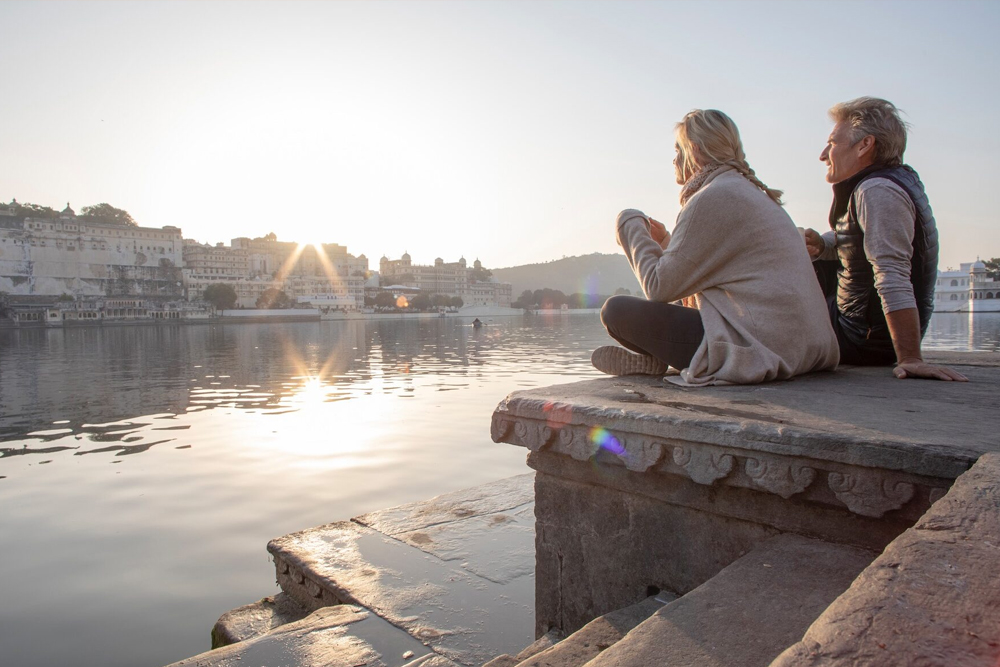
When people think of India, they often picture bustling bazaars, crowded monuments and busy traffic. That side of the country certainly exists, especially in big cities and famous tourist hubs. Yet, just a short drive or a different choice of neighbourhood can reveal a completely different mood. You find quiet backstreets, sleepy villages, stretches of empty beach, hill slopes with hardly anyone on them and forests where all you hear is wind and birds.
Tranquil getaways are not about avoiding activity altogether; they are about choosing the right kind of activity and the right pace. Watching the sunrise from a boat in Varanasi, floating along Kerala’s backwaters on a houseboat, wandering through Udaipur’s old lanes, or sitting beside a campfire in Jaisalmer’s dunes are all “activities” – but they don’t drain you. Instead, they fill you up. Even wildlife safaris, which sound intense, often come with long intervals of quiet driving through forests, where the journey itself is the reward.
Historically, people have always travelled across India for rest, healing and spiritual growth. Hill stations like Mussoorie and Shimla were created as cool‑air retreats. Cities such as Varanasi, Amritsar and Puri have welcomed pilgrims for centuries. Forest regions where you now go on safaris were once royal hunting grounds and nature retreats. That tradition continues today in the form of homestays, wellness resorts, eco‑lodges and heritage havelis that are built with rest and reflection in mind.
What makes India especially good for tranquil breaks is this combination of deep culture and diverse landscapes. Within a single trip, you can easily move from a spiritual riverfront city to a lake palace, then onwards to a tiger reserve and finally end on a soft‑sand beach, all without losing the slow rhythm you have cultivated along the way.
Top Reasons to Choose a Relaxing Indian Holiday
If you are still on the fence about planning a calm, slow‑paced escape, these benefits might convince you to try it at least once.
- Real rest for your mind – In tranquil destinations, your days are not ruled by alarms and fixed slots. This mental breathing space helps reduce stress, clear mental clutter and improve your mood long after you return.
- Gentle break from screens – When the main highlights are sunsets, forest sounds or temple bells, it becomes easier to put your phone away. That natural digital detox can boost your focus, sleep quality and sense of presence.
- Soft spiritual nourishment – Places like Varanasi, Amritsar and Puri allow you to observe or participate in rituals at your own comfort level. Simply being there – listening, watching and reflecting – can feel grounding and healing.
- Short‑term healthy lifestyle – Hill stations, backwaters and wildlife lodges gently push you towards walking more, breathing cleaner air and often eating fresher, simpler food. Even a few days of this routine can leave you feeling lighter and more energetic.
- Deeper connections with loved ones – When you are not rushing, you finally have uninterrupted time to talk, laugh and reconnect. Families rediscover card games and shared stories; couples enjoy long, unhurried dinners and sunrise walks.
- Authentic local encounters – Slow travel gives you the chance to talk to boatmen, café owners, homestay hosts, drivers and artisans. These small conversations often become the most memorable and meaningful parts of a trip.
- Flexible, low‑pressure itineraries – In calm places, there are fewer “must do this or else” sights. You can nap in the afternoon, skip an outing if it rains, or stay longer at a spot you love without feeling you are missing out.
- Richer sense of place – When you move slowly, you notice details that rushed travellers miss: the way light falls on an old fort wall, how locals greet each other on the ghats, or how the forest changes sound at dusk.
Overview of India’s Most Relaxing Destinations
To help you navigate the many options, it is useful to group India’s tranquil getaways into a few broad types. Each appeals to slightly different moods and travellers.
- Spiritual and cultural cities – Varanasi, Amritsar and Puri balance rituals, history and daily life by rivers and temples. They are ideal if you want reflection and meaning along with your rest.
- Beaches and backwaters – Goa and Kerala offer soft sands, warm seas and slow‑moving waterways that are perfect for barefoot living, hammocks and sunset watching.
- Hill stations and tea destinations – Mussoorie, Gangtok, Ooty, Darjeeling, Manali, Shimla and Mahabaleshwar bring cool air, pine forests, tea gardens and valley views into your everyday routine.
- Heritage and desert escapes – Udaipur, Hampi and Jaisalmer let you soak in palaces, forts, ancient ruins and traditional crafts at a gentle, exploratory pace.
- Wildlife and forest retreats – Corbett and Ranthambore combine safaris with long quiet gaps filled with birdsong, rustling leaves and starry skies.
You can build a trip entirely from one category or mix two or three to match your travel dates and style. For example, a Rajasthan loop with Udaipur, Ranthambore and Jaisalmer; a mountain circuit with Mussoorie, Gangtok and Darjeeling; or a coastal retreat layering Goa with Kerala’s backwaters.
Destination Highlights: 17 Tranquil Getaways Across India
Below is a closer look at each of the key peaceful destinations, grouped by type so you can quickly spot which ones match your mood.
Varanasi – Ancient Calm on the Ganga

Varanasi, also called Kashi or Banaras, is often described as India’s spiritual heart. The city sits on a bend of the Ganga, with layers of history, faith and everyday life stacked along its ghats. At first glance it may seem intense, but if you rise early and seek quieter stretches of the riverfront, you will discover a deeply soothing side. People perform simple morning rituals, priests chant softly, and the river flows past as it has for centuries.
For a tranquil experience, stay in a ghat‑side guesthouse where you can watch the river from your balcony. Take a sunrise boat ride, wander slowly along the ghats, and choose only a few temples or ashrams to visit instead of trying to see them all. The evening Ganga Aarti is memorable, but you can avoid the thickest crowds by watching from a boat or from a little distance along the steps.
Goa – Soft Sands and Slow Evenings

Goa is famous for music, nightlife and water sports in the north, yet its quieter personality opens up as you move south. South Goa’s long, mostly relaxed beaches, village lanes and palm groves create the perfect environment for a low‑key break. You can wake up late, have a long breakfast, wander down to the sand and spend hours doing nothing more than reading, swimming and watching waves roll in.
To keep the pace slow, pick a small beach hotel or guesthouse near a quieter stretch of shore. Add a short trip to Old Goa’s churches or a backwater cruise if you feel like exploring, then return to the coast in time for sunset. Evenings are best spent with simple seafood meals at beach shacks and unhurried chats under the stars.
Kerala – Backwaters, Ayurveda and Green Serenity

Kerala offers one of the most complete relaxation packages in India: tranquil backwaters, palm‑fringed beaches, tea and spice gardens and renowned Ayurvedic therapies. A popular slow‑travel combination is a night or two on a houseboat in Alleppey or Kumarakom, followed by a relaxed stay in Fort Kochi or at a quiet beach like Varkala.
On the water, life glides by at a gentle pace – fishermen casting nets, children waving from the banks, birds moving through the reeds. On land, you can enjoy short walks, café stops, heritage lanes and spa sessions that ease out travel tension. Local cuisine, with its appams, stews and coconut‑rich curries, adds comfort and flavour without weighing you down.
Mussoorie – Gentle Himalayan Gateway

Mussoorie in Uttarakhand is a classic hill station that can be as busy or as peaceful as you want it to be. Step away from the main Mall Road, and you will find narrower lanes, viewpoints and forested stretches with few people and stunning vistas. The climate stays pleasant for much of the year, with cold, sometimes snowy winters and fresh, green summers.
A calm Mussoorie itinerary might include slow walks along Camel’s Back Road, a gentle hike to a waterfall, a cable car ride to a nearby hill and evenings spent in a café or homestay balcony watching the lights twinkle in the valley below. The key is to pick a stay in a quieter pocket rather than right in the middle of the busiest strip.
Udaipur – Lakeside Romance and Regal Calm

Udaipur in Rajasthan is often counted among India’s most romantic cities, and it also happens to be one of the most relaxing. Built around lakes such as Pichola and Fateh Sagar, the city features palaces, havelis and temples that reflect beautifully in still water at dawn and dusk. Staying at or near the lake instantly changes the tone of your trip.
You can spend your days visiting the City Palace at a comfortable pace, wandering through old bazaars, taking a boat ride, and sampling Rajasthani and international dishes at rooftop restaurants. If you have more time, hire a private driver to show you nearby villages, stepwells and countryside views – but keep each day’s schedule light so you still return in time for an unhurried evening by the lake.
Gangtok – Monasteries and Misty Ridges

Gangtok, the capital of Sikkim, combines crisp mountain air, forested slopes and a gentle Buddhist influence. Monasteries hung with prayer flags, viewpoints overlooking distant peaks and small cafés with big views create an atmosphere where it is easy to slow down. The town centre is compact and walkable, especially in the evening when people stroll the main promenade without the chaos of heavy traffic.
Short excursions to nearby lakes, monasteries or viewpoints can be planned as half‑day trips, leaving you plenty of time for rest. Cloudy days have their own charm here, as mists drift across the hills and transform the landscape from one hour to the next.
Amritsar – Golden Temple and Soulful Nights

Amritsar in Punjab is home to the Golden Temple, one of the most serene spiritual centres in India. The temple complex feels especially peaceful at dawn and late at night when crowds are thinner. Watching the gold‑clad structure reflect in the still water while kirtan plays softly in the background can be deeply moving, even if you don’t follow a specific faith.
Outside the temple, life is livelier, with buzzing markets, rich Punjabi food and historic sites like Jallianwala Bagh. The trick to a relaxing visit is to alternate between the temple’s calm and the city’s energy, always giving yourself time to return to the water’s edge whenever you want to reset.
Kashmir – Lakes, Gardens and Alpine Calm

Kashmir’s beauty is the kind that encourages silence: snow‑touched peaks, glassy lakes, terraced gardens and meadows that stretch towards the horizon. In Srinagar, a traditional houseboat stay on Dal or Nigeen Lake, combined with unhurried shikara rides, sets the tone for a restful break. Mughal gardens offer leafy paths and water channels that feel made for slow wandering.
Soft day trips to Pahalgam or Gulmarg can be focused on walks, viewpoints and languid lunches rather than high‑adrenaline activities. Sipping hot Kahwa while wrapped in warm layers, with mountain views in front of you, is one of the simplest and best ways to experience Kashmir’s tranquil side.
Ooty – Tea Gardens and Cool Breezes

Ooty in the Nilgiri Hills of Tamil Nadu remains a beloved escape for good reason. Its cooler temperatures, tea gardens and forested slopes create a soft, relaxing environment. Instead of darting between attractions, you can choose a few key experiences – the Botanical Garden, Ooty Lake, Doddabetta viewpoint – and spread them out across your stay.
Much of Ooty’s charm lies in the small moments: a walk alongside tea bushes, mist settling over the hills, or a quiet café with valley views. The iconic Nilgiri Mountain Railway can add a nostalgic, gently paced highlight to your itinerary.
Darjeeling – Queen of the Hills

Darjeeling in West Bengal, often referred to as the “Queen of the Hills”, blends colonial‑era architecture, tea estates and views of the Himalayas. On clear days, sunrises at viewpoints like Tiger Hill can be spectacular, but you don’t need to chase every famous lookout to enjoy the town. A ride on the heritage toy train, strolls through tea gardens, monastery visits and lazy hours in hillside cafés can easily fill your days.
With its mild climate and rich tea culture, Darjeeling is perfect for travellers who enjoy scenic walks, gentle exploration and the simple pleasure of a well‑made cup of tea with a view.
Hampi – Ruins, Boulders and River Breezes

Hampi in Karnataka spreads the ruins of the once‑mighty Vijayanagara Empire over a striking landscape of giant boulders, banana groves and the Tungabhadra River. Instead of ticking off every monument, you can break the site into smaller zones and explore a couple each day by bicycle, scooter or auto‑rickshaw.
Between temple clusters, you will find quiet corners where you can sit by the river, sip coconut water and take in the views. Sunrise and sunset from hilltop temples are unforgettable, as the boulders and fields gradually change colour in the shifting light.
Puri – Sacred Shore and Soft Sand

Puri in Odisha manages to be both a major pilgrimage site and a calming beach town. The Jagannath Temple gives the city a strong spiritual core, while the long beach offers space for reflection and easy walks. Early mornings on the shore, when the light is soft and the air is cool, feel particularly serene.
Puri is often combined with visits to the Sun Temple at Konark and the temples of Bhubaneswar. If you keep your schedule light – one key outing per day – you can still return to the seafront in time for relaxing evenings watching waves and sampling local street food.
Mahabaleshwar – Valleys, Viewpoints and Strawberries

Mahabaleshwar in Maharashtra’s Western Ghats is known for its sweeping valley views, dense forests and strawberry farms. The area is dotted with viewpoints that reveal layer upon layer of green ridges fading into the distance. Instead of rushing through them all in a single day, spread your visits out and mix in walks through wooded paths and time by Venna Lake.
In strawberry season, visiting farms and tasting fresh produce becomes a gentle highlight of the trip. Staying in a quiet resort or homestay outside the busiest market zone keeps the overall mood calm and restorative.
Corbett – Forest Quiet and River Landscapes

Jim Corbett National Park in Uttarakhand is one of India’s best‑known wildlife reserves, home to tigers, elephants, deer and abundant birdlife. Beyond the excitement of safaris, however, lies a very soothing environment of forests, rivers and open grasslands. Most travellers stay in lodges close to the park, where mornings and evenings are often filled with birdsong and rustling leaves.
Plan no more than two safaris per day, with a long, lazy break in between for reading, swimming or riverside walks (where permitted and safe). Even if you never see a tiger, the simple act of driving through misty forest tracks at sunrise or watching golden light on the river makes Corbett an incredibly relaxing destination.
Manali – Mountains, Rivers and Alpine Air

Manali in Himachal Pradesh offers towering peaks, pine forests and a lively town centre, but you can easily shape it into a tranquil escape. The secret is to choose accommodation away from the busiest stretch – perhaps in Old Manali, Vashisht or a nearby village overlooking the valley.
From there, you can plan gentle riverside walks, short drives to Solang Valley or surrounding hamlets and café sessions with views of snow‑capped mountains. In winter, Manali takes on a magical, snow‑dusted appearance that is best enjoyed through slow strolls and cosy evenings indoors.
Shimla – Colonial Charm and Deodar Forests

Shimla, once the summer capital of British India, sits on the foothills of the Himalayas with a ring of deodar forests and distant peaks. Its colonial architecture, long promenades and compact centre create a walkable, atmospheric hill town. To keep things calm, travel outside the absolute peak holiday rush and stay in a characterful hotel slightly away from the busiest part of the Mall Road.
Your days might include gentle walks on the Ridge, short hikes through nearby forests, a ride on the scenic toy train, and visits to heritage churches or viewpoints. Cool evenings encourage early nights, slow dinners and plenty of time to simply enjoy the mountain air.
Ranthambore – Tigers, Lakes and Starlit Nights
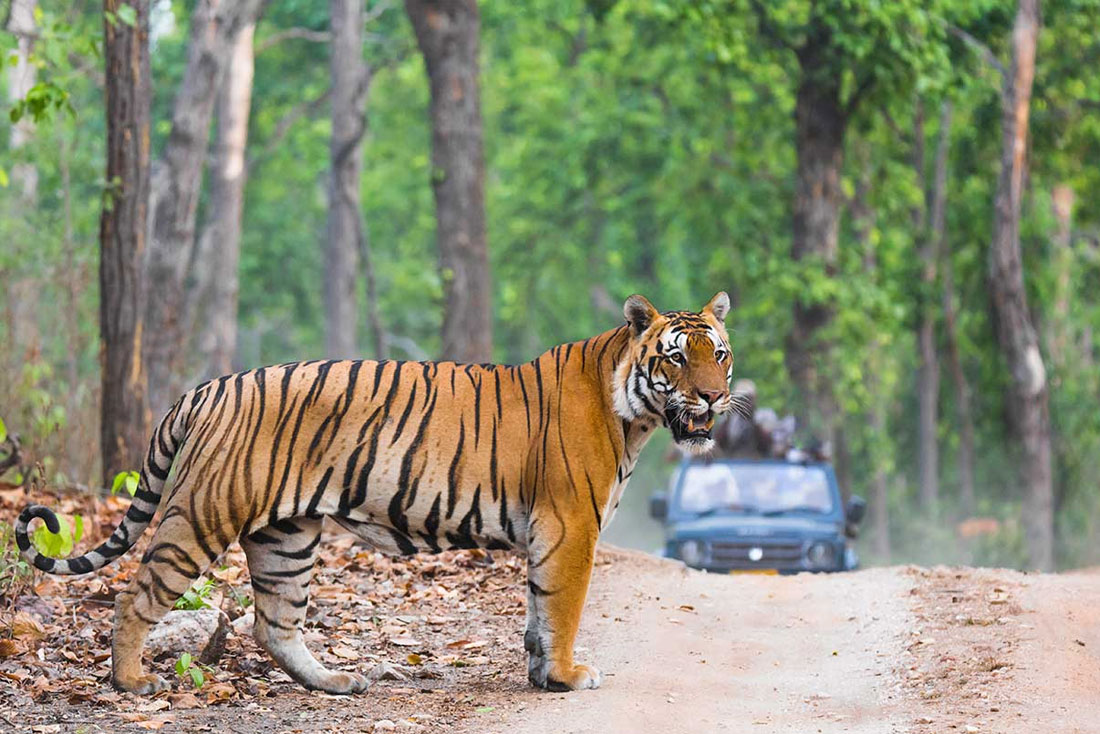
Ranthambore in Rajasthan is a famous tiger reserve where nature and history intertwine. Lakes filled with lotus, crumbling fort walls, temples on hilltops and wide grasslands create a dramatic landscape. Many lodges here are designed as tranquil retreats with gardens, courtyards and outdoor seating where you can relax between drives.
Safaris themselves are slow explorations along forest tracks, with plenty of pauses to look for birds, deer and other wildlife as guides listen for alarm calls. Evenings by a bonfire under a clear sky, often with traditional music or simple storytelling, add to the feeling that you are far from everyday life.
Jaisalmer – Desert Silence and Golden Fort

Jaisalmer rises from the Thar Desert like a golden storybook illustration, with its living fort, intricate havelis and narrow lanes. While the old town can feel busy during the day, the mood transforms once you step into the surrounding dunes. Desert camps just outside the city offer a mix of comfort and silence that is hard to find elsewhere.
Camel or jeep rides at sunset, folk music performances around a campfire and nights spent under a sky thick with stars create a deeply peaceful atmosphere. Back in town, you can explore the fort and old streets slowly in the mornings, then retreat to rooftops or your camp when the heat and crowds rise.
Sample 10‑Day Tranquil India Itinerary
To bring these ideas together, here is a sample 10‑day itinerary that mixes spiritual, heritage, wildlife and beach experiences at a relaxed pace. You can use it as it is, or adapt it to your own dates and preferences.
| Day | Base Destination | Relaxed‑Pace Plan |
|---|---|---|
| 1 | Varanasi | Arrive, check into a ghat‑side stay, stretch your legs with an easy ghat walk and attend the Ganga Aarti in the evening from a comfortable viewing point. |
| 2 | Varanasi | Sunrise boat ride, quiet time on the ghats, optional visit to one or two temples, free afternoon for a massage, café time or a nap. |
| 3 | Udaipur | Fly to Udaipur, settle into a lakeside hotel, take a gentle sunset boat ride on Lake Pichola and enjoy a slow rooftop dinner. |
| 4 | Udaipur | Late breakfast, unhurried visit to the City Palace, stroll through the old city and handicraft shops, optional evening cultural show. |
| 5 | Udaipur Countryside | Leisurely day trip with a private driver to nearby temples, stepwells or rural lakes, picnic or local lunch, early return for a calm evening by the water. |
| 6 | Ranthambore | Drive to Ranthambore through the Rajasthan countryside, check into a jungle lodge and relax by the pool or garden in the late afternoon. |
| 7 | Ranthambore | Morning safari, long midday rest for reading or spa time, optional evening safari or nature walk, stargazing by a bonfire. |
| 8 | Jaipur (Transit) | Easy drive to Jaipur with 1–2 photo or tea stops, light city walk or café visit, early night to prepare for the coastal leg. |
| 9 | Goa (South) | Fly to Goa, settle into a quiet beach hotel in South Goa, sunset walk on the sand and simple seafood dinner. |
| 10 | Goa (South) | Lazy beach day with optional short visit to Old Goa’s churches or a river cruise, final evening watching the sun sink into the Arabian Sea. |
You can customise this structure easily: swap Goa for Kerala, Ranthambore for Corbett, or add days in Jaisalmer or Kashmir if you have more time. The key is to keep travel legs reasonable and leave at least one slow day in each main stop.
Costs and Budget: What to Expect
Budget is a big part of planning any holiday, and tranquil getaways are no exception. The good news is that India offers options for almost every pocket. The table below gives rough daily budget ranges for two travellers sharing, assuming mid‑range stays and a mix of local and restaurant meals. International flights are not included.
| Destination Type | Typical Daily Budget for 2 (INR) | Includes | Useful Notes |
|---|---|---|---|
| Spiritual cities (Varanasi, Amritsar, Puri) | 6,000 – 10,000 | Comfortable guesthouse/hotel, local transport, simple meals, light sightseeing and entry fees. | Costs drop if you choose basic stays and mostly eat at local dhabas or langars. |
| Hill stations (Mussoorie, Ooty, Darjeeling, Gangtok, Manali, Shimla, Mahabaleshwar) | 7,000 – 12,000 | Mid‑range hotel, shared taxis or cabs, café/restaurant meals, a few attractions or guided walks. | Peak summer, long weekends and New Year weeks can push prices higher; shoulder seasons are friendlier. |
| Beaches & backwaters (Goa, Kerala, Puri) | 8,000 – 14,000 | Beachfront or backwater resort, local transport, seafood and local meals, one or two relaxed activities. | Ayurveda treatments, yoga retreats and houseboats are usually add‑ons but worth budgeting for. |
| Heritage & desert (Udaipur, Hampi, Jaisalmer) | 8,000 – 15,000 | Boutique or heritage stays, guided walks, short drives, entrance tickets to main sites. | Palace hotels and luxury desert camps can increase the daily spend significantly if you choose them. |
| Wildlife (Corbett, Ranthambore) | 10,000 – 18,000 | Jungle lodge or resort, 1–2 safaris per day, meals, park entry and guide charges. | Core‑zone safaris and top‑tier lodges usually sit near the top of this range or above. |
Hiring a private car and driver between cities can look like a big cost at first glance, but it often becomes very reasonable when shared by two or more travellers and balanced against the comfort and time saved. To lower expenses, you can combine trains or buses for longer legs with local taxis for shorter hops and sightseeing. Always factor in seasonal price changes and book key elements like wildlife safaris, houseboats and special stays well in advance in peak periods.
Best Time, What to Pack and Practical Tips
Choosing the right season and packing smartly can make the difference between a stressful trip and a beautifully smooth one. While India’s size means there is no single “perfect” month for the entire country, some general patterns help.
From October to March, many regions enjoy pleasant temperatures and clearer skies. Spiritual cities such as Varanasi and Amritsar feel especially atmospheric in winter, though you will want warm layers for early mornings and nights. Hill stations can be very cold in the heart of winter but are delightful in late spring and post‑monsoon, when the air is crisp and the landscapes are lush. Goa and Kerala’s beaches and backwaters are at their best from November to February, when humidity drops and days are sunny yet comfortable. Wildlife parks like Corbett and Ranthambore usually run from around October to June, with cooler months ideal for comfort and hotter months better for sightings.
What to Pack for a Tranquil India Holiday
Focus on comfort, layers and modesty. For plains and coastal regions, light cotton or linen clothing in breathable fabrics works best. For hills and winter travel, bring a warm fleece or sweater, a light but effective jacket, and thermal inners if you feel the cold easily. A sturdy yet comfortable pair of walking shoes or sandals is essential, as many calm experiences involve short walks on uneven paths or old streets.
Other handy items include a scarf or stole (for religious sites and extra warmth), sunscreen, sunglasses, a hat, a reusable water bottle, basic medicines, personal prescriptions, and insect repellent for rural and forested areas. A small torch or headlamp is useful in national parks and villages with less lighting at night. Keeping outfits that cover shoulders and knees will make visiting temples, gurdwaras and other sacred places smoother and more respectful.
Practical Tips for a Stress‑Free Experience
- Limit yourself to one or two key activities per day to leave space for rest and spontaneous discoveries.
- Pick stays in quieter neighbourhoods – near lakes, just off the main market, or on the village edge – rather than in the noisiest central stretch.
- Consider a trusted private driver for multi‑stop itineraries so you can relax and enjoy the scenery during transfers.
- Travel on weekdays or during shoulder seasons where possible to avoid heavy crowds and inflated prices.
- Carry some cash for small purchases and tips, but use cards or UPI where possible for convenience and safety.
- Respect local customs at religious and heritage sites: remove shoes where required, keep your voice low, follow photography rules and dress modestly.
- Build in buffer time between long journeys and important plans so delays do not cause stress.
Hidden Details and Under‑the‑Radar Experiences
Sometimes the quietest, most meaningful travel moments are not the famous sights, but the small, easily overlooked experiences that only appear when you slow down. Here are a few ideas to weave into your tranquil getaway.
- Side ghats and back alleys in Varanasi – Move away from the main ceremonial ghats to find smaller steps and lanes where daily life unfolds more gently, with children playing, elders chatting and small shrines tucked into corners.
- Village detours around Udaipur and Jaisalmer – Ask your driver to show you nearby villages and countryside lanes, where you might come across stepwells, tiny temples, farms and traditional homes that feel far from tourist bustle.
- Riverside and forest walks near Corbett and Ranthambore – Within lodge‑approved zones, short guided walks can bring you closer to birds, trees and river landscapes in a more intimate way than a jeep alone ever could.
- Tea and book breaks in hill stations – Schedule deliberate “do nothing” hours each day for a café, viewpoint or hotel balcony, with a book or journal and a hot drink, so you can simply watch the world go by.
- Sunrise and late‑night visits to temples and gurdwaras – In places like Amritsar, Puri or Varanasi, the most peaceful times are often very early or very late, when the air is cool, the light is soft and the crowds fade.
- Hands‑on local experiences – Short cooking classes, craft workshops or farm visits in destinations like Kerala, Rajasthan or the hills can be surprisingly meditative and give you a deeper bond with the place.
Frequently Asked Questions About Tranquil Getaways in India
How many days should I plan for a relaxing trip in India?
For a genuinely relaxing experience, it is wise to aim for at least 7–10 days, especially if you want to combine two or three destinations. This gives you time to settle into each place without feeling rushed. If you only have 4–5 days, choose a single region – for example, South Goa, Kerala’s backwaters, or one hill station – and explore it slowly instead of trying to cover too much ground.
Which tranquil destinations are best for first‑time visitors to India?
For first‑time visitors who want calm as well as comfort, Udaipur, Kerala (Fort Kochi plus backwaters) and South Goa are excellent options. They offer good tourism infrastructure, a welcoming atmosphere, and plenty of gentle activities, with less chaos than some of the country’s bigger cities. You can always add a short visit to a more intense destination, like Varanasi, once you feel more confident.
Are wildlife parks like Corbett and Ranthambore actually relaxing?
Yes, they can be very relaxing if you do not overload your schedule. One morning and one afternoon safari per day is usually enough. The time between drives is perfect for reading, swimming, napping or simply listening to the forest from your verandah. The combination of fresh air, nature sounds and starry skies makes these parks surprisingly soothing, even though there is some excitement around sightings.
Is it safe to travel solo to these tranquil destinations?
Most of the destinations in this guide are accustomed to both domestic and international visitors and are generally safe when you follow normal travel precautions. Book well‑reviewed stays, use reputable transport providers, avoid poorly lit or deserted areas late at night, and keep someone informed of your rough plans. Trust your instincts – if a situation feels uncomfortable, leave and seek help from your hotel or local authorities.
How far in advance should I book accommodation and transport?
For peak times like December–January, long weekends and major festivals, try to book key elements (hotels, trains, flights, safaris, houseboats) at least 6–8 weeks in advance. In shoulder seasons, you can often book closer to your dates, but special stays such as heritage palaces, desert camps and popular wildlife lodges still benefit from early reservations. Booking ahead also reduces stress, which is important on a relaxation‑focused trip.
Can I combine remote work with a tranquil holiday in these places?
Yes, many calm destinations now have guesthouses, homestays and boutique hotels that cater to remote workers with reliable Wi‑Fi and quiet work areas. Goa, Udaipur, some parts of Kerala and several hill stations are especially popular for workations. To keep your trip relaxing, structure your days with clear work blocks and protect at least part of each day for walks, local food and genuine offline rest.
What is the best way to move between multiple tranquil destinations?
If you are exploring a single region (for example, Rajasthan, Himachal or Uttarakhand), hiring a private car and driver for several days is often the most comfortable and flexible option. For longer distances, domestic flights save time and energy, while trains can be a scenic, budget‑friendly choice if booked in decent classes. Whenever possible, try to avoid back‑to‑back very long journeys so that travel days do not undo the relaxation you are building.
How can I keep my trip eco‑friendly while enjoying comfort?
You can reduce your footprint by choosing eco‑conscious stays, carrying a reusable water bottle, avoiding single‑use plastics and respecting local ecosystems by staying on marked paths and not disturbing wildlife. Supporting local businesses – from family‑run cafés to small homestays and guides – helps ensure your spending benefits the community. Simple habits like turning off lights and air‑conditioning when not in use and conserving water also make a quiet but meaningful difference.
Plan Your Own Peaceful Escape in India
A tranquil getaway in India does not mean doing nothing at all; it means doing the right things at the right pace, in places that naturally quieten your mind. Whether you imagine sunrise on the ghats of Varanasi, a book in your hand on a balcony overlooking Lake Pichola, the hush of a forest track in Ranthambore, the cool air of Mussoorie or the warm sand of South Goa under your feet, there is a calm corner of the country that fits your dream.
When you feel ready to turn inspiration into a real itinerary, start by choosing two or three destinations that match your travel dates, budget and mood. Then sketch out a simple route with short travel legs, at least one slow day in each place, and comfortable stays in quiet neighbourhoods. If you prefer extra support, consider working with experienced local tour planners or driver‑guides who understand slow travel and can handle logistics for you. That way, you can spend your time doing exactly what you came for – breathing deeply, soaking in the views and letting India’s gentler side work its quiet magic.
Recent Posts
 Amer Fort Boating 2026 Guide: Maota Lake Tickets & Timings
Discover Amer Fort’s new Maota Lake boating, updated 2026 ticket rates, timings, safety rules and best visiting months.
 Luxury Rajasthan Tour with Oberoi, Taj & Leela Hotels
Experience royal Rajasthan in comfort with Oberoi, Taj and Leela luxury palace stays.
 Luxury Tempo Traveller & Van Hire in India 2026 – Rates, Features & Booking
Enjoy luxury van hire in India for safe, comfortable family and group travel.
 Top 10 Vehicle Hire Companies in India for Tourists
Discover the top 10 vehicle hire companies in India offering safe, comfortable tourist travel.
 Delhi Agra Jaipur Tour by Luxury Car and Private Driver
Enjoy a Delhi Agra Jaipur tour with a luxury car, private driver and flexibility.
 Luxury Car and Driver for Comfortable Rajasthan Tour
Explore Rajasthan in comfort with a luxury car, private driver and flexible custom tour.
 Jaisalmer Travel Guide for Foreign Tourists: Best Time, Desert Tours & Tips
Plan your Jaisalmer trip with ideal seasons, desert tour packages and essential foreigner tips.
 Hidden Villages of Rajasthan: Offbeat Rural Experiences & Village Travel Guide
Hidden Villages of Rajasthan: Offbeat Rural Stays, Homestays & Authentic Village Life.
-
Amer Fort Boating 2026 Guide: Maota Lake Tickets & Timings
Discover Amer Fort’s new Maota Lake boating, updated 2026 ticket rates, timings, safety rules and best visiting months.
-
Luxury Rajasthan Tour with Oberoi, Taj & Leela Hotels
Experience royal Rajasthan in comfort with Oberoi, Taj and Leela luxury palace stays.
-
Luxury Tempo Traveller & Van Hire in India 2026 – Rates, Features & Booking
Enjoy luxury van hire in India for safe, comfortable family and group travel.
-
Top 10 Vehicle Hire Companies in India for Tourists
Discover the top 10 vehicle hire companies in India offering safe, comfortable tourist travel.
-
Delhi Agra Jaipur Tour by Luxury Car and Private Driver
Enjoy a Delhi Agra Jaipur tour with a luxury car, private driver and flexibility.
-
Luxury Car and Driver for Comfortable Rajasthan Tour
Explore Rajasthan in comfort with a luxury car, private driver and flexible custom tour.
-
Jaisalmer Travel Guide for Foreign Tourists: Best Time, Desert Tours & Tips
Plan your Jaisalmer trip with ideal seasons, desert tour packages and essential foreigner tips.
-
Hidden Villages of Rajasthan: Offbeat Rural Experiences & Village Travel Guide
Hidden Villages of Rajasthan: Offbeat Rural Stays, Homestays & Authentic Village Life.