North India Backpacking Adventure: The Ultimate 2026 Guide
Why North India Is a Dream for Backpackers
Backpacking through North India feels like stepping into ten different countries on a single trip. In a few weeks, you can move from Delhi’s chaotic bazaars and ancient mosques to Rajasthan’s golden deserts, and then up into the cool pine forests and snow-capped peaks of the Himalayas. Sleeper trains, mountain buses, chai stalls, rooftop hostels and homely guesthouses stitch the whole journey together. If you’re looking for an adventure that’s equal parts culture, landscape and everyday life, this region delivers in a big way.
What makes North India especially attractive for backpackers is the mix of intensity and ease. Yes, it can be crowded and noisy, and things rarely go exactly to plan. But it’s also one of the most backpacker-friendly parts of Asia in terms of cost, route options and communities on the road. You’ll meet people from all over the world on shared jeeps to Himalayan villages, sitting on overnight trains, or relaxing in rooftop cafés after long days exploring forts and markets. The budget potential is huge: if you travel simply, it’s entirely possible to get by on a modest daily spend while still enjoying great food and unforgettable experiences.
This guide is designed to help you turn vague ideas into a clear North India route that fits your time, budget and style. You’ll find an overview of key regions, top reasons to backpack here, sample itineraries, realistic cost ranges, timing and packing tips, and a look at the small details that make travel easier. Whether you’re planning a classic Delhi–Rajasthan–Himalayas loop or focusing on just one part of the north, you’ll walk away with a structure you can customise rather than a rigid checklist.
North India in Context: Regions, Routes and Vibes
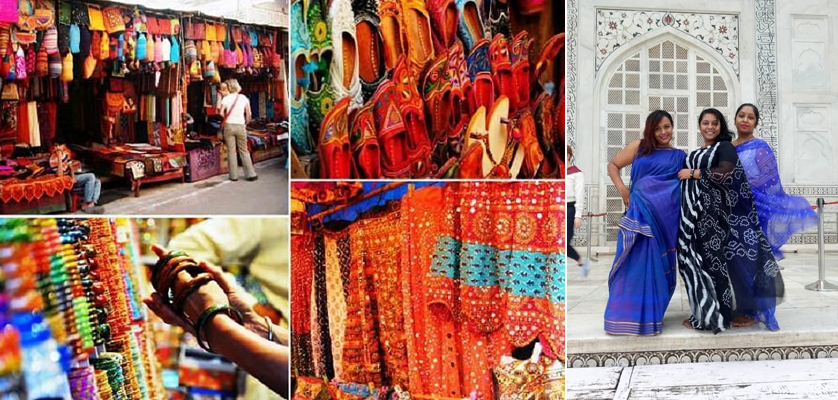
“North India” is a big label that usually covers Delhi and its surroundings, the state of Rajasthan, the plains of Uttar Pradesh and Punjab, and the Himalayan states and territories such as Himachal Pradesh, Uttarakhand, Jammu & Kashmir, and Ladakh. Each area has a distinct culture, climate and travel style, but they connect well by rail and road, which makes them ideal for overland backpacking. The classic move is to use Delhi as a hub, then fan out into deserts, holy rivers or mountains depending on your priorities.
On one hand, you have historic and cultural hubs like Delhi, Agra, Jaipur, Jodhpur, Udaipur, Varanasi and Amritsar, where forts, temples, mosques and palaces dominate your days. On the other, you have chilled-out mountain towns like Rishikesh, Manali, Dharamshala, Kasol, Shimla and smaller Himalayan villages that lean more towards trekking, yoga, cafés and relaxed hostel life. The great thing about backpacking in North India is that you don’t have to choose one type of experience; with enough time, you can build a route that blends both.
Historically, this part of India has seen empires rise and fall, from ancient Mahajanapadas and Mauryan rulers through to Mughal emperors and Rajput kings, followed by British colonial rule and then independent India. The result is a landscape packed with forts on hilltops, old caravan routes, Mughal gardens, colonial-era hill stations and modern cities. As a backpacker, you’re not just seeing pretty buildings; you’re following old paths that traders, pilgrims and travellers have taken for centuries.

Top Reasons to Backpack North India
- Huge variety in one region: In a single itinerary you can explore mega-cities, medieval desert towns, Sikh gurdwaras, yoga capitals and mountain villages without ever crossing a national border.
- Strong backpacker infrastructure: Hostels, guesthouses, cafés, yoga schools, trekking agencies and budget tour operators are well-established in many North Indian hubs, making it easy to connect the dots.
- Budget-friendly travel: With local food, trains and buses, shared taxis and dorm beds, your daily spend can be surprisingly low, leaving money for occasional splurges like safaris or longer treks.
- Social and solo-travel friendly: Popular backpacker towns like Rishikesh, Manali, Kasol and Pushkar have lively hostel scenes where meeting other travellers is effortless, ideal if you’re travelling solo.
- Endless route flexibility: You can plan a tight 10–14 day loop or roam for months, adjusting your route with the seasons—warmer plains in winter, cooler mountains in summer.
Suggested North India Backpacking Itineraries
There’s no single “best” route, but certain structures work particularly well for backpackers. The table below shows three sample itineraries at different trip lengths. You can treat them as templates, adding or removing stops based on your interests and pace.
| Trip Style | Length | Main Route | Best For |
|---|---|---|---|
| Classic North India Sampler | 12–14 days | Delhi → Agra → Jaipur → Pushkar → Delhi | First-time backpackers wanting cities, desert vibes and key landmarks |
| Rajasthan & Holy River Loop | 18–21 days | Delhi → Agra → Jaipur → Jodhpur → Jaisalmer → Udaipur → Pushkar → Rishikesh → Delhi | Travellers keen on forts, desert, lakes, backpacker towns and the Ganga |
| Mountains & Deserts Combo | 3–5 weeks | Delhi → Rishikesh → Dharamshala / McLeod Ganj → Manali → Kasol/Parvati Valley → Jaipur / Jodhpur → Udaipur → Delhi | Those who want a mix of Himalayan chill, light trekking and classic Rajasthan |
When you’re planning your own route, keep travel times realistic. Overnight trains save on accommodation, but you don’t want two long overnight journeys back-to-back. Mountain bus rides can be slow and winding; shorter hops with rest days between them feel much better than trying to conquer massive distances in one go.
Backpacker Budget: Daily Costs and What to Expect
One of the biggest questions before a North India trip is: “How much do I need per day?” The answer depends on how simply you’re willing to live, how often you move, and how many paid activities you pack in. The ranges below are meant as realistic guidelines for 2026-style backpacking, excluding international flights and big gear purchases.
| Budget Level | Approx. Daily Spend (INR) | What It Usually Includes |
|---|---|---|
| Lean backpacker | ₹1,500 – ₹2,000 | Dorms/basic rooms, local buses and sleeper trains, street food/small dhabas, simple activities |
| Comfort backpacker | ₹2,200 – ₹3,000 | Hostel privates/guesthouses, mix of trains and shared taxis, cafés and local restaurants, some entrance fees and short tours |
| Flashpacker | ₹3,500 – ₹5,000 | Nicer guesthouses/boutique stays, more private transport, paid day tours, yoga classes, treks, occasional splurges |
On many days you’ll spend less than your upper budget limit, then cross it occasionally for big activities like safaris in Rajasthan, multi-day treks in Himachal, or internal flights if you decide to jump between far-flung regions. Planning an average and keeping a small emergency buffer gives you flexibility without constant money stress.

Best Time to Backpack North India, Plus Timing Strategies
North India has three broad seasons: hot, monsoon and cool. For most overland backpacking routes that mix plains and hills, the sweet spot is usually from October to March. During these months, Delhi, Rajasthan and the big cities are less scorching, and many Himalayan towns are comfortably cool (though high passes can be closed in deep winter). Nights in December and January can get cold, especially in the desert and mountains, so you’ll want some warm layers then.
From March to June, much of the plains heat up significantly, with Rajasthan, Delhi and other low-lying areas becoming very hot during the day. However, this is also when the Himalayas really come into their own. If your focus is on Himachal Pradesh, Uttarakhand or Ladakh, late spring and summer can be ideal for trekking and high-altitude routes, while you might only dip into the plains briefly. Monsoon (roughly June to September) brings variable conditions—greener scenery and cooler temperatures in some hill regions, but also heavier rains and the possibility of landslides or transport disruptions in others.
When building your itinerary, align regions with seasons. For example, you might do Rajasthan and city-heavy travel in November or February, then head to Himachal or Uttarakhand in late April or May. If your dates are fixed, you can still create a good route by prioritising places where the conditions are most comfortable at that time and keeping some flexibility for adjustments on the road.
Packing and Preparation for a North India Backpacking Trip
Good packing can turn a chaotic trip into something surprisingly manageable. The aim is to travel light enough that you can climb guesthouse stairs, hop on buses and move through stations without feeling like a pack mule, while still having what you need for mixed climates and cultures.
- Backpack size: A 40–60 litre main pack plus a small daypack works well for most travellers. If you’re planning longer treks, you may also want a lighter trekking daypack.
- Clothing: Think layers and modesty. Lightweight trousers, breathable tops with sleeves, a couple of warm layers (fleece/jumper and a light jacket), and one set of slightly nicer clothes for cities or homestays.
- Footwear: One sturdy pair of trainers or light hiking shoes and one pair of sandals or flip flops is usually enough. Make sure you can comfortably walk several kilometres in whatever you bring.
- Health & hygiene: Basic first-aid kit, any prescription medicines, rehydration salts, hand sanitiser, tissues or wipes, and sun protection (hat, sunscreen, sunglasses).
- Documents and money: Passport, visa copies, travel insurance details, a mix of cards and cash, and digital backups of everything stored securely online.
- Electronics: Phone, charger, power bank, universal adapter, and perhaps a lightweight e-reader or small laptop if you work on the road.
Before you go, check current visa requirements, any recommended vaccinations, and travel advisories for the specific regions you’re visiting. Pre-booking your first few nights and key long-distance trains or buses can drastically reduce your initial stress, leaving you more energy for enjoying the chaos in a good way.
Hidden Details and Less Obvious Backpacker Tips
Once you’ve sorted the big stuff—routes, visas, budgets—the small habits you build on the road can make or break your experience. One simple but powerful tip: slow down your expectations. If you assume every train will be perfectly on time or that you can see five major sights in different parts of a city in one day, you’re setting yourself up for frustration. Planning for fewer “must-dos” per day creates space for surprises and prevents burnout.
Another detail that matters: where you choose to stay inside each town. Being close to a central market, old town or main bus stand can save money and time on local transport, and it makes it easier to wander out for street food or sunsets without complicated logistics. In mountain towns, picking a place slightly uphill or on the quieter side of the main road can buy you peace and starrier skies at night. In cities, staying near a metro station or popular backpacker lanes simplifies day-to-day movement.
Finally, don’t underestimate the value of regular “reset” days. After a couple of long bus rides, intense cities or multi-day treks, give yourself one or two days in a chilled-out spot to sleep in, do laundry, journal, eat well and catch up on messages. Those pauses are what keep long trips enjoyable rather than exhausting marathons.
Frequently Asked Questions About Backpacking North India
How long do I need for a good North India backpacking trip?
You can get a solid taste of North India in around two weeks if you focus on a small number of places—say Delhi, Agra, Jaipur and one chilled town like Pushkar or Rishikesh. With three to four weeks, you can combine both Rajasthan and some Himalayan stops. Anything beyond that lets you slow down, add treks or explore less-visited corners at your own pace.
Is North India safe for solo backpackers?
Thousands of solo backpackers travel across North India every year. As with anywhere, it’s important to use common sense: choose well-reviewed hostels and guesthouses, avoid walking alone late at night in deserted areas, keep valuables secure, and trust your instincts about people and situations. Many travellers find that the busier, more backpacker-oriented towns are especially easy places to meet others and feel supported.
What’s a realistic daily budget for backpacking North India?
If you’re staying in dorms or simple rooms, using trains and buses, and eating mainly local food, you can often keep your daily spend in the ₹1,500–₹2,500 range. Adding in more private rooms, café meals, paid tours and occasional flights will push it higher. Building a budget with some buffer for surprises is always a smart move.
Should I book everything in advance or figure it out as I go?
A mix works best. Booking long-distance trains, popular buses and the first few nights in major hubs in advance saves you last-minute stress, especially in high season. Once you’re on the road, leaving open space between fixed points lets you stay longer where you feel good, or move on quickly if somewhere doesn’t click.
Do I need special gear for the Himalayas?
For basic mountain towns and short day hikes, normal backpacking gear plus a few warm layers is usually enough. For multi-day treks or higher-altitude regions, you may need extra cold-weather clothing, good boots and perhaps technical gear, but much of this can be rented or bought locally in major trekking hubs. Always check route conditions and safety advice before committing to serious hikes.
What’s the best way to get around—trains, buses or flights?
For backpackers, trains and buses form the backbone of most North India routes. Trains are comfortable and social for many medium and long distances on the plains, while buses and shared jeeps dominate mountain travel. Flights can be useful to cover huge distances quickly, but they’re not essential unless your time is very limited or you’re connecting far-apart regions like Delhi and Ladakh on a tight schedule.
Ready to Design Your Own North India Adventure?
Backpacking in North India isn’t about ticking off a perfect list—it’s about weaving your own path through cities, deserts, hills and rivers. With a rough route, a sensible budget, and a willingness to adjust plans on the go, you can create a journey that feels both challenging and deeply rewarding. Start by choosing the areas that excite you most—maybe Rajasthan’s forts, the Ganga at Rishikesh, café culture in Dharamshala or trekking near Manali—then connect them with the trains, buses and shared jeeps that keep this region moving.
If you’re already imagining chai on a station platform, sunset on a fort wall, or waking up to mountain light through a hostel window, it’s time to move from dreaming to planning. Map out your first draft itinerary, check likely weather for your dates, and list a few must-do experiences—then leave the rest open for discovery. North India will fill in the gaps in ways you can’t predict from home.
Recent Posts
 Amer Fort Boating 2026 Guide: Maota Lake Tickets & Timings
Discover Amer Fort’s new Maota Lake boating, updated 2026 ticket rates, timings, safety rules and best visiting months.
 Luxury Rajasthan Tour with Oberoi, Taj & Leela Hotels
Experience royal Rajasthan in comfort with Oberoi, Taj and Leela luxury palace stays.
 Luxury Tempo Traveller & Van Hire in India 2026 – Rates, Features & Booking
Enjoy luxury van hire in India for safe, comfortable family and group travel.
 Top 10 Vehicle Hire Companies in India for Tourists
Discover the top 10 vehicle hire companies in India offering safe, comfortable tourist travel.
 Delhi Agra Jaipur Tour by Luxury Car and Private Driver
Enjoy a Delhi Agra Jaipur tour with a luxury car, private driver and flexibility.
 Luxury Car and Driver for Comfortable Rajasthan Tour
Explore Rajasthan in comfort with a luxury car, private driver and flexible custom tour.
 Jaisalmer Travel Guide for Foreign Tourists: Best Time, Desert Tours & Tips
Plan your Jaisalmer trip with ideal seasons, desert tour packages and essential foreigner tips.
 Hidden Villages of Rajasthan: Offbeat Rural Experiences & Village Travel Guide
Hidden Villages of Rajasthan: Offbeat Rural Stays, Homestays & Authentic Village Life.
-
Amer Fort Boating 2026 Guide: Maota Lake Tickets & Timings
Discover Amer Fort’s new Maota Lake boating, updated 2026 ticket rates, timings, safety rules and best visiting months.
-
Luxury Rajasthan Tour with Oberoi, Taj & Leela Hotels
Experience royal Rajasthan in comfort with Oberoi, Taj and Leela luxury palace stays.
-
Luxury Tempo Traveller & Van Hire in India 2026 – Rates, Features & Booking
Enjoy luxury van hire in India for safe, comfortable family and group travel.
-
Top 10 Vehicle Hire Companies in India for Tourists
Discover the top 10 vehicle hire companies in India offering safe, comfortable tourist travel.
-
Delhi Agra Jaipur Tour by Luxury Car and Private Driver
Enjoy a Delhi Agra Jaipur tour with a luxury car, private driver and flexibility.
-
Luxury Car and Driver for Comfortable Rajasthan Tour
Explore Rajasthan in comfort with a luxury car, private driver and flexible custom tour.
-
Jaisalmer Travel Guide for Foreign Tourists: Best Time, Desert Tours & Tips
Plan your Jaisalmer trip with ideal seasons, desert tour packages and essential foreigner tips.
-
Hidden Villages of Rajasthan: Offbeat Rural Experiences & Village Travel Guide
Hidden Villages of Rajasthan: Offbeat Rural Stays, Homestays & Authentic Village Life.