Delhi to Agra to Jaipur by Rail: Complete Golden Triangle Travel Guide
Why Experience the Golden Triangle by Train
Riding the rails between Delhi, Agra and Jaipur is one of the most atmospheric ways to experience India’s famous Golden Triangle. Instead of rushing from city to city by highway, you glide past villages, fields, temples and small stations, sharing the journey with local families, office commuters and chai vendors. It turns the “in-between” travel days into part of the adventure, not just time lost in transit.
For first-time visitors, travelling by train can feel both exciting and a little intimidating. You might wonder how to buy tickets, which class to choose, whether it’s safe, or how to fit trains into a short itinerary. The good news is that the Delhi–Agra–Jaipur rail corridor is one of India’s best-served routes, with fast daytime expresses as well as slower, budget-friendly options. With a bit of planning, you can enjoy comfortable journeys that keep you close to the rhythm of everyday life.
This in-depth guide walks you through everything you need to know to plan a Golden Triangle rail trip in 2026: why trains are such a good choice, how the route developed, sample itineraries, cost comparisons, safety and packing tips, and small details that make the experience smoother. Whether you’re dreaming of a quick 5–7 day circuit or a longer, slower exploration, you’ll find practical ideas you can adapt to your own style and budget.

Golden Triangle Overview: Delhi, Agra and Jaipur in Context
The Golden Triangle is India’s most iconic travel circuit, linking the national capital of Delhi, the Mughal-era city of Agra and the royal Rajasthani capital of Jaipur. On a map, these three points roughly form a triangle, with modern rail and road networks weaving them tightly together. For many travellers, this route serves as a first introduction to India’s history, architecture and daily life.
Delhi blends ancient monuments and medieval bazaars with government buildings, metro lines and glass-fronted offices. Agra is dominated by the Taj Mahal but also holds a powerful fort and beautiful tombs from the Mughal period. Jaipur, the “Pink City,” showcases Rajput palaces, hilltop forts, stepwells and bustling markets filled with textiles and jewellery. Together, they present three very different faces of North India, which is why they’ve become such a classic combination.
Trains have been connecting these cities since the days of British India, when railways were first built to move goods, soldiers and officials across the subcontinent. Today, Indian Railways remains one of the world’s largest rail networks, and the Golden Triangle corridor is one of its busiest and most tourist-friendly sections, with fast intercity services and plenty of daily departures.
Top Reasons to Do the Golden Triangle by Train
- See more of real India between cities: Train windows reveal villages, farms, rivers and small-town life you’d never glimpse from a plane or highway flyover. You’ll get a better feel for the country between the sights.
- Comfortable and time-efficient connections: Fast daytime trains like the Gatimaan Express can cover Delhi–Agra in around 1.5–2 hours, giving you more sightseeing time and a smoother ride than many road journeys.
- Budget flexibility: From air-conditioned chair car classes to more basic sleeper options, trains offer prices for every pocket, often cheaper than equivalent flights or private car transfers for the same route length.
- Lower environmental footprint than flying: Choosing trains instead of short-haul flights reduces your carbon impact, especially when you’re only travelling a few hundred kilometres between cities.
- Memorable local encounters: Sharing a carriage with Indian families, students or business travellers often leads to unexpected conversations, tips and stories that deepen your understanding of the places you’re visiting.
Main Train Routes and How They Work
On a Golden Triangle rail itinerary, you’ll usually travel three core legs: Delhi to Agra, Agra to Jaipur, and Jaipur back to Delhi (or the reverse). Each segment has multiple train options daily, ranging from fast expresses to slower, budget services. Booking in advance, especially for air-conditioned classes, makes the journey far more relaxed.
Delhi has several major stations, but many Golden Triangle trains use New Delhi Railway Station or Hazrat Nizamuddin. Agra’s main station is Agra Cantt, while Jaipur’s central hub is Jaipur Junction. Planning your hotel locations with these stations in mind can save you time and taxi costs. When possible, opt for daytime departures so you can enjoy the scenery and arrive in time to settle in before evening.
Delhi to Agra by Train
The Delhi–Agra leg is the busiest and best-served section of the triangle. Multiple trains run daily, including fast expresses that take about 1 hour 40 minutes to just over 2 hours, and slower options that can take up to 4 hours depending on stops. Many travellers choose a morning departure, reach Agra by mid-morning, and start sightseeing the same day.
Agra to Jaipur by Train
The journey from Agra into Rajasthan typically takes around 4–6 hours by train, depending on the service and number of stops. Morning trains give you time to arrive in Jaipur, check into your hotel and still enjoy an afternoon walk in the old city or a sunset view from a hilltop fort. Some travellers choose to travel by car instead on this stretch, especially if they want to stop at Fatehpur Sikri or Abhaneri stepwell en route.
Jaipur to Delhi by Train
From Jaipur back to Delhi, early morning and evening trains are common. Travel time is usually between 4 and 6 hours, again depending on the type of train and route. On your final day, you may want to choose a morning or midday departure, giving you a cushion for traffic and airport transfers in Delhi if you’re catching an international flight.
Sample Itineraries: Structuring a Golden Triangle Train Trip
How you structure your trip depends on how many days you have and how fast you like to travel. The table below shows three popular patterns for first-timers, which you can adjust based on your arrival and departure times.
| Itinerary Style | Trip Length | Route Outline | Who It Suits |
|---|---|---|---|
| Express Golden Triangle | 5–6 days | Delhi (2N) → Agra (1N) → Jaipur (2N) → Delhi | Travellers short on time who still want all three cities by train |
| Classic 7-Day Circuit | 7 days | Delhi (2N) → Agra (1N) → Jaipur (3N) → Delhi (1N) | First-timers who want a balanced mix of sightseeing and rest |
| Slow Train & Heritage Stay | 8–10 days | Delhi (2N) → Agra (2N) → Jaipur (3–4N) → Delhi (1N) | Travellers who like more free time, walking tours and optional day trips |
As you plan, think in blocks rather than trying to squeeze every monument into a single day. For example, in Delhi you might devote one day to Old Delhi’s lanes and monuments, and another to New Delhi’s wide avenues, museums and markets. In Agra, one full day usually covers the Taj Mahal, Agra Fort and perhaps Mehtab Bagh. In Jaipur, you’ll want at least two full days to enjoy Amber Fort, City Palace, Hawa Mahal, bazaars and maybe a stepwell or temple outing.
Cost Comparison: Trains vs Other Transport
Compared with private cars or flights, trains often offer the best balance of price, comfort and experience on the Golden Triangle route. Exact fares change over time and depend on class and season, but the table below gives a general sense of how costs compare between common options.
| Route & Mode | Typical Duration | Approx. Cost Per Person (INR) | Comments |
|---|---|---|---|
| Delhi → Agra (fast train, AC chair car) | 1.5–2.5 hours | ₹700 – ₹1,500+ | Comfortable seats, AC, ideal for same-day or overnight stays |
| Delhi → Agra (private car) | 3.5–4.5 hours | ₹3,500 – ₹6,000 per car | Flexible timings and stops; good for groups or extra sightseeing |
| Agra → Jaipur (train, AC class) | 4–6 hours | ₹500 – ₹1,200+ | Good mix of budget and comfort, check timings carefully |
| Agra → Jaipur (private car) | 4–5 hours (without long stops) | ₹4,500 – ₹7,000 per car | Popular choice if stopping at Fatehpur Sikri or Abhaneri |
| Jaipur → Delhi (train, AC class) | 4–6 hours | ₹500 – ₹1,200+ | Multiple departures; morning and evening options available |
| Jaipur → Delhi (flight) | 1 hour (plus airport time) | ₹2,500 – ₹7,000+ | Fast but adds airport transfers and check-in time |
Remember that these costs are approximate and can vary by season, how early you book and which class or airline you choose. As a rule, booking trains earlier improves your chances of confirmed seats in your preferred class, especially during peak travel months and holidays.
City Highlights Along the Golden Triangle Rail Route
Delhi: Where Old and New India Meet
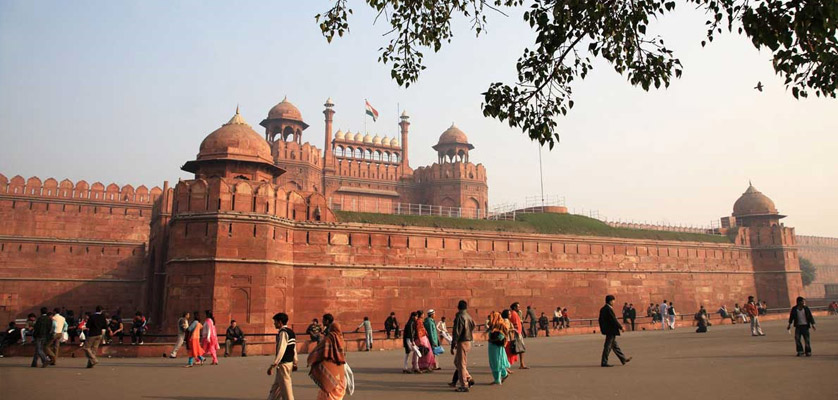
Delhi is more than just your arrival point; it’s a destination in its own right, with layers of history from ancient kingdoms to Mughal emperors and British colonial planners. Old Delhi’s tangled lanes, towering Jama Masjid mosque and imposing Red Fort tell one story, while New Delhi’s tree-lined avenues, India Gate and grand government buildings tell another. Exploring both sides of the city gives context to everything you’ll see later in Agra and Jaipur.
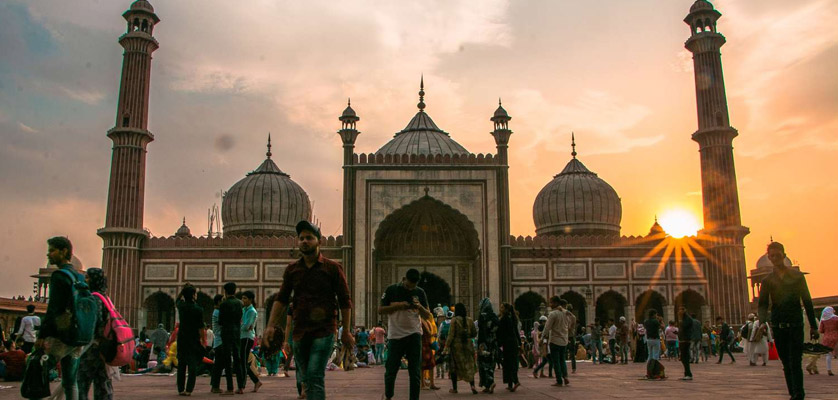
Many travellers start their Golden Triangle journey with a walking tour of Old Delhi: tasting street snacks, visiting spice markets, riding a cycle rickshaw and stepping into centuries-old havelis and shrines. The Red Fort, Qutub Minar, Humayun’s Tomb and India Gate are all easy to fit into one or two days with a bit of planning. Staying near a metro station or within a short drive of New Delhi or Hazrat Nizamuddin railway stations makes your train departures smoother.
Agra: Taj Mahal and Beyond
Agra is synonymous with the Taj Mahal, and seeing this white marble masterpiece in person is often the emotional high point of an India trip. Watching the Taj change colours at sunrise or sunset, or reflected in the Yamuna River from Mehtab Bagh, is something photographs can never fully capture. But Agra has more to offer than a single monument: its red sandstone fort, Itmad-ud-Daulah (often called the “Baby Taj”) and bazaars reveal different sides of the city’s Mughal heritage.
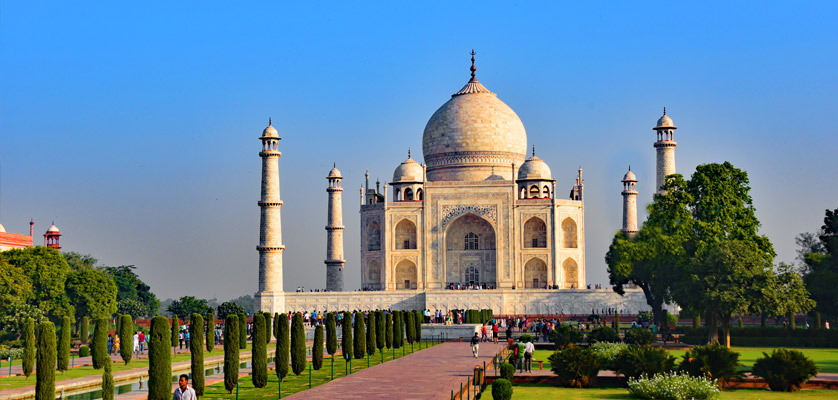
A typical stay in Agra runs for one or two nights, depending on your pace. One common pattern is to arrive by late morning train from Delhi, spend the afternoon at Agra Fort and viewpoints, then visit the Taj Mahal at sunrise the next day before continuing onward. If you have extra time, you can add Fatehpur Sikri—Akbar’s abandoned red sandstone capital—by car on the way to or from Jaipur.
Jaipur: Forts, Palaces and Pink City Lanes
Jaipur, the capital of Rajasthan, combines royal history with thriving markets and a distinctive terracotta-coloured old city. Hilltop Amber Fort, with its courtyards, frescoes and mirror work, overlooks a lake and surrounding hills, while the City Palace, Jantar Mantar observatory and Hawa Mahal (Palace of Winds) anchor the centre. Traditional arts like block-printing, jewellery making and blue pottery still flourish here, making Jaipur a great place to shop thoughtfully.

Many travellers find Jaipur more relaxed than Delhi, especially in the evenings when markets glow with lamps and the smell of street food fills the air. Guided walking tours, rooftop dinners with fort views and short excursions to stepwells or temples nearby can easily fill three days. Choosing accommodation either in or just outside the old city walls gives you easy access to most key sites while keeping you close to restaurants and cafés.
Best Time to Travel the Golden Triangle by Train, Plus Packing Tips
For most travellers, the ideal time to explore Delhi, Agra and Jaipur by train is between October and March. During these months, daytime temperatures are more comfortable, nights are cooler and humidity is generally lower than in the summer. December and January can bring chilly mornings and occasional fog, particularly around Delhi and Agra, which sometimes causes train delays—but sightseeing in the middle of the day usually feels pleasant.
April to June brings rising heat, especially in Agra and Rajasthan, where daytime temperatures can become intense. Trains remain air-conditioned in higher classes, but sightseeing in the afternoon sun can be tiring. Monsoon showers arrive at different times depending on the region, typically between late June and September; while rain can cool the air and make landscapes greener, it may also affect train schedules and walking plans.
When packing for a Golden Triangle rail trip, focus on comfort, modesty and practicality:
- Choose lightweight, breathable clothing that covers shoulders and knees for visiting religious sites and walking through markets.
- Bring a light jumper or shawl for cool mornings, evenings and air-conditioned trains.
- Pack comfortable walking shoes or sandals with good grip for fort steps, old-city lanes and station platforms.
- Carry a small daypack for water, snacks, tickets, a power bank and basic medicines during train journeys and day tours.
- Use packing cubes or small bags so you can easily pull out what you need without unpacking everything on the train.
Hidden Details and Underrated Moments on a Train-Based Golden Triangle Trip
While the headline attractions—Taj Mahal, Red Forts, Amber Fort, City Palace—deserve their fame, some of the most memorable Golden Triangle moments happen in quieter corners. On trains, it might be sharing a bench with a family who insists you try their homemade snacks, or watching the scenery shift from city outskirts to fields, brick kilns and tiny stations with hand-painted signs. At stations, small chai stalls, book vendors and snack carts give you glimpses of daily routines that most tourists miss.
In the cities, early mornings often reveal a different side of local life: people sweeping front steps, shops lifting shutters, temple bells ringing before traffic fully wakes up. Wandering into lesser-known lanes near major monuments can lead you to neighbourhood shrines, workshops and old houses with intricate doors and balconies. If you leave a bit of unscheduled time in each destination, you’ll have space to follow your curiosity instead of racing from one famous spot to the next.
Frequently Asked Questions About Delhi–Agra–Jaipur by Train
How far in advance should I book Golden Triangle train tickets?
For popular daytime trains and air-conditioned classes, especially in peak season (roughly October to March and around major holidays), booking several weeks in advance is wise. Shorter notice may still work on less busy days or in lower-demand classes, but advance planning gives you better timings and more comfort choices.
Which train class is best for first-time visitors?
For Golden Triangle routes, many first-time travellers choose AC Chair Car (CC) on daytime trains or AC 2-tier/3-tier (2A/3A) for any necessary overnight legs. These classes provide reserved, numbered seats or berths, air-conditioning and a generally calmer environment than unreserved coaches. For short daytime hops, Executive Chair Car (EC) can be a more spacious option on some trains.
Is it safe to take trains with luggage?
Yes, many tourists and local travellers use trains with suitcases and backpacks. The key is to keep valuables in a small bag that stays with you at your seat, and to secure larger bags with a simple lock and, if possible, a cable lock to the luggage rack. Avoid flashing expensive items and be especially attentive in busy stations and while boarding or leaving the train.
Can I do the Golden Triangle by train if I’m travelling with children or older relatives?
Absolutely. Choosing daytime trains, booking confirmed seats in AC classes and avoiding very early or very late departures makes the experience family-friendly. Build rest time into your itinerary, choose centrally located hotels with lifts where possible and consider hiring local guides for key sightseeing days to minimise walking in the heat and help with logistics.
What about food and drinks on trains?
Some trains offer onboard catering or vendors who walk through the carriages with snacks, tea and simple meals. Many travellers also prefer to bring their own snacks, water and perhaps a packed breakfast or lunch from a reputable café or hotel. Always drink bottled or filtered water, and be cautious with very oily or spicy foods if your stomach is sensitive.
Can I combine trains with a private car on some legs?
Yes, and many travellers do. For example, you might take a fast train from Delhi to Agra, use a car for Agra to Jaipur with stops at Fatehpur Sikri or Abhaneri, then take another train from Jaipur back to Delhi. This hybrid approach gives you the comfort and cultural experience of trains while allowing flexible detours in between.
Plan Your Golden Triangle Rail Journey
Travelling Delhi–Agra–Jaipur by train turns a classic route into a richer, more grounded experience. Instead of just stringing together three famous cities, you’ll connect them with journeys that show you how people, goods and stories move across North India every day. With a realistic itinerary, smart ticket bookings, and a little flexibility, you can enjoy comfortable, memorable rail journeys that fit naturally into your Golden Triangle plans.
If you’re ready to start planning, begin by fixing your travel dates and deciding how many nights you want in each city. From there, you can match those plans with suitable train timings, choose your classes and think about where to stay near major stations and sights. With those building blocks in place, you’re well on your way to a Golden Triangle trip that feels both organised and wonderfully alive.
Recent Posts
 Amer Fort Boating 2026 Guide: Maota Lake Tickets & Timings
Discover Amer Fort’s new Maota Lake boating, updated 2026 ticket rates, timings, safety rules and best visiting months.
 Luxury Rajasthan Tour with Oberoi, Taj & Leela Hotels
Experience royal Rajasthan in comfort with Oberoi, Taj and Leela luxury palace stays.
 Luxury Tempo Traveller & Van Hire in India 2026 – Rates, Features & Booking
Enjoy luxury van hire in India for safe, comfortable family and group travel.
 Top 10 Vehicle Hire Companies in India for Tourists
Discover the top 10 vehicle hire companies in India offering safe, comfortable tourist travel.
 Delhi Agra Jaipur Tour by Luxury Car and Private Driver
Enjoy a Delhi Agra Jaipur tour with a luxury car, private driver and flexibility.
 Luxury Car and Driver for Comfortable Rajasthan Tour
Explore Rajasthan in comfort with a luxury car, private driver and flexible custom tour.
 Jaisalmer Travel Guide for Foreign Tourists: Best Time, Desert Tours & Tips
Plan your Jaisalmer trip with ideal seasons, desert tour packages and essential foreigner tips.
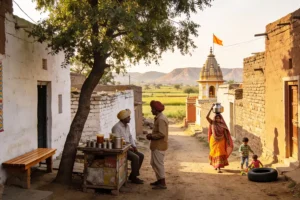 Hidden Villages of Rajasthan: Offbeat Rural Experiences & Village Travel Guide
Hidden Villages of Rajasthan: Offbeat Rural Stays, Homestays & Authentic Village Life.
-
Amer Fort Boating 2026 Guide: Maota Lake Tickets & Timings
Discover Amer Fort’s new Maota Lake boating, updated 2026 ticket rates, timings, safety rules and best visiting months.
-
Luxury Rajasthan Tour with Oberoi, Taj & Leela Hotels
Experience royal Rajasthan in comfort with Oberoi, Taj and Leela luxury palace stays.
-
Luxury Tempo Traveller & Van Hire in India 2026 – Rates, Features & Booking
Enjoy luxury van hire in India for safe, comfortable family and group travel.
-
Top 10 Vehicle Hire Companies in India for Tourists
Discover the top 10 vehicle hire companies in India offering safe, comfortable tourist travel.
-
Delhi Agra Jaipur Tour by Luxury Car and Private Driver
Enjoy a Delhi Agra Jaipur tour with a luxury car, private driver and flexibility.
-
Luxury Car and Driver for Comfortable Rajasthan Tour
Explore Rajasthan in comfort with a luxury car, private driver and flexible custom tour.
-
Jaisalmer Travel Guide for Foreign Tourists: Best Time, Desert Tours & Tips
Plan your Jaisalmer trip with ideal seasons, desert tour packages and essential foreigner tips.
-
Hidden Villages of Rajasthan: Offbeat Rural Experiences & Village Travel Guide
Hidden Villages of Rajasthan: Offbeat Rural Stays, Homestays & Authentic Village Life.