2-Week North India Itineraries: Best Routes to Explore North India
How to Use These 2-Week North India Routes
Planning a 2-week trip to North India can feel overwhelming at first. You might want to see Delhi, the Taj Mahal, Rajasthan’s forts, the Himalayas and spiritual cities like Varanasi or Amritsar, but trying to squeeze everything into 14 days is almost impossible. The key is to choose a clear route that matches your priorities and then travel at a pace that lets you actually enjoy each place instead of just ticking boxes.
The itineraries below are designed as realistic 2-week North India routes based on common travel patterns, sensible connections and current trends. Each one focuses on a particular theme: classic highlights, spirituality, mountains, deserts or a combination of these. You can follow them almost exactly, or use them as a flexible starting point and customise with trains, internal flights or a private car and driver.
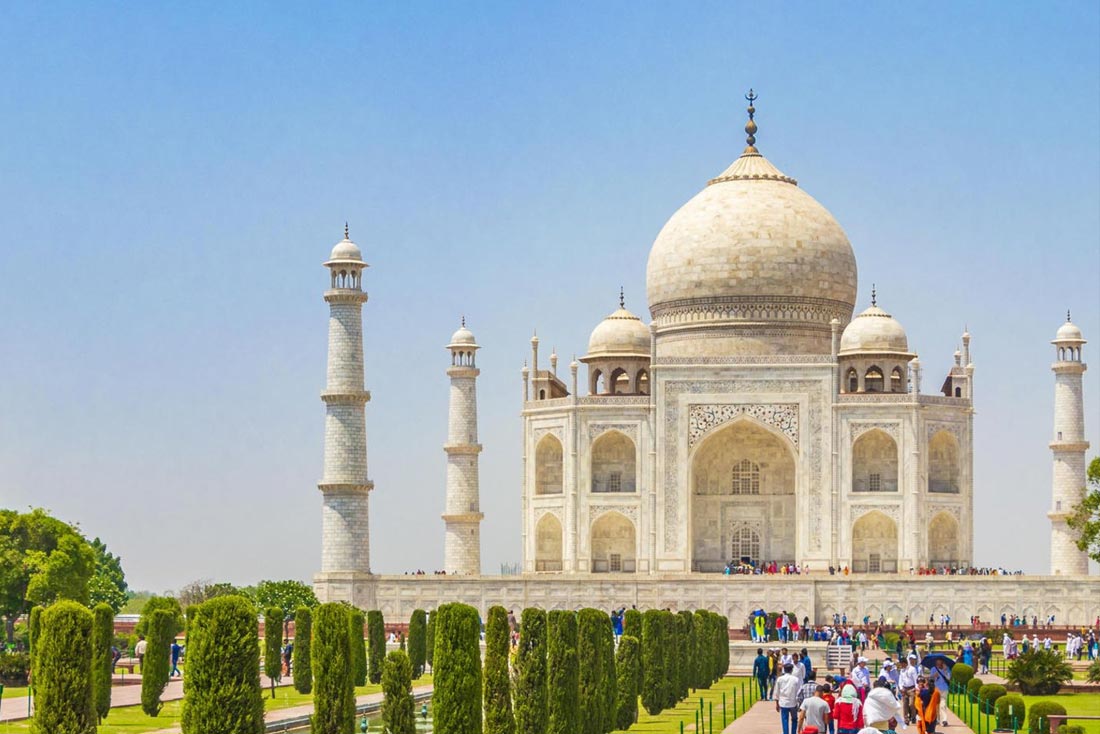
Route 1: Golden Triangle and Rajasthan (Delhi – Agra – Jaipur – Udaipur)
This is the classic North India route for first-time visitors who want a strong mix of famous landmarks, colourful markets and relaxed lake views. You begin in Delhi, continue to Agra for sunrise at the Taj Mahal, then head into Rajasthan’s royal cities of Jaipur and Udaipur.
In Delhi you can spend your days exploring the Red Fort, Jama Masjid, Chandni Chowk, India Gate and the broad avenues of New Delhi. Between heritage sites, there is time to sample street food, café-hop or wander through modern markets. Agra then gives you the Taj Mahal at sunrise or sunset, Agra Fort and, for those who like historic detours, a stop at Fatehpur Sikri on the way into Rajasthan. Jaipur, the Pink City, adds Amber Fort, City Palace, Hawa Mahal and buzzing bazaars. Finally, Udaipur slows the pace with its lakeside palaces, narrow streets, boat rides on Lake Pichola and peaceful evening temple aartis.
Ideal for: first-time travellers, couples, families
Best time: October to March for comfortable weather; April and early May are hotter but manageable with air-conditioned transport and midday breaks.
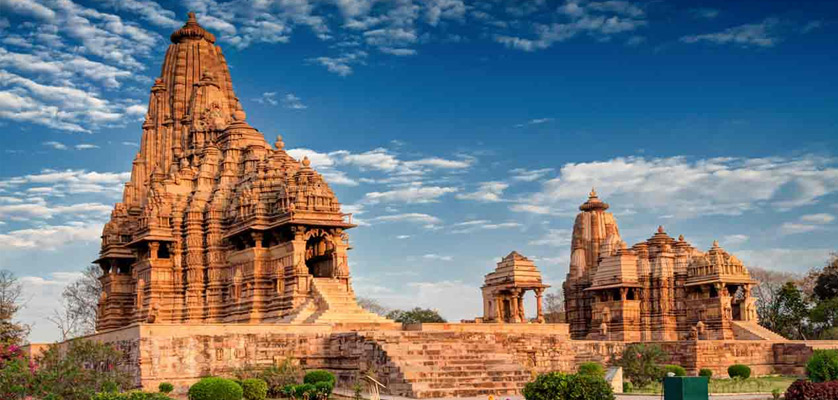
Route 2: Spiritual North India and Temple Heritage (Varanasi – Khajuraho – Orchha – Agra – Delhi)
This itinerary is built around sacred cities, temple architecture and quieter heritage towns. Start in Varanasi, one of the world’s oldest continuously inhabited cities, where sunrise boat rides, evening Ganga Aarti and the maze of lanes around the ghats immerse you in Hindu rituals and riverfront life.
From Varanasi, travel to Khajuraho, home to UNESCO-listed temple groups famous for their intricate stone carvings that blend mythology, spirituality and scenes from everyday life. The next stop is Orchha, a smaller riverside town where palace ruins, cenotaphs and temples sit above the Betwa River, giving you space to slow down after busier cities. Your final days in Agra and Delhi round out the route with the Taj Mahal, Agra Fort and the capital’s combination of old streets and modern neighbourhoods.
Ideal for: culture and spirituality seekers, photographers, travellers interested in temple art
Best time: October to March, when temperatures are kinder for long walks, ghats and temple visits.
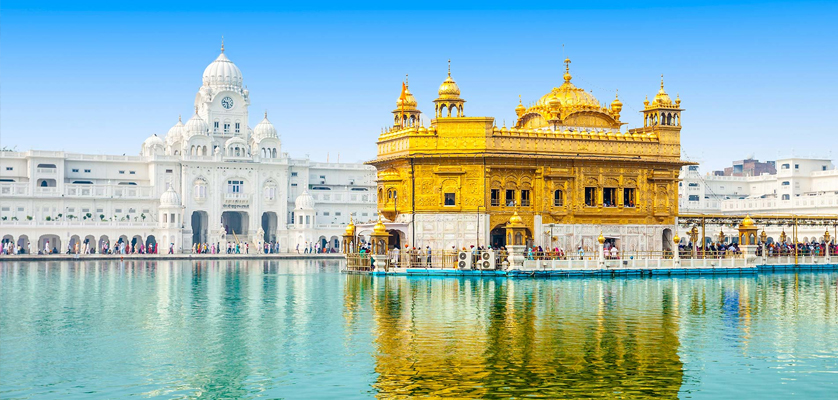
Route 3: Himalayan Towns and Sacred Cities (Delhi – Rishikesh – Dharamshala – Amritsar – Shimla)
If you are drawn to mountain air, yoga and Tibetan culture, this 2-week loop focuses on the Himalayan foothills and Sikh heritage. From Delhi, head to Rishikesh on the banks of the Ganges. Here you can join yoga sessions, walk over suspension bridges like Lakshman Jhula and Ram Jhula, and sit quietly at evening aarti ceremonies by the river.
Next, travel to Dharamshala and McLeod Ganj, home of the Tibetan government-in-exile, monasteries and viewpoints overlooking the Dhauladhar range. After a few days of walks and monastery visits, continue to Amritsar to see the Golden Temple, experience the Wagah border ceremony and try rich Punjabi food. End the trip in Shimla, the former British summer capital, where pine-covered hills, colonial-era buildings and the Ridge offer a different vibe before you return to Delhi.
Ideal for: travellers seeking nature, yoga, Tibetan culture and Sikh heritage
Best time: March to June and September to November; winters can be very cold in hill stations and some high areas may see snow.
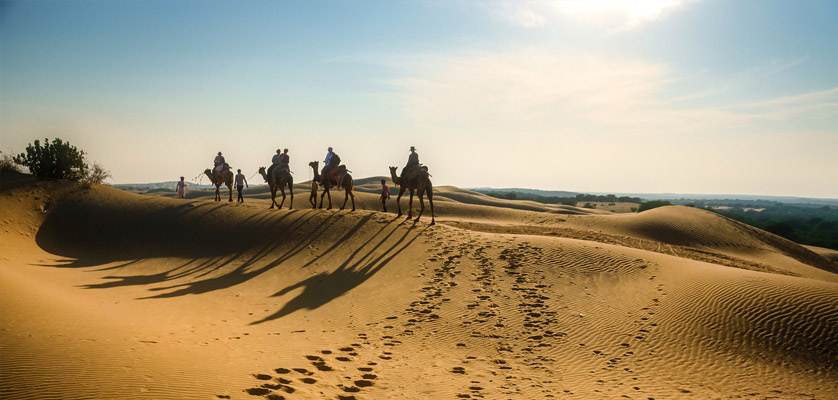
Route 4: Rajasthan Deserts and Forts (Delhi – Jaipur – Jodhpur – Jaisalmer – Bikaner)
This 2-week route is a dream for travellers who imagine sand dunes, palace hotels and towering hill forts. From Delhi, travel to Jaipur for classic sights like Amber Fort, City Palace, Hawa Mahal and lively markets full of textiles and jewellery. Next, move to Jodhpur, the Blue City, where Mehrangarh Fort stands high above a sea of blue houses and the old quarter’s lanes are packed with local life.
Continue west to Jaisalmer, the Golden City, rising dramatically from the Thar Desert. Here you can explore Jaisalmer Fort, visit old havelis and head out to the dunes for a camel or jeep safari, often with an overnight desert camp under clear skies. Finish in Bikaner, known for Junagarh Fort, old merchant mansions and camel breeding farms, before looping back toward Delhi or on to another region. This route is rich in architecture, folk music, storytelling and desert sunsets.
Ideal for: architecture lovers, photographers, travellers who enjoy forts, palaces and desert experiences
Best time: October to March; late spring and early summer can be extremely hot in the desert.
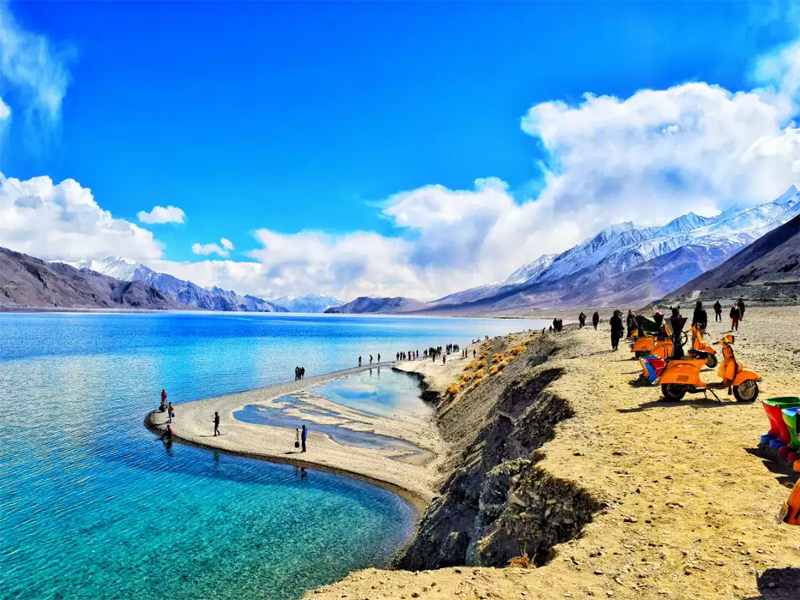
Route 5: Ladakh Adventure (Delhi – Leh – Nubra Valley – Pangong Lake)
For high-altitude landscapes, monasteries and stark mountain scenery, a Ladakh-focused route can be the most memorable way to spend two weeks. Fly from Delhi to Leh to skip very long road journeys and give yourself at least two days to acclimatise before doing anything strenuous. Use this time to explore Leh’s markets, Shanti Stupa, nearby monasteries like Thiksey and Hemis, and viewpoints such as the Indus–Zanskar confluence.
Once you are comfortable with the altitude, cross the high passes into Nubra Valley, where dunes, villages and double-humped Bactrian camels create surreal views. From Nubra, continue to Pangong Lake, famous for its deep blue water and dramatic mountains along the shore. Because roads, permits and weather conditions in Ladakh can change, it is smart to plan this route with current local advice and leave some flexibility for rest days or delays.
Ideal for: adventure travellers, landscape photographers, repeat visitors to India
Best time: roughly May to September, when high passes and most guesthouses are open.
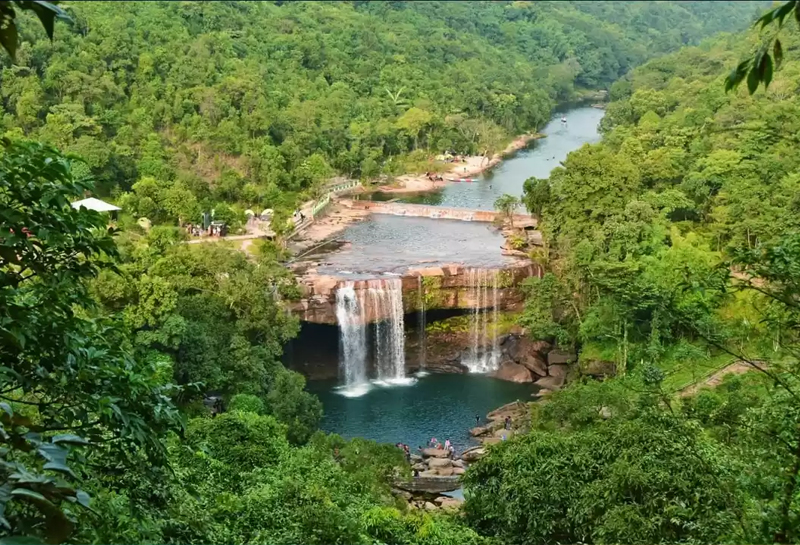
Route 6: Varanasi and Northeast Flavours (Delhi – Varanasi – Kaziranga – Shillong)
This itinerary combines the spiritual intensity of the Ganges with wildlife and soft green hills in the Northeast. After a short stay in Delhi, head to Varanasi for sunrise boat rides on the river, evening Ganga Aarti and slow explorations of the old city’s narrow alleys and temples. Many travellers also add a half-day trip to Sarnath, an important Buddhist site nearby.
From Varanasi, fly east to Assam for a few days at Kaziranga National Park, famous for its population of one-horned rhinoceros as well as elephants, birds and other wildlife. Jeep safaris and village visits help you understand both the park and local life. Then continue to Shillong in Meghalaya, a hill town known for its lakes, waterfalls and café culture. With a little more time, you can include Cherrapunji and some of the state’s living root bridges as day trips or overnights from Shillong.
Ideal for: travellers who want to combine spirituality with wildlife and less-visited hill regions
Best time: November to April for Kaziranga (when the park is open) and generally drier sightseeing in Meghalaya.
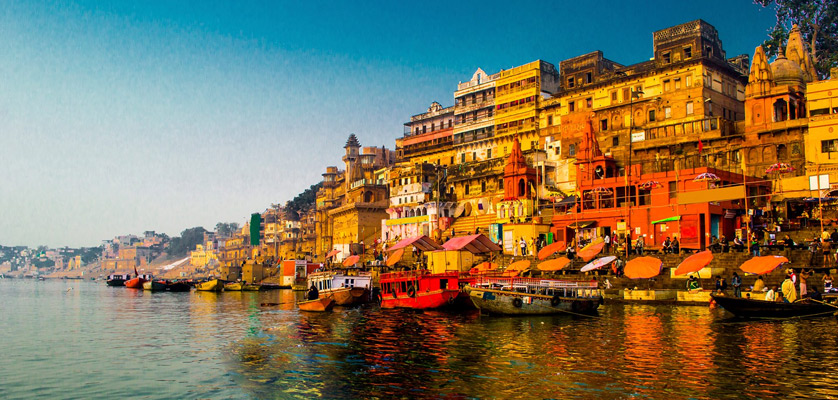
Route 7: Temples, Rivers and Nawabi Heritage (Delhi – Khajuraho – Varanasi – Prayagraj – Lucknow – Agra)
This route places a strong emphasis on temples, river culture and old Indo-Islamic architecture. Start in Delhi, then travel to Khajuraho to see its famous temples, where fine carvings portray deities, celestial beings and everyday scenes in remarkable detail. After a couple of days here, continue to Varanasi for sunrise on the Ganges, ghats, aarti ceremonies and a visit to Sarnath.
From Varanasi, move on to Prayagraj (Allahabad) to visit the Triveni Sangam, the confluence of three rivers that holds great religious importance. Afterwards, head to Lucknow, known for its nawabi culture, kebabs, grand Imambara complexes and graceful architecture. End your trip in Agra, giving yourself time for both the Taj Mahal and Agra Fort, plus some relaxed shopping and café stops, before returning to Delhi for your flight home.
Ideal for: travellers interested in religious history, river cities and Indo-Islamic heritage
Best time: October to March, when temperatures are comfortable for full days of city and temple exploration.
Sample 14-Day Structure for a North India Trip
The exact route you choose will shape your day-by-day plan, but most 2-week North India itineraries follow a similar rhythm: arrival and recovery, 2–3 day city blocks, and a few longer journeys in between. The table below shows a generic pattern you can adapt to any of the routes above.
| Day | Base | Focus | Notes |
|---|---|---|---|
| 1 | Delhi | Arrival and light sightseeing | Recover from journey, short city walk or local market |
| 2–3 | Delhi | Full city exploration | Old Delhi + New Delhi highlights |
| 4–5 | Second stop | Key sights and local experiences | Agra, Varanasi or first hill station depending on route |
| 6–9 | Third / fourth stop | Deeper exploration | Rajasthan cities, Himalayan towns or temple regions |
| 10–12 | Next region | New landscapes or culture | Deserts, wildlife parks, Ladakh or Northeast hills |
| 13–14 | Final base | Last sights and departure | Return to Delhi or another hub for flights |
Typical Costs for 2 Weeks in North India
Daily budgets vary by route and comfort level, but a rough guide for 14 days in North India is shown below. These estimates exclude international flights and high-end splurges, but they help you plan the minimum spend for accommodation, food, local transport and basic sightseeing.
| Travel Style | Approx. Daily Budget (INR) | 2-Week Estimate (INR) | What It Usually Includes |
|---|---|---|---|
| Budget | ₹2,500 – ₹4,000 | ₹35,000 – ₹56,000 | Hostels/guesthouses, trains/buses, street food, basic tickets |
| Mid-range | ₹4,500 – ₹7,000 | ₹63,000 – ₹98,000 | 3-star hotels, mix of trains and private cars, restaurant meals, guides in key cities |
| Comfort / Luxury | ₹8,000 – ₹15,000+ | ₹1,12,000 – ₹2,10,000+ | 4–5 star or heritage stays, private car and driver, internal flights, curated experiences |
Best Time to Visit North India and Practical Tips
In general, October to March is the most popular window for North India, thanks to cooler temperatures and clearer skies. November and February are especially pleasant in cities and deserts, while December and January can be colder with some fog in the plains. Ladakh and some high Himalayan routes work best from late spring to early autumn, when roads and passes are open. Wildlife parks like Kaziranga and many tiger reserves close for part of the monsoon, so always check park calendars if your itinerary includes safaris.
Pack according to your exact route: layers for hill stations and Ladakh, lighter breathable clothing for Rajasthan and plains cities, and modest outfits that cover shoulders and knees for temples and gurdwaras. Comfortable walking shoes, a basic first-aid kit, photocopies of key documents, a universal adapter and offline maps or screenshots can make daily travel simpler. Booking main trains, internal flights and popular hotels in advance is highly recommended in peak season.
Extra Tips and Hidden Details
Beyond the big monuments and famous viewpoints, some of the best North India memories come from smaller moments: a quiet chai stall on a cold morning in the hills, a sunset from a little-visited fort wall, or a conversation with a local shopkeeper in a side street market. Leaving small gaps in your schedule – even just a free evening every few days – gives you space for these unplanned discoveries.
You can also enrich your routes by adding short experiences that match your interests: a cooking class in Jaipur, a walking tour in Old Delhi, a photography walk in Varanasi, or a village visit in Rajasthan. These don’t take much time but help you connect more deeply with the places you pass through.
Frequently Asked Questions
Is two weeks enough to see North India?
Two weeks is enough to follow one of the focused routes above and see several very different sides of North India. It is not enough to see everything, so choosing a clear theme – such as “Golden Triangle plus Rajasthan” or “Himalayas and Amritsar” – makes the trip far more enjoyable.
Should I travel by train, flight or private car?
For medium and long distances, a mix of trains and internal flights can save time and money. For shorter hops and flexible sightseeing days, a private car and driver works very well, especially in Rajasthan and around Delhi. Many travellers use a combination of all three.
Is North India safe for solo travellers?
Thousands of solo travellers visit North India every year. As with any destination, it is important to follow normal precautions: choose reputable accommodation, avoid very isolated areas at night, keep valuables secure and trust your instincts. Many solo visitors also book day tours in each city to explore with local guides.
How far in advance should I book hotels and trains?
For travel in the busy months from November to February, it is wise to book popular trains and mid-range or better hotels several weeks to a few months ahead, especially in places like Agra, Jaipur, Varanasi and major hill stations. In shoulder seasons, there is usually more flexibility.
Can I add a tiger safari to a 2-week North India trip?
Yes, many travellers add one or two nights near a national park such as Ranthambore, Corbett or a central India reserve to a Rajasthan or Golden Triangle route. This usually means dropping one city or shortening time in others to keep the trip to 14 days.
Do I need a guide in every city?
You don’t have to hire a guide everywhere, but using local guides in historically rich places like Delhi, Agra, Jaipur, Varanasi and Lucknow can add a lot of context and save you time. In some hill stations, you may prefer to explore on your own with occasional short walks or tours.
Plan Your 2-Week North India Itinerary with a Private Car and Driver
Two weeks in North India can pass surprisingly quickly, but with a clear route and reliable transport you can experience a wide range of history, landscapes and cultures without feeling constantly rushed. A private car and driver gives you flexible photo stops, easier luggage handling and smoother transfers between airports, railway stations and hotels – especially useful for families, groups of friends or anyone who prefers door-to-door comfort.
Whether you are drawn to the Golden Triangle, Rajasthan’s deserts, Ladakh’s high passes, Himalayan towns or the ghats of Varanasi, choosing one of these themed 2-week routes is a strong first step. From there, you can fine-tune the details and build a journey that matches your pace, budget and interests – turning your time in North India into a rich mix of forts, palaces, rivers, hill stations, wildlife and everyday street life.
Recent Posts
 Amer Fort Boating 2026 Guide: Maota Lake Tickets & Timings
Discover Amer Fort’s new Maota Lake boating, updated 2026 ticket rates, timings, safety rules and best visiting months.
 Luxury Rajasthan Tour with Oberoi, Taj & Leela Hotels
Experience royal Rajasthan in comfort with Oberoi, Taj and Leela luxury palace stays.
 Luxury Tempo Traveller & Van Hire in India 2026 – Rates, Features & Booking
Enjoy luxury van hire in India for safe, comfortable family and group travel.
 Top 10 Vehicle Hire Companies in India for Tourists
Discover the top 10 vehicle hire companies in India offering safe, comfortable tourist travel.
 Delhi Agra Jaipur Tour by Luxury Car and Private Driver
Enjoy a Delhi Agra Jaipur tour with a luxury car, private driver and flexibility.
 Luxury Car and Driver for Comfortable Rajasthan Tour
Explore Rajasthan in comfort with a luxury car, private driver and flexible custom tour.
 Jaisalmer Travel Guide for Foreign Tourists: Best Time, Desert Tours & Tips
Plan your Jaisalmer trip with ideal seasons, desert tour packages and essential foreigner tips.
 Hidden Villages of Rajasthan: Offbeat Rural Experiences & Village Travel Guide
Hidden Villages of Rajasthan: Offbeat Rural Stays, Homestays & Authentic Village Life.
-
Amer Fort Boating 2026 Guide: Maota Lake Tickets & Timings
Discover Amer Fort’s new Maota Lake boating, updated 2026 ticket rates, timings, safety rules and best visiting months.
-
Luxury Rajasthan Tour with Oberoi, Taj & Leela Hotels
Experience royal Rajasthan in comfort with Oberoi, Taj and Leela luxury palace stays.
-
Luxury Tempo Traveller & Van Hire in India 2026 – Rates, Features & Booking
Enjoy luxury van hire in India for safe, comfortable family and group travel.
-
Top 10 Vehicle Hire Companies in India for Tourists
Discover the top 10 vehicle hire companies in India offering safe, comfortable tourist travel.
-
Delhi Agra Jaipur Tour by Luxury Car and Private Driver
Enjoy a Delhi Agra Jaipur tour with a luxury car, private driver and flexibility.
-
Luxury Car and Driver for Comfortable Rajasthan Tour
Explore Rajasthan in comfort with a luxury car, private driver and flexible custom tour.
-
Jaisalmer Travel Guide for Foreign Tourists: Best Time, Desert Tours & Tips
Plan your Jaisalmer trip with ideal seasons, desert tour packages and essential foreigner tips.
-
Hidden Villages of Rajasthan: Offbeat Rural Experiences & Village Travel Guide
Hidden Villages of Rajasthan: Offbeat Rural Stays, Homestays & Authentic Village Life.