Jaipur’s Top 12 Stunning Photography Locations for Perfect Pictures

A visual preview of the photographic wonders awaiting you in the Pink City
Jaipur, the vibrant capital of Rajasthan, India, is a photographer’s paradise, renowned for its rich history and stunning architecture. This city offers a range of picturesque locations that beautifully capture its cultural and historical essence.
From the delicate latticework of the Palace of Winds to the grandiose views from Amber Fort, Jaipur’s landmarks provide diverse and striking subjects for photography. The City Palace stands out with its blend of Mughal and Rajput styles, offering a regal backdrop. Jal Mahal, partially submerged in the serene waters of Man Sagar Lake, creates a tranquil and picturesque scene.
Other captivating spots include the astronomical marvel of Jantar Mantar, the panoramic vistas from Nahargarh Fort, and the formidable architecture of Jaigarh Fort. Each location presents unique opportunities to capture the essence of Jaipur, whether it’s the play of light and shadow or the intricate architectural details. Jaipur’s vibrant colors, historical richness, and architectural splendor make it an exceptional destination for stunning and memorable photographs.
Capturing Jaipur's Majesty: A Photographic Journey Through its Iconic Palaces, Forts, and Gardens
1. Hawa Mahal (Palace of Winds)

Hawa Mahal: A Pink Marvel of Rajasthan's Architectural Grandeur and Historical Splendor

Hawa Mahal: A Photographic Symphony of Intricate Architecture and Timeless Elegance in Jaipur
Hawa Mahal, often referred to as the Palace of Winds, is one of Jaipur's most iconic landmarks, renowned for its stunning architectural beauty. Constructed in 1799 by Maharaja Sawai Pratap Singh, this exquisite palace is crafted from pink sandstone, reflecting the rich heritage and craftsmanship of Rajasthan. The palace is famous for its unique façade, adorned with 953 intricately designed windows or jharokhas. These windows were originally intended to allow the royal women to observe street festivals and daily life without being seen, maintaining their privacy while enjoying the bustling scenes below.
The palace's facade features a honeycomb-like structure, with delicate latticework that creates beautiful patterns of light and shadow. This architectural marvel, with its vibrant hues and detailed craftsmanship, offers fantastic photography opportunities, especially during sunrise and sunset when the changing light enhances its colors and textures. The combination of historical significance and architectural splendor makes Hawa Mahal a must-visit for photographers and history enthusiasts alike.
Photography Tips for Hawa Mahal:
- Best Time: Sunrise (6:00-7:30 AM) for soft golden light on the facade
- Key Angles: Shoot from across the street for the full facade, from the Wind View Café rooftop for an elevated perspective, and close-ups of the jharokhas
- Gear Recommendation: Wide-angle lens (16-35mm) for the full structure, telephoto (70-200mm) for compressing details
- Local Insight: Visit on a weekday morning to avoid crowds that obscure the lower arches
- Creative Idea: Use a polarizing filter to enhance the pink sandstone against the blue sky
2. Amber Fort

Amber Fort: A Visual Odyssey Through Time, Capturing the Grandeur of Rajasthan's Crown Jewel

Amber Fort Photography: Capturing the Majestic Splendor and Timeless Beauty of Rajasthan's Iconic Landmark
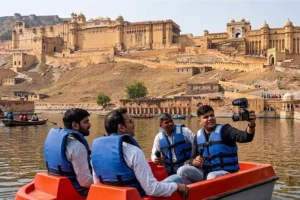
Amber Fort, perched majestically on a hill overlooking Jaipur, is a quintessential example of Rajput architecture and grandeur. This historic fort, constructed in the 16th century, offers breathtaking panoramic views of the surrounding landscape, making it an ideal location for capturing stunning photographs. The fort's design is a harmonious blend of Hindu and Mughal architectural styles, featuring intricate carvings, vibrant frescoes, and expansive courtyards.
The reflective waters of Maota Lake, situated at the base of the fort, enhance its picturesque setting, especially during sunrise and sunset when the light casts a warm glow over the fort's pink and yellow sandstone walls. Amber Fort's elaborate interiors, including the opulent Sheesh Mahal (Mirror Palace), ornate gates, and beautiful gardens, offer diverse photographic opportunities. The fort's imposing structure and scenic surroundings make it a perfect destination for photographers seeking to capture both historical and natural beauty.
Photography Tips for Amber Fort:
- Best Time: Late afternoon (3:00-5:00 PM) for exploring interiors, sunset for exterior shots
- Must-Capture Spots: Sheesh Mahal (Mirror Palace), Ganesh Pol gate, Diwan-i-Aam hall, and views from the ramparts
- Tripod Note: Allowed in most areas except the Sheesh Mahal
- Local Transport: Consider the jeep service uphill instead of elephants for ethical photography
- Pro Tip: The fort is illuminated every evening, offering magical blue hour photography opportunities
3. City Palace

Elephant Village Tour Photography: A Captivating Glimpse into the Charms of Rural Elegance
The City Palace in Jaipur stands as a magnificent testament to the grandeur of Rajasthan's royal heritage, showcasing a stunning blend of Mughal and Rajput architectural styles. Situated in the heart of Jaipur, this sprawling royal complex is renowned for its intricate design and historical significance. The palace's ornate gates, majestic courtyards, and the opulent Chandra Mahal exemplify the artistry and craftsmanship of the bygone era.
The City Palace's architecture is a seamless fusion of Mughal and Rajput influences, with elaborate carvings, vibrant frescoes, and intricate latticework adorning its walls. The Chandra Mahal, the palace's central highlight, boasts a rich palette of colors and luxurious detailing, offering a striking contrast against the more subdued hues of the outer structures.
Photographers will find endless opportunities to capture the palace's regal beauty, from the grand entrances and serene courtyards to the richly decorated interiors. The play of light on the palace's vibrant colors and ornate patterns creates captivating images, while the historical ambiance adds depth and context to each shot. The City Palace not only reflects Jaipur's rich history but also provides a visually stunning backdrop for photography, making it a must-visit destination for capturing the essence of Rajasthan's royal splendor.
Photography Tips for City Palace:
- Best Time: Mid-morning (9:00-11:00 AM) when sunlight enters the courtyards
- Architectural Highlights: The four gates representing seasons, Mubarak Mahal textiles, and Pritam Niwas Chowk
- Portrait Opportunity: The palace guards in traditional attire often permit photographs
- Ticket Info: Basic ticket covers courtyards; premium tickets include more interior access
- Composition Tip: Use the archways to frame your shots of the palace details
4. Jal Mahal (Water Palace)
Jal Mahal, also known as the Water Palace, is a captivating architectural gem situated gracefully in the middle of Man Sagar Lake. This unique palace, partially submerged in the lake's tranquil waters, offers a mesmerizing reflection that enhances its ethereal beauty. The palace's light sandstone facade contrasts beautifully with the surrounding lake, creating a picturesque scene that is particularly enchanting during sunrise and sunset.
During these golden hours, the soft, diffused light casts a magical glow over the palace and its reflections, transforming the scene into a serene and almost otherworldly landscape. The backdrop of the Aravalli Hills further adds to the grandeur of the setting, making it a perfect spot for tranquil and reflective photography.
The serene atmosphere and the palace's distinctive location provide numerous opportunities to capture stunning compositions. Photographers can focus on the intricate architectural details of the palace, the harmonious reflection in the lake, or the changing colors of the sky at dawn and dusk. Jal Mahal's peaceful ambiance and its picturesque setting offer a unique and beautiful perspective on Jaipur’s regal heritage.
Photography Tips for Jal Mahal:
- Best Time: Sunrise for still water reflections, sunset for golden hues
- Viewing Points: The main road offers classic views; walk along the lake for different angles
- Gear Recommendation: Telephoto lens (200mm+) to compress the palace against the hills
- Seasonal Note: Winter mornings often have mist creating a dreamy atmosphere
- Bird Photography: The lake attracts migratory birds in winter months
5. Jantar Mantar
Jantar Mantar, a UNESCO World Heritage Site, stands as a remarkable testament to the advancements in astronomy and architecture of the 18th century. Located in the heart of Jaipur, this astronomical observatory is home to a collection of large and intricately designed instruments that were used to observe celestial events and measure time with remarkable precision.
The site features a range of unique structures, including the massive Samrat Yantra sundial, which is one of the largest of its kind in the world. Each instrument, with its grand scale and precise geometrical design, presents a visually striking subject for photography. The sheer size and intricate detailing of these instruments create compelling photographic compositions, capturing the blend of art and science.
Jantar Mantar’s architectural forms, with their bold shapes and intricate patterns, not only highlight historical advancements in astronomy but also provide an interesting contrast against Jaipur's skyline. The site’s historical significance and architectural uniqueness make it an intriguing and visually engaging destination for photographers looking to capture the essence of India's scientific heritage.
Photography Tips for Jantar Mantar:
- Best Time: Midday (11:00 AM-2:00 PM) when shadows are shortest and geometric forms are clear
- Abstract Opportunities: Perfect for minimalist and architectural abstract photography
- Leading Lines: Use the sundial's massive ramp as a powerful leading line in compositions
- Human Element: Include people to show the scale of these massive instruments
- Weather Consideration: Overcast days reduce harsh shadows but sunny days create more dramatic contrasts
6. Nahargarh Fort
Perched on the rugged Aravalli Hills, Nahargarh Fort offers one of the most breathtaking panoramic views of Jaipur, famously known as the Pink City. Built in the 18th century, this fort was initially designed as a retreat for the royal family. Its elevated location provides expansive vistas over the sprawling cityscape and the surrounding natural landscape, making it an ideal spot for capturing stunning photographs.
The fort's architecture, characterized by its blend of Indian and European styles, adds to its visual appeal. The ornate detailing, decorative interiors, and the historic charm of Nahargarh Fort create a captivating backdrop for both architectural and landscape photography. From the fort's terraces, you can enjoy unobstructed views of Jaipur, particularly striking during the golden hours of sunrise and sunset.
The fort's unique combination of historical significance and natural beauty offers diverse photographic opportunities. Whether you’re interested in capturing the intricate architectural elements or the sweeping vistas of the Pink City, Nahargarh Fort provides an unforgettable setting for showcasing Jaipur’s majestic charm.
Photography Tips for Nahargarh Fort:
- Best Time: Sunset (5:00-7:00 PM depending on season) for panoramic city views
- Vantage Points: The western wall, Padao restaurant terrace, and the fort's highest bastion
- Night Photography: The fort is open until 10:00 PM for night views of the illuminated city
- Travel Tip: Auto-rickshaws can take you uphill; negotiate round-trip including waiting time
- Blue Hour Magic: Stay past sunset to capture the transition from golden hour to city lights
7. Jaigarh Fort
Jaigarh Fort, strategically perched on the same hill as Amber Fort, is renowned for its formidable architecture and historical significance. This imposing fortress, built in the 18th century, is famously home to the world's largest cannon on wheels, the Jaivana Cannon, which adds a unique touch to its architectural grandeur. The fort's robust and resilient structure, combined with its rich history, makes it a compelling subject for photography.
The fort offers sweeping panoramic views of the surrounding landscape, including the picturesque Amber Fort and the sprawling city of Jaipur. The expansive ramparts and bastions of Jaigarh Fort provide an excellent vantage point for capturing breathtaking landscapes and intricate architectural details. The rugged and imposing design of the fort, with its large courtyards, defensive walls, and watchtowers, contrasts beautifully with the lush green surroundings and distant hills.
Photographing Jaigarh Fort allows you to explore both its impressive architectural features and the expansive vistas it commands. Whether you’re focused on the historical elements or the scenic views from the fort’s heights, Jaigarh Fort presents a captivating and visually striking subject.
Photography Tips for Jaigarh Fort:
- Best Time: Morning (8:00-11:00 AM) for exploring the fort complex
- Unique Feature: The Jaivana Cannon - use wide-angle to capture its massive scale
- Connected Visit: Often combined with Amber Fort; consider the subterranean passage connecting them
- View of Amber: Excellent elevated views of Amber Fort from the ramparts
- Water System: Photograph the ancient water harvesting and storage systems still visible
8. Albert Hall Museum
The Albert Hall Museum, located in the heart of Jaipur, is a quintessential example of Indo-Saracenic architecture, reflecting a blend of Indian and European styles. This grand structure, built in the 19th century, is renowned for its intricate design, featuring ornate carvings, detailed arches, and a captivating facade that showcases the opulence of the era. The museum is surrounded by beautifully landscaped gardens that enhance its regal presence and provide a serene backdrop for photography.
The museum’s architectural details, including its elegant domes and decorative elements, are complemented by the tranquil garden environment. The lush greenery and well-maintained lawns create a picturesque setting that contrasts beautifully with the museum’s historic architecture. This combination of architectural splendor and natural beauty offers numerous angles for capturing stunning photographs.
Whether you’re focusing on the museum’s elaborate design or the serene surroundings, the Albert Hall Museum provides a harmonious blend of historical and aesthetic charm. Its grandeur and the peaceful garden setting together create a captivating subject for photographers seeking to capture the essence of Jaipur’s architectural heritage.
Photography Tips for Albert Hall Museum:
- Best Time: Evening (6:30-8:00 PM) when the building is beautifully illuminated
- Garden Composition: Use the gardens as foreground interest in your shots
- Interior Photography: Permitted without flash; high ISO capable cameras recommended
- Reflection Shots: The fountain in front creates beautiful reflections when operational
- Night Sessions: The museum hosts night viewing sessions with special lighting
9. Sisodia Rani Garden and Palace
Sisodia Rani Garden and Palace, located in Jaipur, is a tranquil oasis adorned with exquisite murals that depict the life of Lord Krishna. This serene garden, established in the 19th century, combines beautiful landscaping with historical architecture, offering a picturesque setting that is ideal for photography.
The gardens are meticulously designed, featuring lush greenery, flowing water channels, and vibrant flowerbeds that create a serene and visually captivating environment. The palace itself, with its elegant architecture and intricate detailing, enhances the garden's aesthetic appeal. The murals on the palace walls add a colorful and historical dimension, illustrating various scenes from Lord Krishna’s life with vivid artistry.
Photographers will find ample opportunities to capture the harmonious blend of nature and history. The combination of the garden’s lush landscapes, the palace’s intricate designs, and the vibrant murals provides a rich palette for stunning and evocative photographs. Sisodia Rani Garden and Palace offers a unique glimpse into Jaipur's royal past while presenting a peaceful and enchanting backdrop for capturing memorable images.
Photography Tips for Sisodia Rani Garden:
- Best Time: Early morning (7:00-9:00 AM) for soft light and fewer visitors
- Seasonal Beauty: Spring (February-March) when flowers are in full bloom
- Mural Details: Bring a macro lens for capturing the intricate painted details
- Water Features: The cascading water channels create beautiful leading lines
- Portrait Setting: Excellent location for traditional Rajasthani portrait photography
10. Step Wells (Panna Meena Ka Kund)
Step wells, like Panna Meena Ka Kund, are architectural marvels that combine functionality with aesthetic appeal. These ancient structures, designed primarily for water conservation and to offer a cool respite from the heat, feature intricately carved steps that descend to the water level. The symmetrical and geometric patterns of the steps create visually striking compositions that are a delight for photographers.
Panna Meena Ka Kund, located in Jaipur, is particularly notable for its elaborate design and historical significance. The step well's vibrant, geometric architecture forms a series of cascading terraces that create a dramatic interplay of light and shadow. This unique design not only served practical purposes but also reflects the rich cultural heritage of the region.
Photographers will find the step well's structured beauty and historical context provide compelling subjects for their images. The contrast between the well's intricate patterns and its utilitarian function offers a fascinating perspective, making it an excellent location for capturing both the grandeur and the simplicity of historical water conservation methods.
Photography Tips for Step Wells:
- Best Time: Midday (11:00 AM-1:00 PM) when sun is overhead creating minimal shadows on steps
- Geometric Patterns: Perfect for abstract and symmetrical compositions
- Elevated View: If possible, get permission for an elevated view to capture the full pattern
- Human Element: Local women sometimes use the well, adding cultural context (always ask permission)
- Lens Choice: Wide-angle to capture the expanse, telephoto to isolate geometric patterns
11. Gaitor Ki Chhatriyan

Gator Ki Chatriya: Exploring the Vibrant Beauty and Cultural Heritage of Jaipur's Architectural Marvel

Gatore Ki Chhatriyan: Unveiling the Enchanting Elegance and Heritage of this Exquisite Canopy
Gaitor Ki Chhatriyan in Jaipur is a magnificent historical site and the royal cremation ground of the Kachwaha rulers. Known for its intricately carved cenotaphs (chhatris), marble domes, and detailed frescoes, it highlights the grandeur of Rajasthani architecture and Mughal-inspired design. Visitors can explore the beautifully preserved tombs of Jaipur’s kings, gaining insight into the city’s royal past.
The serene location, surrounded by lush gardens and sandstone structures, makes Gaitor Ki Chhatriyan a must-visit for history enthusiasts, photographers, and travelers seeking heritage sites in Jaipur. Conveniently located near the city center, it offers a peaceful escape from the bustling streets. Ideal for those exploring Jaipur attractions, Rajasthan tourism, and the rich cultural legacy of India.
Photography Tips for Gaitor Ki Chhatriyan:
- Best Time: Late afternoon (4:00-6:00 PM) for warm light on marble cenotaphs
- Silhouette Opportunity: Position chhatris against the setting sun for dramatic silhouettes
- Details Galore: Macro lens recommended for intricate carvings and fresco details
- Respectful Photography: This is a royal memorial site; maintain decorum
- Combination Visit: Often visited with Nahargarh Fort which is nearby
12. Patrika Gate & Toran Dwar

Sunset Serenity in Jaipur: A Photographic Journey Through the Enchanting Colors of the Pink City
Patrika Gate
Patrika Gate in Jaipur is a vibrant and colorful landmark situated at the entrance of Jawahar Circle Garden, one of Asia's largest circular parks. Built to symbolize the grandeur and heritage of Rajasthan, the gate is a visual treat adorned with intricate carvings, vibrant murals, and traditional architecture that reflect the state's royal history. Each section of the gate tells a story of Rajasthan's culture, from music and dance to festivals and royalty.
Constructed by the Patrika Group, it also serves as a stunning backdrop for photography, often attracting tourists and locals alike. The vibrant pink hues, combined with detailed artwork, embody the essence of Jaipur, often called the Pink City. Patrika Gate is not just a gateway but a cultural tribute to Rajasthan’s rich legacy, offering visitors a visually captivating glimpse into its royal past and artistic brilliance.
Toran Dwar - Gateway of Rajasthan
Toran Dwar, located at Jawahar Circle in Jaipur, is a hidden gem for photography enthusiasts. Its vibrant colors, intricate designs, and traditional Rajasthani architecture make it a perfect backdrop for stunning shots. Whether you're capturing the beautifully carved arches or the detailed embellishments, Toran Dwar offers an excellent opportunity to play with light and shadow, especially during sunrise or sunset.
The lush greenery around adds to the aesthetics, providing a natural contrast to the vivid hues of the structure. For those keen on portrait or cultural photography, this spot is ideal, as it beautifully showcases the essence of Rajasthan's architectural grandeur.
Photography Tips for Patrika Gate & Toran Dwar:
- Best Time: Morning (8:00-10:00 AM) for even lighting on the colorful facades
- Color Management: These structures are extremely colorful; slightly overexpose to retain highlight detail
- Crowd Management: Visit on weekdays to avoid crowds of local photographers
- Details: Each panel tells a different story; capture individual sections
- Night Photography: Both gates are beautifully illuminated after dark
Special Photography Mentions
Elephant Photography (Ethical Considerations)
While elephant rides are traditionally associated with Amber Fort, ethical concerns have grown around this practice. For photographers interested in capturing elephants:
- Elefantastic: An ethical elephant sanctuary where you can photograph elephants in more natural settings
- Elephant Village: Educational visits that focus on elephant care rather than rides
- Ethical Guideline: Look for places where elephants are not forced to carry multiple riders or perform unnatural behaviors
- Best Practices: Maintain distance, use telephoto lenses, and avoid flash photography which can disturb the animals
Street Photography in Jaipur
Beyond the monuments, Jaipur's streets offer vibrant photographic opportunities:
- Bapu Bazaar & Johari Bazaar: Colorful markets with traditional wares
- Old City Lanes: Narrow streets with traditional architecture
- Local Festivals: Check dates for Gangaur, Teej, and Diwali for exceptional cultural photography
- Portrait Photography: Always ask permission before photographing people
Essential Photography & Travel Tips for Jaipur (2026 Edition)
Best Time to Visit Jaipur for Photography
- October to March: Pleasant weather with clear skies (ideal)
- Golden Hours: Sunrise (6:00-7:30 AM) and Sunset (5:30-6:45 PM) - varies by season
- Monsoon (July-September): Dramatic skies but challenging weather
- Summer (April-June): Extremely hot but fewer tourists
Photography Gear Recommendations
- Essential Lenses: Wide-angle (16-35mm), Standard zoom (24-70mm), Telephoto (70-200mm)
- Filters: Polarizing filter for reducing reflections and enhancing colors
- Tripod: Essential for low-light interiors and sunrise/sunset shots
- Cleaning Kit: Jaipur can be dusty; carry sensor cleaning tools
- Power Banks: Long days require backup power for cameras and phones
Cultural Sensitivity & Photography Etiquette
- Permission: Always ask before photographing people, especially women
- Religious Sites: Remove shoes, dress modestly, follow posted rules
- Monument Rules: No flash photography in many interiors; tripods often require special permit
- Drones: Strictly prohibited at all historical monuments
- Tipping: Small tip (₹50-100) if someone poses specifically for you
Practical Travel Information
- Getting Around: Auto-rickshaws (negotiate rates), taxis, or hire a driver for full-day photography
- Entry Fees: Most monuments have separate fees for Indians and foreigners
- Combined Tickets: Available for multiple monuments (saves money and time)
- Guides: Consider hiring a photography-knowledgeable guide for hidden spots
- Safety: Jaipur is generally safe, but be cautious with expensive gear in crowded areas
Frequently Asked Questions (FAQ)
What is the best time of day for photography in Jaipur?
The golden hours—shortly after sunrise and before sunset—offer the best light for most locations. However, some sites like Jantar Mantar are better at midday for geometric shadow play, while Hawa Mahal is magical at sunrise.
Do I need special permits for photography in Jaipur's monuments?
Standard tourist tickets cover casual photography with handheld cameras. Tripods, professional equipment, or commercial photography typically require special permits and additional fees. Always check at the ticket counter.
Which photography locations are best for sunrise vs sunset?
Sunrise: Hawa Mahal (east-facing facade), Jal Mahal (calm water reflections), Amber Fort (front illumination). Sunset: Nahargarh Fort (panoramic city views), Gaitor Ki Chhatriyan (silhouettes), Patrika Gate (evening light).
How do I handle crowds at popular photography spots?
Arrive early (at opening time), visit on weekdays, or use creative techniques like long exposures to blur crowds. Some locations have less-visited sections that offer similar photographic opportunities.
What should I wear for photography in Jaipur?
Comfortable walking shoes, light cotton clothes (covering shoulders and knees for temple visits), hat for sun protection, and neutral colors that won't reflect strongly in your shots or draw unnecessary attention.
Are photography tours available in Jaipur?
Yes, several operators offer photography-focused tours. Look for guides certified by the Rajasthan Tourism Department or with specific photography expertise. We also offer customized photography tours at Rajasthan Tour Driver.
How do I protect my camera gear from Jaipur's dust?
Use protective filters on lenses, carry sensor cleaning kits, use rain covers as dust covers, and clean gear thoroughly each evening. Avoid lens changes in windy, dusty conditions.
Can I use flash inside monuments and museums?
Generally no. Flash photography is prohibited in most museum interiors and palace rooms to protect delicate artworks, fabrics, and paintings. Use fast lenses and higher ISO settings instead.
Conclusion: Capturing the Soul of Jaipur
Jaipur offers an unparalleled photographic journey through time, culture, and architectural brilliance. From the honeycomb windows of Hawa Mahal to the panoramic vistas from Nahargarh Fort, each location presents unique opportunities to create stunning images that tell the story of this Pink City.
Remember that great photography in Jaipur requires more than just technical skill—it demands patience, respect for the culture, and an eye for the interplay of light, color, and history. Plan your visits around the light, be prepared for the elements, and most importantly, take time to appreciate the beauty beyond the viewfinder.
Whether you're capturing your first sunrise over Hawa Mahal or your hundredth sunset from the fort walls, Jaipur never ceases to offer new perspectives and photographic treasures. We hope this guide helps you create a stunning visual record of your journey through one of India's most photogenic cities.