Complete Guide to Tipping in India 2026: Everything You Need to Know
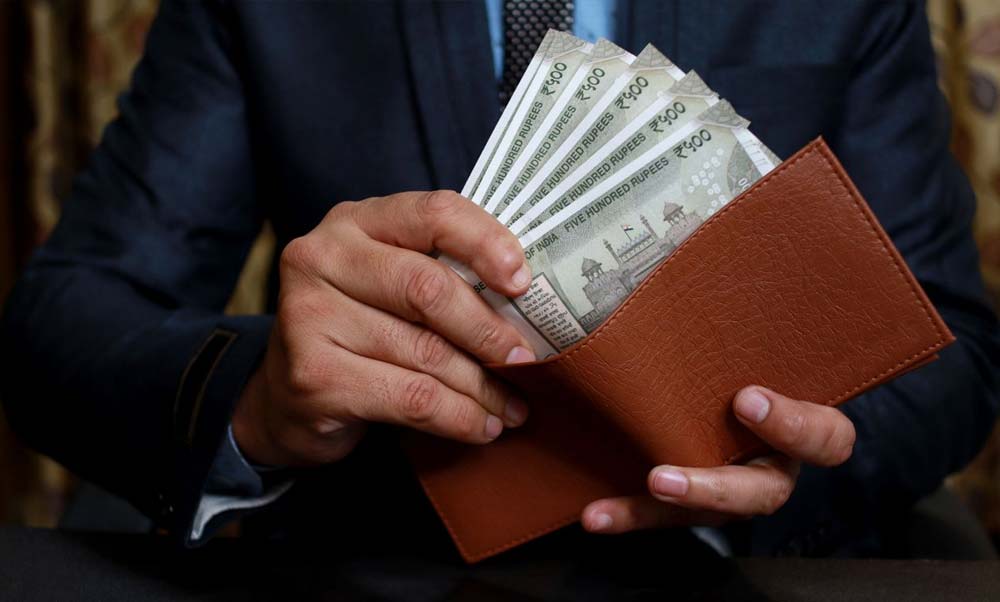
You've just finished a wonderful meal at a restaurant in Delhi. The waiter brings the bill, and you pause. How much should you leave as a tip? You're sitting in your hotel room in Jaipur, and the housekeeping staff just cleaned your room impeccably. Should you tip them? If so, how much?
These questions are common for travelers and even some locals in India. Tipping in India isn't as standardized or automatic as it might be in Western countries, yet it's deeply woven into the social fabric of the nation. It's not just about money — it's about respect, appreciation, and understanding a culture that values acknowledgment of hard work.
After more than a decade of organizing private Golden Triangle tours for international visitors, I've seen countless moments of confusion around tipping. I've watched travelers overthink small gestures and miss opportunities to show genuine appreciation. I've also seen how a simple tip, delivered with a smile and genuine thanks, can transform someone's day.
This comprehensive guide breaks down everything you need to know about tipping in India — from restaurants and hotels to taxis and tour guides. By the end, you'll understand not just how much to tip, but why tipping matters, how it impacts people's lives, and how to navigate this beautifully complex aspect of Indian culture with confidence and sensitivity.
Understanding the Cultural Significance of Tipping in India
Before discussing amounts and percentages, it's crucial to understand what tipping actually means in the Indian context. Tipping isn't purely about rewarding good service, though that's certainly part of it. It's something far more nuanced.
In India, with its vast economic disparities, tips often represent a significant portion of service workers' income. A hotel housekeeper earning ₹15,000 per month can add another ₹3,000-₹5,000 through tips. A taxi driver or tour guide relies substantially on tips to support their families. For many, tips aren't extras — they're necessities that make a real difference in their quality of life.
Beyond economics, tipping in India is a gesture of respect and acknowledgment. In a hierarchical society that historically valued formal acknowledgment of roles and contributions, tipping has evolved as a modern expression of this principle. When you tip someone, you're saying: "I see you. I appreciate what you've done. Your effort matters."
This is particularly important for travelers to understand. In your home country, tipping might feel transactional. In India, it's relational. It builds goodwill, establishes connection, and demonstrates cultural awareness. Service workers remember the travelers who treated them with respect and tipped appropriately — and they remember those who didn't.
Tipping at Restaurants and Cafés: The Breakdown by Establishment Type
Restaurant tipping is probably the most common tipping situation travelers encounter. Yet the expectations vary dramatically depending on what type of establishment you're dining at. Understanding these variations will help you navigate restaurant visits with ease.
Fine Dining and Upscale Restaurants
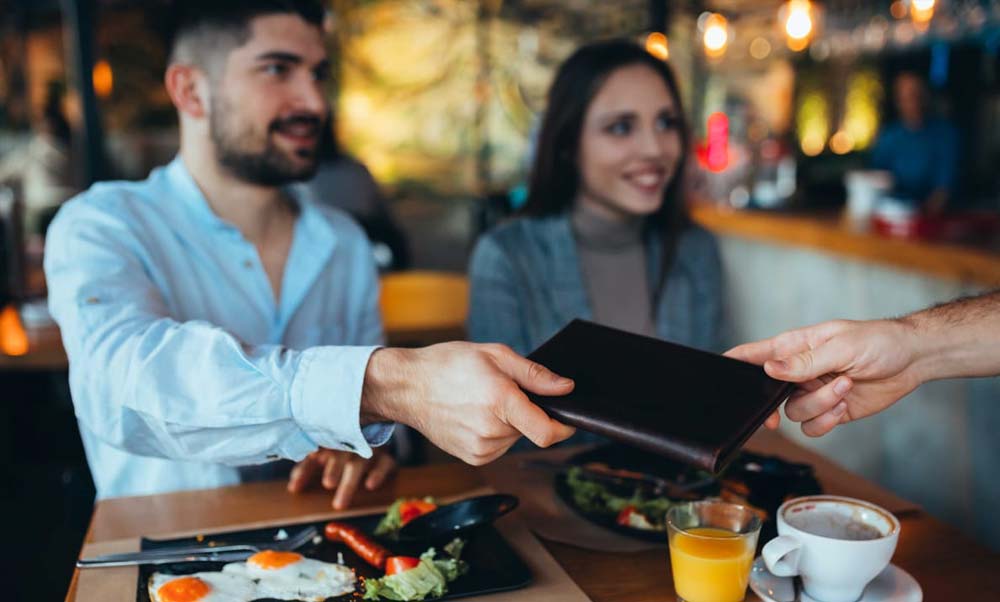
When you're at a high-end restaurant in Mumbai, Delhi, or Bangalore — the kind with cloth napkins, multiple courses, and attentive waitstaff — tipping around 10-15% of the bill is standard practice. If you've received truly exceptional service, lean toward the 15% mark.
Here's something important: always check your bill carefully. Many upscale restaurants automatically add a 10% service charge. If this charge appears on your bill, you've technically already paid for service. However, this doesn't mean you shouldn't tip more if the service truly exceeded expectations. An additional ₹200-₹500 on top of the service charge is a gracious gesture that shows real appreciation.
Think of it this way: if your waiter ensured your wine glass was never empty, remembered your dietary preferences without you mentioning them again, and went out of their way to accommodate a special request, the service charge alone doesn't capture that effort. An additional tip acknowledges their excellence.
Casual Dining Restaurants and Cafés
At mid-range restaurants and casual cafés — the kind where you might grab lunch or dinner without making a reservation — tipping around 10% is standard and appreciated. This is the comfortable middle ground of Indian dining.
If the service is simply competent and polite, a 10% tip is perfectly adequate. However, if the server is particularly attentive, if your food arrives promptly despite a busy restaurant, or if staff handle any special requests with grace, consider rounding up to 15% or leaving a few extra rupees.
For example, if your bill comes to ₹487, rounding up to ₹500 or ₹550 is a nice gesture that feels natural and appropriate without being excessive.
Street Food Stalls and Local Eateries
At street food vendors, small local restaurants, and family-run eateries, the tipping culture is different. These establishments are often operated by the owners themselves, and formal tipping isn't expected. However, it's absolutely appreciated.
If you're buying from a street vendor, rounding up is a kind gesture. If you're buying samosas for ₹20 each, handing over ₹50 or ₹100 depending on what you purchase shows appreciation. These small vendors remember customers who are generous, and you might find yourself getting extra samosa or a complimentary chai on your next visit.
At small family-run restaurants, leaving behind 5-10% or simply rounding up the bill is gracious. The owner or their family members serving you will appreciate it, and it creates a positive interaction that can lead to wonderful hospitality on future visits.
Buffet Restaurants
Buffet tipping is different from à la carte dining. Since you're serving yourself, the staff's workload is lighter. A 5-7% tip or just rounding up the bill is standard. You might leave ₹50-₹100 depending on the buffet's price point and the attentiveness of staff who refill water, clear plates, and maintain the service area.
Hotel Staff Tipping: A Room-by-Room Guide
Hotels present multiple tipping opportunities. Different staff members perform different functions, and each deserves appropriate recognition for their work.
Bellhops and Porters
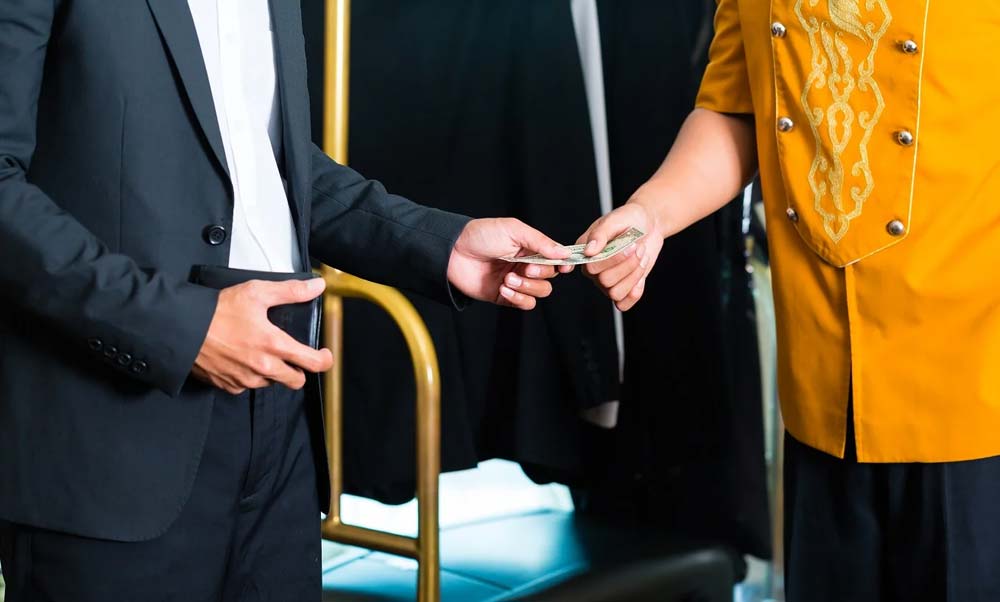
When a bellhop helps with your luggage upon arrival or departure, tipping ₹50-₹100 per bag is standard in 2026. If you have multiple heavy bags or if the bellhop provides additional assistance — such as helping you understand the hotel layout, carrying items to your room, or assisting with other needs — ₹100-₹200 is appropriate.
I've seen travelers undertip bellhops and then wonder why subsequent interactions feel less warm. These staff members handle hundreds of guests annually. A generous tip to the bellhop often results in better service throughout your stay, as positive interactions ripple through the hotel staff.
Housekeeping Staff
The housekeeping staff who clean your room daily deserve recognition. ₹100-₹200 per night is standard. If you're staying for a week, you might leave ₹150-₹200 per night, with the option to leave a single larger tip at the end of your stay.
Important note: always leave tips on the bed or pillow, not scattered around the room. This makes it clear the tip is intentional. Include a small note thanking them by name if possible. "Thank you for keeping our room so clean! — Sarah and John" makes the gesture more personal and meaningful.
If you have special requests — extra pillows, laundry service, special cleaning — tipping toward the higher end of the range ensures exceptional attention to your needs.
Concierge Services
The concierge arranges restaurant reservations, books tours, provides local recommendations, and handles various guest services. For simple assistance, ₹200-₹300 is appropriate. For more complex services — arranging last-minute concert tickets, booking hard-to-get restaurant reservations, organizing special experiences — ₹500-₹1,000 is reasonable.
Great concierges are valuable. They have connections throughout the city and can get things done that seem impossible. If a concierge goes above and beyond, tip accordingly. This investment often results in access to experiences unavailable to regular tourists.
Room Service and Other Hotel Staff
For room service, 10% of the bill or ₹50-₹100 is standard. If room service brings breakfast to your room or handles multiple deliveries, lean toward the higher end. For other staff — spa attendants, restaurant staff if dining in-hotel, front desk assistance — tip standards align with the specific service provided.
Tipping Transportation Services: Taxis, Auto-Rickshaws, and Ride Apps
Transportation is probably where travelers feel most confused about tipping. Let me clarify the modern landscape of Indian transportation tipping in 2026.
Traditional Taxis and Metered Cabs
For metered taxis, rounding up the fare is the most common practice. If the fare is ₹287, handing over ₹300 or ₹350 is appropriate. This typically works out to around 10% of the fare, which is a comfortable standard.
If the taxi driver goes out of their way — takes you on a scenic route when requested, helps with luggage, offers helpful local advice — a more generous tip is warranted. In these cases, 15% or simply adding ₹100-₹150 to the fare shows genuine appreciation.
In cities without metered taxis, always agree on the fare before starting the journey. If the agreed fare is ₹500, tipping ₹50-₹100 on top of that is a nice gesture if the driver was courteous and handled the journey well.
Auto-Rickshaws
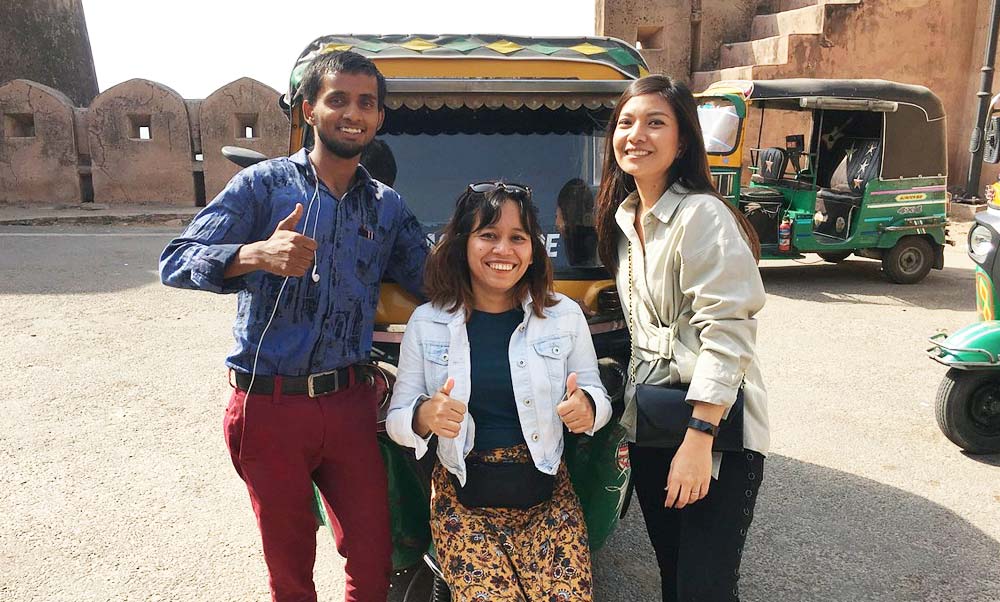
Auto-rickshaws are the lifeblood of Indian transportation. These three-wheeled vehicles are everywhere, and tipping practices are more informal. Rounding up is sufficient — if the ride costs ₹45, give ₹50 or ₹60. The small change is appreciated without being expected.
Most local Indians don't tip auto drivers, so you won't appear rude for not tipping. However, if you're a foreigner, a small tip is always appreciated and creates goodwill. Many auto drivers will remember you, and if you call one repeatedly, they might offer better rates or special flexibility.
Ride-Sharing Apps (Uber and Ola)
Ride-sharing has transformed transportation in major Indian cities. Both Uber and Ola now allow in-app tipping, making the process transparent and easy. Here's the 2026 standard:
A 10-15% tip through the app is appreciated but not mandatory. If the ride cost ₹300, leaving ₹30-₹45 as a tip is kind. However, if the driver was particularly friendly, drove smoothly during a hectic commute, or went slightly out of their way without complaint, ₹50-₹75 is appropriate.
The advantage of app-based tipping is clarity. The driver sees exactly what you've tipped immediately, and there's no awkwardness with cash. Many regular Ola and Uber users report better service when they consistently tip, as drivers appreciate reliability and gratitude.
One strategy: if you plan to use app-based rides multiple times during your trip, tipping on the first few rides often results in recognition and better service on subsequent rides. Drivers notice regular users and treat them favorably.
Tour Guides and Private Drivers: The Heart of Your Experience
If you've hired a tour guide or private driver, these individuals significantly impact your experience. Tipping them appropriately is both ethical and smart.
Professional Tour Guides
Tour guides are knowledge-holders, storytellers, and your connection to the destination. For full-day guided tours (8+ hours), tipping ₹500-₹1,000 is standard. If it's a half-day tour, ₹300-₹500 is appropriate.
These amounts might seem high compared to other tips, but consider what you're getting: expertise, storytelling, cultural insights, and navigation that enhances your entire experience. A great guide doesn't just show you monuments — they bring places alive with history and context.
If a guide provides exceptional service — personalized attention, accommodation of your specific interests, going above and beyond to create memorable moments — tip toward the higher end or even exceed these amounts. Tips of ₹1,500-₹2,000 for truly outstanding guides are not excessive.
Pro tip: inquire at your hotel concierge if they can recommend guides and then ask guides about the hotel's tipping customs. This helps calibrate your tip appropriately for local economics while respecting the guide's expertise.
Private Drivers
If you've hired a private driver for multi-day tours or extended transportation, ₹300-₹500 per day is standard. For the popular Golden Triangle circuit (Delhi, Agra, Jaipur), a ₹500 daily tip for the driver is generous and appropriate.
However, consider the full context. If the driver handles luggage, drives long distances through challenging traffic, adapts to your schedule flexibly, and keeps the vehicle immaculate, ₹500-₹700 per day shows appropriate appreciation.
At the end of a multi-day trip, consider a single larger tip instead of daily tips. For a 5-day Golden Triangle tour, ₹2,500-₹3,000 total tip is generous and appropriate. Some travelers add a bonus tip if the driver solved problems creatively, showed kindness, or made their trip memorable.
Comprehensive Tipping Guide: Quick Reference Table
| Service Type | Tipping Amount (₹) | When to Tip More | When to Tip Less |
|---|---|---|---|
| Fine Dining Restaurant | 10-15% of bill | Exceptional service, special requests accommodated | Service charge already included in bill |
| Casual Restaurant | 10% of bill or round up | Busy restaurant, attentive service | Quick counter service, no extra assistance |
| Street Food Vendor | ₹10-₹50 or round up | Regular customer, special items | Simple, quick transaction |
| Bellhop | ₹50-₹100 per bag | Multiple bags, luggage assistance | Single small bag, brief interaction |
| Housekeeping (per night) | ₹100-₹200 | Longer stay, special requests, excellent cleanliness | Standard cleaning, short stay |
| Concierge | ₹200-₹1,000 | Complex arrangements, last-minute bookings, difficult requests | Simple information, standard booking |
| Metered Taxi | Round up or 10% | Long distance, extra assistance, scenic detour | Short ride, exact meter fare |
| Auto-Rickshaw | Round up small change | Long distance, unusual request, friendly service | Standard short ride |
| Uber/Ola | 10-15% via app | Exceptional driving, clean car, friendly chat | Mandatory app tipping now standard |
| Full-Day Tour Guide | ₹500-₹1,000 | Outstanding insights, personalized attention, 8+ hours | Half-day tour, basic narrative |
| Private Driver (per day) | ₹300-₹500 | Multi-day trip, long distances, luggage handling | Short distance, minimal interaction |
| Spa/Massage Therapist | ₹200-₹500 | Exceptional treatment, special requests, extended session | Standard 1-hour service |
Regional Variations: Understanding India's Diverse Tipping Landscape
India is not monolithic. Tipping practices vary significantly across regions, and understanding these variations prevents cultural missteps.
Metropolitan Areas: Mumbai, Delhi, Bangalore, Hyderabad
In major metros, tipping is more formalized and expected. These cities have higher costs of living, international visitor traffic, and more developed service industry standards. Tipping practices here align closely with global norms. Restaurant service charges are common, ride-sharing app tipping is standard, and hotel staff expect tips as a normal part of service income.
In metros, you can tip confidently using the percentages mentioned earlier. You won't be perceived as stingy or overly generous — you'll be seen as culturally aware and respectful.
Tier-2 Cities: Jaipur, Pushkar, Udaipur, Varanasi
In popular tourist cities like Jaipur and Varanasi, tipping is appreciated but less formalized than in metros. Service workers in these cities cater regularly to tourists, so they understand international tipping conventions. However, the cost of living is lower, so tipping amounts might be adjusted downward slightly.
For example, in Jaipur, a restaurant tip of 10% is standard, but you might find that tipping ₹100-₹200 regardless of percentage is sufficient in casual restaurants. Hotel housekeeping might appreciate ₹80-₹150 per night rather than ₹150-₹200.
The key is observing what other travelers and locals do. If you're eating at a restaurant and see tourists tipping around 10%, follow suit. If you're staying at a budget hotel and see mostly Indian travelers, adjust your expectations accordingly.
Small Towns and Less-Touristed Areas
In smaller towns where international tourists are less common, tipping might be less expected but always appreciated. Service workers in these areas are less accustomed to tipping culture, so even small tips — ₹50-₹100 — are meaningful and well-received.
In these areas, the gesture of tipping is sometimes more important than the amount. A small tip with genuine thanks ("Bahut shukriya," meaning "thank you very much") and a smile can create wonderful interactions and are remembered fondly by service workers.
I've found that in small-town India, a modest tip combined with genuine cultural interest and respectful behavior creates more positive interactions than large tips given mechanically in metro cities.
Payment Methods: Cash vs. Card-Based Tipping
In 2026, India's payment landscape has evolved significantly. Understanding how to tip across different payment methods is crucial.
Cash Tipping
Cash remains the most straightforward and universally appreciated form of tipping. When you hand someone ₹100 or ₹200 in cash, it's direct, immediate, and there's no question about what's happening. For restaurants, hotels, street vendors, and taxis without digital payments, cash tipping is essential.
Always carry small denominations. ₹10, ₹20, ₹50, and ₹100 notes are your friends. Having these denominations means you can tip appropriately without making change or over-tipping due to lack of smaller bills.
Digital Payment Tipping
Ride-sharing apps like Uber and Ola have integrated tipping features within the app. This is convenient, secure, and increasingly expected. Simply select a tip amount from the app after your ride ends.
Some restaurants now offer digital payment options with tip screens, similar to Western practices. If you're paying by card, you might see a tipping option. While not required, tipping 10% through these systems is appreciated and increasingly common.
However, digital tipping is less common in casual restaurants and street settings. Cash remains the primary tipping method for most service interactions in India.
Common Tipping Mistakes and How to Avoid Them
After a decade of observing traveler behavior, I've noticed patterns of mistakes. Learning from these can enhance your experience and show greater cultural sensitivity.
Mistake 1: Not Checking for Service Charges
Many travelers unknowingly double-tip by not checking if a service charge is already included in their bill. In India, service charges appear as separate line items, usually 10%. Always scan your bill before tipping additional amounts.
If a service charge is included and you received good service, no additional tip is required. However, for exceptional service, a small additional tip (₹100-₹200) is a nice gesture showing you're particularly satisfied.
Mistake 2: Tipping Too Little to Feel Significant
I've watched travelers leave ₹10 tips at restaurants or ₹5 to auto-drivers. While these amounts are better than nothing, they can feel almost dismissive. If you're going to tip, make it feel intentional.
If a restaurant bill is ₹500, leaving ₹10 feels like an afterthought. Instead, leave ₹50 or ₹60 — an amount that clearly represents appreciation. The psychological difference between a ₹10 and ₹50 tip is significant to the recipient, even if the bill is the same.
Mistake 3: Excessive Tipping That Creates Awkwardness
Conversely, I've seen travelers overtip dramatically. Leaving ₹500 for a ₹30 street food purchase or ₹2,000 for a simple taxi ride creates confusion and awkwardness. Service workers might feel confused about why you've given so much, or they might feel you're being patronizing.
Tip generously, but proportionally. A 10-15% tip for restaurants, ₹100-₹200 for hotel housekeeping, ₹300-₹500 for daily drivers — these are generous and appropriate. Exceeding these amounts significantly is well-intentioned but unnecessary.
Mistake 4: Ignoring Service Quality
Not all service is equal, and your tip should reflect the service quality you received. If a waiter is dismissive, if a taxi driver drives recklessly, if housekeeping ignores your requests — tip the lower end of the range or skip tipping entirely.
Conversely, if service is exceptional, tip accordingly. This creates incentives for quality service and sends clear feedback about expectations.
Mistake 5: Being Insensitive About Cultural Differences
The biggest mistake is tipping with an attitude of condescension or expectation of extra service. Tip as a gesture of respect and gratitude, not as a way to purchase privilege or demonstrate superiority. Service workers are professionals providing a service, not servants grateful for crumbs.
The best tippers I've seen treat service workers with genuine respect, use their names when possible, and offer sincere thanks. This matters far more than the tip amount.
FAQ: Tipping Questions Answered
Should I tip if I'm not satisfied with the service?
Tipping is optional if service is poor. However, consider context. If the restaurant is overwhelmed, if the service worker is clearly struggling, tip at the lower end or a token amount. If service is actively rude or negligent, it's acceptable not to tip. Always consider whether poor service reflects individual negligence or systemic issues beyond their control.
Is tipping mandatory in India?
No. Tipping is voluntary, though it's culturally appreciated. You won't be pursued for not tipping, and it's not legally required. However, understanding tipping's importance helps you engage respectfully with Indian service culture.
How do I tip if I'm paying in foreign currency?
Always exchange foreign currency to Indian rupees before tipping. Tipping in dollars, euros, or other foreign currencies is unusual and makes the recipient's life complicated (they must exchange it separately). Exchange money at banks or ATMs and carry rupees for tipping.
Should I tip tour guides from my home country?
Yes. Whether your guide is Indian or from your home country, if they're guiding you in India, follow Indian tipping norms. They'll appreciate it regardless of their origin.
What about group tours — how do I tip?
For group tours, the tour company often provides guidance on tipping. If not, divide the total tip among group members. For a ₹1,000 daily guide tip split among 10 people, each person contributes ₹100. For group drivers, similar logic applies.
Is it insulting to use lower denominations for tipping?
No. Tipping ₹50, ₹100, or ₹200 in rupees is absolutely normal and appreciated. The denomination of the currency reflects economic value, not disrespect. Service workers understand that ₹100 represents genuine gratitude and is meaningful.
Should I tip before or after service?
In India, tipping typically happens after service, when you can assess its quality. For hotel housekeeping, leave tips daily or on departure. For tours and drivers, tip at the end of service. The only exception is advance tipping for special requests (letting a concierge know you're tipping well for a difficult booking request).
The Real Impact: Why Your Tip Matters More Than You Think
Understanding tipping intellectually is one thing. Understanding its real-world impact is another.
Consider a hotel housekeeper earning ₹18,000 monthly. This income supports a family in a Delhi suburb — rent, food, children's education, occasional medical expenses. That ₹150 you tip daily becomes ₹4,500 monthly from hotel guests, representing a 25% income boost. Suddenly, your family can afford better nutrition, school supplies, or emergency healthcare.
Or think of a tour guide working seasonally, earning income during tourist season then struggling during off-season. Tips from generous travelers can be the difference between securing good-quality housing year-round or moving to cheaper, less safe neighborhoods during lean months.
These aren't abstract concepts. These are real people whose lives are materially impacted by how travelers choose to tip.
I remember a driver named Rajesh who worked Golden Triangle tours for over a decade. His consistent income from tips — not just from the meager salary the company paid — enabled his daughter to attend a good engineering college. She's now working in software development in Bangalore. This transformation stemmed directly from travelers who recognized his service and tipped appropriately.
Your tip might feel small from your perspective. From a service worker's perspective in India, it can be genuinely life-changing.
Practical Tipping Strategies for Different Trip Types
Budget Traveler
If you're traveling on a tight budget, you can still tip respectfully. At budget restaurants, round up your bill. For street food, round up small amounts. At budget hotels, ₹50-₹100 daily housekeeping tips are appropriate. For shared tours, contribute ₹200-₹300 toward guide tips. You'll stay within budget while showing respect.
Mid-Range Traveler
With a comfortable travel budget, follow the guidelines mentioned in this guide. Restaurant tips of 10%, hotel tips of ₹100-₹200 nightly, tour guides of ₹500-₹1,000 daily, drivers of ₹300-₹500 daily. This creates good interactions without excessive spending.
Luxury Traveler
If you're staying at luxury hotels and using high-end services, tipping appropriately maintains the experience quality. Luxury service workers are accustomed to generous tips and quality interactions. Following the higher end of mentioned ranges ensures continued excellent service and positive interactions.
Conclusion: Tipping as Cultural Engagement
Tipping in India is more than financial transaction. It's cultural engagement. It's acknowledging that someone's effort contributed to your experience. It's showing respect for India's service culture and the hardworking people who sustain it.
By understanding tipping context, amounts, and cultural significance, you're not just avoiding awkwardness — you're participating meaningfully in Indian social conventions. You're showing that you respect not just India's monuments and landscapes, but its people.
The best travelers I've worked with weren't necessarily the wealthiest. They were the ones who understood that respectful engagement — including appropriate tipping combined with genuine kindness — creates better experiences for everyone. They left India with richer experiences and left service workers with improved livelihoods and positive memories of international visitors.
Next time you're in India, carry small denominations, observe local practices, tip appropriately for service quality, and deliver tips with genuine thanks. You'll find that doors open more easily, service becomes more attentive, and interactions feel warmer.
That's the real value of understanding and practicing tipping correctly in India.
Quick Reference: Tipping Amounts by Service Type (2026 Updated)
Restaurants: 10-15% fine dining, 10% casual, round up for street food. Check for service charges included.
Hotels: Bellhops ₹50-₹100 per bag, housekeeping ₹100-₹200 per night, concierge ₹200-₹1,000 based on service complexity.
Transportation: Taxis round up/10%, auto-rickshaws round up, ride-apps 10-15% via app.
Tours & Guides: Full-day guides ₹500-₹1,000, drivers ₹300-₹500 daily.
Regional Adjustment: Metros require formal tipping, tourist cities appreciate standard percentages, small towns value gesture more than amount.
Happy travels, and may your journey through India be filled with respectful interactions, delightful experiences, and meaningful connections with the wonderful people who make India's service culture exceptional.