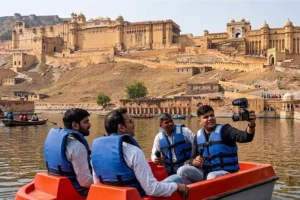
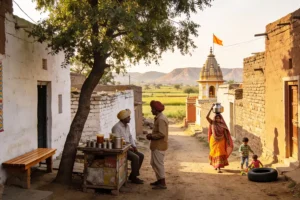
Private Driver in India : Safe, Comfortable and Scam‑Free Travel Guide for Foreign Tourists
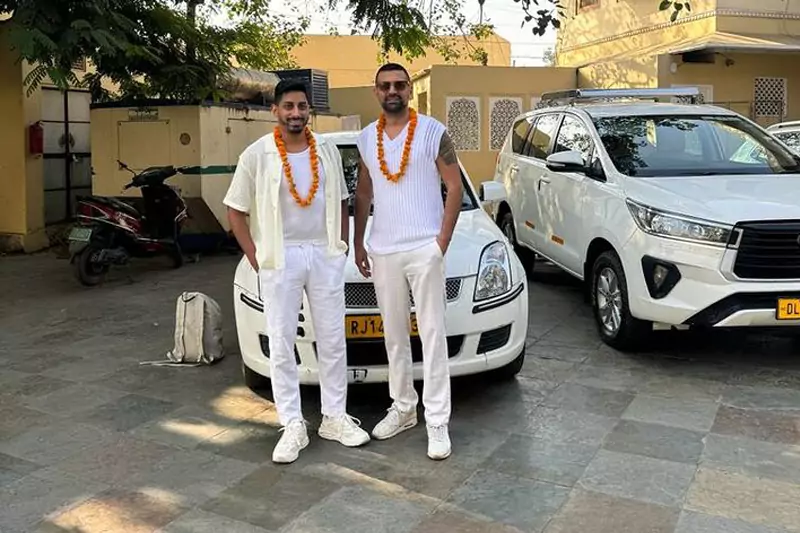
Traveling through India is thrilling, overwhelming, and utterly transformative—all at the same time. The colors, the chaos, the ancient monuments, the bustling bazaars—it's an experience that stays with you forever. But if you've never driven on Indian roads yourself, or you're a foreign traveler navigating unfamiliar terrain for the first time, the thought of getting around can feel genuinely intimidating. This is where hiring a private driver becomes not just a luxury, but genuinely one of the smartest decisions you can make for your safety, comfort, and peace of mind.
I've spent years working with travelers exploring India, and I can tell you with absolute certainty that a well-vetted private driver transforms your entire journey. It removes the stress of navigation, eliminates language barriers, keeps you safe on unpredictable roads, and honestly, often becomes one of the most memorable parts of your trip. But here's the thing—not all drivers are created equal. Knowing how to hire the right driver, verify their credentials, and maintain safety standards throughout your journey is what separates a wonderful experience from a stressful one.
This comprehensive guide covers everything you need to know about traveling safely in India with a private driver, based on 2026 safety standards, real traveler experiences, and local expertise.
Why India Needs a Private Driver: The Ground Reality
Let me be completely honest. Driving in India is genuinely different from almost anywhere else in the world. Roads carry everything—cars, motorcycles, trucks, buses, auto-rickshaws, bicycles, and sometimes cattle. Traffic rules exist, but they're interpreted very creatively. Speed limits are suggestions. Lane discipline is optional. And the sheer volume of vehicles moving in every direction at once takes real experience to navigate safely.
When you're unfamiliar with these road dynamics, you're not just dealing with navigation challenges—you're dealing with a fundamentally different driving culture. Add language barriers, unfamiliar road signage, varying road quality between regions, and the reality of traveling long distances, and suddenly hiring a professional driver shifts from being a nice-to-have to being absolutely essential for your safety.
A licensed, experienced private driver brings something invaluable: they know the flow. They understand which highways are reliable, which local roads to avoid, where to stop safely, and how to handle unexpected situations calmly. More importantly, they're invested in your safety because their livelihood depends on their reputation and professionalism.
The First Critical Step: Driver Verification & Credential Checks
Before you even discuss itinerary or pricing, verification is everything. This is non-negotiable. I've seen travelers cut corners here, and it's exactly where problems start.
Essential Documents to Verify
When you're reviewing a driver or hire through a service, request and verify these documents personally:
| Document | What to Check | How to Verify |
|---|---|---|
| Commercial Driver's License | License number matches photo; expiry date hasn't passed; states "commercial" or "LMV" category | Verify online through Parivahan Sewa website (parivahan.gov.in) with license number |
| Government ID Proof | Aadhaar, PAN, or Passport; photo matches driver; all details clear and readable | Compare photo to driver in person; verify address details are current |
| Vehicle Documents | Registration certificate valid; insurance active; PUC certificate current; vehicle number matches car | Check documents against the actual vehicle; verify insurance validity period |
| Medical Fitness Certificate | Required for drivers over 50 or commercial drivers; not expired; issued by recognized doctor | Verify date issued and expiry; ask when last eye checkup was done |
| Background Check/Police Verification | No criminal history; clean record with no pending cases; verified by company or service | Ask hire company for verification report; reputable services conduct this automatically |
If you're booking through a reputable tour company like India Trip Driver, Rajasthan Tour Driver, or similar established services, they should provide all this verification information upfront without you having to ask. If they hesitate or become vague about any of these documents, that's a red flag. Move on.
Questions to Ask Before Finalizing
Beyond documents, have a direct conversation with your driver. Even if they're provided by a company, a quick call or WhatsApp message with these questions reveals a lot:
1. How many years have you been driving tourists? Experience matters enormously. A driver with 5-10 years of tourist experience understands foreign traveler expectations, communication styles, and comfort needs far better than someone new to the role.
2. What's your driving approach on highways? A good answer sounds something like: "I follow speed limits, maintain safe distance, take regular breaks, and avoid night driving unless necessary." Red flag answers include: "I drive fast," "I take shortcuts," or "I drive whenever you want."
3. Can you share past guest reviews or references? Professional drivers carry screenshots of TripAdvisor reviews, Google reviews, or WhatsApp testimonials from previous travelers. Ask to see them. Hesitation here is suspicious.
4. What do you do if I'm not comfortable with your driving? A professional driver welcomes this. A good answer is: "I'll adjust my speed or driving style immediately, and we can discuss any concerns."
5. Are you comfortable making unscheduled stops? Flexibility is crucial. You might want to photograph something, visit a local market, or take a longer break. The driver should be accommodating about this.
Red Flags That Should Stop You Immediately
In my experience, these are the warning signs that mean you should look for a different driver, no matter how great the price or itinerary sounds:
Refusal to Share Documentation: If a driver or company refuses to show you license copies, insurance papers, or ID, don't proceed. Legitimate services have nothing to hide and everything to gain by showing transparency.
Unusually Low Pricing: If the quote seems dramatically cheaper than comparable services, there's usually a reason. Hidden charges, poor vehicle maintenance, or inexperienced drivers often explain suspiciously low rates. Quality services maintain consistent pricing that reflects proper vehicle maintenance and driver compensation.
Pressure for Cash Payment Upfront: Professional services use digital payments, which create a transaction record and protect both you and the driver. Someone demanding full cash payment before the trip creates unnecessary risk.
Vague Itinerary or Unwillingness to Discuss Details: A professional driver wants clarity about your plans, timing preferences, comfort needs, and expectations. Vagueness or dismissiveness about these details suggests they're not invested in your experience.
No Contact Information or Emergency Numbers: If you can't reach the company or get emergency contact details in advance, that's a problem. Reputable services provide multiple contact options and 24/7 support availability.
Poor Vehicle Condition: When you first meet the driver, the car should be visibly clean, well-maintained, and well-stocked with water. Dirty interiors, damaged seats, or non-functional AC are not acceptable for a paying guest.
Pushy Recommendations for Hotels, Restaurants, or Shopping: Drivers earn commissions when they steer tourists toward specific establishments. While some recommendations are helpful, constant pushing toward commission-based places (especially jewelry shops, textile stores, or restaurants that tourists don't initially express interest in) suggests they're prioritizing their earnings over your experience.
Safety Protocols: Before, During, and After Your Journey
Before Your Trip Starts
Preparation makes an enormous difference in how safe and comfortable your journey will be.
Share Your Travel Details: Email or message a trusted contact back home with your driver's name, vehicle number, vehicle license plate, contact details, and your itinerary. Most professional drivers appreciate this because it reassures passengers. Update this contact as you travel to different locations.
Take Photos of Driver Information: Photograph the driver's ID (visible on the dashboard), the vehicle registration, and the license plate. Keep these photos on your phone and cloud storage.
Confirm All Costs Upfront: Get a written breakdown of what's included and what's not. 2026 pricing typically includes fuel, tolls, parking, driver meals, and state entry taxes—but confirm this explicitly. Ask about any potential additional charges before they occur.
Discuss Health Conditions or Special Needs: If you have mobility issues, back problems, medical conditions, or specific comfort requirements, mention them now. A good driver adjusts driving style, takes more frequent breaks, and ensures proper vehicle comfort for your needs.
Get Adequate Sleep Before Long Journeys: If you're starting a multi-day drive the next morning, get at least seven hours of sleep the night before. This isn't just about comfort—drowsy passengers make poor decisions, and you want to be alert in case of any issues.
During Your Journey: Daily Practices
Always Wear Your Seatbelt: This is mandatory in India as of 2026, and it's genuinely important. Wear it in every seat, at all times. Enforce this with other passengers too. It takes seconds and saves lives.
Keep Valuables Out of Sight: Don't leave phones, wallets, cameras, or passports visible on seats. Keep them in a daypack you can hold or secure inside your bag. When parked at attractions, take valuables with you or leave them locked in the car.
Use Registered Stops Only: When your driver suggests a break for food, rest, or shopping, these should be established, recognized establishments. Professional drivers know reliable highway restaurants with clean washrooms and proper food hygiene. Trust their recommendations here.
Take Breaks Every Two Hours: On long drives, request breaks every 2-3 hours to stretch, walk, and rest your eyes. This isn't just a comfort issue—it keeps everyone alert and reduces fatigue-related incidents.
Stay Hydrated and Eat Light: Carry water with you (your driver will usually have bottled water available). Eat light meals and healthy snacks—dried fruits, nuts, protein bars—rather than heavy foods that make you drowsy. Avoid excessive caffeine or alcohol, which cause dehydration.
Communicate Preferences Clearly: If the driving speed makes you uncomfortable, speak up. If you want more frequent stops, ask. If you need to adjust the temperature or music, your driver will accommodate. Professional drivers want passengers to be comfortable.
Avoid Night Driving When Possible: Highways are safer during daylight. Rural roads especially may lack proper lighting, signage, or services at night. Discuss your schedule with your driver in advance so night driving only happens if absolutely necessary.
Vehicle Checks You Should Perform
Before your first day of travel, quickly inspect the vehicle:
Safety Features: Verify seatbelts work smoothly, doors lock properly, emergency lights function, and the fire extinguisher is present and accessible. Modern vehicles should have airbags indicated on the dashboard.
Comfort Features: Check that air conditioning works well, seats are properly cushioned, and there's adequate leg room. If you'll be driving 8+ hours daily, comfort matters significantly for your well-being.
First Aid Kit: Every commercial vehicle in India must carry a basic first aid kit. Ask to see it. Know where it is.
Communication: Verify that you have working phone connectivity, the driver has a charged phone, and you have their direct contact number saved.
Common Travel Scams and How to Avoid Them in 2026
I want to be transparent about this because it happens. Tourism in popular areas creates opportunities for scams, but most are easily preventable once you know what to look for.
The "Hotel Has Moved" Scam: Your driver claims your booked hotel has burned down, moved locations, or permanently closed. Suddenly he has a "better alternative" nearby. Don't fall for this. Call your hotel directly to verify. Good hotels have direct phone numbers listed on your booking confirmation. If your hotel is genuinely closed, the company who booked it will arrange alternatives—not your driver.
Inflated Taxi Fares or Commission-Based Recommendations: A driver might claim they need extra payment for "night charges" during daytime or quote prices dramatically higher than agreed. All-inclusive pricing prevents this. Also, any establishment your driver suddenly pushes (shopping, jewelry, restaurants you never expressed interest in) likely pays him commission. You're welcome to visit, but do so because you genuinely want to, not because he recommends it.
Change Manipulation: Someone gives large currency and the recipient claims they only received a smaller note. To prevent this, clearly show the currency as you hand it over, or better yet, use digital payments whenever possible.
Fake Credentials or Licensed Guides: Unlicensed "guides" hanging around tourist attractions often rush tours, provide incorrect information, or push commission-based shops. If you want a guide, book through your hotel or trusted companies. They provide licensed, knowledgeable professionals.
How to Avoid Everything Here: Book through established companies, get agreements in writing, use digital payments, verify everything directly with hotels/attractions, and trust your gut. If something feels off, it probably is.
The Golden Triangle Route: Delhi-Agra-Jaipur Safety Specifics
This 4-7 day circuit is India's most popular tourist route for good reason—it combines history, architecture, culture, and natural beauty. But it also has specific safety and logistics considerations.
Route Overview: Delhi to Agra is approximately 200 kilometers and takes 3-4 hours depending on traffic. Agra to Jaipur is roughly 240 kilometers and takes 4-5 hours. These are major highways with heavy traffic, especially around city exits and entries.
Driver Expertise Is Essential Here: These routes see constant traffic, and shortcuts don't save time—they add stress. An experienced Golden Triangle driver knows the toll highways, major traffic bottlenecks, timing for visits (the Taj Mahal should be visited early morning for best light and fewer crowds), and where to stop safely.
City Navigation: Delhi's wide highways, Agra's narrow old city lanes, and Jaipur's busy markets require different driving approaches. Your driver should shift strategies for each city. Agra especially can be overwhelming if you're unfamiliar with it.
Timing Recommendations: Start drives early morning to complete journeys before afternoon. Rest during the hottest part of the day (1-4 PM). This rhythm is common sense in India.
Photography Stops: Drivers know scenic viewpoints, good photo locations, and less-crowded times. The Taj Mahal at sunrise is worth experiencing, and a good driver ensures you're there at the right time. They know the best angles for photography and can point out architectural details that enhance your appreciation.
Food and Hygiene Stops: Professional drivers know which highway restaurants have proper hygiene standards, clean washrooms, and safe food handling. This matters significantly on long drives. Don't hesitate to request stops more frequently than expected—your driver will accommodate.
Rajasthan Travel: Desert Routes and Remote Areas
If you're exploring beyond the Golden Triangle—Jaisalmer, Jodhpur, Udaipur, or deeper Rajasthan—different safety considerations apply.
Driver Experience Becomes Critical: Desert roads and remote areas require drivers who understand varied terrain, distance management, and resource availability. Ask specifically about your driver's experience in the regions you'll visit.
Long Stretches Between Services: Some remote routes have significant distances between fuel stations, restaurants, or towns. This isn't dangerous if your driver plans properly—it means confirming fuel stops, carrying water, and managing timing carefully.
Weather Variations: Rajasthan's heat can be extreme. Ensure the vehicle AC is functioning perfectly before starting. Carry extra water. Wear sun protection. Your driver will manage the driving, but you're responsible for your own comfort.
Cultural Sensitivity: Rajasthan is culturally rich. An English-speaking driver provides context about local customs, traditional practices, and appropriate behavior in religious or rural areas. This enriches your experience and shows respect.
Solo Female Travelers: Rajasthan is safe for solo female travelers, especially with a professional driver. That said, dress appropriately in rural areas (covered shoulders and knees), avoid traveling alone at night, and maintain situational awareness. Professional drivers working with international travelers are experienced with foreign women travelers and prioritize safety.
Health and Wellness During Long Drives
Long drives in India involve extended time in a car navigating traffic and varying road conditions. This affects your physical and mental well-being.
Pre-Trip Physical Preparation: If you have any health conditions—back problems, circulation issues, joint pain, or mobility concerns—mention them to your driver and request accommodations. Get a light walk or stretching session in a few days before traveling to prepare your body.
Hydration Strategy: This isn't optional. Aim for 2-3 liters of water daily while traveling. Small, frequent sips keep you hydrated without excessive bathroom breaks. Avoid excessive caffeine and alcohol, which cause dehydration.
Nutrition on the Road: Pack healthy snacks—dried fruits, nuts, protein bars, and seeds. These provide sustained energy without the heaviness of large meals. Eat light lunch, avoiding heavy or oily foods that trigger drowsiness.
Back and Posture Support: After several hours in a car, back pain is common. Ask your driver if the vehicle has lumbar support. If not, bring a small pillow or lumbar support cushion. Adjust your seat to promote good posture. Change positions frequently.
Circulation and Movement: Take breaks every 2 hours specifically to walk, stretch, and move. Stand up, walk around, do some gentle stretching. This prevents blood clots, reduces stiffness, and keeps you mentally fresh.
Sleep Quality: On multi-day trips with hotel stops, prioritize sleep. A good night's rest significantly improves your next day's experience. Get 7-8 hours if possible. Your body needs recovery time.
Sun Protection: Rajasthan sun is intense. Use high SPF sunscreen, wear sunglasses, keep skin covered, and limit direct sun exposure during midday hours. Dehydration happens faster in extreme heat.
What to Carry in a Medical Kit: Pain relievers for headaches or muscle aches, antacids for digestive upset, anti-diarrhea medication, bandages, antiseptic cream, sunscreen, lip balm with SPF, and any personal medications. Commercial vehicles carry basic first aid kits, but your personal medications should always be with you.
2026 Pricing Guide: What You Should Actually Pay
Pricing is one area where transparency prevents frustration. Here's what realistic private driver costs look like in 2026:
| Vehicle Type | Daily Rate (2026) | Best For |
|---|---|---|
| Sedan (Toyota Fortuner, Mahindra XUV500) | ₹1,200–₹1,500/day + fuel, tolls | Couples, 2-3 passengers, budget-conscious travelers |
| SUV (Innova, Fortuner) | ₹1,500–₹2,000/day + fuel, tolls | Families, 4-5 passengers, mixed comfort seekers |
| Premium SUV (BMW X1, Range Rover Evoque) | ₹2,000–₹2,500/day + fuel, tolls | Luxury-seeking travelers, executive tours, premium experience |
All-Inclusive Pricing for Popular Routes (2026):
Golden Triangle (4 Days, Delhi-Agra-Jaipur): ₹3,500–₹5,500 for sedan; ₹5,000–₹8,000 for SUV. This typically includes vehicle, fuel, tolls, parking, driver allowance, and state taxes. NOT included: meals, monument entry fees, hotel bills, tips.
Rajasthan Circuit (7 Days, Jaipur-Udaipur-Jodhpur): ₹8,000–₹12,000 for sedan; ₹12,000–₹18,000 for SUV. Again, this covers transport essentials, not meals or activities.
What Should Always Be Included: Fuel costs, toll charges, parking fees, driver meals, vehicle maintenance, state entry taxes, basic insurance, and driver accommodation on multi-day trips.
What Should NOT Be Included (and You'll Pay Separately): Your meals, attraction entry fees (Taj Mahal, forts, temples), hotel accommodations, tips, and personal shopping.
Tipping Custom: While not mandatory, ₹300–₹500 per day for good service is appreciated and customary. This is separate from your per-day rate. If service is exceptional, higher tips are appropriate.
How to Avoid Hidden Charges: Get everything in writing before you start. Ask specifically what's included, what's not, and what potential extra charges might be (extra kilometers beyond planned route, additional state border crossings, late-night driving premiums). Professional companies lock pricing once you finalize your itinerary.
Communication and English-Speaking Drivers
One of the most important factors in safety and comfort is clear communication. Language barriers create misunderstandings, which can lead to safety issues or poor experiences.
English-Speaking Driver Value: Most Indian drivers speak at least basic English. Professional drivers working with international tourists speak intermediate to fluent English. This matters because you can clearly express preferences, discuss route changes, ask questions about the region, and address any concerns immediately.
What "Basic English" Means: The driver understands travel-related instructions, can communicate essential information, and can make themselves understood in standard travel situations. They might not engage in deep conversations, but they handle the communication necessary for your journey.
Communication Tools: Professional services provide drivers who are WhatsApp-capable. This allows you to share details in advance, clarify preferences, and maintain contact before meeting them. It's helpful for coordinating pickups, confirming timings, or asking questions.
Pre-Trip Clarification Call: Before your driver picks you up, have a quick call or message exchange. Discuss your expectations, ask about their experience, clarify route questions, and establish rapport. This 5-minute conversation often makes a huge difference in comfort and coordination.
During-Trip Communication: Your driver should be comfortable explaining things—local customs, historical sites, cultural practices, route decisions. They provide informal but valuable guidance that enriches your experience beyond just transportation.
Female Travelers and Communication: Female travelers sometimes prefer female drivers or specifically selected drivers experienced with solo women travelers. Most professional services can accommodate this request if made in advance. Communication about safety expectations is especially important here.
Pre-Trip Checklist: What to Do Before Your Driver Picks You Up
Use this checklist the day before your travels begin:
✓ Verify All Driver Documentation: License, ID, vehicle registration, insurance—get copies or photos of everything.
✓ Confirm Pricing and Payment Terms: Get written agreement on total cost, what's included, payment method, and when payment is due.
✓ Communicate Your Preferences: Discuss pace, break frequency, comfort needs, route preferences, any special requirements.
✓ Share Travel Details: Give a trusted contact your driver's information, vehicle details, itinerary, and hotel locations.
✓ Get Emergency Contacts: Driver's personal number, company customer service number, and company emergency number.
✓ Prepare Medications and Medical Info: Pack any personal medications, share health conditions with the driver, and carry medical documentation if relevant.
✓ Stock Water and Snacks: Bring water bottles and healthy snacks for the road. Ask driver about break stops planned.
✓ Download Offline Maps: Download Google Maps or Offline Maps for regions you'll travel through. Connectivity isn't guaranteed everywhere.
✓ Photograph ID Documents: Take photos of your passport, driver's license, travel insurance, hotel confirmations, and flight tickets. Store on cloud backup.
✓ Plan Your Sleep: Get adequate rest before departure. Delayed flights or early morning starts require energy.
✓ Inspect Vehicle on First Pickup: Test seatbelts, check AC, look for first aid kit, verify basic cleanliness.
Frequently Asked Questions About Safe Private Driver Travel in India
Q: Is it really safe to hire a private driver as a solo female traveler?
A: Yes, absolutely, especially through reputable companies. Many solo female travelers choose private drivers specifically for safety and comfort. The key is booking through established services with verified, experienced drivers. Communicate your preferences clearly, share your itinerary with trusted contacts, and trust your instincts about driver compatibility. Professional drivers are accustomed to solo female travelers and respectful of boundaries.
Q: What happens if I'm uncomfortable with my driver's driving style?
A: Speak up immediately. A professional driver wants you comfortable and will adjust speed, take more breaks, or modify their approach. If problems persist, contact the company for a replacement. Good services have replacement policies specifically for compatibility issues.
Q: Can drivers help with actual tour guiding, or do I need a separate guide?
A: Drivers provide informal guidance—they share local knowledge, explain cultural practices, suggest good stops, and share regional history. They're not licensed tour guides, so if you want detailed historical information or specialized expertise, hire a separate guide for specific attractions. Many travelers enjoy combining both.
Q: What should I do if I think a driver is trying to commit fraud or scam me?
A: Stay calm. Clearly state your concern and ask for clarification. Contact the company immediately. Don't proceed with any payment or activity that seems wrong. Trust your gut. Companies take fraud accusations seriously and will either resolve issues or arrange replacement drivers. If you feel unsafe, contact your country's embassy or local police.
Q: Is night driving really unsafe in India?
A: Night driving on major highways is reasonably safe with experienced drivers, but rural roads and smaller routes lack proper lighting and signage. Fatigue is also a bigger factor at night. Whenever possible, schedule drives during daylight. If night driving is necessary, discuss it with your driver in advance so they're well-rested and take appropriate precautions.
Q: What's the difference between all-inclusive pricing and per-kilometer pricing?
A: All-inclusive pricing means you pay a fixed daily rate regardless of distance. This works best for multi-day tours with planned itineraries. Per-kilometer pricing means you pay by distance traveled, which works for unpredictable or shorter trips. Ask which applies to your booking and confirm in writing.
Q: How much should I tip my driver at the end of the trip?
A: Tipping is appreciated but not mandatory. Standard practice is ₹300–₹500 per day of the trip. If service was exceptional, tip generously. If you're not satisfied with service, you're not obligated to tip, but that's usually communicated beforehand for replacement arrangements.
Q: What documents do I need to carry while traveling with a driver?
A: Always carry your passport, travel insurance documents, hotel confirmations, and flight/train tickets. Keep these in a secure bag, never leave them in the car unattended. Digital copies stored on cloud backup are also helpful. Some travelers keep a photocopy separate from originals.
Q: Are premium SUVs significantly more comfortable for long drives than regular sedans?
A: Yes, generally. Premium vehicles offer more legroom, better suspension, more advanced climate control, and quieter cabins. For 8+ hour daily drives or if you have mobility issues, the extra comfort is worth the cost. For shorter days or budget-conscious travel, regular SUVs are fine.
Q: What if my driver cancels last-minute?
A: Professional services have backup drivers. Contact them immediately—they should provide a replacement quickly. This is why booking through established companies matters; they have systems for this. If you've booked independently, you're on your own, which creates unnecessary risk.
Final Thoughts: Making Your Decision
Traveling safely in India with a private driver isn't complicated if you approach it strategically. The fundamentals are simple: book through reputable services, verify credentials thoroughly, communicate clearly about your expectations and preferences, maintain situational awareness, and trust your instincts.
A good private driver becomes more than just transportation—they're your safety net, your local expert, your cultural interpreter, and often, genuinely memorable part of your India journey. I've seen travelers who started nervous about hiring a driver end their trip maintaining WhatsApp friendships and planning return visits specifically to work with the same driver again.
The investment in a professional, vetted driver pays dividends in safety, comfort, flexibility, and peace of mind that no other travel arrangement in India can match. Whether you're exploring the Golden Triangle for the first time, discovering Rajasthan's hidden gems, or charting your own unique route, hiring the right private driver transforms your journey from stressful to genuinely transformative.
Safe travels, and enjoy India—one of the most remarkable countries on Earth.