How Much Do Rajasthan Taxis Cost? Jaipur, Udaipur, Jodhpur Rates Guide
Rajasthan is India's most visited state for tourism, and understanding taxi pricing here is crucial for planning a realistic budget. From the golden desert fortresses of Jaisalmer to the romantic lakes of Udaipur, travelers crisscross Rajasthan's vast expanses, and taxi costs form a significant chunk of the trip budget. Whether you're planning a 4-day desert circuit or a week-long palace-to-palace tour, knowing what's fair and what's inflated makes the difference between a well-planned holiday and financial stress on the road.
After helping countless travelers navigate Rajasthan's taxi market across two decades, I've seen pricing shift with seasons, demand, and operator sophistication. This guide breaks down exactly what you'll pay for a taxi in Rajasthan in 2026, how rates vary across routes, and how to secure the best value without compromising on reliability.
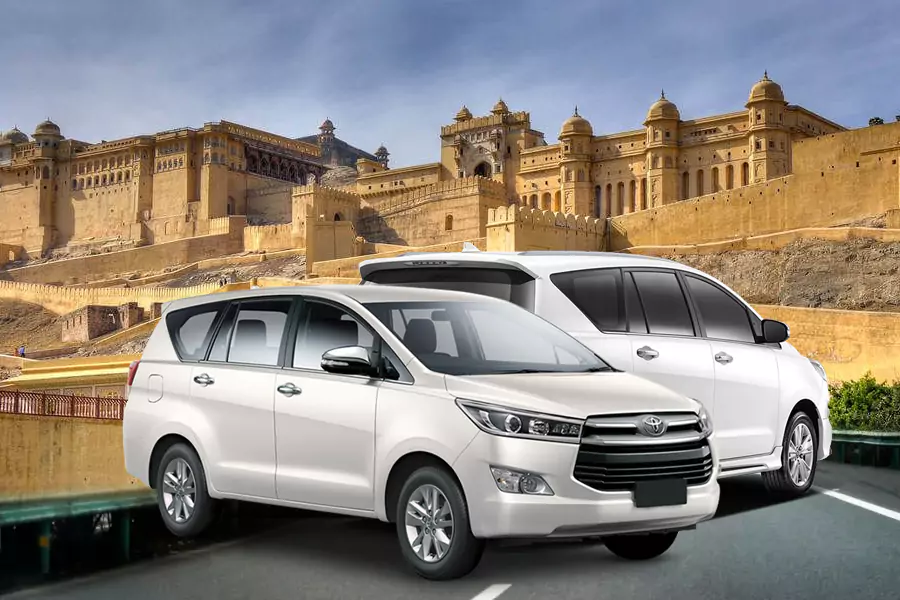
Understanding Rajasthan Taxi Pricing Structure
Rajasthan taxi pricing operates on a foundation that's different from app-based city cabs. For most multi-day tours and intercity travel, operators quote a per-kilometer rate combined with a minimum daily distance guarantee and a fixed driver allowance. This three-part structure is universal across reputable operators in the state.
Per kilometer rates explained
The per km rate you're quoted depends primarily on vehicle category. A compact sedan (Maruti Dzire, Hyundai Xcent) in Rajasthan typically costs between ₹10 and ₹14 per km. This is one of India's most competitive rates because Rajasthan has dense competition among taxi operators, especially around Jaipur, which serves as the state's tourism hub.
SUVs and MPVs like the Toyota Innova command ₹16 to ₹19 per km, reflecting their larger fuel consumption, maintenance costs, and premium comfort levels. Luxury SUVs (Fortuner, Kodiaq) jump to ₹25–₹30 per km, but these are rarely booked for standard Rajasthan circuits unless you're traveling with an extended family or corporate group seeking maximum comfort.
Tempo travellers for groups (9–13 seaters) are priced between ₹22 and ₹28 per km. While the per km rate seems high, when divided among 10–12 passengers, the cost per person often rivals or beats sedan pricing, making group tours economical.
Minimum daily distance and what it means
Nearly all Rajasthan tour operators enforce a minimum of 250 km per day billed distance. This means even if you use the car for local Jaipur sightseeing and cover only 120 km, you'll be charged as if you drove 250 km. This protects the operator's economics—drivers expect consistent daily income, and fuel/maintenance costs don't scale down for shorter days.
Some operators, particularly those based in remote areas like Jaisalmer or Jodhpur, set higher minimums (300 km per day) because they serve fewer tourists and need to ensure each booking generates sufficient daily revenue. Always confirm the minimum when comparing quotes.
Driver allowance (bata) breakdown
Beyond the per km charge, every operator adds a daily driver allowance ranging from ₹300 to ₹700 depending on the vehicle category and driver's experience. For economy cars, this is typically ₹300–₹400. For SUVs and premium vehicles, it climbs to ₹400–₹600, sometimes ₹700 for top-tier operators.
This allowance theoretically covers the driver's meals, rest, and accommodation (usually in mid-range or budget hotels). In practice, upscale operators include modest three-star hotel stays; budget operators provide basic accommodation or leave it partially to the traveler. Always clarify what's included in the bata when confirming your booking. Some operators might charge you separately for driver accommodation if not explicitly mentioned.
Tolls, state taxes, and parking fees
Rajasthan's highway network has multiple toll plazas, especially on NH-8 (Delhi-Jaipur), NH-15 (Jaipur-Jodhpur), and other national highways. A typical 5-day Rajasthan loop tour (Jaipur-Jodhpur-Jaisalmer-Udaipur-Jaipur) accumulates ₹800–₹1,500 in tolls. Smart operators estimate this upfront and include it in quotes; others collect it separately on the invoice.
Rajasthan doesn't have aggressive state-level taxi registration taxes like some other states, but parking charges at major hotels and monuments (especially the Taj Mahal approach in nearby Agra) are real. Budget ₹200–₹500 for parking across a multi-day tour. GST (18%) applies to the entire fare and is either pre-included or added at billing, so verify which approach your operator uses.
Types of Taxis Available in Rajasthan
Rajasthan's tourism infrastructure supports a diverse fleet of vehicles, from backpacker-friendly compact cars to luxury SUVs for premium travelers. Choosing the right vehicle affects not just your comfort but also your per-person cost, especially for group tours.
Economy sedans: The budget-conscious option
Vehicles like the Maruti Dzire, Hyundai Xcent, and Tata Tigor dominate the Rajasthan taxi market. These cars seat 4–5 people comfortably (including driver), handle Rajasthan's varied road conditions reasonably well, and are fuel-efficient. At ₹10–₹14 per km plus 250 km daily minimum, a day on the road costs roughly ₹2,800–₹3,900 plus driver allowance.
Economy sedans are ideal for couples, solo travelers, and small families willing to prioritize savings over luxury. They navigate narrow lanes in heritage cities (Jaisalmer, Jodhpur old towns) far better than bulky SUVs, which is a practical advantage beyond just cost.
Premium sedans and hatchbacks: The middle ground
Cars like the Honda City, Maruti Swift Dzire Premium, and Hyundai i20 offer a step up in space and comfort. They accommodate 5–6 people adequately for day tours, though sleeping arrangements on longer drives are roomier than economy cars. Rates are ₹13–₹16 per km, making daily costs around ₹3,600–₹4,600 plus bata.
These vehicles appeal to families wanting better comfort without jumping to SUV costs, and to couples prioritizing space for luggage or flexibility for rest during long drives.
SUVs and MPVs: The comfort sweet spot
The Toyota Innova, Mahindra XUV series, Renault Duster, and Ertiga are workhorses of the Rajasthan tour industry. These vehicles offer genuine comfort for 6–7 passengers, superior load capacity, better suspension for varied road conditions, and air-conditioning that handles Rajasthan's desert heat effectively. Per km rates are ₹16–₹19, translating to daily costs of ₹4,400–₹5,800 plus driver allowance.
Families of 5–7 people find SUVs economical on a per-person basis, and solo travelers or couples willing to upgrade from sedans for enhanced comfort often choose SUVs. The higher purchase price and maintenance costs for these vehicles justify the per km premium.
Luxury SUVs: The premium experience
Toyota Fortuner, Mahindra XUV700, and similar luxury SUVs cost ₹25–₹30 per km and are rarely booked for standard Rajasthan circuits. They appeal to ultra-high-net-worth travelers, corporate groups wanting executive comfort, or families combining Rajasthan with adjoining states and expecting consistent luxury throughout. Daily costs reach ₹7,000–₹9,000 before bata and taxes.
Tempo travellers: The group economy choice
For groups of 9–17 people, tempo travellers become economical despite per km rates of ₹22–₹28. A 12-person group splitting a tempo traveller at ₹6,000 per day (250 km minimum, ₹24/km) pays roughly ₹500 per person daily—cheaper than individual sedans. These vehicles are common for corporate outings, family reunions, and organized group tours.
Tempo travellers offer onboard air-conditioning, individual seats, and more luggage space than multiple cars. However, bathroom breaks and flexibility are more regimented than private cars, so they suit organized groups better than ad-hoc travelers.
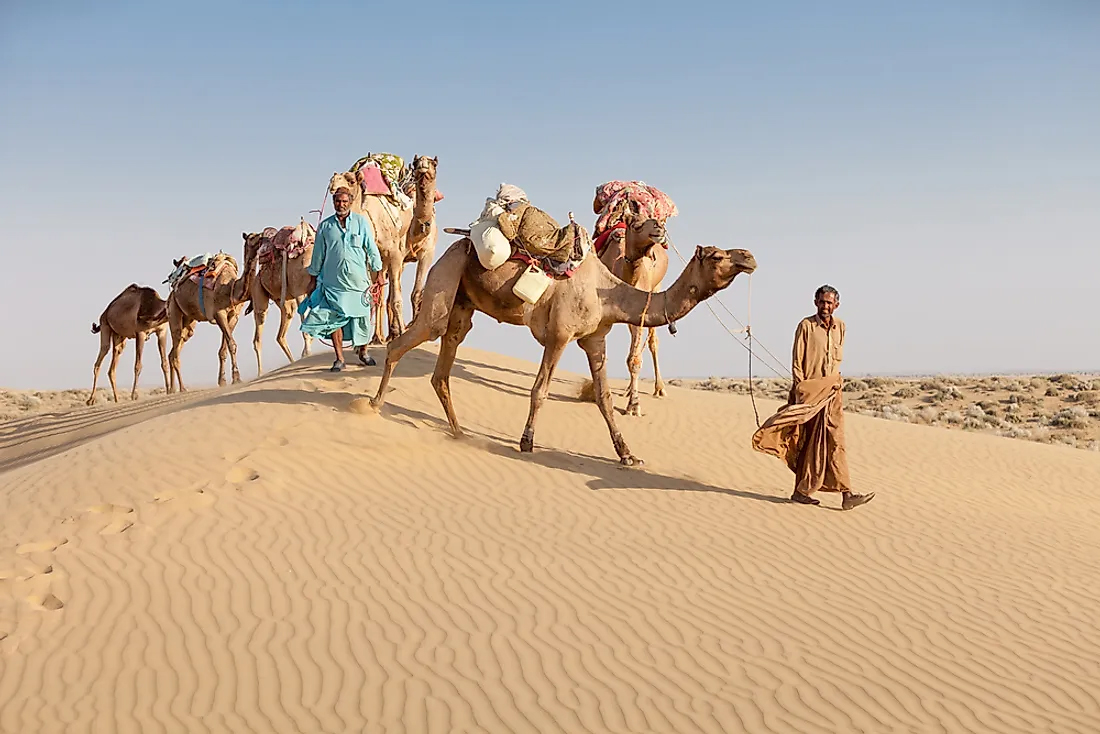
City-wise Taxi Rates Across Rajasthan
Rajasthan is geographically vast—over 340,000 square kilometers—and taxi rates vary by city based on local operator density, distance from major hubs, and demand seasonality. Understanding regional nuances helps you negotiate fairly and budget accurately.
Jaipur: The commercial hub
Jaipur is Rajasthan's tourism gateway, hosting both Delhi-bound travelers and tourists starting Rajasthan-specific circuits. Competition among taxi operators is intense, keeping rates competitive. Sedans in Jaipur operate at ₹11–₹13 per km, while SUVs are ₹16–₹18 per km. Driver allowance is ₹350–₹450 daily.
Local city tours in Jaipur (Hawa Mahal, City Palace, Albert Hall Museum) cost ₹2,500–₹3,500 for 8–10 hours using a sedan. The Jaipur-Udaipur route (398 km) is one of India's busiest intercity taxi routes, with operators competing aggressively—expect one-way fares starting from ₹3,992 for a sedan before taxes.
Udaipur: The lake city premium
Udaipur attracts high-end tourists, and taxi operators price accordingly. Sedans are ₹12–₹14 per km, SUVs are ₹16–₹19 per km. Driver allowance reaches ₹400–₹500 daily. The Udaipur to Mount Abu route (165 km, Rajasthan's only hill station) is a standard booking, starting from ₹3,265–₹5,000 one-way depending on vehicle type.
Udaipur-based operators often command premiums because inbound tourists are less price-sensitive, and the city's tourism infrastructure suggests higher-end service. However, booking directly with operators outside the hotel concierge saves 10–20% versus walk-in rates.
Jodhpur: The fortress circuit
Jodhpur serves as a key node between the Golden Triangle and desert routes. Rates here are moderate—sedans at ₹11–₹13 per km, SUVs at ₹16–₹18 per km. However, some Jodhpur-based operators enforce a 300 km daily minimum instead of 250 km, slightly increasing daily costs.
The Jaipur-Jodhpur route (360 km) starts from ₹4,500 one-way for a sedan. Jodhpur to Jaisalmer (250 km) is ₹3,000–₹3,500, and Jodhpur to Udaipur (400 km) is ₹4,500–₹5,500. These routes are less saturated than Jaipur-Udaipur, so you have more negotiation room with operators.
Jaisalmer: The desert frontier
Jaisalmer's remote location (570 km from Delhi, 475 km from Jaipur) means fewer operators and slightly higher rates. Sedans are ₹12–₹14 per km, SUVs are ₹17–₹19 per km. Many Jaisalmer operators quote a 300 km daily minimum because turnaround logistics from this isolated city are challenging.
Local Jaisalmer city tours cost ₹2,800–₹3,000 for sedans and ₹3,500–₹3,800 for SUVs (8–10 hours). Desert taxi pickups (Jaisalmer city to Sam sand dunes, 45 km) are flat-rated at ₹2,000–₹3,000 per vehicle round-trip, not per km, because of the standardized route.
Mount Abu: The hill station
Though technically in Rajasthan, Mount Abu (1,722m elevation) is only accessible from Udaipur (165 km) or Abu Road on the Gujarat border. The winding mountain road adds approximately 30–45 minutes to drive time compared to highway distances. Rates don't typically include a hill surcharge (unlike some Himalayan circuits), but check explicitly.
Udaipur to Mount Abu one-way: sedans ₹10–₹11 per km (₹3,000–₹3,265 flat), SUVs ₹15–₹16 per km (₹5,000 flat). Many operators offer this as a day trip from Udaipur rather than as a multi-day route. Round-trip packages are roughly double the one-way fare.
Pushkar: The spiritual circuit
Pushkar (145 km from Jaipur) is famous for its annual fair (October–November) and spiritual significance. During fair season, taxi rates spike 30–40% above normal due to demand surge. Off-season rates are competitive—Jaipur to Pushkar sedans cost ₹12 per km, approximately ₹1,750 one-way. Same-day round trips are priced at ₹2,200–₹2,600 for sedans.
Regional Route-wise Pricing: Sample Multi-Day Costs
Multi-day Rajasthan tours are priced by total trip distance and duration rather than daily rates. Here's what typical circuits cost in 2026 (pre-tax, before accounting for seasonal variations):
5-day Jaipur–Udaipur circuit (850 km, sedan): ₹21,500–₹27,500. This covers Jaipur–Agra–Gwalior–Udaipur or Jaipur–Jodhpur–Udaipur routes. Pricing varies based on exact routing and operator reputation.
6-day Jaipur–Jodhpur–Udaipur (900 km, SUV): ₹26,650–₹35,000. This popular circuit includes Pushkar, Jodhpur, and Udaipur. SUV pricing reflects comfort and group accessibility.
8-day Jaipur–Jodhpur–Jaisalmer–Udaipur (1,600 km, SUV): ₹42,500–₹55,000. This extensive desert circuit is Rajasthan's most comprehensive. Budget operators quote closer to ₹42,000; premium operators with superior vehicles command ₹50,000+.
4-day Jaipur–Agra–Jaipur (450 km, sedan): ₹16,950–₹21,000. This modified Golden Triangle (excluding Delhi return) is common for Rajasthan-focused travelers. The lower distance and familiar route mean competitive pricing.
Seasonal Price Fluctuations in Rajasthan (2026)
Rajasthan's tourism is intensely seasonal. The state draws nearly 50% of its annual tourist volume between October and February due to ideal weather. This seasonal concentration dramatically affects taxi pricing.
Peak season: October to March
This is Rajasthan's golden window. Temperatures are cool (15–25°C), humidity is low, and skies are clear. Domestic tourism peaks, and international tourists flock to heritage cities. Taxi operators have bookings 2–3 months in advance, and rate increases of 20–30% are standard.
A sedan quoted at ₹12 per km during off-season commands ₹14–₹15 per km during peak season. Booking within 2 weeks of travel often triggers an additional 5–10% premium because operators know you're desperate. The December-January holiday window (mid-Dec to early-Jan) sees the steepest premiums, sometimes touching 40% above baseline.
Pro tip: Booking 8–12 weeks before peak season travel locks you into better rates, even if the per km number looks identical to last-minute quotes. Early commitments allow operators to optimize their fleet allocation.
Shoulder season: September and April–May
September is post-monsoon; many roads and heritage sites are freshly revived, but tourist numbers are still low. April is when heat begins climbing, but mornings and evenings remain pleasant. Prices in shoulder season are 5–10% above off-season baseline, making this the sweet spot for budget-conscious travelers willing to accept slightly warmer weather or occasional residual monsoon moisture.
A sedan at ₹12 per km in July might be ₹12.50–₹13 per km in April. Flexibility on dates here can save substantial amounts on longer tours.
Off-season: June to August
Monsoon rains, intense heat, and low tourist numbers create a buyer's market. Operators offer discounts of 15–30% to fill idle vehicles. A sedan at ₹12 per km during peak season drops to ₹9–₹10 per km in July. However, roads can be challenging in rain, some heritage sites close for preservation, and the heat can be overwhelming for certain travelers.
Rajasthan's interior (away from monsoon-affected Western Ghats) remains relatively dry during monsoon, so Jaipur, Jodhpur, and Jaisalmer circuits are more viable than hill routes. If you're flexible on timing and prioritize cost, off-season Rajasthan (excluding Mount Abu) is an excellent value proposition.
Local City Tours vs. Multi-Day Outstation Taxis
New travelers sometimes confuse pricing for day-long city sightseeing taxis with multi-day intercity tours. Understanding the distinction prevents budget missteps.
Local city taxi rates in Rajasthan
For 8–10 hours of city sightseeing (typically 8 AM to 6 PM), Rajasthan operators charge flat daily rates unrelated to distance. Jaipur city tours: ₹2,500–₹3,500 for sedans, ₹3,500–₹4,500 for SUVs. Jodhpur: ₹2,500–₹3,000. Udaipur: ₹3,000–₹4,000. Jaisalmer: ₹2,800–₹3,500.
These rates are flat packages because city sightseeing involves numerous short hops—hotel to Hawa Mahal, then to City Palace, then to a restaurant—rather than continuous highway driving. Operators don't apply per km rates for such fragmented routing; they price based on hours and vehicle commitment instead.
Half-day local tours
For 4–5 hours, operators typically charge 40–50% of full-day rates. Jaipur half-day tours are ₹1,400–₹1,800 for sedans. This is useful for travelers wanting morning Hawa Mahal and breakfast, then heading outstation by midday.
Outstation vs. local: When to use each
Use a local city taxi when you're staying in a single city for 2+ days and want flexibility for sightseeing without committing to a long-distance taxi. Use an outstation taxi for intercity travel or when combining multiple cities in a single continuous tour. Mixing both is common: outstation taxi for Jaipur-Jodhpur-Jaisalmer, then local taxis in each city for specific sightseeing.
Private Taxi vs. App-Based Cabs: Rajasthan Edition
Rajasthan offers both traditional private taxi services and increasingly, app-based cabs (Ola, Uber). Here's when each makes sense.
Private outstation taxis: Pros and cons
Pros: Exclusive vehicle, personalized itinerary, driver becomes a local guide, flexible overnight stays, no surge pricing, ideal for groups, better luggage handling.
Cons: Higher per km cost, requires advance booking (sometimes weeks), driver quality varies, less transparent pricing structure than apps.
Best for: Multi-day tours, flexible itineraries, families, travelers wanting cultural immersion, groups of 4+.
App-based cabs in Rajasthan
Ola and Uber operate effectively in Jaipur and Udaipur for city-level bookings (airports, hotel transfers, city sightseeing). However, their availability drops sharply outside major cities—Jodhpur and Jaisalmer have limited coverage. Outstation bookings via apps are possible but not as streamlined as traditional operators.
Pros: Transparent pricing, app-based tracking, easy cancellation, familiar interface, no driver negotiation.
Cons: Surge pricing during peak demand (especially evenings and fair season), limited availability outside cities, driver quality inconsistent, drivers hesitant on long intercity routes.
Best for: Airport transfers in Jaipur, city sightseeing in Udaipur, solo travelers comfortable with shorter rides, travelers prioritizing convenience over flexibility.
Hybrid approach for Rajasthan tours
Smart travelers often use both: book a private outstation taxi for Jaipur-Jodhpur-Jaisalmer-Udaipur intercity portions, then use app-cabs for local city sightseeing in Udaipur where app coverage is strong. This balances cost, flexibility, and convenience. However, verify that switching vehicles doesn't trigger additional minimum distance charges with your outstation operator.
Sample Rajasthan Taxi Rate Table
This reference table covers typical Rajasthan taxi pricing by vehicle type, with realistic daily cost estimates based on 250 km minimum and regional averages.
| Vehicle Type | Seating | Per KM Rate (₹) | Daily Cost (₹) | Best For |
|---|---|---|---|---|
| Economy Sedan (Dzire, Xcent) | 4–5 | 10–14 | 2,750–3,950 | Budget travelers, couples, small families |
| Premium Sedan (City, i20) | 5–6 | 13–16 | 3,450–4,600 | Comfort-seeking families, small groups |
| SUV/MPV (Innova, Ertiga, Duster) | 6–7 | 16–19 | 4,400–5,850 | Families 5–7, adventure circuits, heritage tours |
| Luxury SUV (Fortuner, XUV700) | 7–8 | 25–30 | 6,500–8,250 | Ultra-premium, extended family, corporate |
| Tempo Traveller (9–13 seater) | 9–13 | 22–28 | 6,000–8,000 | Group tours, cost-efficient per person (₹500–700) |
How to Secure the Best Taxi Rates in Rajasthan
Understanding pricing structure is step one; negotiating effectively is step two. Here are proven strategies for getting genuine value.
Get multiple quotes with identical parameters
Email 4–5 established Rajasthan tour operators with your exact itinerary, dates, group size, and vehicle preference. Request written quotes with line-item breakdowns: per km rate, daily minimum, driver allowance, estimated tolls, and GST treatment. Comparing identical parameters reveals which operators are overpricing.
Book 8–12 weeks before peak season
During peak season (Oct–Mar), booking early gives you leverage. Operators offer subtle discounts to early planners—sometimes just 5% off or complimentary driver accommodation upgrades. More importantly, you secure the exact vehicle and dates you want; last-minute bookings get waitlisted or assigned inferior vehicles.
Negotiate ruthlessly during off-season
June to August is a buyer's market. If you can tolerate heat or monsoon risk, operators will negotiate 15–30% discounts, especially for bookings longer than 5 days. Frame it conversationally: "I'm flexible on dates and can book for 7 days. What's your best rate for that?" This often unlocks better pricing than quoting only a 3-day tour.
Ask for older, well-maintained vehicles
A 2019 Innova is nearly identical to a 2023 model for touring purposes. Asking for an older vehicle (with full service records) often yields ₹2–₹4 per km discounts. Operators appreciate straightforward negotiations and may reward your pragmatism with additional perks like a driver familiar with your destination region.
Clarify inclusions upfront
Request written confirmation of what's included: Are tolls estimated or collected separately? Is GST included in the per km rate or added at billing? Is driver accommodation included in bata? Are parking and entry-point vehicle parking fees included? Writing these down prevents disputes and billing surprises.
Consider loop itineraries over one-way
A Jaipur-Udaipur-Jodhpur-Jaipur loop avoids "repositioning charges" that one-way trips incur. Operators often give subtle discounts (₹500–₹1,500 per trip segment) for circular routing because vehicle logistics are simplified. If your travel plans allow it, design a loop.
Book through specialized Rajasthan operators, not generalists
Operators specializing in Rajasthan tours (with 5+ years track record, 20+ reviews online) price more fairly than new entrants or Delhi-based operators unfamiliar with regional nuances. Specialized operators have established relationships with local drivers, predictable vehicle maintenance, and reputation concerns that keep them honest.
Common Rajasthan Taxi Booking Mistakes
Learning from others' missteps saves thousands of rupees and prevents mid-tour frustrations.
Mistake 1: Comparing only per km rates
Operator A: ₹12 per km with 250 km minimum daily. Operator B: ₹14 per km with 250 km minimum. Operator A looks cheaper until you realize both charge the same daily minimum cost (₹3,000) and different driver allowances (A: ₹400, B: ₹500). Actual daily difference is just ₹100 plus variations in tolls and parking estimates. Compare total daily costs, not per km rates in isolation.
Mistake 2: Assuming all "SUVs" are equivalent
A 2015 Innova and a 2023 Innova are mechanically similar but vastly different in reliability and comfort. Always ask the specific model, manufacture year, seating configuration, and service history. Budget operators may offer vehicles with 200,000+ km on the odometer; premium operators maintain vehicles below 150,000 km. The difference in comfort and breakdown risk is significant.
Mistake 3: Ignoring the 300 km minimum from certain operators
Some Jaisalmer and Jodhpur operators quietly charge 300 km daily minimums instead of standard 250 km. Over a 5-day tour, this adds ₹1,500–₹2,500. Always explicitly confirm the minimum during the quote stage, not after booking.
Mistake 4: Forgetting toll estimates in total cost
A Jaipur-Jodhpur-Jaisalmer-Udaipur tour can accumulate ₹1,000–₹1,500 in tolls. New travelers sometimes forget this in budget calculations, leading to shortfalls by trip-end. Ask operators for a realistic toll estimate and add 10% buffer for actual variations.
Mistake 5: Changing dates or vehicle type after confirming
Last-minute date changes or vehicle downgrades (from SUV to sedan) incur rescheduling charges of ₹500–₹2,000 depending on how close to the booking date changes occur. Finalize travel plans before confirming; changes within 2 weeks of travel are often non-refundable or heavily penalized.
Mistake 6: Not clarifying cancellation and modification policies
Some operators offer full refunds for cancellations 30+ days before travel; others deduct 20–30%. Always request cancellation terms in writing. Travel insurance covering trip cancellations is worth buying for bookings 2+ months in advance.
Mistake 7: Underestimating driver expertise impact
An experienced driver who speaks English and knows Rajasthan's heritage and routes adds immense value—sometimes worth an extra ₹1,000–₹2,000 per day versus a new driver. If cultural commentary and smooth navigation matter, prioritize driver quality over per km savings. Budget operators pair you with drivers learning the trade; premium operators have drivers with 5+ years Rajasthan experience.
Frequently Asked Questions: Rajasthan Taxi Pricing
Q: Is ₹12 per km fair for a sedan in Rajasthan?
A: Yes, absolutely. Sedans in Rajasthan range from ₹10–₹14 per km depending on operator reputation, vehicle age, and booking timing. ₹12 per km is right in the middle of fair pricing. Compare it against driver allowance, toll estimates, and operator reviews to confirm overall value.
Q: Do I need to book a full week of taxi, or can I book individual days?
A: Most operators prefer 3+ days minimum bookings for intercity tours. Shorter bookings attract premium rates or repositioning charges. If your itinerary allows, combine city tours into a 4–5 day package rather than splitting bookings. Operators often give 5–10% discounts for longer commitments.
Q: What's included in the ₹400 driver allowance?
A: Driver allowance theoretically covers the driver's basic meals and budget-to-mid-range hotel accommodation. In practice, premium operators include 3-star stays; budget operators provide basic accommodation or partial subsidy. You should clarify this in writing: is driver accommodation included completely, partially, or not at all? Your responsibility is always the driver's meals if not explicitly included.
Q: Can I hire a taxi for just 2 days?
A: Yes, but expect premium rates. Most 2-day bookings incur a "short booking surcharge" of 10–20% above standard rates. A 3-day booking of the same route often costs less in total than stretching to 2 days at premium rates. If your Rajasthan itinerary allows, combining with local city tours to create a 3-day package is more economical.
Q: What's the best time of year to travel for the lowest taxi rates?
A: June to August offers the lowest rates (15–30% discounts), but monsoon and heat can be challenging. If you prefer comfortable weather with reasonable pricing, September and April–May (shoulder season) offer the sweet spot: 5–10% above off-season rates but significantly cheaper than peak season (Oct–Mar).
Q: Can I book a taxi without paying the full amount upfront?
A: Established operators typically request 30–50% advance deposit to confirm the booking, with the balance due 7 days before travel or upon pickup. Some operators collect the full amount upfront; others collect 50% on booking and 50% on day one. Clarify payment terms and cancellation refund policies in writing before depositing.
Q: Are driver tips included in driver allowance?
A: No. Driver allowance is the operator's cost; tips are your discretionary gesture based on service quality. Standard tipping is 5–10% of daily taxi cost or ₹100–₹300 per day, depending on your satisfaction. Tips are never obligatory but are appreciated for drivers who enhance your experience with cultural knowledge or exceptional service.
Q: What if the taxi breaks down mid-tour?
A: Reputable operators have backup vehicles or rapid repair networks to minimize disruption. Confirm their breakdown policy in writing before booking: Do they provide a replacement vehicle immediately? Do you get a refund for breakdown days? Budget operators may lack contingency plans; premium operators have backup vehicles on standby. This difference matters for peace of mind, especially on remote routes like Jaisalmer to Jodhpur.
Q: Is it cheaper to fly from Delhi to Jaipur then take a taxi, versus a taxi all the way from Delhi?
A: Delhi to Jaipur flight is typically ₹1,500–₹4,000 per person plus taxi from airport to hotel. The equivalent taxi ride (280 km) costs ₹3,000–₹3,500 plus tolls, all shared among passengers. For a couple, a taxi is cost-similar and more convenient (hotel pickup, no airport hassle). For a solo traveler, flying might save ₹500–₹1,000 but involves airport coordination. Consider your group size and comfort priorities.
Q: Do I need to book taxis in advance, or can I hire on-the-spot in Rajasthan?
A: During off-season, on-the-spot hiring in Jaipur is possible with 5–10% premiums over pre-booked rates. During peak season (Oct–Mar), advance booking 2–4 weeks prior is essential—good vehicles are already allocated, and you'll face limited options. For specific routes (Jaisalmer desert safaris, Udaipur-Mount Abu), booking at least 1 week ahead is recommended to secure the right vehicle and driver.
Conclusion: Plan Your Rajasthan Taxi Budget Like a Pro
Rajasthan's taxi market is competitive, transparent, and fair if you understand the underlying pricing structure. Whether you're embarking on the Golden Triangle extension to Rajasthan, a 7-day desert circuit, or a romantic lake-side journey to Udaipur, the framework in this guide applies universally.
The golden rule: seek transparent operators who provide written quotes with clear breakdowns, maintain well-serviced vehicles, and pair you with experienced drivers. A ₹1–₹2 per km premium often delivers superior reliability, comfort, and service compared to budget operators that penny-pinch on vehicle maintenance or driver experience.
Book 8–12 weeks in advance during peak season for better rates and vehicle choice. Use the rate tables and regional guidance here as reference points, but always request customized quotes for your specific itinerary. Most importantly, prioritize driver quality and vehicle condition over chasing the absolute lowest per km rate—your memories of Rajasthan's magnificent palaces, deserts, and lakes deserve comfortable, reliable transportation.
Safe travels through the land of kings. Your Rajasthan adventure awaits.
Recent Posts
 Amer Fort Boating 2026 Guide: Maota Lake Tickets & Timings
Discover Amer Fort’s new Maota Lake boating, updated 2026 ticket rates, timings, safety rules and best visiting months.
 Luxury Rajasthan Tour with Oberoi, Taj & Leela Hotels
Experience royal Rajasthan in comfort with Oberoi, Taj and Leela luxury palace stays.
 Luxury Tempo Traveller & Van Hire in India 2026 – Rates, Features & Booking
Enjoy luxury van hire in India for safe, comfortable family and group travel.
 Top 10 Vehicle Hire Companies in India for Tourists
Discover the top 10 vehicle hire companies in India offering safe, comfortable tourist travel.
 Delhi Agra Jaipur Tour by Luxury Car and Private Driver
Enjoy a Delhi Agra Jaipur tour with a luxury car, private driver and flexibility.
 Luxury Car and Driver for Comfortable Rajasthan Tour
Explore Rajasthan in comfort with a luxury car, private driver and flexible custom tour.
 Jaisalmer Travel Guide for Foreign Tourists: Best Time, Desert Tours & Tips
Plan your Jaisalmer trip with ideal seasons, desert tour packages and essential foreigner tips.
 Hidden Villages of Rajasthan: Offbeat Rural Experiences & Village Travel Guide
Hidden Villages of Rajasthan: Offbeat Rural Stays, Homestays & Authentic Village Life.
-
Amer Fort Boating 2026 Guide: Maota Lake Tickets & Timings
Discover Amer Fort’s new Maota Lake boating, updated 2026 ticket rates, timings, safety rules and best visiting months.
-
Luxury Rajasthan Tour with Oberoi, Taj & Leela Hotels
Experience royal Rajasthan in comfort with Oberoi, Taj and Leela luxury palace stays.
-
Luxury Tempo Traveller & Van Hire in India 2026 – Rates, Features & Booking
Enjoy luxury van hire in India for safe, comfortable family and group travel.
-
Top 10 Vehicle Hire Companies in India for Tourists
Discover the top 10 vehicle hire companies in India offering safe, comfortable tourist travel.
-
Delhi Agra Jaipur Tour by Luxury Car and Private Driver
Enjoy a Delhi Agra Jaipur tour with a luxury car, private driver and flexibility.
-
Luxury Car and Driver for Comfortable Rajasthan Tour
Explore Rajasthan in comfort with a luxury car, private driver and flexible custom tour.
-
Jaisalmer Travel Guide for Foreign Tourists: Best Time, Desert Tours & Tips
Plan your Jaisalmer trip with ideal seasons, desert tour packages and essential foreigner tips.
-
Hidden Villages of Rajasthan: Offbeat Rural Experiences & Village Travel Guide
Hidden Villages of Rajasthan: Offbeat Rural Stays, Homestays & Authentic Village Life.