How Much Cash Should I Carry in India? 2026 Safety & Payment Guide
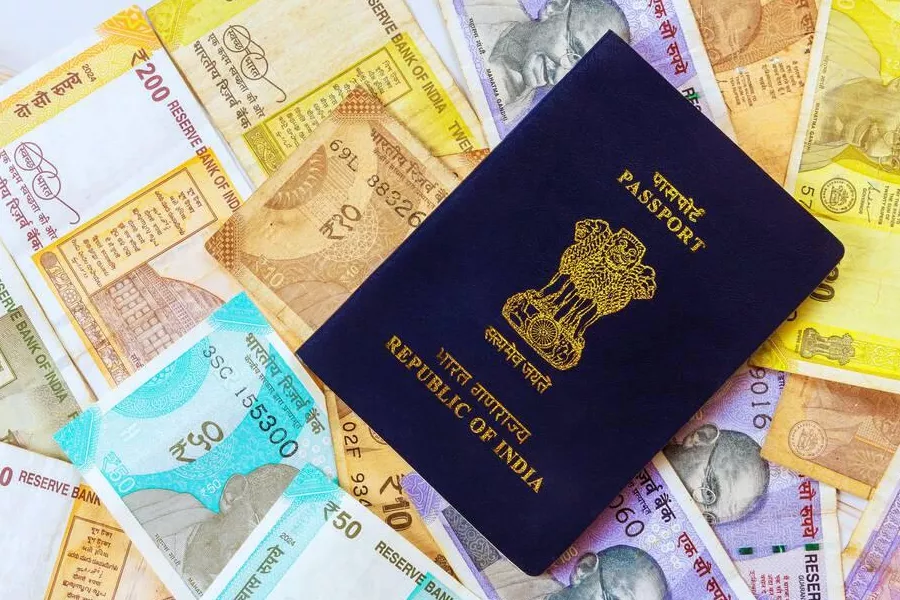
Money in India works differently than most Western countries. You can't just walk into a café and tap your card—some places don't take cards at all. ATMs break down on random Tuesdays. UPI (a mobile payment system) moves faster than anywhere else on earth, but your foreign phone might not register. The rupee fluctuates against foreign currency, and exchange rates vary wildly between banks, ATMs, and street vendors.
Get the money side wrong and you'll either waste money on bad exchange rates or find yourself stranded with empty pockets on a Sunday when banks are closed. Get it right and you move through India smoothly, paying what things actually cost instead of tourist prices.
This guide covers what's changed in 2026, how cash actually works in different parts of India, when to use cards vs mobile payment vs cash, and the specific mistakes that drain traveller wallets.
Indian Currency Basics: What You're Actually Dealing With
The Indian Rupee (₹ or INR) is the official currency. One rupee equals 100 paise. Exchange rates fluctuate daily, but generally hover around ₹83–₹86 to one US dollar (as of early 2026). The rate you get depends on where you exchange—airport rates are worst, ATMs are better, street vendors are best but carry risk.
Rupee Denominations: What Bills Actually Exist
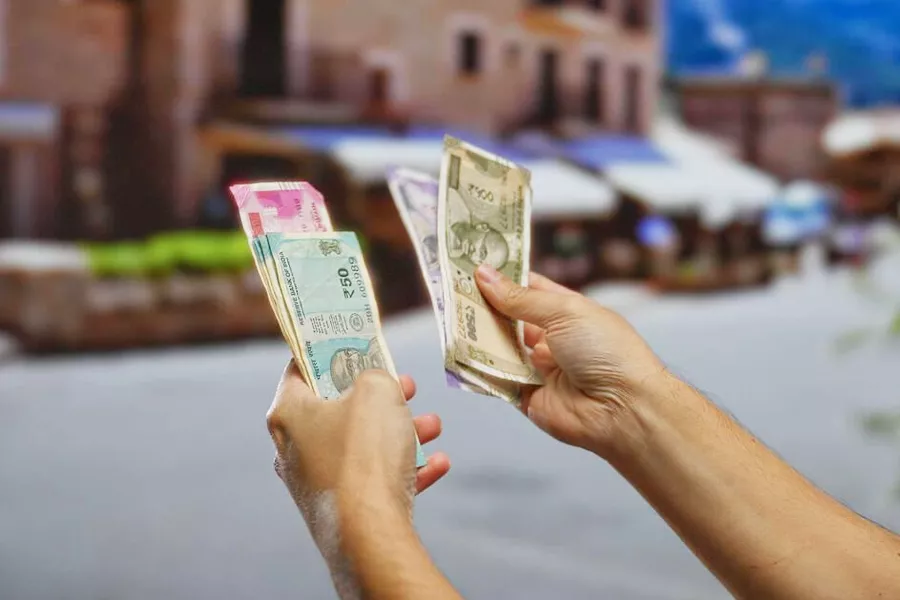
Indian notes come in these denominations: ₹10, ₹20, ₹50, ₹100, ₹200, ₹500, and ₹2000. The ₹500 and ₹2000 notes were introduced relatively recently (2016–2017), and some older shop owners still seem slightly skeptical about them, though they're completely legitimate.
In practice, you'll mostly use ₹100, ₹500, and ₹2000 notes. Anything smaller gets annoying because shopkeepers often don't carry change. Anything larger than ₹2000 doesn't exist.
| Denomination | Approximate USD Value | Common Use | Useful For |
|---|---|---|---|
| ₹10 | ~$0.12 | Rare in circulation | Avoid—hard to use |
| ₹20 | ~$0.24 | Tea, street snacks | Tips, small purchases |
| ₹50 | ~$0.60 | Small meals, autorickshaw | Local transportation, market shopping |
| ₹100 | ~$1.20 | Restaurants, hotels, shops | Most useful daily denomination |
| ₹200 | ~$2.40 | Hotels, mid-range restaurants | Good backup denomination |
| ₹500 | ~$6.00 | Hotels, restaurants, shops | Large purchases, tips to drivers |
| ₹2000 | ~$24 | Hotels, larger transactions | Biggest purchases; some small shops may not have change |
Coins: Technically Exist, Rarely Used
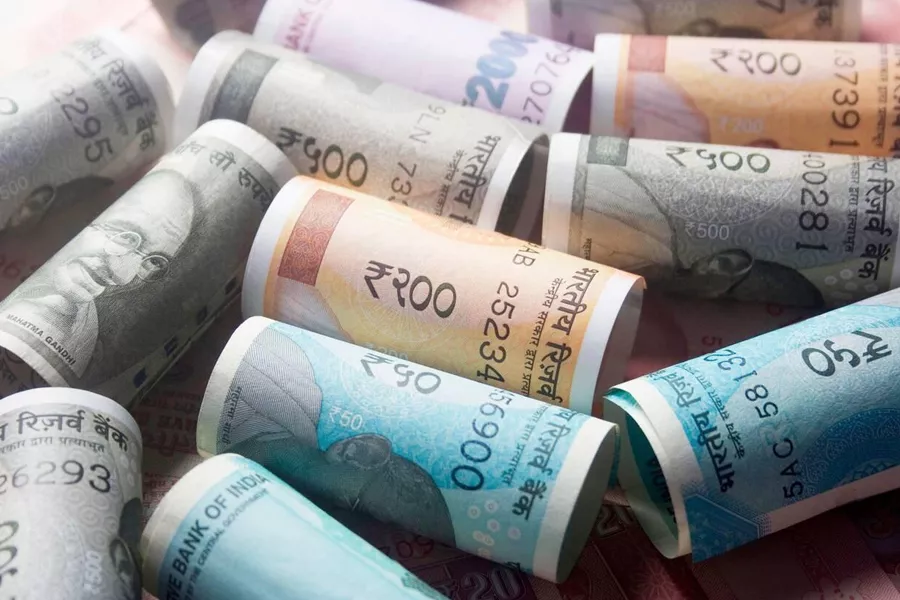
India has coins in denominations of ₹1, ₹2, ₹5, and ₹10. In reality, you'll almost never see them. Shopkeepers accumulate coins and don't have change, so they'll round your total up instead of fumbling with paise. Don't worry about coins—they're essentially obsolete in practice, even though they're officially legal tender.
Getting Indian Rupees: Exchange Rates & Where to Get Cash
Option 1: Airport Exchange (Convenient, Worst Rates)
You'll find exchange counters immediately after customs at every major airport. They're convenient because you can get rupees before leaving the airport. But the rates are terrible—usually 5–10% worse than you'd get elsewhere.
Use airport exchange only if you need rupees immediately and haven't arranged anything else. Otherwise, skip it.
Option 2: ATMs (Best Overall Option)
India's ATM network is massive. Every town has multiple ATMs from different banks (HDFC, ICICI, Axis, SBI). Your foreign debit card will work in most of them. The exchange rates are competitive—close to official rates. Fees depend on your home bank; some charge per-transaction fees (usually $2–5 USD equivalent), others don't.
Critical detail: Some Indian ATMs have daily withdrawal limits per card (usually ₹20,000–₹40,000 per transaction, but you can do multiple transactions). This rarely affects tourists, but it's worth knowing.
ATMs are available 24/7, but occasionally break down. Never rely on a single withdrawal location—always know where the next ATM is before you need it.
Option 3: Banks (Better Rates Than Airport, More Hassle)
You can exchange cash at any major bank. Rates are usually better than airports but slightly worse than ATMs. The process requires ID verification and takes 15–30 minutes. Banks also have limited hours—usually 10 AM to 4 PM weekdays, closed on weekends and holidays.
Use this option only if you have time and want to exchange large sums. For travellers, ATMs are faster and easier.
Option 4: Money Changers (Risky, Competitive Rates)
Licensed money changers exist in most cities and offer rates close to ATM rates. They're convenient because they have longer hours than banks. But unlicensed changers also exist, and it's hard to distinguish them. They sometimes offer slightly better rates to lure you in, then slip in hidden fees or give you counterfeit notes.
Use only licensed, established money changers in reputable locations—usually in hotel lobbies or shopping areas with other businesses. Avoid street vendors offering "better rates."
Option 5: Credit Card Cash Advances (Generally Avoid)
Your credit card will work at ATMs for cash advances, but interest accrues immediately and fees are high. Avoid this unless you're desperate.
When to Use Cash vs Cards vs UPI: Practical Strategy
Cash: Still King in Many Places
Despite India's digital payment revolution, cash is still necessary. Street food vendors, small bazaar shops, and local autorickshaws operate cash-only. Even places that accept cards might charge a 2–3% surcharge for card payments, making cash preferable.
Carry ₹1,000–₹2,000 ($12–24 USD equivalent) in small denominations (₹100 and ₹500 notes) for daily use. Carry another ₹5,000–₹10,000 as backup.
- Best for: Street food, markets, local transportation, tips, small purchases.
- Advantage: Accepted everywhere, no card processing delays, no digital problems.
- Disadvantage: Need to carry and track it, physical theft risk, can't prove spending.
Debit/Credit Cards: Good for Hotels & Restaurants
Established restaurants, hotels, larger shops, and tourist attractions accept cards. Visa and Mastercard work almost everywhere that takes cards. American Express has limited acceptance outside major tourist areas.
Important: Inform your bank you're traveling to India before you go. International transactions sometimes trigger fraud alerts that block your card. A quick call to your bank prevents awkward moments at payment time.
- Best for: Hotels, restaurants, shops, booking websites, large purchases.
- Advantage: Don't carry large sums of cash, lower fraud risk, easier expense tracking.
- Disadvantage: Not accepted everywhere, occasional surcharges, requires working internet/network.
UPI: Fastest Growing, But Not for Tourists (Usually)
UPI (Unified Payments Interface) is India's homegrown mobile payment system. It's faster than cards, cheaper than international transfers, and ubiquitous. Every street vendor and restaurant has a UPI code. You can send money between bank accounts instantly for essentially no fee.
The problem for foreign tourists: you need an Indian phone number and an Indian bank account to use UPI. You can't access it with a foreign number or foreign bank account. This is changing slowly, but as of 2026, it's still not available to most tourists.
Exception: If you're in India for extended periods or planning to return frequently, opening a free Indian bank account (technically possible with tourist visa and passport) makes sense. Then you can get a local SIM and use UPI like locals do.
- Best for: Long-term travellers, digital nomads, repeat India visitors, business people.
- Advantage: Instant transfers, zero fees, accepted everywhere, locals prefer it.
- Disadvantage: Requires Indian bank account and phone number, not feasible for most tourists.
Practical Money Strategy for Different Travel Styles
Short Tourist Visit (3–7 Days)
- Get ₹2,000–₹3,000 cash at the airport (yes, poor exchange rate, but you need immediate cash).
- Withdraw ₹10,000–₹15,000 from an ATM on day one (better rates, avoids airport exchange).
- Use cards for hotels and larger restaurants.
- Use cash for markets, street food, and tips.
- Keep cards as backup.
Medium Trip (8–20 Days)
- Skip airport exchange. Use ATM on arrival.
- Withdraw ₹20,000–₹30,000 spread across 2–3 ATM visits instead of one large withdrawal.
- This lowers your cash-on-hand theft risk and accommodates daily withdrawal limits.
- Mix cash, cards, and occasional money changer visits if you're based in one place.
Extended Stay (3+ Weeks) or Digital Nomad
- Open an Indian bank account (takes 1–2 hours with passport and proof of address).
- Link it to a local SIM card and get access to UPI and banking apps.
- Now you have access to the cheapest, fastest payment methods locals use.
- Still keep one international card for emergencies.
Tipping Culture & Small Money Management
Tipping: Not Mandatory but Expected
India doesn't have the aggressive tipping culture of the US, but tips are appreciated. Restaurants might add a service charge automatically (check your bill). If not, 10% is standard for good service. For drivers, hotel staff, and guides, ₹100–₹500 per day depending on service quality is appropriate.
Street food vendors and small shop owners don't expect tips—rounding up to the nearest ₹10 or ₹50 is enough.
Getting Change Issues (And How to Avoid Them)
Small shopkeepers sometimes don't have change. When paying with a ₹500 note for a ₹120 purchase, they might say "sorry, no change" and ask you to buy something else or round up. This is annoying.
Solution: Always keep ₹50, ₹100, and ₹200 notes in your wallet. Only use ₹500 or ₹2000 for larger purchases where change-giving is expected and inevitable.
Digital Payment Apps: What Actually Works for Tourists
Google Pay & Apple Pay (Very Limited for Tourists)
Google Pay and Apple Pay work in India, but only if your card is registered to your home country account. You can't easily register an international card to an Indian account. Use them only at large retailers that definitely support them (airports, malls, chain restaurants). For most of India, they won't work.
Revolut, Wise (TransferWise), & International Digital Wallets
Apps like Revolut or Wise offer better exchange rates than banks and let you convert money digitally before spending. If you have these apps and they're linked to an Indian card (through their services), they work well. If not, they don't solve the problem.
Setup typically requires time, so these work if you know you're coming to India in advance, not for spontaneous trips.
Exchange Rate Reality: What You'll Actually Pay
Exchange rates vary between different channels. Here's what you'd typically pay for $100 USD as of early 2026 (rates fluctuate, but this ratio stays relatively consistent):
- Airport exchange: ₹8,100–₹8,300 (worst rates, 3–5% loss).
- Hotel front desk: ₹8,200–₹8,400 (poor rates).
- Licensed money changer: ₹8,350–₹8,450 (decent rates).
- ATM withdrawal: ₹8,400–₹8,500 (good rates, close to official).
- Bank exchange: ₹8,450–₹8,550 (slightly better than ATM, more hassle).
The difference between worst (airport) and best (bank) rates is roughly $3–5 per $100 exchanged. That's meaningful but not catastrophic. For a two-week trip, it might cost you $10–20 in extra fees total.
Counterfeit & Damaged Notes: How to Spot Them
Counterfeit Notes (Rare but Exist)
Counterfeit rupees are relatively rare, but they do circulate. Indian notes have several security features to verify authenticity:
- Hologram: Look for the metallic security thread running vertically through the note.
- Watermark: Hold the note to light—you should see a faint image of Mahatma Gandhi.
- See-through register: There's a transparent window with the number visible from both sides.
- Microprinting: The denomination appears in tiny print.
- Color-shifting ink: The number in the bottom right corner changes color at different angles.
If a note feels wrong (too smooth, too thin, wrong texture), don't accept it. Ask the person who gave it to you for a replacement. Honest exchanges rarely refuse—they don't want counterfeit notes either.
Damaged Notes
Banks won't accept notes that are heavily torn, stained, or defaced. Small damage is fine—a small crease or minor tear won't prevent a note from being accepted. But don't worry too much. Indian notes are surprisingly durable, and you'd have to really destroy one for it to be rejected.
Losing Money or Cards: What to Do
Lost Cash
If you lose cash, it's gone. There's no recovery process. This is why not carrying massive amounts in cash matters. Losing ₹500 ($6) is annoying. Losing ₹20,000 ($240) ruins your trip.
Lost or Stolen Card
Call your card issuer immediately—you need the number in advance. Have a backup contact list of your bank's customer service numbers saved in your phone and written down separately. Most cards have fraud protection, and they'll either cancel the card or issue a replacement card at a nearby branch (major cities have branches of international banks).
This is why having two payment cards (not just one) is critical. If your primary card is lost or compromised, you're not stranded.
FAQ: Questions About Indian Money & Payments
Can I bring cash into India?
Yes, but with limits. You can bring unlimited cash, but amounts over $10,000 USD equivalent must be declared to customs on arrival. There's no penalty for declaring—they just log it. Undeclared large amounts can result in confiscation and fines.
What's the best exchange rate I can expect?
The official "spot rate" is what you'd see on financial websites. Your actual rate will be 1–2% worse due to bank and ATM margins. The best rates come from ATMs and banks. The worst rates come from airport exchanges and hotel concierges.
Is it safe to use ATMs at night?
Most ATMs in cities are in secure locations (banks, malls, markets) with good lighting and security cameras. It's reasonably safe. In remote areas, use ATMs during business hours. Use common sense—if a location feels unsafe, don't use that ATM.
Can I use my American Express card everywhere?
No. American Express is accepted at major hotels, upscale restaurants, and tourist-oriented shops, but many Indian businesses don't accept it. Visa and Mastercard are far more widely accepted. If you only have American Express, add a Visa or Mastercard.
Do I need to tip in rupees or can I tip in USD/EUR?
Tip in rupees only. Foreign currency is essentially useless to Indian workers—they can't easily exchange it. Always tip in rupees.
What happens if I accidentally give someone a counterfeit note?
Legally, they can ask you for a replacement or refuse the transaction. Practically, most people don't have counterfeit detection equipment and won't know. But don't deliberately try to pass counterfeit notes—that's fraud. Just verify your notes look legitimate when you receive them.
Is there a black market exchange rate that's better?
Unofficially, yes. Street money changers sometimes offer rates slightly better than banks. But this comes with risks: you might receive counterfeit notes, get scammed, or (theoretically) face legal issues. For tourists, the risk isn't worth a few percentage points better rate. Stick to official channels.
Can I use cryptocurrency?
India has a complex relationship with cryptocurrency. It's not banned, but it's heavily regulated and tax-scrutinized. Most businesses don't accept it. Converting cryptocurrency to rupees requires using exchanges, which have high fees and KYC requirements. For tourists, this is far more complicated than cash, cards, or UPI.
Money Management Checklist for India Trip
- Tell your bank you're traveling to India (prevents card blocks).
- Write down your bank's customer service number separately from your phone.
- Bring two different payment cards (Visa/Mastercard, not American Express only).
- Know where ATMs are near your first hotel before you arrive.
- Get emergency cash at airport only if arriving late/on weekend; otherwise use ATM day one.
- Carry cash separately from cards (divide across wallet, bag, hotel safe).
- Keep ₹50 and ₹100 notes for small purchases and tips.
- Check notes for security features when receiving change.
- Don't rely on a single card or wallet—redundancy is critical.
- Budget 10% tip for restaurant service when not automatically added.
Real Talk: Money Management Actually Matters
Getting money management right isn't exciting, but it determines how smoothly your India trip actually goes. You can have the best itinerary and worst money strategy, and you'll spend half your time stressed about finances. You can have a mediocre itinerary and smart money strategy, and you'll actually enjoy it.
The goal isn't to save every rupee—it's to have reliable access to money so you stop thinking about it and start focusing on the places, food, and people you came to experience. That's worth the small amount of planning required beforehand.
Recent Posts
 Amer Fort Boating 2026 Guide: Maota Lake Tickets & Timings
Discover Amer Fort’s new Maota Lake boating, updated 2026 ticket rates, timings, safety rules and best visiting months.
 Luxury Rajasthan Tour with Oberoi, Taj & Leela Hotels
Experience royal Rajasthan in comfort with Oberoi, Taj and Leela luxury palace stays.
 Luxury Tempo Traveller & Van Hire in India 2026 – Rates, Features & Booking
Enjoy luxury van hire in India for safe, comfortable family and group travel.
 Top 10 Vehicle Hire Companies in India for Tourists
Discover the top 10 vehicle hire companies in India offering safe, comfortable tourist travel.
 Delhi Agra Jaipur Tour by Luxury Car and Private Driver
Enjoy a Delhi Agra Jaipur tour with a luxury car, private driver and flexibility.
 Luxury Car and Driver for Comfortable Rajasthan Tour
Explore Rajasthan in comfort with a luxury car, private driver and flexible custom tour.
 Jaisalmer Travel Guide for Foreign Tourists: Best Time, Desert Tours & Tips
Plan your Jaisalmer trip with ideal seasons, desert tour packages and essential foreigner tips.
 Hidden Villages of Rajasthan: Offbeat Rural Experiences & Village Travel Guide
Hidden Villages of Rajasthan: Offbeat Rural Stays, Homestays & Authentic Village Life.
-
Amer Fort Boating 2026 Guide: Maota Lake Tickets & Timings
Discover Amer Fort’s new Maota Lake boating, updated 2026 ticket rates, timings, safety rules and best visiting months.
-
Luxury Rajasthan Tour with Oberoi, Taj & Leela Hotels
Experience royal Rajasthan in comfort with Oberoi, Taj and Leela luxury palace stays.
-
Luxury Tempo Traveller & Van Hire in India 2026 – Rates, Features & Booking
Enjoy luxury van hire in India for safe, comfortable family and group travel.
-
Top 10 Vehicle Hire Companies in India for Tourists
Discover the top 10 vehicle hire companies in India offering safe, comfortable tourist travel.
-
Delhi Agra Jaipur Tour by Luxury Car and Private Driver
Enjoy a Delhi Agra Jaipur tour with a luxury car, private driver and flexibility.
-
Luxury Car and Driver for Comfortable Rajasthan Tour
Explore Rajasthan in comfort with a luxury car, private driver and flexible custom tour.
-
Jaisalmer Travel Guide for Foreign Tourists: Best Time, Desert Tours & Tips
Plan your Jaisalmer trip with ideal seasons, desert tour packages and essential foreigner tips.
-
Hidden Villages of Rajasthan: Offbeat Rural Experiences & Village Travel Guide
Hidden Villages of Rajasthan: Offbeat Rural Stays, Homestays & Authentic Village Life.