Agra's Hidden Heart: The 2026 Guide to 20+ Secret Experiences Beyond the Taj
Everyone knows the Taj Mahal. Its image is seared into the global consciousness—a symbol of love, loss, and marble perfection. But to know only the Taj is to know only the title of a profoundly rich novel. The real Agra, the living, breathing city, exists in the quiet lanes that wind away from the tourist coaches, in the centuries-old workshops where artisans' hammers still tap the same rhythms, and in the serene gardens that frame the monument in silence. This 2026 guide is your passport to that Agra. We’re going far beyond the standard itinerary to uncover over 20 authentic encounters that reveal the city’s soul, from forgotten Mughal tombs and vibrant, chaotic bazaars to community-led walks and culinary secrets. Prepare to trade the well-trodden path for a journey of genuine discovery.

1. Sheroes Hangout: Where Your Coffee Fuels Courage
Begin your journey not with a monument, but with a movement. Sheroes Hangout is far more than a café; it's a radiant beacon of resilience run by survivors of acid attacks. Stepping inside, you're greeted not by pity, but by powerful warmth and stunning artwork. The experience is fundamentally human—you can share a conversation, admire the handcrafted jewelry and books, or simply enjoy a thoughtfully prepared meal. Every rupee spent here directly supports these remarkable women's livelihoods, legal battles, and their mission to reclaim their lives with dazzling courage. It’s the most meaningful start to any Agra exploration, offering a perspective on modern India that no guidebook can.
Insider Tip for 2026: Go beyond lunch. Visit in the late afternoon for a quieter moment. Consider buying a book or a piece of craftwork from their small shop—it makes for a souvenir with a powerful story.
2. Itimad-ud-Daulah: The "Baby Taj's" Intimate Brilliance
Often called the "dress rehearsal" for the Taj Mahal, Itimad-ud-Daulah (or the Baby Taj) is a masterpiece that deserves a standing ovation of its own. Built two decades before the Taj, this mausoleum for Mirza Ghiyas Beg, Mumtaz Mahal's grandfather, is where the signature Mughal style of pietra dura (intricate stone inlay) truly came into its own. The scale is intimate, allowing you to get up close and marvel at the intricate floral patterns, geometric designs, and delicate marble screens (jalis) that filter the sunlight into dancing patterns. The atmosphere is one of scholarly quiet, a world away from the crowds, offering a peaceful space to appreciate the artistic evolution that culminated in its more famous descendant.

Location & Logistics: Eastern bank of Yamuna River | Timings: 6:00 AM - 6:00 PM | Entry: ₹30 (Indians), ₹310 (Foreigners). Pro Tip: Visit here before the Taj Mahal. Seeing the craftsmanship here first makes your visit to the Taj an even richer experience, as you'll recognize the artistic lineage.
3. Mehtab Bagh: The Postcard View, Without the Crowds
For the iconic, unobstructed view of the Taj Mahal that feels like your own secret, Mehtab Bagh (the Moonlight Garden) is Agra's worst-kept, yet wonderfully uncrowded, secret. This charbagh (four-part Mughal garden) was designed to align perfectly with the Taj across the Yamuna. While sunrise is magical, sunset here is pure alchemy. As the sun dips, it paints the white marble in successive washes of gold, blush pink, and dusky blue. Bring a picnic, find a spot on the lawn, and watch as the monument seems to float above the river. It's a contemplative and profoundly romantic experience that captures the Taj's beauty without the jostle of the main complex.
Photography Note: The light is best in the hour before sunset. A mid-range zoom lens (70-200mm) is perfect for capturing stunning framed shots from across the river.
4. The Mughal Heritage Walk: A Village, A View, and A Living History
This isn't just a walk; it's a journey into the living heritage that surrounds the Taj. Organized by a community-based organization, the walk begins in the agrarian village of Kachhpura. You'll traverse fields, pass by 16th-century Mughal waterworks (the "Nahr-i-Amb"), and step into the heart of village life. The culmination is a climb to a secluded rooftop that offers a breathtaking, rear-angle view of the Taj Mahal—a perspective seen by perhaps 1% of its visitors. The real magic, however, is in the stories shared by your local guide about community, history, and what it's like to live in the shadow of a world wonder.
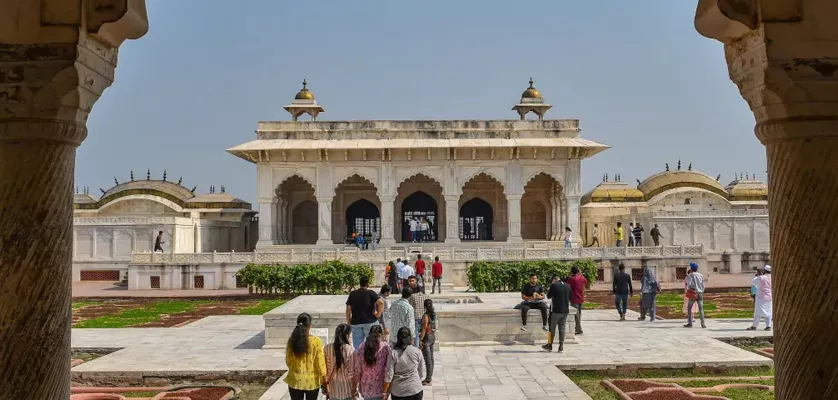
Booking & Ethos: Walks must be booked in advance through their website or local NGOs. This ensures your fee directly benefits the village community, making your visit a force for sustainable tourism.
5. Kinari Bazaar: Dive into Agra's Sensory Symphony
Step off the historic Jama Masjid steps and plunge into Kinari Bazaar, a swirling, shimmering universe dedicated to celebration. This is where Agra comes to shop for weddings. The lanes are a sensory overload of glittering zari (metallic thread), rainbow-hued lehengas, fragrant mounds of rose petals, towering tinsel decorations, and every conceivable accessory for a grand Indian wedding. Don't come with a shopping list; come to get lost. Watch craftsmen at work, absorb the frantic energy, and let the vibrant chaos wash over you. It's a photographer's paradise and the most vivid slice of local life you'll find.
Navigate Like a Local: Go in the late morning or early evening. Be prepared for narrow, crowded lanes. Keep your bag secure and your camera ready. A polite "nahi, shukriya" (no, thank you) works if you're not interested in shopping.
6. Chini Ka Rauza: The Forgotten Persian Jewel
A five-minute walk from Itimad-ud-Daulah lies one of Agra's most unique and melancholic treasures: Chini Ka Rauza, the tomb of Afzal Khan, a Persian poet in Shah Jahan's court. Its name means "China Tomb," a reference to the stunning glazed tile work (kashi) that once covered its entire façade. While time has stripped much of it, the remaining patches of turquoise, yellow, and green hint at its former glory—a rare burst of Persian ceramic art in a city of red sandstone and white marble. The site is often deserted, overgrown, and hauntingly beautiful, offering a quiet moment for reflection on the passage of time.
7. Sur Sarovar Bird Sanctuary: An Oasis of Wings and Calm
When the history and hustle become overwhelming, escape to the tranquil waters of Sur Sarovar (Keetham Lake). Just a 40-minute drive from the city center, this man-made reservoir is a vital stop on the Central Asian migratory flyway. From November to February, it transforms into a twitcher's paradise, hosting thousands of birds including sarus cranes, greylag geese, various storks, and countless ducks. Rent a cycle or take a gentle walk along the bund. The only sounds are the lapping of water and the chorus of birdcalls—a perfect antidote to a day of monument-hopping.

Best Time & Tips: Visit at dawn for the highest bird activity. Carry binoculars. Combine it with a visit to the nearby Soor Sarovar Bird Sanctuary for a full day in nature.
8. Breakfast like a Local: Bedai & Jalebi
Start your day with Agra's iconic and beloved breakfast combination. Bedai are spicy, deep-fried lentil dumplings served with a tangy potato curry. The magic happens when you pair it with hot, syrupy jalebis. This sweet-and-savory explosion is a daily ritual for many locals and a culinary adventure you won't forget. Head to any bustling local eatery in the old city in the morning to experience this authentic start to the day.
9. Taste the City's Signature Snack: Dalmoth
Dalmoth is Agra's famous dry namkeen (savory snack). This spicy, crunchy mix of lentils, nuts, and spices is utterly addictive and the city's go-to edible souvenir. For the best experience, visit an iconic shop like Bhagat Halwai to watch it being freshly prepared and packaged. A packet of Dalmoth is perfect for munching on during your travels or gifting to foodie friends back home.
10. Street Food Feast at Sadar Bazaar
As evening falls, the bustling Sadar Bazaar transforms into a street food lover's heaven. Follow the crowds and the aroma to find stalls serving Agra's best chaat. Sink your teeth into crispy aloo tikki (potato patties), experience the explosive flavors of pani puri, and try other local favorites. It's a delicious, affordable, and utterly immersive way to connect with the city's vibrant street culture.
11. Jahangir's Palace: The Private Quarters of an Empire
Within the mighty Agra Fort, most visitors flock to the public audience halls or the romantic Musamman Burj. Seek out Jahangir's Palace instead. Built by Akbar for his son, it is a magnificent example of Akbar's signature fusion style—robust red sandstone structures with ornate Hindu-style carvings and brackets. Wandering through its vast, empty courtyards and chambers, you can almost hear the whispers of courtly life, private intrigues, and royal family dramas. It offers a sense of domestic scale and architectural experimentation that contrasts powerfully with the fort's military might.
12. Mankameshwar Temple: An Ancient Shiva Shrine
Nestled by the banks of the Yamuna near the fort, the ancient Mankameshwar Temple is one of Agra's most significant Shiva temples. The atmosphere is intense and devout, filled with the scent of flowers and incense. Visiting during the evening aarti (prayer ceremony) is particularly powerful, as the sound of bells and chants creates a mesmerizing spiritual experience, offering a glimpse into the city's deep-rooted Hindu traditions.
13. Jama Masjid: Serene Grandeur Near the Fort
Not to be confused with Delhi's namesake, Agra's own Jama Masjid is a colossal and stunning mosque built by Shah Jahan's daughter, Jahanara Begum. Located near Agra Fort, its vast sandstone courtyard and elegant domes offer a moment of serene grandeur away from the crowds. It stands as a magnificent testament to the Mughal era's architectural prowess and the spiritual life of the city.
14. The Roman Catholic Cemetery: A Green, Peaceful Time Capsule
Tucked away in a quiet corner, the Roman Catholic Cemetery is a poignant and beautifully maintained green space. It holds ornate 17th and 18th-century graves of European traders, travelers, and officials who made Agra their home. Wandering among the old tombstones with their faded inscriptions tells a silent, fascinating chapter of Agra's cosmopolitan past and its historical connections with the West.

15. Witness Marble Inlay (Pietra Dura) Artisans at Work
The skills that built the Taj Mahal are alive in small, family-run workshops. Visit one to see artisans hand-cutting semi-precious stones like lapis lazuli, carnelian, and malachite into delicate shapes, then painstakingly inlaying them into marble slabs. The tap-tap of their tiny hammers is the sound of a centuries-old legacy continuing. It's a mesmerizing, slow art form that will deepen your appreciation for the monument's craftsmanship.
16. Discover Zardozi & Embroidery Workshops
In the narrow lanes around the Taj Ganj area, you can find craftsmen bent over fabric, creating the elaborate gold and silver thread embroidery known as zardozi. This luxurious craft, once used for Mughal court attire, now adorns modern garments. Peeking into these small workshops offers a glimpse of the meticulous handwork that goes into creating these glittering textiles.
17. Shop for Agra's Famous Leather Goods
Agra is a major hub for leather craftsmanship. While the large tanneries are outside the city, numerous shops offer high-quality leather goods. From finely stitched journals and bags to shoes and jackets, you can find beautifully made products. It’s a chance to take home a piece of Agra's artisanry that isn't marble.
18. Mohabbat the Taj: A Spectacular Cultural Show
For a theatrical interpretation of the love story behind the monument, "Mohabbat the Taj" at the Kalakriti Cultural Centre is a popular spectacle. Using dance, drama, music, and impressive sets, it brings the legend of Shah Jahan and Mumtaz Mahal to life. While clearly designed for tourists, it’s a professionally produced show that can add emotional context and a cool, entertaining evening to your itinerary, especially if traveling with family.
Logistics: Shows typically run at 6:30 PM and 8:30 PM. Book tickets in advance online or through your hotel. The auditorium is modern and air-conditioned.
19. Sleep in History: Heritage Stays & Havelis
Skip the international chains and choose a heritage homestay or boutique hotel. These are often restored colonial bungalows or traditional havelis (mansions) filled with antique furniture, courtyards, and personalized hospitality. Waking up in a century-old building, enjoying a homemade breakfast on a verandah, connects you to Agra's genteel past in a way no standard hotel room can.
20. Hot Air Ballooning: A Dawn Flight Over the City
For the ultimate splurge and a memory that will last a lifetime, a hot air balloon ride over Agra is unparalleled. Drifting silently over the waking city as the sun rises, seeing the Taj Mahal, Agra Fort, and the snaking Yamuna River laid out like a miniature map beneath you, is an experience of pure magic. It redefines your sense of scale and place. Operators follow strict safety protocols and flights are weather-dependent, typically offered in the cooler months from October to March.

21. Yamuna River Perspective: A Boat Ride at Dusk
See the Taj Mahal as the Mughal emperors intended—from the water. While formal boat rides near the Taj are often seasonal, arranging a small boat along the Yamuna at dusk offers a uniquely peaceful perspective. Watch the monument's reflection shimmer in the water as the day ends. It's a simple, serene experience that connects you to the river that is so integral to Agra's history and scenery.
22. Guided Food Walk: The Ultimate Culinary Deep Dive
To truly navigate Agra's delicious chaos, book a guided food walk with a knowledgeable local. They'll take you to the best, most hygienic street stalls and hole-in-the-wall eateries you'd never find on your own, explaining the history and ingredients behind each dish. It's the safest and most informative way to embark on a full-fledged culinary adventure through the city's back lanes.
Crafting Your Perfect Offbeat Agra Itinerary (2026 Edition)
To weave these experiences together, think thematically rather than just geographically.
- The Thoughtful Traveler (2 Days): Day 1: Sheroes Hangout, Itimad-ud-Daulah, Chini Ka Rauza, Mehtab Bagh sunset. Day 2: Mughal Heritage Walk, a marble workshop visit, Kinari Bazaar.
- The Culture & Food Devotee (2 Days): Day 1: Guided food walk in Sadar/Kinari area, Jama Masjid, heritage stay relaxation. Day 2: Petha tasting, craft workshop tours, evening cultural show.
- The Slow Explorer (3 Days): Day 1: Major sites (Taj, Agra Fort). Day 2: Baby Taj, Chini Ka Rauza, Sur Sarovar for birdwatching. Day 3: Mughal Heritage Walk, market exploration, sunset boat ride (if available).
Essential 2026 Tips: Book the Taj Mahal tickets online in advance to skip long queues. Hire a knowledgeable, government-approved guide for the major monuments—it transforms the experience. Always agree on auto-rickshaw fares before getting in. Dress modestly at all religious sites.
Conclusion: Finding Your Own Agra
The Taj Mahal is, and will always be, Agra's crown jewel—a sight that justifies any journey. But the city that holds it is so much more. By spending time in its forgotten corners, supporting its social enterprises, talking to its artisans, and tasting its street-side delights, you move from being a spectator to a participant. You'll find that Agra's true magic isn't locked in marble; it's in the resilient smile at Sheroes, the focused tap of the inlay artist's hammer, the golden glow on the Yamuna at dusk, and the vibrant, unending hum of life that has pulsed here for centuries. That is the hidden heart of Agra, and it's waiting for you to discover it.
Recent Posts
 Amer Fort Boating 2026 Guide: Maota Lake Tickets & Timings
Discover Amer Fort’s new Maota Lake boating, updated 2026 ticket rates, timings, safety rules and best visiting months.
 Luxury Rajasthan Tour with Oberoi, Taj & Leela Hotels
Experience royal Rajasthan in comfort with Oberoi, Taj and Leela luxury palace stays.
 Luxury Tempo Traveller & Van Hire in India 2026 – Rates, Features & Booking
Enjoy luxury van hire in India for safe, comfortable family and group travel.
 Top 10 Vehicle Hire Companies in India for Tourists
Discover the top 10 vehicle hire companies in India offering safe, comfortable tourist travel.
 Delhi Agra Jaipur Tour by Luxury Car and Private Driver
Enjoy a Delhi Agra Jaipur tour with a luxury car, private driver and flexibility.
 Luxury Car and Driver for Comfortable Rajasthan Tour
Explore Rajasthan in comfort with a luxury car, private driver and flexible custom tour.
 Jaisalmer Travel Guide for Foreign Tourists: Best Time, Desert Tours & Tips
Plan your Jaisalmer trip with ideal seasons, desert tour packages and essential foreigner tips.
 Hidden Villages of Rajasthan: Offbeat Rural Experiences & Village Travel Guide
Hidden Villages of Rajasthan: Offbeat Rural Stays, Homestays & Authentic Village Life.
-
Amer Fort Boating 2026 Guide: Maota Lake Tickets & Timings
Discover Amer Fort’s new Maota Lake boating, updated 2026 ticket rates, timings, safety rules and best visiting months.
-
Luxury Rajasthan Tour with Oberoi, Taj & Leela Hotels
Experience royal Rajasthan in comfort with Oberoi, Taj and Leela luxury palace stays.
-
Luxury Tempo Traveller & Van Hire in India 2026 – Rates, Features & Booking
Enjoy luxury van hire in India for safe, comfortable family and group travel.
-
Top 10 Vehicle Hire Companies in India for Tourists
Discover the top 10 vehicle hire companies in India offering safe, comfortable tourist travel.
-
Delhi Agra Jaipur Tour by Luxury Car and Private Driver
Enjoy a Delhi Agra Jaipur tour with a luxury car, private driver and flexibility.
-
Luxury Car and Driver for Comfortable Rajasthan Tour
Explore Rajasthan in comfort with a luxury car, private driver and flexible custom tour.
-
Jaisalmer Travel Guide for Foreign Tourists: Best Time, Desert Tours & Tips
Plan your Jaisalmer trip with ideal seasons, desert tour packages and essential foreigner tips.
-
Hidden Villages of Rajasthan: Offbeat Rural Experiences & Village Travel Guide
Hidden Villages of Rajasthan: Offbeat Rural Stays, Homestays & Authentic Village Life.