World Heritage Sites in Delhi: Complete Guide to Red Fort, Qutub Minar & Humayun’s Tomb
So you’re planning a Delhi trip and actually want to see the real big historical places, not bas random Instagram spots? This chilled guide walks you through all three UNESCO World Heritage Sites in Delhi – Red Fort, Qutub Minar complex and Humayun’s Tomb – with very simple tips and some rough ideas on how to plan your day.
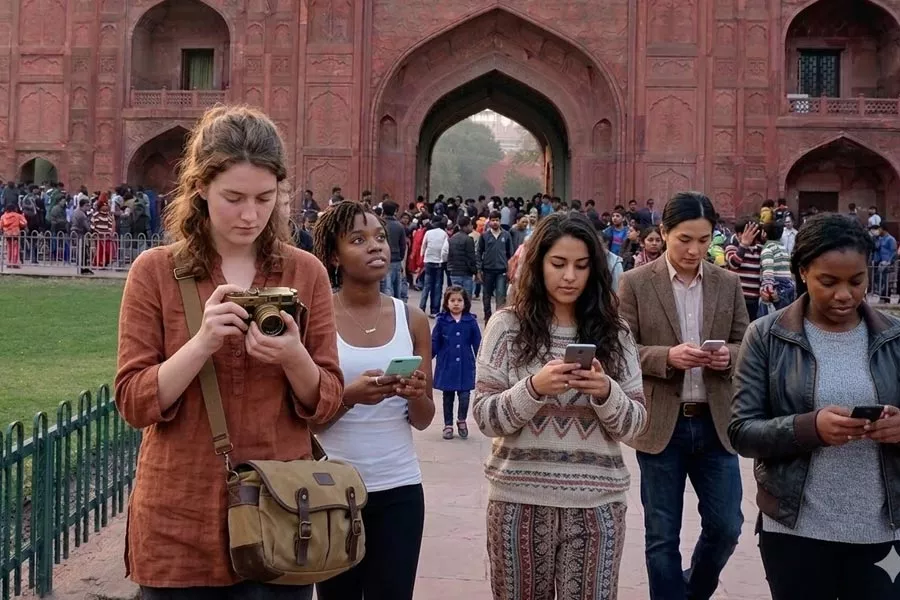
Delhi is funny that way. One moment you’re stuck in noisy traffic, fighting with autos and buses next to a glass office tower, and then suddenly, after one small turn, you’re standing in front of a 400‑year‑old fort or a tall stone tower from the 12th century. If you like history even thoda sa, this old‑meets‑new mix actually feels pretty cool in real life.
The best part: three of these famous places are not just “tourist spots”, they’re officially marked as UNESCO World Heritage Sites – the Red Fort, the Qutub Minar and its group of monuments, and Humayun’s Tomb. And honestly, each one has its own mood. One feels like a small royal city hiding behind long red walls, one is basically a broken‑but‑beautiful playground of arches and ruins, and one is a quiet garden tomb that shows the style which later became the Taj Mahal look you already know.
I’m writing this more like how I’d explain it to a friend over chai, not like a boring history textbook. Language is simple on purpose, but still detailed enough so you can plan a proper “World Heritage day” in Delhi without getting stressed. Read it slowly, skip what you don’t need, and then make your own route instead of running everywhere in full tourist panic mode.
UNESCO World Heritage Sites in Delhi at a Glance
Before we go monument by monument, let’s do a super quick overview. Treat this small part like a cheat sheet. Once you know roughly what each place is about and what kind of vibe it gives, deciding where to start, how much time to keep, and which one to save for later in the day becomes way easier.
| Site | Main Era | Highlight |
|---|---|---|
| Red Fort (Lal Qila) | 17th century Mughal | Royal palace-fort, independence symbol, huge red sandstone walls. |
| Qutub Minar & Its Monuments | Late 12th–13th century Sultanate | 72 m brick minaret, early mosque, iron pillar and atmospheric ruins. |
| Humayun’s Tomb | 16th century Mughal | First grand garden-tomb in India, inspiration for the Taj Mahal. |
Officially, UNESCO lists these three because they show how Delhi evolved under different dynasties and how architecture changed from early Islamic styles to full Mughal glory. For you as a visitor, they’re simply three very different, very beautiful places that are absolutely worth the time.
Red Fort: Palace City and Independence Icon
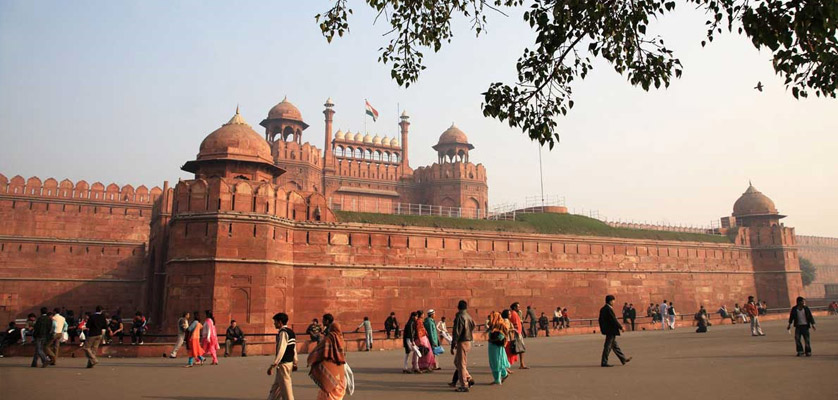
Let’s start with the big one: the Red Fort, or Lal Qila. This is not just any old fort – for almost 200 years it was the main residence of the Mughal emperors in Delhi, and today it’s where India’s Prime Minister hoists the national flag every Independence Day. When you stand outside and look at the long, high walls of red sandstone, it really does feel like a whole city hidden behind them.
The fort was commissioned in 1639 by Emperor Shah Jahan, the same ruler who built the Taj Mahal, and finished in the 1640s. Inside, there used to be a proper royal town – halls where the emperor met his subjects, private audience chambers, palaces, water channels, gardens and markets. Even though not everything has survived perfectly, there is still enough here to give you that strong Mughal atmosphere: marble pavilions, carved arches, and long walkways where you can picture processions moving slowly through the complex.
What Makes Red Fort a World Heritage Site?
Red Fort is recognised as a World Heritage Site because it represents the height of Mughal power and artistic style in Delhi, mixing Persian, Timurid and Indian influences in one grand ensemble. It also symbolises the shift from Mughal rule to colonial rule and finally to independent India, which is why it still appears in news footage every 15 August when the flag goes up and the Prime Minister gives the national address.
For you as a visitor, you do not need to remember all the dates and dynasties to enjoy it. What you really notice is the feeling of walking through big open courtyards and shaded colonnades, peeking into old throne rooms and listening to stories from guides about court life, royal drama and the way the British later took over the complex.
Visiting Tips for Red Fort
Try to arrive earlier in the day if you can, especially in winter when fog and crowds can build up later. Morning light on the red walls looks great in photos, and you’ll have a bit more breathing space. Most people take around two hours inside if they walk at a relaxed pace and stop for photos.
Red Fort is right next to Old Delhi, so it pairs really well with Jama Masjid and Chandni Chowk in the same half day. Many travellers visit the fort first, then head into the lanes of Old Delhi for food and markets, or do it the other way around depending on the weather and time of day.
Qutub Minar & Its Monuments: Where Delhi’s Story Begins

The Qutub Minar complex in Mehrauli feels very different from the Red Fort. Instead of one big fort, you get an open, slightly wild feeling space full of ruins, arches and broken walls, with the tall minaret rising above everything. Construction of the minar began in the 1190s under Qutb‑ud‑din Aibak and continued under his successors, and today it stands at about 72 metres high. When you stand at the base and look up, it really does seem to go on forever.
The tower itself is made of red sandstone and marble, with balconies at different levels and bands of carvings and calligraphy running around the shaft. Even if you are not normally “into architecture”, you cannot help noticing how detailed the stonework is. No wonder this site was one of the first in India to be put on the World Heritage list.
More Than Just the Tower
One mistake people make is racing in, taking a photo of the minar, and racing out. The whole Qutub complex is worth exploring properly. You’ll find the remains of the Quwwat‑ul‑Islam Mosque, often described as one of the earliest mosques in Delhi, along with carved pillars that many visitors love photographing. There’s also the famous Iron Pillar, known for its ability to resist rust for more than 1,500 years, plus gateways like Alai Darwaza, madrasas and tombs scattered around.
The whole area feels like an outdoor history park where you can wander from one corner to another, finding new angles and backgrounds for photos. It’s also a popular stop on many Delhi city tours and “heritage trio” packages that include Red Fort and Humayun’s Tomb.
Visiting Tips for Qutub Minar
Early morning is usually the most comfortable time to visit, especially in the hotter months, because the sun can be strong and there’s not a lot of deep shade in some parts of the complex. Late afternoon is also nice if you like golden light for photography. Try to give yourself at least 60–90 minutes here so you’re not just rushing around.
Qutub Minar is in South Delhi, so it fits well with other southern sights such as Mehrauli Archaeological Park or even a later stop at Hauz Khas Village if you want to see another side of the city. Many travellers visit Qutub first, then move towards central or Old Delhi in the second half of the day.
Humayun’s Tomb: Peaceful Garden Tomb and Taj Mahal’s “Elder Cousin”
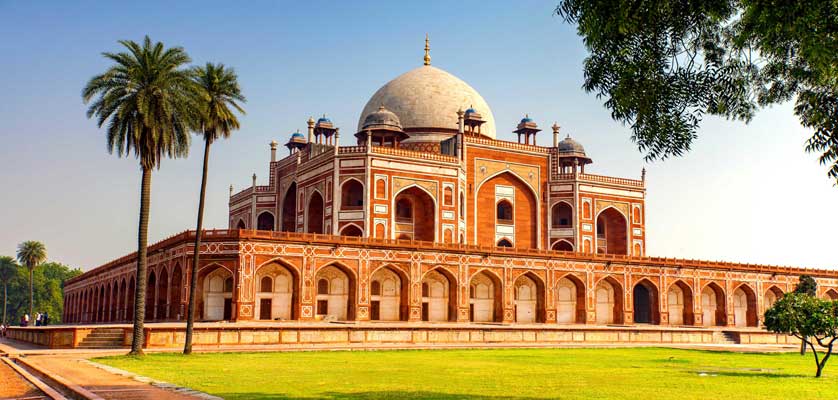
If Red Fort feels grand and busy, and Qutub Minar feels old and slightly wild, Humayun’s Tomb feels calm and almost meditative. Built in the 16th century by Empress Bega Begum for her husband Emperor Humayun, it was the first large‑scale charbagh garden‑tomb in India – a tomb set in a four‑part Persian‑style garden with water channels and pathways.
When you walk in along the central axis and the tomb slowly comes into full view, you start to see why people say it inspired the later design of the Taj Mahal. The building sits on a high platform, with a double dome, arched facades and a mix of red sandstone and white stone details. The symmetry is very satisfying, and the overall vibe is slower and more relaxed than many other Delhi spots.
Why Humayun’s Tomb Is So Important
Humayun’s Tomb is a turning point in Mughal architecture, where Persian garden ideas and local building traditions came together to create something new. It’s also a major dynastic burial site – apart from Humayun, several other members of the Mughal family are buried within the complex, so you are walking through the resting place of an entire royal line, not just one emperor.
For modern travellers, the site has another advantage: it’s one of the more peaceful big attractions in the city. Even when there are other visitors around, you can usually find a quieter corner of the garden to sit, look at the building, and just breathe for a few minutes before diving back into traffic and noise.
Visiting Tips for Humayun’s Tomb
Humayun’s Tomb works beautifully in the soft light of early morning or late afternoon. The red stone glows, the shadows are gentle, and it’s much easier to walk around without getting too hot. Many visitors like to pair it with nearby spots like Nizamuddin Dargah or Lodhi Garden to create a full heritage morning or evening.
The complex is quite walkable, but there are a few steps and slightly uneven paths, so comfortable shoes are a good idea. Bring water, especially in warmer months, and give yourself at least an hour so you can explore both the main tomb and some of the side structures without rushing.
How to See All Three UNESCO Sites in One or Two Days
Now the big practical question: can you realistically see Red Fort, Qutub Minar and Humayun’s Tomb on the same trip without completely exhausting yourself? The short answer is yes – and many travellers do exactly that. The longer answer is that you’ll want to think about timing, traffic and how much energy you actually have.
Sample One-Day “UNESCO Circuit”
If you only have one full day in Delhi and world heritage is your main focus, a common pattern looks like this:
- Morning: Start at Qutub Minar while it’s still relatively cool and less crowded.
- Late Morning / Midday: Head to Humayun’s Tomb for a slower walk through the gardens.
- Afternoon / Evening: Visit the Red Fort and then continue into Old Delhi for Jama Masjid and Chandni Chowk if you still have energy.
Doing all three in one day is busy but manageable, especially if you use a private car with driver or app‑based cabs between sites so you are not figuring out public transport in the heat. Build in a proper lunch break somewhere in between and accept that you cannot see every single detail at each place in just one day.
Two-Day Relaxed Plan
If you prefer a calmer pace (and to be honest, many people do), then spread the three sites over two days. For example:
- Day 1: Qutub Minar in the morning, then Hauz Khas Village or Mehrauli Archaeological Park, followed by dinner in South Delhi.
- Day 2: Humayun’s Tomb in the morning, Red Fort in the afternoon, and Old Delhi food and markets in the evening.
This way you still see all three UNESCO monuments, but you also get to enjoy the surrounding neighbourhoods instead of just ticking boxes and racing from gate to gate.
Practical Tips for Visiting World Heritage Sites in Delhi
A few simple habits can make your World Heritage day in Delhi much smoother, especially if it’s your first time in the city. These are not strict rules, just friendly suggestions that most repeat visitors swear by.
- Buy tickets at official counters or online: Use official ASI or government channels where possible to avoid confusion and touts.
- Start early when you can: Morning visits mean cooler temperatures, softer light, and shorter queues.
- Carry some cash and a card: Some places accept digital payments; others may still prefer cash for small purchases.
- Dress comfortably and modestly: Light, breathable clothes and comfortable shoes make a big difference when you are walking for hours.
- Stay hydrated: Carry a water bottle and sip regularly, especially from March to October.
- Use reliable transport: App‑based cabs or a pre‑booked car with driver save time between far‑apart sites.
- Keep a bit of buffer time: Traffic, queues and security checks can all take longer than you expect.
FAQs About World Heritage Sites in Delhi
How many UNESCO World Heritage Sites are there in Delhi?
Delhi officially has three UNESCO World Heritage Sites: the Red Fort complex, the Qutub Minar and its monuments, and Humayun’s Tomb.
Which UNESCO site in Delhi should I visit first?
If you like starting with the oldest history, begin at Qutub Minar. If you prefer a calm, garden-like atmosphere, start with Humayun’s Tomb. Many people keep the Red Fort and Old Delhi for later in the day when they are ready for a busier scene.
Can I visit all three World Heritage Sites in one day?
Yes, you can see Qutub Minar, Humayun’s Tomb and the Red Fort in one full day, but it will be quite packed. A private car or cab helps a lot. If you want a slower pace with more time for photos and food, spreading them over two days is more comfortable.
Are these sites family-friendly?
All three UNESCO sites are suitable for families and kids. There is plenty of open space to walk and explore, and lots of interesting stories for children. Just bring water, snacks, hats and sunscreen if you are visiting in the hotter months.
Do I need a guide for these monuments?
You can visit all three on your own using information boards and audio guides where available, but a good local guide can make the history feel more alive and help you spot details you might otherwise miss. Many organised tours include guides for all three sites in one package.
What is the best time of year to see Delhi’s World Heritage Sites?
The most comfortable months are usually from October to March, when the weather is cooler and walking around outdoors feels easier. April to June can be very hot, and July to September are monsoon months with humidity and rain.
Are there any dress codes for these sites?
There is no strict dress code at the three UNESCO monuments themselves, but modest, comfortable clothing is always a good idea. If you are combining your visit with nearby mosques or temples, you will need to cover shoulders and knees there.
Is it safe to visit these places as a solo traveller?
During normal opening hours, these sites are busy with tourists, families and groups, and most solo travellers explore them without any issues. Basic precautions – watching your bag, avoiding isolated corners, and using reputable transport – are enough for most people.
However long you have in Delhi, fitting in these three World Heritage Sites will give you a solid sense of how the city grew – from early sultanate architecture at Qutub, to Mughal garden experiments at Humayun’s Tomb, to full royal power at the Red Fort. If you add in a few markets, temples and local meals around them, you’ll leave with a much richer picture than what you get from photos alone.
Recent Posts
 Amer Fort Boating 2026 Guide: Maota Lake Tickets & Timings
Discover Amer Fort’s new Maota Lake boating, updated 2026 ticket rates, timings, safety rules and best visiting months.
 Luxury Rajasthan Tour with Oberoi, Taj & Leela Hotels
Experience royal Rajasthan in comfort with Oberoi, Taj and Leela luxury palace stays.
 Luxury Tempo Traveller & Van Hire in India 2026 – Rates, Features & Booking
Enjoy luxury van hire in India for safe, comfortable family and group travel.
 Top 10 Vehicle Hire Companies in India for Tourists
Discover the top 10 vehicle hire companies in India offering safe, comfortable tourist travel.
 Delhi Agra Jaipur Tour by Luxury Car and Private Driver
Enjoy a Delhi Agra Jaipur tour with a luxury car, private driver and flexibility.
 Luxury Car and Driver for Comfortable Rajasthan Tour
Explore Rajasthan in comfort with a luxury car, private driver and flexible custom tour.
 Jaisalmer Travel Guide for Foreign Tourists: Best Time, Desert Tours & Tips
Plan your Jaisalmer trip with ideal seasons, desert tour packages and essential foreigner tips.
 Hidden Villages of Rajasthan: Offbeat Rural Experiences & Village Travel Guide
Hidden Villages of Rajasthan: Offbeat Rural Stays, Homestays & Authentic Village Life.
-
Amer Fort Boating 2026 Guide: Maota Lake Tickets & Timings
Discover Amer Fort’s new Maota Lake boating, updated 2026 ticket rates, timings, safety rules and best visiting months.
-
Luxury Rajasthan Tour with Oberoi, Taj & Leela Hotels
Experience royal Rajasthan in comfort with Oberoi, Taj and Leela luxury palace stays.
-
Luxury Tempo Traveller & Van Hire in India 2026 – Rates, Features & Booking
Enjoy luxury van hire in India for safe, comfortable family and group travel.
-
Top 10 Vehicle Hire Companies in India for Tourists
Discover the top 10 vehicle hire companies in India offering safe, comfortable tourist travel.
-
Delhi Agra Jaipur Tour by Luxury Car and Private Driver
Enjoy a Delhi Agra Jaipur tour with a luxury car, private driver and flexibility.
-
Luxury Car and Driver for Comfortable Rajasthan Tour
Explore Rajasthan in comfort with a luxury car, private driver and flexible custom tour.
-
Jaisalmer Travel Guide for Foreign Tourists: Best Time, Desert Tours & Tips
Plan your Jaisalmer trip with ideal seasons, desert tour packages and essential foreigner tips.
-
Hidden Villages of Rajasthan: Offbeat Rural Experiences & Village Travel Guide
Hidden Villages of Rajasthan: Offbeat Rural Stays, Homestays & Authentic Village Life.