What's the Best 10 Day Golden Triangle Itinerary? Costs & Booking 2026
The Golden Triangle—Delhi, Agra, Jaipur—represents the most iconic introduction to India. Three cities, 10 days, one unforgettable journey. Yet countless travelers rush through these destinations with incomplete itineraries, exhausting schedules, and regret about what they missed. This doesn't have to be your experience.
I've designed and guided hundreds through this route, and the difference between rushed chaos and transformative travel comes down to realistic pacing, smart routing, and knowing where to linger and where to move on. This 10-day itinerary isn't a checklist—it's a framework built around actual travel rhythms, crowd patterns, and the monuments that genuinely merit your time.
What follows is exactly what you need: a day-by-day breakdown verified against current 2026 conditions, realistic transport costs with private driver pricing, accommodation recommendations across budget categories, insider tips on avoiding peak crowds, and honest guidance on what truly matters versus what's just tourism theater.
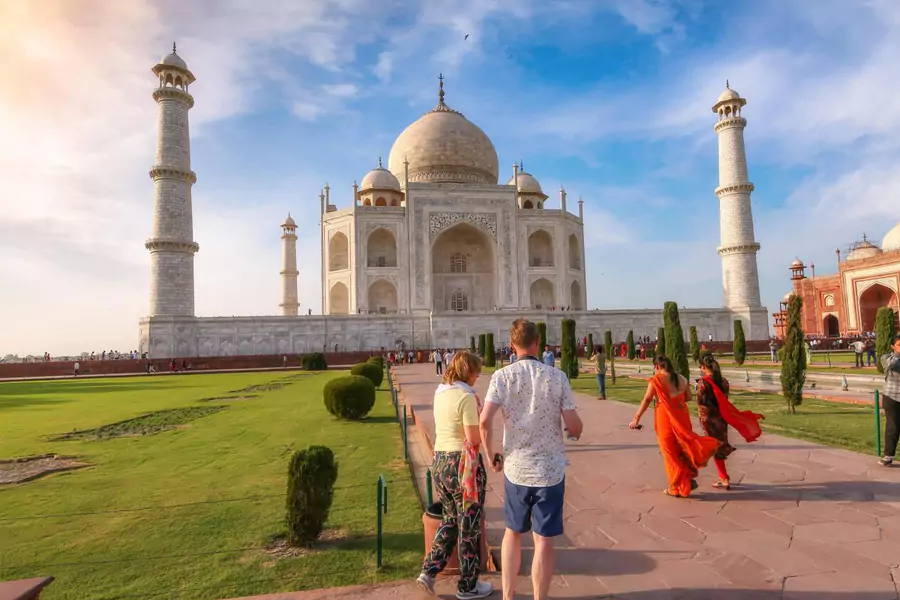
The Golden Triangle: Why 10 Days is Perfect
Shorter trips (3-5 days) feel rushed—you're constantly packing and moving. Longer trips (15+ days) risk fatigue and diminishing returns on new information. Ten days offers the sweet spot: enough time to experience each city deeply without feeling exhausted, enough travel buffer for unexpected delays, and enough breathing room to actually rest and process what you're seeing.
The Golden Triangle covers roughly 1,100 km when driven in a triangle loop. With private car and driver, realistic daily coverage is 200-300 km with 4-6 hours sightseeing included. This means you're not spending entire days trapped in vehicles. You're arriving, exploring, then stopping to absorb rather than sprinting through.
Day-by-Day Itinerary Breakdown
Days 1-3: Delhi – The Capital's Imperial Heart
Arrive Delhi. Most international flights land at Indira Gandhi International Airport morning or afternoon. Use day one for airport transfer, hotel check-in, and adjustment to India's pace. Jet lag is real—don't force sightseeing immediately. Rest, eat, explore your neighborhood on foot. This isn't wasted time; it's essential acclimatization.
Day two: Old Delhi and New Delhi full-day tour. Start early morning (6:30 AM) with your private driver heading to Chandni Chowk. The chaos of Old Delhi's bazaar is best experienced early—crowded but navigable before true peak rush. Walk through the maze of textile shops, jewelry stalls, and spice vendors. The sensory overload is intentional—this is authentic India without filter. Visit Jama Masjid (₹25 entry), one of India's largest mosques. The courtyard prayer hall accommodates 25,000 people; the architecture is breathtaking.
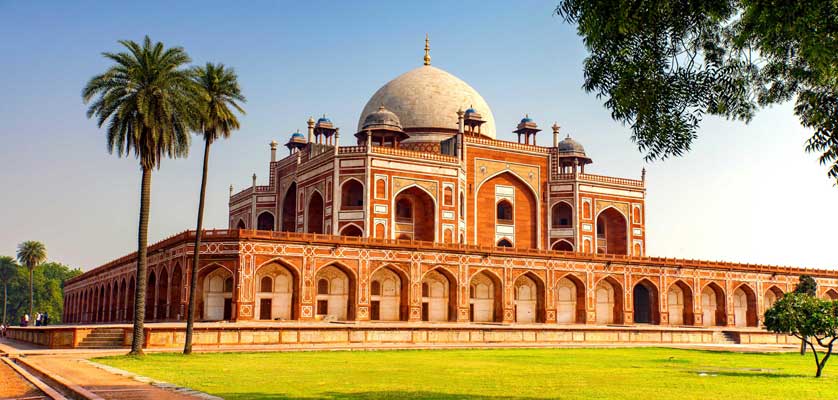
Late morning, transition to New Delhi. Visit Humayun's Tomb (₹600 for foreigners, ₹30 for Indians). This perfectly proportioned Mughal mausoleum often gets overshadowed by the Taj, but the gardens and architecture reward slow exploration. Spend 1.5 hours here without rush.
Afternoon: Qutub Minar complex. Three centuries of architecture layered in stone—from Delhi's first Islamic monument through later additions. The soaring minaret and surrounding ruins reveal Delhi's transformation across centuries. Entry: ₹600 (foreigners), ₹30 (Indians). Budget 2 hours.
Evening: India Gate and Rajpath (now Kartavya Path). The monument itself is iconic but less interesting than the surrounding park atmosphere—families, street vendors, sunset light, locals exercising. Wander and observe. No entry fee.
Day three: Amber Fort day trip and deeper Delhi exploration (or rest day if fatigued). If visiting Amber Fort now, it's feasible to drive 4 hours to Jaipur, explore, and return to Delhi for one more night. Alternatively, spend day three exploring Delhi's museum district (National Museum, Sansad Bhawan), temple quarter, or simply resting. Ten days is generous enough to include flexibility.
Days 4-5: Delhi to Agra – Taj Mahal and Agra Fort
Drive Delhi to Agra: 240 km, 5-6 hours via Yamuna Expressway with driver breaks. Depart 6:00 AM to arrive by 11:00 AM-12:00 PM. This timing avoids peak noon traffic and allows afternoon monument time.
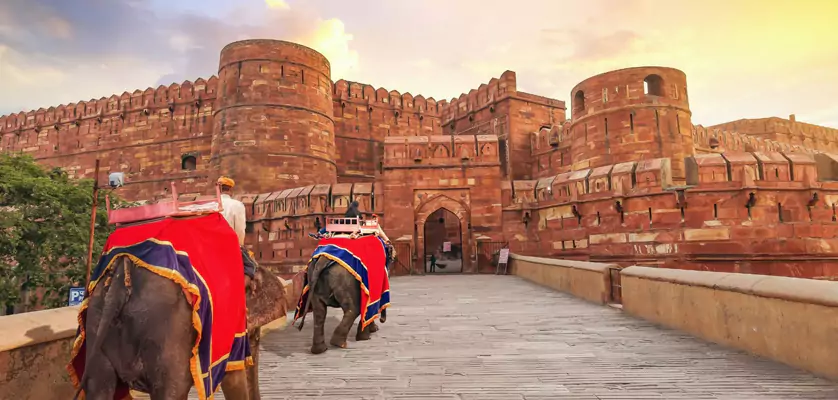
Afternoon, day 4: Check into hotel. Rest 1-2 hours if tired. Late afternoon (3:00-5:00 PM), visit Agra Fort. Red sandstone fortress offering different perspectives on Mughal governance versus the Taj's romantic narrative. Entry: ₹650 (foreigners), ₹50 (Indians). Spend 2 hours exploring. This is underrated—most travelers skip it rushing to sunset Taj. Don't make that mistake.
Evening, day 4: Mehtab Bagh for sunset and Taj Mahal's reflection across the river. Entry: ₹300 (foreigners), ₹25 (Indians). Arrive 4:30 PM, stay until 5:45 PM golden hour. The light is magical; photographs here are often travelers' best memories. No crowds. Contemplative atmosphere.
Day 5: Taj Mahal sunrise viewing. This is non-negotiable. Arrange 5:30 AM hotel departure to arrive Taj by 6:15 AM. Entry happens 6:30 AM. You have 1.5 hours of ethereal early light before crowds peak. The marble glows pink-gold. Photography is stunning. Most importantly, the emotional impact is profound. Spend 2-2.5 hours inside the complex. Exit by 8:30 AM, breakfast, rest.
Afternoon, day 5: Optional but recommended—Itmad-ud-Daulah (Baby Taj) or Fatehpur Sikri day trip. Itmad-ud-Daulah is 4 km away, 20 minutes, offers beautiful marble inlay work, and has minimal crowds. Fatehpur Sikri is 37 km, 1.5 hours, requires a dedicated half day but is genuinely worthwhile if you have interest in Mughal cities. Otherwise, use afternoon for shopping or rest.
Days 6-8: Agra to Jaipur – Palace and Markets
Drive Agra to Jaipur: 240 km, 5 hours via Yamuna Expressway. Depart 7:00 AM, arrive by 12:30-1:00 PM. This straightforward drive follows the same highway as Delhi-Agra return.
Day 6 afternoon/evening: Hotel check-in and neighborhood exploration. Jaipur's grid layout (designed by Maharaja in 1727) is remarkably navigable. Walk through the pink-painted old city bazaar area. Observe street life, shop if interested, eat local food. Rooftop restaurants overlook the old city skyline. Sunset is particularly photogenic.
Day 7: Full-day Jaipur city sightseeing. Start early (7:00 AM) with private driver for Amber Fort—11 km from city center, 30 minutes drive. Amber Fort is palace architecture on a hilltop with 360-degree Jaipur views and intricate courtyards. Entry: ₹200 (foreigners), ₹50 (Indians). Spend 2-3 hours. The fort is genuinely complex and rewarding, not just a tourist box-check. Bring water—no shade in many areas.
Mid-morning transition to Jaipur proper. Visit City Palace (₹300 entry, mix of museum and still-active royal residence), then Jantar Mantar astronomical observatory (₹300 entry). Both are in close proximity, UNESCO World Heritage sites. Spend 1-1.5 hours combined. Late afternoon: Hawa Mahal (Palace of Winds). The iconic pink lattice structure. Entry: ₹200. Honestly, the exterior facade is iconic; the interior is cramped hallways. 30-45 minutes suffices.
Evening: Nahargarh Fort for sunset viewpoint. 6 km from city center, 20 minutes. Entry: ₹200. Arrive 4:30 PM, stay until 6:00 PM. Panoramic Jaipur cityscape views. Photography-perfect golden hour.
Day 8: Chand Baori (step well) and Abhaneri village. One hour drive from Jaipur. This 10th-century step well (3,500 steps descending into an abandoned water structure) is architecturally stunning and less-visited than major monuments. Entry: ₹100. Spend 1.5-2 hours. The geometry and scale are mind-bending. Nearby Abhaneri's Hindu temples add cultural context. This day is optional but highly rewarding for travelers interested in less-mainstream sights.
Days 9-10: Jaipur Extensions and Return
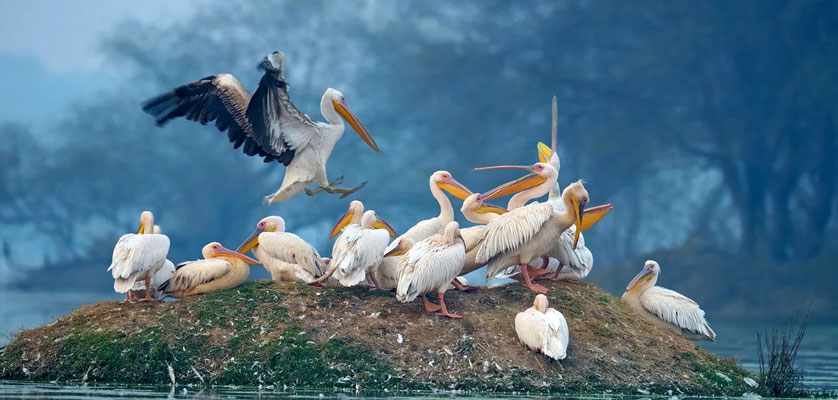
Day 9 options: (A) Rest day in Jaipur—spa, shopping, reading, writing. After 8 days of constant sightseeing, a rest day is legitimate and restorative. (B) Bharatpur Bird Sanctuary, 50 km away, 1.5 hours drive. If you enjoy birdwatching or nature, this sanctuary hosts migratory birds Nov-Mar. Entry: ₹250 + guide ₹200. Requires early morning visit (5:30 AM-8:30 AM) for active bird populations. (C) Shekhawati painted mansions (havelis), 2-3 hours drive. Beautiful traditional architecture, less touristy than main triangle sites.
Day 10: Return logistics. If flying internationally from Delhi, take a morning flight from Jaipur (1 hour flight), allowing 2 hours buffer before departure. If returning via Agra or continuing to other regions, arrange transport accordingly. Many travelers use day 10 for open-ended flexibility—either extend stay or begin return journey.
Private Car and Driver Costs: Comprehensive Breakdown 2026
The most cost-efficient way to experience the Golden Triangle is via private car and driver for the entire duration. This removes accommodation logistics for transport (no trains, no app-cabs, no negotiating with multiple providers), provides cultural context from the driver, and enables flexibility.
Per-kilometer rates and daily minimums
Economy sedans (Maruti Dzire, Hyundai Xcent): ₹9.50-₹11 per km, minimum 250 km daily. Standard sedans (Honda City, Maruti Swift): ₹10.50-₹12 per km, minimum 250 km daily. SUVs (Toyota Innova, Mahindra XUV): ₹14-₹16 per km, minimum 250 km daily. Premium SUVs (Toyota Fortuner): ₹25-₹40 per km. Driver bata (allowance for multi-day trips): ₹300-₹500 daily, typically included in most quotes. Tolls (Yamuna Expressway, etc.): Approximately ₹2,000-₹2,500 total for entire 10-day triangle circuit. Parking: ₹100-₹300 per monument, usually included in operator pricing.
Real 10-day example breakdown
Couple traveling together (2 people) with sedan: ₹11 per km × 1,100 km total = ₹12,100 base. Add 3 nights driver bata at ₹400/night = ₹1,200. Add tolls ₹2,000. Add parking ₹1,000. Total: ₹16,300, or ₹8,150 per person for entire transportation. Add 18% GST: ₹19,274 total, approximately ₹9,637 per person.
Family of 4 with SUV: ₹15 per km × 1,100 km = ₹16,500 base. Add tolls ₹2,000, parking ₹1,000, driver bata ₹1,200. Total: ₹20,700. With GST: ₹24,426 total, approximately ₹6,107 per person.
This is legitimately affordable when divided among travelers. A solo traveler booking the same car pays approximately ₹19,274 total—about ₹193 per km when accounting for all costs.
Alternative transport comparison
Trains (Rajdhani/Shatabdi Express): ₹5,000-₹8,000 total for Delhi-Agra-Jaipur-Delhi with local autos in each city. Cheaper on paper but involves hassle of ticket booking, rigid scheduling, local transport negotiations. App-cabs (Ola/Uber): ₹12-₹18 per km surge pricing, unpredictable availability for multi-day bookings, drivers reluctant on intercity routes. Budget tour buses: ₹12,000-₹15,000 for 10-day package but sacrifice flexibility, sleep on buses, eat group meals, locked itineraries. Private car comparison: Mid-range choice balancing cost, comfort, and flexibility.
Accommodation: Budget Tiers and Recommendations
Budget tier (₹1,200-₹2,500 per night)
Delhi: Paharganj and Karol Bagh neighborhoods offer guesthouses like Aman Guest House, Backpacker Panda. Rooms are clean, minimal amenities, shared bathrooms sometimes. Free WiFi. Social atmosphere attracts international travelers. Agra: Taj Ganj area (walking distance to Taj Mahal). Options like Saniya Palace, Hotel Parador. Rooftop restaurants with Taj views. Quality varies; check recent reviews meticulously. Jaipur: Bani Park district or old city area near bazaars. Hotels like Hotel Arya Niwas. Budget-friendly with good local access. Total budget tier cost: 3 nights Delhi ₹6,000, 2 nights Agra ₹5,000, 3 nights Jaipur ₹6,000 = ₹17,000 total (₹8,500 per person for couple).
Mid-range tier (₹3,000-₹6,000 per night)
Delhi: Hotels like The Chariot, Hotel Surya or similar 3-star properties in safe neighborhoods (Paharganj, Karol Bagh). AC rooms, attached bathrooms, decent breakfast, decent service. Agra: Hotels like The Coral, Taj View Hotel (rooftop Taj views), Hotel Yamuna. 3-star comfort, consistent quality, reliable service. Jaipur: Hotels like Hotel Mansingh Palace, Rambagh Palace (luxury option), or mid-range 3-stars in Bani Park. Comfortable beds, good food, professional service. Total mid-range cost: 3 nights Delhi ₹12,000, 2 nights Agra ₹10,000, 3 nights Jaipur ₹12,000 = ₹34,000 total (₹17,000 per person for couple).
Luxury tier (₹8,000-₹25,000+ per night)
Delhi: Taj Hotel, Le Méridien, The Oberoi. 5-star service, multiple restaurants, spa facilities, concierge support. Agra: Oberoi Amarvilas (premium Taj views), Amanresorts (ultra-luxury), Taj Hotel Agra. Heritage experience, exceptional service. Jaipur: Rambagh Palace (former royal residence), Aman Jaipur, Oberoi Rajvilas. Luxury palaces, spa, multiple dining. Total luxury cost: 3 nights Delhi ₹45,000, 2 nights Agra ₹40,000, 3 nights Jaipur ₹45,000 = ₹130,000 total (₹65,000 per person for couple).
Recommendation
Mid-range is optimal for most travelers. Budget tier risks accommodation quality issues that strain your mood; luxury stretches budgets unnecessarily unless you prioritize extreme comfort. Mid-range offers reliable comfort, good service, and reasonable costs (approximately ₹17,000-₹20,000 accommodation for couple for 8 nights).
Meal Costs and Food Strategy
Budget dining (₹300-₹600 per meal)
Street food (chaat, samosa, dosa), small local restaurants (dhaba), breakfast at guesthouses. Safe, delicious, authentic, cheap. Many travelers eat this way exclusively and save substantially. Street food is statistically safer than you fear—locals eat it daily.
Mid-range dining (₹800-₹1,500 per meal)
Tourist restaurants, hotel restaurants, specialty regional cuisine. Good quality, reliable, comfortable environments. Most travelers mix this tier with budget street meals—breakfast and lunch budget, dinner mid-range.
Luxury dining (₹2,000+ per meal)
Heritage restaurants, rooftop venues with monument views, fine dining. Delhi's restaurants are excellent (experiment with cuisines), Agra's options more limited, Jaipur offers good mid-range restaurants.
Realistic 10-day food budget
Couple eating mix of budget and mid-range: ₹20,000-₹25,000 total (₹1,400-₹1,800 daily for 2 people). This includes daily meals with occasional special restaurant experiences.
Monument Entries and Photography Costs
Taj Mahal: ₹1,100 (foreigners), ₹50 (Indians). Interior mausoleum ₹200 additional. Agra Fort: ₹650 (foreigners), ₹50 (Indians). Agra ADA toll (shared): ₹500 (waived Friday). Humayun's Tomb Delhi: ₹600 (foreigners), ₹30 (Indians). Qutub Minar: ₹600 (foreigners), ₹30 (Indians). City Palace Jaipur: ₹300 (foreigners), ₹50 (Indians). Jantar Mantar: ₹300 (foreigners), ₹50 (Indians). Hawa Mahal: ₹200 (foreigners), ₹50 (Indians). Amber Fort: ₹200 (foreigners), ₹50 (Indians). Mehtab Bagh: ₹300 (foreigners), ₹25 (Indians).
Total for comprehensive Golden Triangle coverage: approximately ₹4,550 per foreign visitor, ₹400-₹500 per Indian visitor.
Complete 10-Day Cost Summary (Per Person)
| Expense Category | Budget | Mid-Range | Luxury |
|---|---|---|---|
| Accommodation (8 nights) | ₹8,500 | ₹17,000 | ₹65,000 |
| Meals (10 days) | ₹8,000 | ₹15,000 | ₹40,000 |
| Transport (private car, divided for 2) | ₹9,637 | ₹9,637 | ₹15,000 |
| Monument Entries | ₹400 | ₹4,550 (foreign) | ₹4,550 |
| Local Guides (optional) | ₹0 | ₹2,000 | ₹4,000 |
| Shopping, Tips, Misc | ₹3,000 | ₹5,000 | ₹10,000 |
| TOTAL PER PERSON | ₹29,537 | ₹53,187 (₹60,187 for foreign visitors) | ₹138,550 |
| Approximate USD Conversion | $355 | $638-724 | $1,665 |
Note: Budget tier assumes travelers eating street food, staying in basic guesthouses, taking buses for some segments. Mid-range assumes private car throughout, decent hotels, mix of budget and restaurant dining. Luxury includes 5-star properties, fine dining, premium guides. International flights, visas, and travel insurance are excluded. These are in-country costs only.

Practical Tips: Making Your 10 Days Genuinely Memorable
Crowd management strategy
Taj Mahal, Amber Fort, and Hawa Mahal are peak-crowded 10:00 AM-2:00 PM daily. Arrive early (6:30-8:00 AM) for sunrise viewing and minimal crowds. This requires discipline but yields transformative experiences. Late afternoon (4:00-5:30 PM) sees reduced crowds but less photogenic light. Midday is genuinely miserable—harsh light, overwhelming crowds, heat exhaustion risk. Organize your itinerary explicitly around early mornings.
Heat and hydration management
Even winter (Oct-Mar) reflects intense sun off marble and stone. Carry 2 liters water per person daily. Wear SPF 50+ sunscreen. Light cotton clothing. Wide-brimmed hat or scarf. In summer (Apr-Sep), travel during early morning hours only; late morning onward is genuinely dangerous for outdoor sightseeing.
Driver communication and tips
Your private driver is your best local resource. Build rapport. Ask recommendations on restaurants, avoid commission shops, give feedback on pacing. Good drivers provide invaluable knowledge—historical context, cultural explanations, practical shortcuts. Tip appropriately: ₹200-₹300 daily for good service, ₹400+ for exceptional drivers (above-and-beyond service). This is not mandatory but expected and genuinely appreciated.
Photography strategy
Don't photograph everything. Put the camera away for 30-50% of your visit and simply observe. Your most meaningful memories often come from moments without photos. Mehtab Bagh at sunset is genuinely prime photography; Humayun's Tomb gardens reward composition work. The main Taj Mahal facade is photographed infinitely—focus on unique angles instead.
Cultural sensitivity and dress codes
Mosques and temples require respectful dress—shoulders and knees covered. Women: lightweight scarves or shawls help. Avoid loud clothing at religious sites. Photography rules vary by location; always ask. Remove shoes when entering prayer areas. These small considerations show respect and enhance your experience.
Shopping strategy
Jaipur markets (Bapu Bazaar, Johari Bazaar) offer genuine handicrafts, textiles, jewelry. Negotiate prices—expect 20-40% haggling from initial quotes. Ask your driver about commission shops; many drivers receive commissions if they direct you. Be explicit: "I'd prefer to shop where tourists don't go to commission places." Agra has textile workshops and marble inlay shops. Delhi has countless markets. Budget time for shopping without pressure to buy.
Rest days matter
Day 9 as a rest day (spa, reading, local exploration) isn't laziness—it's essential recovery after 8 days of constant sightseeing. Your ability to appreciate day 10 depends on being rested.
Frequently Asked Questions About 10-Day Golden Triangle
Q: Is 10 days too long for the Golden Triangle?
A: No. Ten days provides ideal pacing—avoid rushing, permit rest, accommodate transit delays. Shorter trips (4-6 days) feel hurried. Longer trips (14+ days) require extending beyond the triangle into Rajasthan or north India regions.
Q: Should I hire a private driver for all 10 days or use trains between cities?
A: Private driver is cost-competitive (approximately ₹9,600 per person divided) and dramatically more convenient. Trains require coordination, timing precision, local transport in each city. Private driver offers door-to-door convenience, flexibility, cultural interaction. Worth the cost.
Q: Can I visit all three cities in fewer than 10 days?
A: Technically yes (3-4 days minimum), but you'll feel rushed. Delhi requires 2 full days to appreciate properly. Agra (Taj + Fort) needs 1.5 days minimum. Jaipur (Amber Fort + City Palace + bazaars) deserves 2 days. Add 1-2 days buffer, and you're at 7-8 days minimum. Ten days removes pressure.
Q: What's the best month to visit the Golden Triangle?
A: October through March (cool, dry, clear skies). November-December peak is ideal but most expensive. February-March is still excellent with prices slightly lower. Avoid May-June (extreme heat) and July-September (oppressive humidity, monsoon).
Q: Should I book accommodation in advance or arrange on arrival?
A: Book accommodation 4-6 weeks in advance during peak season (Nov-Mar). Off-season (Jun-Aug) allows last-minute flexibility. Mid-range accommodations are reliable and available booked in advance; budget options may require on-arrival booking for best price negotiation.
Q: How much should I budget for shopping?
A: Budget ₹5,000-₹10,000 per person for souvenirs, handicrafts, personal items. This is flexible—some travelers spend nothing, others spend significantly more. Set a personal budget and stick to it.
Conclusion: A Journey Not Just a Trip
The Golden Triangle is India's gateway—familiar enough for first-time visitors, profound enough to reward deep exploration. Ten days is genuinely generous timing that permits both tourist checklist satisfaction and genuine cultural immersion.
Follow this itinerary but remain flexible. If Amber Fort captivates you, spend an extra day. If bazaar shopping fascinates you, allocate more time. If a particular neighborhood connects with you, rest there instead of rushing onward. The itinerary is framework, not prescription.
Hire a quality private driver. Arrive at monuments early morning. Eat local street food mixed with occasional nice dinners. Stay in mid-range hotels (they're genuinely comfortable). Interact with locals. Take rest days. Put the camera away sometimes. Observe India on India's terms, not through a tourist filter.
Ten days later, you'll depart understanding why the Golden Triangle earns its status as India's most iconic introduction. You'll have not just visited monuments but encountered a civilization spanning millennia. That's the difference between a trip and a journey.
Recent Posts
 Amer Fort Boating 2026 Guide: Maota Lake Tickets & Timings
Discover Amer Fort’s new Maota Lake boating, updated 2026 ticket rates, timings, safety rules and best visiting months.
 Luxury Rajasthan Tour with Oberoi, Taj & Leela Hotels
Experience royal Rajasthan in comfort with Oberoi, Taj and Leela luxury palace stays.
 Luxury Tempo Traveller & Van Hire in India 2026 – Rates, Features & Booking
Enjoy luxury van hire in India for safe, comfortable family and group travel.
 Top 10 Vehicle Hire Companies in India for Tourists
Discover the top 10 vehicle hire companies in India offering safe, comfortable tourist travel.
 Delhi Agra Jaipur Tour by Luxury Car and Private Driver
Enjoy a Delhi Agra Jaipur tour with a luxury car, private driver and flexibility.
 Luxury Car and Driver for Comfortable Rajasthan Tour
Explore Rajasthan in comfort with a luxury car, private driver and flexible custom tour.
 Jaisalmer Travel Guide for Foreign Tourists: Best Time, Desert Tours & Tips
Plan your Jaisalmer trip with ideal seasons, desert tour packages and essential foreigner tips.
 Hidden Villages of Rajasthan: Offbeat Rural Experiences & Village Travel Guide
Hidden Villages of Rajasthan: Offbeat Rural Stays, Homestays & Authentic Village Life.
-
Amer Fort Boating 2026 Guide: Maota Lake Tickets & Timings
Discover Amer Fort’s new Maota Lake boating, updated 2026 ticket rates, timings, safety rules and best visiting months.
-
Luxury Rajasthan Tour with Oberoi, Taj & Leela Hotels
Experience royal Rajasthan in comfort with Oberoi, Taj and Leela luxury palace stays.
-
Luxury Tempo Traveller & Van Hire in India 2026 – Rates, Features & Booking
Enjoy luxury van hire in India for safe, comfortable family and group travel.
-
Top 10 Vehicle Hire Companies in India for Tourists
Discover the top 10 vehicle hire companies in India offering safe, comfortable tourist travel.
-
Delhi Agra Jaipur Tour by Luxury Car and Private Driver
Enjoy a Delhi Agra Jaipur tour with a luxury car, private driver and flexibility.
-
Luxury Car and Driver for Comfortable Rajasthan Tour
Explore Rajasthan in comfort with a luxury car, private driver and flexible custom tour.
-
Jaisalmer Travel Guide for Foreign Tourists: Best Time, Desert Tours & Tips
Plan your Jaisalmer trip with ideal seasons, desert tour packages and essential foreigner tips.
-
Hidden Villages of Rajasthan: Offbeat Rural Experiences & Village Travel Guide
Hidden Villages of Rajasthan: Offbeat Rural Stays, Homestays & Authentic Village Life.