Cost of Travelling in India (2026): Real Daily Budget, Prices & Money‑Saving Tips
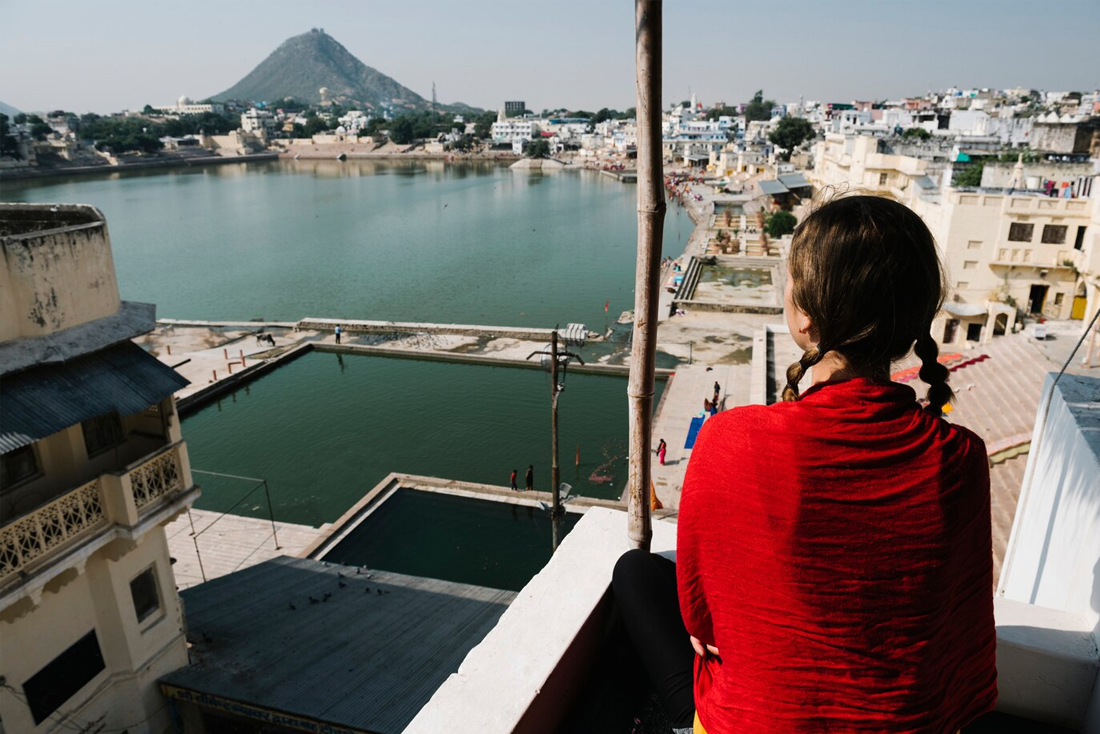
India remains one of the world’s most rewarding destinations in 2026, offering an incredible mix of history, culture, nature and food at prices that are still far lower than most Western countries. At the same time, hotel, transport and food costs have increased since 2020–22, so travellers now need a more realistic budget to avoid mid‑trip surprises.
This in‑depth guide explains the real cost of travelling in India in 2025–26 for different travel styles, from low‑budget backpackers to mid‑range travellers and luxury holidaymakers. You will find typical price ranges for accommodation, transport, meals, alcohol, monuments and activities, plus practical money‑saving tips, sample daily budgets and answers to the most common questions people ask when planning their first or second trip to India.
Overall cost of travelling in India (2025–26)
Your total budget in India depends mainly on four big elements: where you stay, how you travel between cities, how you eat and how many paid sights and activities you include. Shopping, SIM cards, tips, local taxis and souvenirs are extra and vary a lot from person to person.
Across classic routes such as Delhi–Agra–Rajasthan, Varanasi, Goa and Kerala, most travellers in 2025–26 fall into three realistic per‑day ranges (excluding international flights, long‑term visas and travel insurance).
Typical daily budget ranges (per person)
| Traveller type | Daily budget (INR) | Approx. in USD / EUR | Typical style |
|---|---|---|---|
| Budget traveller | 2,300 – 4,000 | ≈ 28 – 48 USD / 26 – 44 EUR (at ~₹82–85 per USD) | Hostels, trains/buses, local eateries, basic sights |
| Comfort / mid‑range | 5,000 – 9,500 | ≈ 60 – 115 USD / 55 – 105 EUR | Good hotels/homestays, mixed transport, sit‑down restaurants |
| High‑end / luxury | 11,000 – 26,000+ | ≈ 135 – 320+ USD / 125 – 295+ EUR | 4–5★ hotels or palaces, car & driver, flights, fine dining |
Big cities and top tourist hubs such as Delhi, Mumbai, Jaipur, Udaipur, Goa and parts of Kerala are usually more expensive than small towns and rural regions. Prices rise in peak season (roughly December–February and school holidays) and around major festivals such as Diwali, Christmas and New Year, while monsoon and shoulder months often bring better deals on hotels and flights.
If you can travel slightly off‑season, book trains and flights in advance and mix famous places with a few offbeat stops, you can keep costs under control without missing India’s main highlights.
Cost of accommodation in India (updated 2025–26)
Accommodation is often the biggest single expense in an India travel budget, especially in metro cities and iconic tourist regions. You will find everything from basic hostels and homestays to luxury palace hotels, with large seasonal variations in price.
Budget stays: hostels and simple guesthouses
For budget travellers, hostel dorm beds and simple guesthouses are still widely available across major tourist routes in 2026. In most popular cities, you can expect to pay roughly ₹700–1,800 per night for a dorm or basic private room, depending on location, season and facilities.
- In smaller towns and less‑visited regions, very simple lodges and guesthouses can still start around ₹500–900 per night, though cleanliness and security standards vary, so checking recent online reviews is essential.
- Modern hostels usually provide Wi‑Fi, lockers, shared kitchens and lively common areas, especially in backpacker hubs like Delhi, Jaipur, Rishikesh, Pushkar, Hampi and Goa.
- The cheapest dorm options often come with shared bathrooms and no breakfast, so add a small amount each morning for tea, coffee and snacks from nearby stalls.
A common strategy for backpackers is to pre‑book the first night or two in each new city and then compare a few places in person before extending, which helps you balance price, safety, atmosphere and distance from the main sights.
Mid‑range: comfortable hotels and homestays
Travellers who prefer private rooms with attached bathrooms, reliable hot water and calmer surroundings usually spend about ₹2,500–5,500 per night in most destinations in 2026. In metro cities and prime tourist hubs, similar comfort can cost around ₹3,500–7,000 during peak season and major festivals.
- Rooms typically include an attached bathroom, hot water and air‑conditioning in the plains, while hill stations may provide heaters or thicker blankets instead.
- Breakfast is often included and many mid‑range properties have a small garden, courtyard, rooftop or pool, especially in Rajasthan, Goa and Kerala.
- Homestays and small boutique hotels give an added layer of local hospitality, personalised recommendations and home‑style food without reaching luxury prices.
In Rajasthan and some heritage towns, family‑run havelis and palaces frequently fall into this bracket and offer strong value for the character and service they provide. Booking early or directly, especially for longer stays or off‑season dates, often unlocks better rates.
Traveller in style: heritage, boutique and 4–5★ hotels
For travellers who want stylish rooms, strong hot showers, good soundproofing and memorable properties, India offers a huge range of boutique and luxury options. In smaller cities, upscale hotels often start around ₹6,000–9,000 per night, while in metro areas and iconic destinations, 4–5★ stays commonly range from ₹10,000–25,000+ per night.
- Rooms and suites in this range are usually spacious, with high‑quality bedding, premium toiletries, minibars, safes and curated decor.
- Most upscale hotels offer on‑site restaurants, bars, pools and spa services, plus experiences such as heritage walks, yoga sessions or private dining.
- Rajasthan in particular is known for palaces and forts converted into hotels in Jaipur, Udaipur, Jodhpur, Jaisalmer and smaller heritage towns, adding a distinct royal flavour to your trip.
For mid‑range and luxury stays during winter, school holidays and Indian festival seasons, booking several months in advance usually gives more choice and lower rates. Flexible dates, weekday stays and non‑refundable offers can reduce costs further if your plans are firm.
Cost of transportation in India (updated 2026)
Because India is so large, transport can become a significant part of your budget on longer multi‑state itineraries. The good news is that trains, buses and even many domestic flights remain very affordable compared with Europe, North America or Australia.
Budget travel: trains and buses
For backpacker‑style trips, trains and state or private buses are the backbone of intercity travel. On common routes, overnight sleeper or AC trains often cost between about ₹500 and ₹2,000 per person, depending on distance, class and how early you book.
- Non‑AC sleeper and second‑sitting cars are typically the cheapest classes for longer distances, while 3AC provides a more comfortable and secure experience at a still reasonable price.
- Government and private buses fill gaps where trains are less convenient, and short‑day journeys can be very economical, especially in states with good road networks like Rajasthan, Himachal Pradesh and Kerala.
- Short auto‑rickshaw rides in most cities commonly cost around ₹50–200 depending on distance and negotiation, while metro fares in cities like Delhi, Jaipur, Mumbai and Bengaluru often start from about ₹10–30 per ride.
As a rough rule, budget travellers moving frequently between cities should allow around ₹900–1,400 per person per day for a mix of intercity and local transport, including several buses or trains plus rickshaws and metros.
Comfort / mixed‑transport traveller
Many visitors prefer a mixed approach, combining trains, domestic flights and a private car with driver for selected legs. On a typical North India or Rajasthan circuit, this usually works out at about ₹1,400–2,300 per day per person (twin sharing), averaged over travel and sightseeing days.
- Domestic flights on major routes such as Delhi–Jaipur, Delhi–Varanasi, Delhi–Goa or Mumbai–Udaipur often fall roughly in the ₹3,500–7,500 one‑way bracket when booked in advance, though fares rise sharply near departure and around holidays.
- A private car with driver for a full day typically costs around ₹3,500–5,500+ depending on car type, distance, state taxes and fuel prices, usually including tolls and parking.
- AC trains (2A/3A) on medium–long routes commonly range between about ₹1,200–2,800 per person, offering reserved berths and solid comfort between major cities.
This mixed style gives a good balance of flexibility, comfort and cost, and is especially useful when travelling with family, carrying more luggage or combining multiple states in a short time.
Traveller in style: car, driver and flights
For high‑end trips, most overland travel happens by private AC car with a professional driver, with flights used for the longest jumps such as Delhi–Kerala, Rajasthan–Goa or Mumbai–Northeast India. For two people sharing a car, a realistic average for overland transport is around ₹1,800–3,200 per person per day, excluding premium flight upgrades.
- This setup provides door‑to‑door transfers, flexible sightseeing and help with luggage, navigation and local recommendations from a driver who knows the region well.
- Airport and station pick‑ups and drop‑offs are often included or easily arranged by hotels and tour operators, creating a smoother experience from arrival to departure.
- Regardless of your budget, trains and flights on popular routes around festivals and holidays should always be booked as early as possible, because cheaper seats sell out quickly.
Cost of meals in India (updated 2025–26)
Food is one of the biggest pleasures of travelling in India, and it remains affordable even with recent inflation. Eating mostly where locals eat keeps costs low while giving you access to an incredible range of regional cuisines.
Budget eating: street food and local dhabas
Travellers who focus on simple local eateries and street food can comfortably plan around ₹500–900 per day for meals, assuming mostly vegetarian dishes and non‑alcoholic drinks. This level roughly equals 10–15 USD per day in 2025–26 exchange rates.
- Street snacks like samosa, kachori, pakora and chaat often cost about ₹20–80 each depending on city and popularity.
- A basic Indian breakfast such as idli, dosa, poha or puri‑bhaji with tea or coffee usually falls around ₹60–150 per person in local joints.
- A simple vegetarian thali in a local restaurant typically costs roughly ₹120–280 and often comes with refills of rice, bread and dal.
In practice, a lean but satisfying food day might look like breakfast for ₹60–150, lunch for ₹130–260 and dinner for ₹180–320 plus water and tea, coming to about ₹450–880 overall.
Mid‑range cafés and restaurants
In tourist cities and trendy neighbourhoods, mid‑range cafés and restaurants usually charge ₹250–550 for most main courses, with full meals commonly reaching ₹400–900 per person excluding drinks. International cuisine, rooftop venues and fashionable chains are generally at the higher end of this range.
- Breakfast in a mid‑range setting typically costs around ₹150–350 if it is not already part of your room rate.
- Lunch at a casual restaurant often comes to ₹250–550 per person, depending on whether you choose thalis, South Indian meals, pizzas, burgers or salads.
- Dinner with a main, bread or rice, a dessert and a soft drink usually falls in the ₹350–750 bracket, with beachfront, lakeside or rooftop views priced at a premium.
A realistic daily food budget for this style is about ₹900–1,800+ per person, excluding alcohol, with savings possible if you share dishes, skip desserts sometimes and avoid minibar snacks.
Traveller in style: fine dining and hotel restaurants
Upscale hotel restaurants and fine‑dining venues in cities like Delhi, Mumbai and Bengaluru, and in luxury resorts across Rajasthan, Goa and Kerala, often charge ₹900–2,000+ per person for a multi‑course meal without alcohol. Tasting menus, chef’s tables and wine pairings can increase bills significantly, especially in international chains.
- High‑end travellers should plan roughly ₹1,800–3,800 per person per day for food without drinks if they eat one or two meals a day in premium places and the rest in mid‑range venues.
- Vegetarian food is widely available and often slightly cheaper, and vegan options are expanding quickly in major cities and tourist hubs as demand grows.
- Regardless of budget, bottled or filtered water and busy eateries with high turnover are sensible choices to minimise the risk of stomach issues.
Cost of alcohol in India (updated)
Alcohol pricing in India varies strongly by state because of different tax regimes and policies. Some regions have partial or full bans on alcohol sales, while others allow free sales but at relatively high tax levels.
- For mainstream brands, a 650 ml beer from a liquor shop typically costs about ₹130–220 depending on the state and taxes.
- The same beer in a mid‑range bar or restaurant often costs around ₹200–380, rising to ₹400–650+ in high‑end hotels, premium bars, beach clubs and rooftop lounges.
- Simple mixed drinks usually fall in the ₹300–750 range, while imported spirits, wine and cocktails are higher and can quickly inflate your daily spend if you drink frequently.
Not all restaurants are licensed to serve alcohol, and in many small towns you may need to purchase from a government “wine shop” and drink in your hotel if permitted. Always check local rules and note that some states observe “dry days” when alcohol sales are restricted or banned.
Monument tickets and sightseeing costs (2025–26)
Entry fees for major monuments and museums are usually far lower for Indian citizens than for foreign visitors, so international travellers should plan a separate sightseeing budget. On a typical two‑week itinerary that includes several big‑ticket sites, a realistic total is about ₹5,000–8,000 per person in 2025–26.
Typical monument ticket prices
- Taj Mahal (Agra): As of 2025–26, foreign tourists pay a total of ₹1,300 including access to the main mausoleum, while Indian citizens pay ₹250 for the same combined ticket.
- Major ASI forts and monuments such as Red Fort, Qutub Minar, Agra Fort and Amber Fort generally charge foreign visitors about ₹300–800 per site, with much lower subsidised rates for domestic tourists.
Audio guides and licensed human guides are available at many major sites in North and South India for additional fees. Small‑group city walks, photography tours and specialist history or food tours usually cost from ₹1,000–3,000 per person depending on duration and inclusions.
Typical activity costs
- Cooking classes with a meal: around ₹1,200–2,800 per person in popular cities, often including recipes and market visits.
- Walking or food tours (2–4 hours): roughly ₹1,000–3,000 per person for small groups, sometimes including tastings.
- Boat rides in places like Varanasi, Udaipur, Kochi or Alleppey: usually about ₹300–900 per person for shared trips, more for private sunrise or sunset experiences.
- Cultural shows (dance, music, folk performances): typically ₹250–700 per person depending on venue and whether dinner is included.
- Wildlife safaris in popular national parks: shared jeep safaris often cost around ₹1,800–4,500+ per person depending on park, zone, season and type of safari.
On longer trips, setting aside roughly ₹400–800 per person per day on average normally covers monument fees plus an occasional activity such as a cooking class or walking tour. Travellers who focus more on free sights, markets and nature will spend less, while those who plan many premium experiences will need a higher allowance.
Sample daily budgets for India (quick reference)
The table below combines typical 2025–26 prices into realistic per‑person daily ranges for different travel styles, excluding international flights and long‑term visas. These estimates assume a mix of expensive and cheaper destinations and both peak and shoulder‑season days.
Example daily breakdown by travel style
| Traveller type | Stay (INR) | Food (INR) | Transport (INR) | Monuments & extras (INR) | Total (approx.) |
|---|---|---|---|---|---|
| Low‑budget backpacker | 700–1,600 | 450–900 | 900–1,400 | 300–500 | 2,350–4,400 |
| Comfort / mid‑range | 3,000–5,500 | 900–1,800 | 1,400–2,300 | 400–800 | 5,700–10,400 |
| High‑end / luxury | 7,000–20,000+ | 1,800–3,800 | 1,800–3,200 | 700–1,500+ | 11,300–28,500+ |
These figures are averages, so expect your actual spend to be higher if you stay mostly in big cities, visit many ticketed attractions or prioritise upscale hotels and restaurants. Travelling slowly, adding offbeat destinations and using more trains and local eateries tends to bring your per‑day cost down while making the trip feel more relaxed.
Money‑saving tips for travelling in India
With a few practical strategies, you can significantly reduce your daily spending in India without sacrificing safety or enjoyment. Most of these tips apply equally to solo travellers, couples and families.
Plan around seasons and demand
- Travel in shoulder season (just before or after peak months) to benefit from lower hotel rates and more availability, especially in Rajasthan, Goa and Kerala.
- Avoid key national holidays such as Diwali, Christmas–New Year and long weekends if you are on a tight budget, because flight and hotel prices can spike sharply.
- In hill stations and Himalayan regions, off‑season monsoon deals can be attractive, but always check road and weather conditions before committing.
Book strategically (not blindly)
- Reserve your first couple of nights in each city in advance, then compare a few places on the ground before extending to find the best value.
- Book trains and flights as soon as your route is fixed, especially AC classes on popular sectors and weekend flights.
- For mid‑range and luxury hotels, sign up for newsletters or loyalty programmes that offer early‑bird or member discounts.
Eat like a smart local
- Choose busy local eateries and thali restaurants where local families eat; these usually combine low prices with fresh, tasty food.
- Use mid‑range cafés for work, ambience or special treats, but avoid turning every meal into a high‑end dining experience unless your budget allows.
- Carry a reusable bottle and refill it with filtered water where available to reduce plastic waste and cut the ongoing cost of bottled water.
Optimise internal transport
- Use metros, local buses and shared auto‑rickshaws whenever possible in big cities to avoid inflated tourist taxi prices.
- Rely on trains for medium and long distances and keep flights for the very long legs where they save an entire day of travel.
- On short trips with multiple cities, a private car and driver can be cost‑effective for two or more people, especially in Rajasthan, because you share the cost and save time on transfers.
Be smart with money and payments
- Use a fee‑free travel card or bank that refunds ATM fees where possible, because repeated withdrawals can eat into your budget.
- UPI‑based payment apps are widely used within India, but foreign travellers usually rely more on cards and cash; check what your hotel and main expenses accept before arrival.
- Always keep some small‑denomination cash for rickshaws, tips and street food, which often do not accept card payments.
Pros and cons of travelling India on different budgets
Every budget level comes with trade‑offs, from ultra‑cheap backpacking to indulgent luxury circuits. Understanding these helps you design a trip that matches both your wallet and your travel style.
Budget travel: pros and cons
- Pros: Lowest daily cost; more interaction with locals and fellow travellers; deeper immersion in everyday life.
- Cons: Less privacy and comfort; slower travel; more time spent on logistics and bargaining; higher exposure to minor inconveniences.
Mid‑range travel: pros and cons
- Pros: Good balance of cost and comfort; private rooms; flexibility to mix local experiences with a few splurges.
- Cons: Requires more careful budgeting than luxury; tempting upgrades can push costs up if you do not monitor spending.
High‑end travel: pros and cons
- Pros: Maximum comfort and convenience; unique stays in palaces and boutique hotels; private guides and drivers reduce stress.
- Cons: Highest daily cost; easier to stay inside a “luxury bubble” and miss some everyday experiences if you do not consciously explore.
Common mistakes to avoid with India travel costs
Even experienced travellers sometimes miscalculate India trip expenses because of outdated assumptions or rushed planning. Avoiding a few common mistakes can save both money and frustration.
- Using very old blog budgets without updating for inflation, especially for accommodation and train fares.
- Underestimating the cost of domestic flights during high‑demand periods and booking them too late.
- Ignoring monument and activity fees when planning a tight daily budget, especially in Delhi, Agra, Jaipur and major heritage hubs.
- Booking every night in advance on a long trip, which reduces flexibility to switch to better‑value areas or properties you discover later.
- Assuming alcohol will be cheap everywhere and not checking state‑wise rules, taxes and dry‑day restrictions.
India travel costs – FAQ (2026)
Is India still cheap to travel in 2026?
India remains one of the more budget‑friendly long‑haul destinations in 2026, though costs for hotels, trains and food have risen compared with earlier years. Backpackers can still travel on roughly 25–40 USD per day if they focus on hostels, public transport and local food.
How much money do I need per day in India?
Most backpackers manage on about ₹2,300–3,800 per day, mid‑range travellers typically spend around ₹5,700–10,000, and high‑end travellers usually start from roughly ₹11,000+ per day, excluding flights and visas. Your exact budget depends on travel speed, choice of destinations and how many paid activities you include.
Is food expensive in India?
Food is still relatively inexpensive compared with many Western countries, especially if you eat where locals eat. Daily food costs can be as low as ₹450–900 on a budget and around ₹900–1,800+ for mid‑range cafés and restaurants.
How much is a beer in India in 2026?
In a typical mid‑range bar, a large beer usually costs about ₹200–380, while in high‑end hotels and beach clubs it can reach ₹400–650+. Buying from liquor stores is cheaper (often ₹130–220 for a 650 ml bottle), but prices vary by state because of local taxes.
How much are tickets for major sights like the Taj Mahal?
As of 2025–26, foreign visitors pay ₹1,300 in total for the Taj Mahal, including the main mausoleum, and Indian citizens pay ₹250 for the same combined ticket. Other major ASI‑managed monuments usually charge foreign visitors about ₹300–800 per site, with lower rates for domestic tourists.
Are domestic flights in India expensive?
When booked early, many domestic routes remain good value, with common sectors such as Delhi–Jaipur, Delhi–Goa or Mumbai–Udaipur often priced around ₹3,500–7,500 one way. Fares rise closer to departure and around popular holidays, so last‑minute bookings can be significantly more expensive.
Is public transport safe and reliable for tourists?
Indian Railways is generally reliable on major routes, and AC classes are widely used by both locals and tourists for comfort and safety. City metros in places like Delhi, Mumbai and Bengaluru are modern and efficient, while buses and rickshaws require more navigation but are very budget‑friendly.
How much should I budget for activities and tours?
For typical city sightseeing with a few guided activities, ₹400–800 per day on average is sufficient for most travellers. If you plan multiple safaris, high‑end experiences or premium private tours, you will need a higher activity budget.
Can I use cards and digital payments everywhere in India?
Cards and QR‑based payments are widely accepted in cities, mid‑range and upscale hotels, malls and larger restaurants. Smaller shops, markets, rickshaws and basic guesthouses may still prefer cash, so carrying some local currency is important.
How much should I set aside for tips in India?
For hotel staff and porters, many travellers tip roughly ₹50–200 depending on service, while guides and drivers typically receive more at the end of a tour or multi‑day trip. Tipping is appreciated but not usually mandatory in small local eateries, where rounding up the bill is common practice.
Is travel insurance necessary for India?
Reliable travel insurance is strongly recommended to cover medical emergencies, trip delays and lost luggage in India. Policy prices depend on your home country, age and coverage level and are usually calculated per trip rather than per day.
How far in advance should I book hotels and trains?
For popular routes and winter travel, booking trains and key hotels 4–8 weeks in advance is sensible, while luxury properties and festival dates may need even more lead time. In off‑season or less touristed areas, you can leave more space for spontaneous decisions without risking fully booked accommodation.
Is India a good value destination for families?
India can be excellent value for families because accommodation and transport are relatively affordable when costs are shared between several people. Private cars with drivers and family rooms or homestays often make multi‑city trips both comfortable and economical.
Closing thoughts: designing the right India budget for you
The real cost of travelling in India in 2026 depends less on any fixed national price level and more on how you choose to travel, where you go and how fast you move. By matching your route, accommodation type, transport choices and activity list to a realistic per‑day budget, you can create a trip that feels both financially comfortable and deeply rewarding.
Whether you are a backpacker chasing chai and sleeper trains, a couple enjoying boutique havelis and curated food tours, or a family exploring with a private driver and palace stays, India still offers outstanding value for the experiences it delivers. With the guidance in this article and a few up‑to‑date checks on key prices, you can plan your dream India itinerary with confidence and clarity.
Recent Posts
 Luxury Rajasthan Tour with Oberoi, Taj & Leela Hotels
Experience royal Rajasthan in comfort with Oberoi, Taj and Leela luxury palace stays.
 Luxury Tempo Traveller & Van Hire in India 2026 – Rates, Features & Booking
Enjoy luxury van hire in India for safe, comfortable family and group travel.
 Top 10 Vehicle Hire Companies in India for Tourists
Discover the top 10 vehicle hire companies in India offering safe, comfortable tourist travel.
 Delhi Agra Jaipur Tour by Luxury Car and Private Driver
Enjoy a Delhi Agra Jaipur tour with a luxury car, private driver and flexibility.
 Luxury Car and Driver for Comfortable Rajasthan Tour
Explore Rajasthan in comfort with a luxury car, private driver and flexible custom tour.
 Jaisalmer Travel Guide for Foreign Tourists: Best Time, Desert Tours & Tips
Plan your Jaisalmer trip with ideal seasons, desert tour packages and essential foreigner tips.
 Hidden Villages of Rajasthan: Offbeat Rural Experiences & Village Travel Guide
Hidden Villages of Rajasthan: Offbeat Rural Stays, Homestays & Authentic Village Life.
 Senior-Friendly India Private Tours – Safe Car & Chauffeur for Easy Travel
Plan senior-friendly India tours with safe cars, patient chauffeurs, short drives and flexible itineraries.
-
Luxury Rajasthan Tour with Oberoi, Taj & Leela Hotels
Experience royal Rajasthan in comfort with Oberoi, Taj and Leela luxury palace stays.
-
Luxury Tempo Traveller & Van Hire in India 2026 – Rates, Features & Booking
Enjoy luxury van hire in India for safe, comfortable family and group travel.
-
Top 10 Vehicle Hire Companies in India for Tourists
Discover the top 10 vehicle hire companies in India offering safe, comfortable tourist travel.
-
Delhi Agra Jaipur Tour by Luxury Car and Private Driver
Enjoy a Delhi Agra Jaipur tour with a luxury car, private driver and flexibility.
-
Luxury Car and Driver for Comfortable Rajasthan Tour
Explore Rajasthan in comfort with a luxury car, private driver and flexible custom tour.
-
Jaisalmer Travel Guide for Foreign Tourists: Best Time, Desert Tours & Tips
Plan your Jaisalmer trip with ideal seasons, desert tour packages and essential foreigner tips.
-
Hidden Villages of Rajasthan: Offbeat Rural Experiences & Village Travel Guide
Hidden Villages of Rajasthan: Offbeat Rural Stays, Homestays & Authentic Village Life.
-
Senior-Friendly India Private Tours – Safe Car & Chauffeur for Easy Travel
Plan senior-friendly India tours with safe cars, patient chauffeurs, short drives and flexible itineraries.