How to Customize Your Golden Triangle India Tour: Step-by-Step Itinerary Planning Guide (2026)
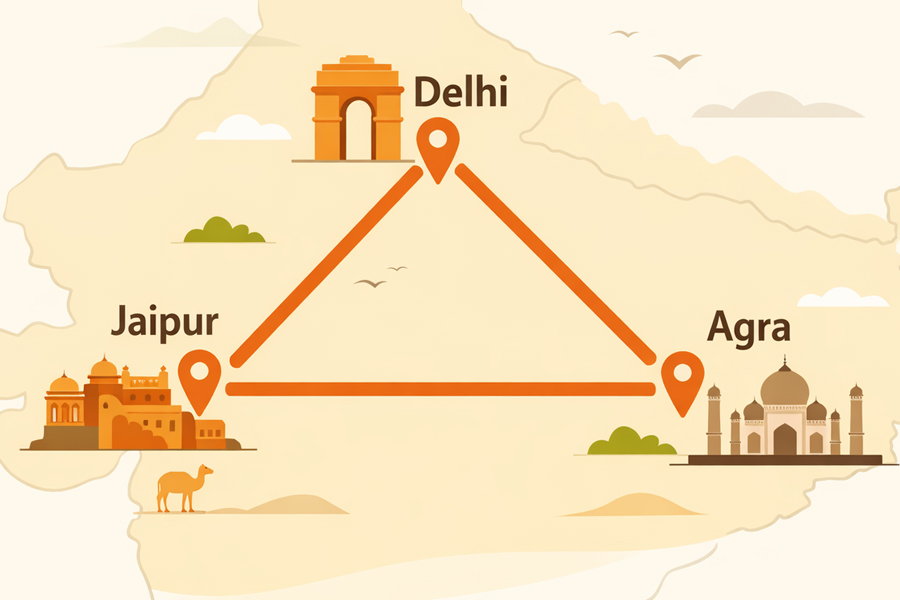
Golden Triangle tours are easy to sell. Standard package, predictable plan. Two days in Delhi ticking off Red Fort and Qutub Minar, a quick Agra stop for the “must‑do” Taj Mahal selfie every grandmother expects to see on Facebook within 24 hours of your arrival, one night in Jaipur for Amber Fort – and then a race back to Delhi for your evening flight home. You come back feeling like you’ve “done India”, but actually you’ve mostly seen the inside of an air‑conditioned bus and the same five monuments every other traveller photographs from the exact same spots, you know?
A customizable Golden Triangle is a different game altogether. You still keep the helpful structure – private car, local driver, pre‑booked hotels taking away the logistics headache you’d face if you went fully independent – but you control what happens each day. You’re not stuck following a timeline some tour operator wrote years ago and never updated because it keeps selling anyway, whether people love it or quietly tolerate it because they didn’t realise better options existed when they booked.
Some travellers want sunrise at the Taj Mahal and literally nothing else. They don’t care about forts or museums; once they get that one dreamy photo, they’re happy to spend the rest of the trip eating street food and wandering bazaars. Others are the opposite: they’d happily skip most big monuments to make space for food tours, cooking classes, textile workshops – all the cultural experiences rigid packages rarely include because they’re too busy rushing you to the next UNESCO site. Families with young kids need room for naps and 2 pm energy crashes, when the same child who was excited to climb every fort step suddenly needs a bed right now, not “after two more hours of sightseeing”. Photography lovers want golden‑hour time at key locations, but standard tours optimise for maximum number of stops, not the best light or the best moments.
This guide breaks down how a Golden Triangle trip actually works on the ground, day by day, and shows you exactly where you can customise. You’ll see clear decision points where you can slow the pace, swap monuments for experiences, or completely change priorities based on your travel style, instead of following the usual “tourist in India must see these places” script most packages still use.
Why Golden Triangle Tours Need Customization (And Why Most Don't Actually Get It)
Tour operators love fixed itineraries. Makes life easier for them. Easier scaling when you're selling same product to 500 people versus creating 500 unique experiences requiring actual thought and flexibility from staff who'd rather processing bookings on autopilot than genuinely understanding what each traveler actually wants from their India trip, right?
Fixed itineraries create these forced binary choices you probably didn't realize accepting when you booked. You either follow exact timeline down to hour or you're paying cancellation penalties and rebooking fees that add up fast. You get hotel rooms chosen for tour operator convenience – maybe they've got commission deal with certain properties, maybe hotels are just logistically positioned on route regardless of whether they're actually nice places you'd enjoy staying – not chosen based on your preferences for boutique heritage properties versus modern business hotels versus budget but clean guesthouses.
Monuments get hit in standard order regardless of your specific interests. Maybe you're genuinely fascinated by Mughal architecture and could spend six hours at Agra Fort studying design details while you couldn't care less about shopping in bazaars, or maybe opposite you're textile enthusiast who wants four hours wandering Jaipur fabric markets while forts bore you to tears after first thirty minutes. Fixed package treats everyone identically assuming average tourist wants average experience which results in nobody getting experience actually optimized for their interests.
Customizable approach flips this entire model. You're not paying for standardized package where operator's already decided everything before you even contacted them, you're paying for logistics coordination backbone – reliable driver who knows routes and speaks English, pre-booked hotels so you're not hunting accommodation daily, entry tickets arranged in advance avoiding queues, basically operational framework handled professionally – while retaining actual control over how you use that framework each day based on how you're feeling, what weather's doing, what you discovered previous day that's changing your priorities for today.
From my experience this only works when you book directly with operator who genuinely understands and values flexibility, not when you're using massive package tour companies where everything's preset in their booking system and "customization" just means choosing between three predetermined variants of same basic template. That's important distinction worth understanding before you hand over deposit money thinking you're getting flexibility then discovering week before trip that operator's not actually willing adjusting anything substantial without charging ridiculous change fees.
Look, I've seen this play out dozens of times. Traveler books "customizable" Golden Triangle with big online platform, arrives India, realizes day two they hate crowds and want skipping Old Delhi chaos for quieter New Delhi monuments instead, gets told sorry itinerary's locked hotels are booked guides are scheduled no changes possible now, spends remaining trip forcing themselves through experiences they're actively dreading each morning instead of enjoying, leaves India thinking country wasn't for them when reality was just rigid tour structure wasn't for them but actual country would've been fine if they'd had freedom responding to their genuine reactions.
The Best Time to Visit Golden Triangle – How Season Changes Everything
Before building your specific itinerary you need understanding what time of year you're actually traveling because Golden Triangle in January versus July? Completely different experiences. Different weather, different crowds, different strategies for what times of day you visit monuments, different clothing you pack, different health precautions you take, basically different trip even though you're seeing same monuments.
| Season | Months | Weather & Crowds Reality | Smart Customization Strategy |
|---|---|---|---|
| Peak Season | Nov–Feb | Perfect weather 15–25°C, heavy heavy crowds everywhere, highest hotel prices you'll see all year | Book minimum 2-3 months advance for any flexibility. Consider adding extra days for slower exploration instead of rushing through crowds. |
| Shoulder Early Spring | Late Feb–Mar | Warming up fast 25–32°C, moderate crowds thinning after peak, good value on everything | Shift afternoon outdoor activities to early morning slots. Comfortable pace without peak season pressure and pricing. |
| Hot Season | Apr–Jun | Brutally hot 40–45°C regularly, thin crowds mostly domestic tourists, significantly lower prices | Plan all fort visits 6:00-8:00 AM before heat becomes dangerous. Extend afternoons for indoor activities – markets under covered areas, air-conditioned museums. Budget serious midday rest time. |
| Monsoon | Jul–Sep | Humid sticky 30–35°C, totally unpredictable rain patterns, absolute lowest prices rock bottom | Plan indoor backup activities for unpredictable wet days – museums, shopping malls, cooking classes. Enjoy surprisingly beautiful green countryside during drives between cities. |
Customization means you're not stuck forcing standard "sunrise Taj then noon fort visit then evening shopping" rhythm if your season doesn't support it. That schedule works beautifully January when temperature's 22°C at noon, becomes literal torture April when you're standing in 43°C direct sun at Agra Fort wondering why you paid money for this suffering when you could be in air-conditioned hotel room or at minimum shaded café somewhere, you know?
Monsoon's interesting case. Rain might force you shifting entire day's plans last minute because downpour started 9:00 AM and forecast shows continuing till 3:00 PM, suddenly your planned Amber Fort visit becomes impossible or at minimum miserable sloshing through muddy courtyards with wet shoes and ruined clothes. When you've booked flexible customizable tour you can actually respond to this – sleep in, do leisurely hotel breakfast, visit Jaipur City Palace museum which is partially indoor, spend afternoon in covered bazaar shopping, save Amber Fort for tomorrow when weather clears. Fixed package? You're doing Amber Fort today rain or shine because that's when guide's booked and tomorrow's Agra day and schedule doesn't flex for weather.
Delhi family last March told me they initially wanted booking January peak season dates, couldn't get time off work, ended up traveling late March instead, worried they'd made mistake choosing hot season. Turned out perfect for them because they hate crowds more than they mind heat, arriving monuments 7:00 AM before temperature climbed and before tour buses arrived meant having places nearly to themselves, and they were done outdoor sightseeing by 10:30 AM each day spending hot afternoons in museums and markets and hotel pool which their kids loved anyway more than fifth monument visit would've been, honestly.
The Perfect Customizable 6-Day Golden Triangle Framework
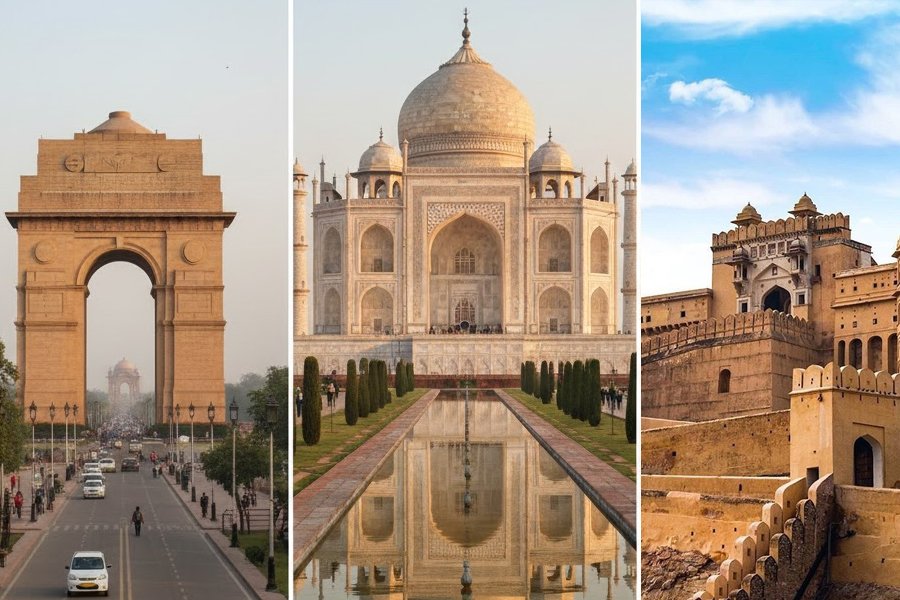
Six days hits sweet spot. Not so short you're constantly rushing feeling like you never got settled anywhere, not so long you're revisiting same places twice or running out of things genuinely interesting doing. Enough time handling travel days without feeling entire trip is just sitting in car watching highway pass, enough breathing room responding to how you actually feel each morning instead of forced marching through predetermined schedule regardless of energy levels or weather or unexpected discoveries changing your priorities.
Here's framework with actual customization decision points built in, not just generic "see Delhi see Agra see Jaipur" outline every single Golden Triangle blog post online already covers:
Day 1: Arrival Delhi – The Landing Day Nobody Plans Properly
Most international flights land Delhi either early morning (6:00-9:00 AM) or late night (after 10:00 PM). Your driver meets you at arrivals with name board, helps with luggage, drives you to hotel. You check in and then what? That's where most itineraries just say "rest" without actually helping you decide what makes sense based on your specific arrival time and jet lag situation.
If you land early morning 6:00-8:00 AM: You're probably wired from overnight flight, too early for hotel check-in which is usually 2:00 PM, and sitting in hotel lobby for six hours sounds miserable. Smart move? Ask driver taking you somewhere light and easy while hotel room gets ready – Lodi Garden is perfect, peaceful walking, not overwhelming, you can sit on grass, grab chai from vendor, ease into India gradually instead of immediately hitting chaotic Old Delhi or fighting hotel lobby boredom.
If you land late night after 10:00 PM: Just go to hotel, sleep, start fresh tomorrow. Don't try forcing sightseeing when you're exhausted, won't enjoy it and you'll be dragging entire next day from poor sleep. Exception: if you're one of those weird people who sleeps perfectly on planes and arrives energized, then sure, do late night street food walk in Connaught Place or Khan Market area if you're actually genuinely feeling good, but be honest with yourself about energy levels don't force it because itinerary says "maximize every moment."
Customization decision point here: Some travelers genuinely want hitting ground running seeing Delhi immediately arrival day because they're excited and energized and hate wasting daylight. Others absolutely need full rest day adjusting to time zone and recovering from flight before starting actual sightseeing. Massive difference in energy levels and enjoyment – decide based on your actual travel style and flight timing not based on what tour operator's default itinerary assumes.
Day 2: Delhi Full Day – Old Chaos Versus New Order
Delhi rewards splitting into two distinct personalities. Old Delhi – Jama Masjid mosque, Red Fort, Chandni Chowk markets – is sensory assault in best and worst ways, narrow medieval lanes packed with people, cycle rickshaws honking continuously, spice market smells overwhelming your nose, street food vendors everywhere cooking in questionable hygiene conditions that'll either thrill you or terrify you depending on your comfort level with chaos and street food safety concerns.
New Delhi – Qutub Minar ancient tower, India Gate war memorial, Humayun's Tomb Mughal garden tomb – is spacious, walkable, historically coherent, feels more like visiting European monuments with proper paths and signs and reasonable crowds you can navigate without feeling constantly overwhelmed by sensory overload and human density.
Morning Option A (Old Delhi deep dive for chaos lovers):
- Start 8:00 AM before crowds peak and heat becomes oppressive
- Cycle rickshaw tour through Chandni Chowk lanes – driver pedals while you observe chaos from relatively safe seat, takes 45-60 minutes, costs ₹100-200, genuinely fun experience
- Breakfast at Karim's or Paranthe Wali Gali – iconic Old Delhi eateries, food's incredible if your stomach can handle it, skip if you're cautious about food safety which is totally reasonable first days in India
- Wander Red Fort interior – less impressive than Agra Fort honestly but worth seeing if you're into Mughal architecture, takes 60-90 minutes
- Get lost intentionally in spice market photographing colors and chaos – this is where Old Delhi shines for photography enthusiasts
This takes 3-4 hours, feels like you've experienced "real India" everyone talks about, either love it or hate it probably not much middle ground honestly.
Morning Option B (New Delhi for controlled experience):
- Start Qutub Minar 9:00 AM – stunning 12th century tower, well-maintained gardens, takes 90 minutes leisurely pace
- Humayun's Tomb 11:00 AM – beautiful Mughal architecture predating Taj Mahal, inspiration for Taj design, peaceful gardens, another 90 minutes
- Lunch at Khan Market or nearby café – modern clean restaurants, air-conditioned comfort, diverse menu options beyond Indian food if you need break from spice
This feels easier, less intense, better for first-time India visitors or those who genuinely don't enjoy overwhelming crowds and sensory chaos.
Afternoon flexibility options:
- Markets: Karol Bagh for everything imaginable cheap, Khan Market for upscale boutiques and cafés, Sarojini Nagar for bargain clothing hunt
- Museums: National Museum if you want air-conditioned cultural context understanding Indian history, takes 2-3 hours if you're genuinely interested not just killing time
- Modern Delhi experience: Visit shopping mall like Select Citywalk seeing how modern urban Indians actually live and shop versus just seeing tourist monuments
- Rest: Honestly? Sometimes best choice is returning hotel for pool time or nap, especially if you did intense Old Delhi morning and you're feeling overwhelmed, don't force afternoon sightseeing if you're genuinely exhausted
Evening: Sunset walk around India Gate is classic Delhi experience – wide boulevards, impressive memorial, locals out exercising and picnicking, ice cream vendors everywhere. Or return Chandni Chowk for evening food walk if you skipped Old Delhi entirely during morning, food scene's better evening anyway when vendors are fully set up and locals are eating dinner street-side.
Major customization point: You absolutely don't have to doing both Old Delhi and New Delhi. If overwhelming crowds genuinely stress you out making experience miserable instead of exciting, skip Old Delhi entirely, do relaxed New Delhi day, spend extra time museums or cafés or hotel, and don't feel guilty about "missing" Old Delhi because forcing yourself through experience you'll hate just to check box isn't actually good travel it's just completion anxiety.
Bangalore corporate group last November did exactly this – three senior executives traveling together, all agreed after discussing they had zero interest in chaotic crowded markets and street food uncertainty, spent entire Delhi day doing New Delhi monuments plus long lunch at India International Centre discussing business over quality food in peaceful environment, said afterward it was perfect Delhi day for them even though technically "missed" Old Delhi experience every guidebook says is essential, but who decides what's essential for your trip? You do, not guidebook writers, right?
Day 3: Delhi to Agra Drive Day – Transition Breathing Room
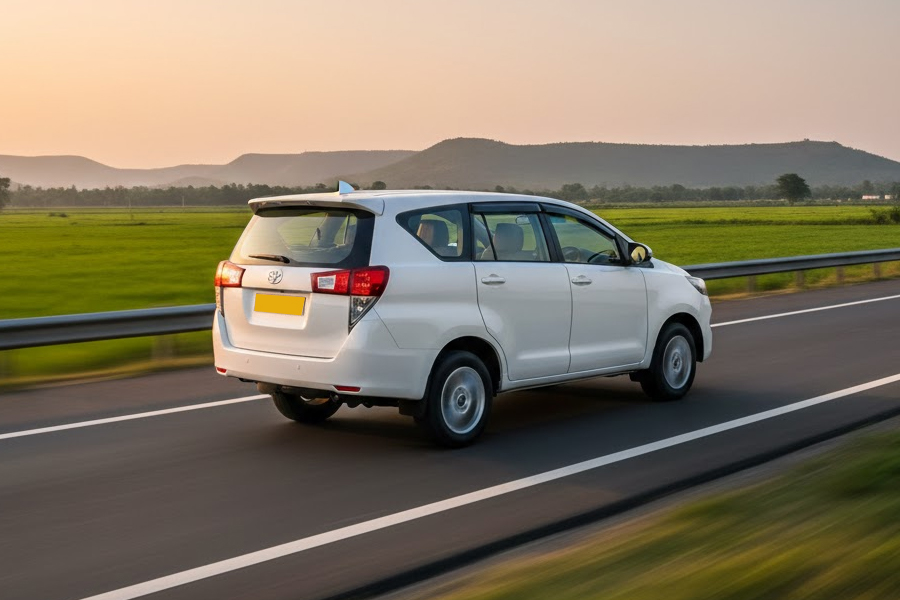
Leave Delhi mid-morning around 9:00-10:00 AM. No point rushing out early because you're not hitting tourist sites needing beat-the-crowds strategy, you're just driving highway to next city. Three to four hours drive depending on traffic and how many stops your driver makes for fuel and restroom breaks.
The expressway is surprisingly decent. Modern highway, smooth pavement, rest stops with actual clean restrooms and decent chai, not the nightmare road travel horror stories you might've heard about Indian highways from travelers who did this trip 15 years ago when infrastructure was genuinely rough.
Your driver knows the stops. Where restrooms are actually clean versus just concrete hole in ground, which dhaba (roadside restaurant) has good food versus which one you'll regret visiting, when fuel stops make sense. Let him drive without micromanaging, that's what you're paying for, his route knowledge and bathroom stop expertise saves you significant stress honestly.
Arrive Agra early afternoon typically 1:00-2:00 PM. Check into hotel, rest bit shaking off car stiffness, then head out for afternoon Agra sightseeing while light's still good and you've got energy before evening exhaustion hits.
Afternoon in Agra – Agra Fort is criminally underrated: Most tourists fixate entirely on Taj Mahal treating Agra Fort like obligation checkbox, but fort's genuinely impressive – massive red sandstone complex, stunning Mughal architecture, far fewer crowds than Taj, gives you room actually appreciating details instead of being shoved along by crowd pressure and tour guide schedules.
Spend solid 90-120 minutes at Agra Fort if you're genuinely interested in architecture and history. Climb ramparts for Taj views across river, explore palace halls with amazing inlay work, photograph ornate gates and courtyards without thousand other people photobombing every shot like happens at Taj.
Evening at Mehtab Bagh: This is where smart travelers end their Agra arrival day. Mehtab Bagh is garden park across Yamuna River from Taj Mahal, gives you that classic postcard Taj view but without crowds and entry fees and security hassles of actually visiting Taj itself. Sunset here is genuinely beautiful – Taj glowing in golden light, reflection in river if water level's right, peaceful atmosphere sitting on grass watching light change.
Entry fee is minimal, maybe ₹20-50, completely worth it. Bring snacks and water, find good sitting spot, watch sunset, get your preliminary Taj photos making tomorrow's actual Taj visit less pressured because you've already got the view shots covered.
Customization option: Some tours skip Agra Fort or Mehtab Bagh trying maximize time efficiency. Don't. These are the parts of Agra that actually matter beyond just Taj Mahal Instagram selfie everyone's already seen thousand times before yours. If you only have one afternoon though and must choose, do Agra Fort over Mehtab Bagh because architectural experience beats distant view, though ideally you do both since they're different experiences not competing for same time slot.
Day 4: Taj Mahal Sunrise Then Jaipur Drive – The Long Day
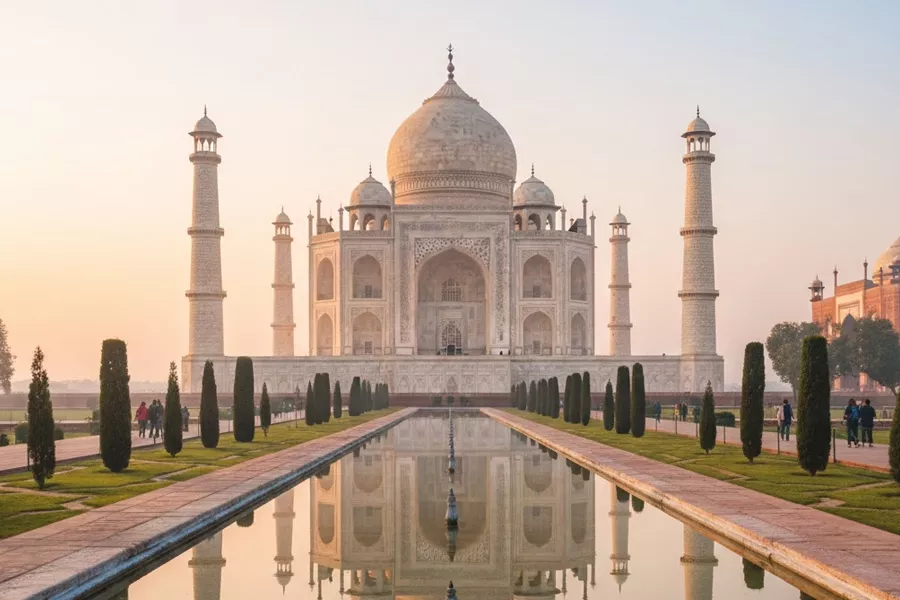
Taj Mahal sunrise justifies the ridiculous 4:30 AM wake-up call. Your driver picks you up hotel in dark, drives to East Gate (less crowded than main West Gate where tour buses dump everyone), you're in queue by 5:45 AM just as gates open 6:00 AM.
Sunrise timing varies by season – winter around 6:45-7:00 AM, summer earlier around 6:15-6:30 AM. The magic window is roughly 30 minutes when light's genuinely special and crowds are thinnest. Pink-golden glow hitting white marble, reflections perfect in front pool if wind's calm, relative quiet before tour groups arrive making contemplative experience impossible.
Most tourists leave by 7:30-8:00 AM. They got their sunrise shots, checked their box, moving on to next destination. If you're still there 8:00 AM you've essentially got monument to yourself for another hour, that's genuinely rare opportunity at world-famous landmark usually mobbed with people.
Bring water and snacks. Security doesn't allow food inside but you can eat at exit area. Wear comfortable shoes because you're walking marble paths that get slippery if there's any moisture. Bring light jacket even summer because early morning can be surprisingly cool especially winter season.
After Taj: Return to hotel by 9:00 AM for proper breakfast, shower, packing. Check out around 11:00 AM. Back in car heading toward Jaipur. This is long driving day – roughly 5-6 hours depending on whether you stop at Fatehpur Sikri or not.
Fatehpur Sikri decision point (major customization opportunity):
Fatehpur Sikri is abandoned 16th century Mughal city, roughly 40 km detour off direct Agra-Jaipur route. Architecturally stunning red sandstone complex, UNESCO World Heritage site, impressive scale and preservation. Requires 90-120 minute stop including walking through complex and dealing with aggressive guides and souvenir sellers at entrance.
Arguments for visiting Fatehpur Sikri:
- Genuinely beautiful architecture if you're into Mughal design
- Breaks up long drive with proper walking and sightseeing rather than just sitting car entire day
- You're already en route, not making special trip, so timing works naturally
- Photography opportunities different from Agra Fort or Jaipur palaces because of red sandstone and different period design
Arguments for skipping Fatehpur Sikri:
- By this point in trip you've already seen Red Fort Delhi and Agra Fort, another fort-palace complex might feel repetitive causing "palace fatigue"
- Elderly relatives or very young kids might be exhausted from early Taj wake-up, prefer reaching Jaipur faster for rest versus more walking and climbing
- You're photography-focused wanting more time fewer places, rather spending extra two hours tomorrow at Jaipur locations than rushing through another monument today
- The aggressive guides and souvenir sellers at Fatehpur entrance genuinely stress some travelers, if you're already feeling hassled by touts this stop might push you over edge into frustration
Ever wondered why some Golden Triangle tours make Fatehpur Sikri sound non-negotiable essential while others barely mention it? Because it genuinely depends on your travel style. Architecture enthusiasts? Absolutely visit. Families with kids tired from days of monument-touring? Probably skip. Photography pros wanting portfolio depth? Visit. Casual tourists ready for this trip to include bit more relaxation? Skip and reach Jaipur earlier for hotel pool and sunset city views instead.
From my experience asking drivers to honestly assess whether specific groups should do Fatehpur stop or not, they say maybe 60% of tourists actually enjoy it, 30% do it because itinerary said to but would've preferred skipping, and 10% actively regret going because added stress to already long day when they were already tired from sunrise Taj wake-up.
Pune couple last December skipped Fatehpur specifically because wife was recovering from knee surgery and walking huge monument complex would've been painful and exhausting, reached Jaipur by 4:00 PM instead of 6:00 PM, spent late afternoon walking around their heritage hotel's gardens and rooftop, said it was perfect choice for them even though tour operator initially included Fatehpur in default itinerary.
Arrive Jaipur late afternoon or early evening depending on Fatehpur decision. Check into hotel, shower, rest. Dinner and early night because you've been up since 4:30 AM and tomorrow's full Jaipur day.
Day 5: Jaipur Full Day – Maximum Customization Options
Jaipur is India's most tourist-organized city. It's clean, it's manageable, locals are genuinely used to foreign tourists so you're not getting constant stares and hassles, traffic's reasonable compared to Delhi chaos. This makes it ideal for customization because infrastructure supports various activity types not just monument touring.
Standard itinerary hits Amber Fort morning, City Palace afternoon, bazaars evening. That works fine, covers the essentials, gives you three different experience types (fort, palace, shopping). But customization lets you breaking this template based on what actually interests you versus what tour operators assume average tourist wants.
Morning fortress option (Amber Fort):
Arrive Amber Fort by 8:30-9:00 AM beating main tour bus rush that starts 10:00 AM. Fort sits on hillside 11 km from Jaipur city, dramatic location overlooking lake, genuinely impressive scale and preservation quality.
You can spend 45 minutes hitting highlights or 3+ hours exploring every courtyard and chamber depending on interest level. Most tourists do 90-minute middle-ground visit seeing main palace areas, mirror palace hall (absolutely stunning), rampart walks with valley views, then moving on.
Elephant ride to fort entrance is famous but controversial. Some tourists love it, others feel guilty about animal welfare concerns. If you do it, pay official rate (around ₹1100 per elephant carrying two people), tip mahout separately, skip if you've got ethical concerns about elephant tourism. Walking path to entrance works perfectly fine takes 15 minutes uphill which is moderate exercise but nothing extreme.
Alternative morning options (if you're done with forts):
- Cooking class: Several Jaipur hotels and cultural centers offer 3-4 hour morning cooking sessions – market visit buying ingredients, hands-on cooking traditional Rajasthani dishes, eating what you made for lunch. Genuinely fun experience especially if you're food-focused traveler, costs ₹2000-4000 per person typically.
- Textile workshop or block printing demonstration: Jaipur's famous for traditional textile arts, several workshops let you observing artisans at work and trying basic block printing yourself. More interesting than another fort if you're into crafts and design.
- Extra sleep and slow hotel breakfast: Honestly? By day five you might be exhausted from travel pace, sometimes best choice is just resting, using hotel amenities you've paid for but barely seen, reading by pool, having leisurely breakfast without rushing to next monument checkpoint. Don't underestimate value of rest days on trips that typically pack too much activity into too few days.
Afternoon palace and city option:
City Palace sits in Jaipur old city center, still partially occupied by royal family, you tour museum sections seeing royal artifacts, textiles, weapons, miniature paintings. Takes 60-90 minutes typically, interesting but can feel bit rushed on standard tours.
Hawa Mahal (Palace of Winds) is right there, famous pink facade with honeycomb windows, great for photos from street level but interior's honestly not that interesting, five minutes photo stop usually sufficient unless you're architectural photography specialist.
Jantar Mantar astronomical observatory is nearby if you're interested in science history and giant sundial instruments, skip if you're not because it's fairly niche interest area requiring guide or audio tour for proper context understanding.
Alternative afternoon options:
- Extended shopping time: Bapu Bazaar for textiles and everyday items, Johari Bazaar for jewelry and gemstones, Tripolia Bazaar for lac bangles and ironwork, MI Road for fixed-price shops avoiding bargaining stress. Real shopping requires 3-4 hours minimum not rushed 45-minute stop most tours allocate.
- Spa and wellness: Jaipur has excellent spas, traditional Ayurvedic massages, foot treatments that feel amazing after days of monument walking, costs ₹1500-4000 for quality 60-90 minute treatment. Book morning for afternoon slot.
- Cafe hopping and neighborhood walking: Jaipur's developing nice cafe culture, several heritage areas have converted havelis (traditional mansions) into cafes and boutique shops, wandering these without tour guide pressure discovering your own finds is genuinely enjoyable way spending afternoon.
Evening options:
- Classical music or dance performance at City Palace or local cultural center – common evening entertainment in Jaipur, costs ₹500-1500 per person, genuinely good quality performances not just tourist shows
- Sunset at Nahargarh Fort overlooking city – great views, popular with locals as evening hangout spot, has cafes and restaurants with city view seating
- Night market walk with street food tour – several operators do evening food walks through markets introducing you to safe street food stalls and traditional snacks
- Just rest at hotel, room service dinner, early night – perfectly valid choice if you're exhausted and not actually enjoying forced evening activities at this point
Major customization reality: This is your most flexible day of entire Golden Triangle trip. You can pack it with maximum sightseeing hitting four forts and palaces, or you can spread it extremely thin doing one monument then spending rest of day shopping and café-sitting and pool-lounging. Decide based on how you're actually feeling day-of, not based on what itinerary said three months ago when you booked. Weather matters too – if it's surprisingly hot or surprisingly rainy, adjust plans accordingly responding to conditions rather than forcing predetermined schedule makes no sense given actual situation.
I always tell travelers Jaipur day is barometer for whether your trip pacing is right. If you wake up energized and excited hitting multiple locations, great you've nailed the pace. If you wake up dreading another monument and wishing you could just wandering markets or sitting cafe, that's signal you've been over-scheduling and need slowing down not speeding up.
Day 6: Jaipur to Delhi Return & Departure Day
Wake up, pack, check out. Drive back to Delhi is 5-6 hours depending on traffic and route. Most evening international flights work with this timing – leaving Jaipur 9:00-10:00 AM puts you back Delhi/airport by 3:00-4:00 PM, plenty of buffer time for 8:00-10:00 PM evening flights.
Morning Jaipur options if you've got time before departure:
- Final shopping run if you saw something yesterday wanting but didn't buy, or need souvenirs for people back home
- Breakfast at Jaipur café you discovered and loved
- Quick visit to location you skipped yesterday but regret missing
- Just leave earlier, arrive Delhi with extra buffer time, sit airport lounge relaxing instead of rushing stressfully
Customization option: If you've got very late flight (after midnight) you could spend entire morning in Jaipur doing relaxed activity you've wanted but standard itinerary didn't include, leave Jaipur early afternoon, still make evening flight with comfortable margin. Some tours book this as departure day with zero flexibility, but if you've booked customizable operator they'll accommodate late flight timing giving you extra half-day Jaipur rather than sitting airport bored for six hours.
Popular Add-On Customizations (Extending Beyond Basic 6 Days)
Six days is golden triangle standard, but truly customizable tour lets you bolting on extra experiences if you want them and have time. Here's what actually works based on what people actually request not just theoretical possibilities nobody actually does:
Add Ranthambore National Park (Total 8-9 Days)
Insert two nights Ranthambore between Agra and Jaipur days. Ranthambore is one of India's premier tiger reserves, roughly 3.5 hours from Agra, 3 hours from Jaipur, sits naturally between the two cities without adding huge detour.
You get two game drives into tiger territory – one afternoon arrival day, one early morning next day – each drive 3-3.5 hours in open-top jeep or larger canter vehicle exploring different zones of forest. Tiger sighting chances vary wildly by season and luck, maybe 30-40% chance seeing tiger during two drives peak season (October-April), lower chances off-season and monsoon when park's partially closed.
Even without tiger you see plenty of wildlife – leopards sometimes, sloth bears occasionally, wild boars everywhere, spotted deer and sambar deer herds, crocodiles in lakes, incredible birdlife with over 300 species. The forest itself is beautiful, game drives are fun experience regardless of specific animal sightings, it genuinely breaks up monument-heavy Golden Triangle with completely different outdoor nature experience.
Who this works for: Wildlife enthusiasts obviously, photographers wanting animal shots not just monuments, families with kids who love animals and need activity break from temples and palaces, travelers who've done Golden Triangle before and wanting adding something new to repeat visit.
Who should skip it: Those on very tight schedules where adding two days doesn't work, pure culture travelers who came to India specifically for historical architecture and temples and have zero interest in wildlife, anyone traveling July-September when park's closed for monsoon season anyway.
Cost addition is roughly ₹8,000-15,000 per person depending on accommodation level and safari type (jeep versus canter), plus two extra hotel nights.
Add Pushkar or Ajmer (Total 7-8 Days)
Pushkar is small sacred pilgrimage town built around beautiful holy lake, famous for its Brahma Temple (one of very few in India), ghats with evening aarti ceremonies, relaxed backpacker vibe with cafes and guesthouses overlooking lake. Sits roughly 2.5 hours from Jaipur, easy addition with one overnight.
Ajmer has Ajmer Sharif Dargah, one of Islam's most important shrines in South Asia, draws millions of pilgrims annually regardless of religion, fascinating spiritual atmosphere and Sufi music traditions. Right next to Pushkar, 30 minutes apart, often visited together.
These change tone of your trip significantly – adding spiritual/pilgrimage elements versus pure tourist monument visiting. Good for repeat India visitors or those specifically interested in religious and cultural diversity, less essential for first-timers who've got limited days and want maximizing major monuments.
Special timing note: Pushkar Camel Fair happens annually in November (exact dates vary by lunar calendar), if your trip coincides with fair the town transforms into massive festival with thousands of camels, cultural performances, tourists and pilgrims everywhere, completely different experience from normal quiet Pushkar rest of year.
Extend Jaipur with Village Visit or Rural Experience (Add 1 Day)
Instead of adding new destination, add full extra day in Jaipur focused on rural experiences outside the main city. Several operators offer village visits to nearby Rajasthani villages where you meet local families, see traditional crafts like pottery and weaving, eat authentic village meal, understand rural life beyond tourist monuments and city experiences.
This adds texture and depth without requiring new hotel bookings or significant extra cost, usually just activity fees ₹2,000-4,000 per person for guided village visit including meals and craft demonstrations.
Alternative: Use extra Jaipur day for serious focused activity you didn't have time for in standard itinerary – full-day cooking class with market visit and multi-course meal preparation, textile workshop learning block printing properly not just tourist demonstration, extended shopping marathon in multiple bazaars, or genuinely just relaxation day using hotel amenities and neighborhood walking without sightseeing pressure.
Slow the Entire Pace (Add 2-3 Days Distributed)
Instead of adding new locations, add extra nights in cities you love allowing much more relaxed pace throughout. Maybe two nights Delhi instead of one, two nights Agra instead of one, three nights Jaipur instead of two.
This sounds boring in itinerary planning but travelers consistently report these slower-paced trips as most satisfying and least stressful versions of Golden Triangle. You're not constantly packing and moving hotels, you're not rushing through monuments on schedule, you've got breathing room responding to how you actually feel each day versus forcing predetermined activity list.
Example slow 9-day itinerary:
- Days 1-2: Delhi arrival and full exploration day
- Days 3-4: Two nights Agra with Taj sunrise, Agra Fort afternoon, Mehtab Bagh sunset, maybe second morning revisiting Taj at leisure or exploring Agra markets
- Days 5-7: Three nights Jaipur with two full days sightseeing at comfortable pace plus half-day for rest or unplanned activities
- Days 8-9: Return Delhi with extra night allowing final shopping or museum visit before departure flight
This doesn't sound exciting when comparing to packed action itinerary hitting maximum locations, but completion rate for planned activities is nearly 100% versus maybe 60-70% on rushed trips where people start skipping things by day four because they're too exhausted continuing the pace.
What Customization Actually Costs (Reality Check)
Standard 6-day Golden Triangle package typically runs ₹35,000-75,000 per person for two people traveling together, depending heavily on hotel quality (budget guesthouses versus heritage properties versus luxury hotels), whether meals included beyond breakfast, whether guides included at monuments, vehicle type (sedan versus SUV), and operator margin.
Customization itself usually doesn't change base cost significantly. You're paying for same driver and vehicle whether following rigid itinerary or flexing it daily. Same hotel nights whether you see five monuments or two monuments per day. The flexibility is built into price not added on top assuming you've booked operator who actually offers real customization not just marketing buzzword version.
What might add cost:
- Extra nights in any city: Obvious cost, one more hotel night plus one more day of driver fees, typically adds ₹3,000-8,000 per night depending on hotel level
- Specific activities like cooking classes: ₹2,000-4,000 per person typically
- Wildlife safari addition (Ranthambore): Park entry fees, safari jeep costs, guide fees add roughly ₹4,000-6,000 per person for two safaris
- Professional guides at monuments: If not included in base package, hiring actual trained guides costs ₹500-1,500 per monument depending on language and guide quality, worth it for major sites like Taj Mahal, Amber Fort if you want proper historical context versus just wandering around taking photos
- Better hotel category: Upgrading from basic 3-star hotels to heritage properties or luxury hotels can add ₹5,000-15,000 per night difference
But changing activity within same day? Free. Skipping Fatehpur Sikri? No cost reduction but no addition either. Spending afternoon at cafe instead of third monument? No price difference. That's real customization value – freedom to use your already-paid-for time however makes sense for you without everything being nickel-and-dimed through change fees.
I think biggest mistake travelers make is assuming customization means luxury pricing. It doesn't necessarily. You can do budget customizable Golden Triangle for ₹40,000-50,000 per person staying decent clean hotels with reliable driver giving you complete flexibility on daily activities. You can also do luxury customizable version for ₹100,000-150,000+ per person staying palatial heritage properties with every extra thrown in. The customization model works at multiple price points, it's not exclusively high-end luxury product though marketing sometimes makes it seem that way.
Practical Logistics of Customizable Tours – What You Need to Know
| Element | Usually Included Base Package | Sometimes Included Varies by Operator | Usually Extra Cost |
|---|---|---|---|
| Private AC car & driver | ✓ Always included | — | — |
| Hotels all nights | ✓ Always included | — | — |
| Monument entry tickets | Sometimes | Usually yes | Sometimes you pay directly |
| Local guides at major monuments | Sometimes | Often yes for Taj and main forts | Sometimes yes if you want beyond included |
| Meals | Breakfast only at hotels | Occasionally some lunches | Lunch and dinner usually your cost |
| Airport pickup and drop-off | ✓ Always included | — | — |
| Fuel, tolls, driver expenses | ✓ Always included | — | — |
| Special activities (cooking class, safari) | Never | Sometimes can be added | ✓ Always extra cost |
Critical detail you need confirming in writing before booking: exactly what's included your specific package. "Golden Triangle tour" can mean completely different things to different operators. One operator's quote includes all monument tickets and guides and most lunches. Another operator's quote includes just car and hotels and you're paying everything else yourself. Neither is wrong, they're just different service levels at different price points, but you need knowing which you're booking before you arrive India discovering you've budgeted incorrectly.
Ask specifically: Are monument entry tickets included? Which monuments? What about guide fees? Are any meals beyond breakfast included? Is there hidden parking fees or other surprise costs? Good operator answers these questions clearly and comprehensively. Evasive operator gives vague "everything's included don't worry" responses then hits you with unexpected costs during trip.
Who Customizable Golden Triangle Actually Works Best For
Not everyone benefits equally from customizable approach. Some travelers genuinely prefer structured fixed itinerary where everything's decided for them and they just follow schedule. Others desperately need flexibility making choices day-by-day. Understanding which type you are before booking saves disappointment later.
Customizable works brilliantly for:
Families with children: Kids' energy and patience levels vary enormously day to day, predictably and unpredictably. Some mornings they're excited running around forts for three hours. Other mornings they're cranky and exhausted before you even reach monument entrance. Customizable pace lets you adjusting real-time – cutting activities short, adding rest time, changing monument visit to park visit, whatever actually works given how kids are doing versus forcing predetermined schedule regardless of meltdowns and misery.
Multi-generational groups: When you've got 25-year-olds and 75-year-olds and 5-year-olds all traveling together, rigid itineraries create impossible situations. Some people want hiking fort ramparts, others need frequent rest stops and shorter walking. Customization essential here because forcing everyone matching slowest pace creates boredom for energetic travelers, while forcing fast pace creates exhaustion and health risks for older or younger travelers. Split-group options work only when you've got flexibility built in.
Photographers (professional or serious enthusiast): You need control over timing for optimal light conditions. Standard tours rush you through Taj Mahal when sun's harsh and light's terrible, because that's when schedule says Taj happens regardless of whether it's good photography time. Customizable tour lets you arguing for sunrise Taj visit then lingering till crowd leaves, returning Mehtab Bagh for sunset light, basically maximizing golden hour opportunities versus just checking boxes on schedule.
First-time India visitors who hit culture shock: India's intense. Some travelers adapt quickly and love it. Others genuinely struggle with crowds, noise, pollution, different hygiene standards, constant attention from vendors and beggars, spicy food wreaking havoc on digestive system. Fixed itinerary doesn't care if you're having rough adjustment, you're doing five monuments tomorrow because that's schedule. Customizable tour lets you slowing down, skipping overwhelming Old Delhi chaos if it's genuinely stressing you out, taking afternoon rest when you need it, basically responding to your actual adjustment process instead of forcing yourself through preset plan.
Travelers with specific interests wanting depth not breadth: Maybe you're textile specialist and want spending full day in fabric markets and workshops genuinely learning about Rajasthani block printing and tie-dye traditions. Or you're food obsessed and want cooking class plus multiple food tours over extra monuments. Or you're history PhD researcher wanting four hours at single site versus rushing through eight sites superficially. Customization lets you optimizing for your specific interest versus generic tourist interest.
Slow travel philosophy believers: Those who consciously prefer depth over breadth, rather spending three days really understanding one city than hitting five cities for one day each. If your travel philosophy is "better few places thoroughly than many places superficially" then customizable Golden Triangle with slower pace and more breathing room matches your values far better than rush-through standard version.
Customizable doesn't work well for:
Super budget travelers: Fully independent backpacker-style travel will always be cheaper than even budget customizable tour. If your priority is absolute minimum spend, then public buses and booking your own guesthouses and skipping guides and hiring auto-rickshaws for short hops is your play, not organized tour of any type.
Those who genuinely want hands-off experience: Some travelers specifically want "tell me what to do every hour I don't want making decisions I'm on vacation" approach. That's totally valid travel style, but then you want fixed structured tour with detailed minute-by-minute schedule, not customizable one giving you choices you don't actually want making.
Very short timeframes: If you've got literally only three days total, customization doesn't help much because you're rushing regardless. Not enough time flexing anything, you need hitting Delhi-Agra-Jaipur essentials and getting out. Customization benefits manifest when you've got at least 5-6 days allowing actual pacing choices versus forcing everything compressed timeline.
Those who get anxiety from too many choices: Some personalities genuinely struggle with open-ended choices and feel stressed by flexibility. If "we could do A or B or C, what do you think?" questions make you uncomfortable and anxious rather than excited and empowered, then having decisions made for you through structured itinerary actually reduces your stress even if technically you have less freedom.
Real Experience Stories – What Customization Actually Means Day-to-Day
You wake up day two Delhi feeling absolutely exhausted. Previous day's flight and time zone adjustment hit you overnight, you slept terribly, you've got genuine exhaustion not just mild tiredness. With fixed package tour you'd be dragged through three monuments today regardless because that's schedule and guides are booked and tour group's going.
With customizable tour you tell your driver honestly "I'm exhausted I need slower day." You have leisurely breakfast at hotel finally tasting the food instead of rush-eating while checking watch. You spend two hours in Khan Market at your own pace sitting cafés watching Indian urban life happening around you, buying books at Full Circle bookstore, trying different chai at three different stalls comparing flavors. Lunch at neighborhood restaurant your driver recommends where no tourists go ever so you're getting authentic local experience not tourist-sanitized version. Afternoon rest at hotel, maybe pool, maybe nap, whatever actually helps recovery. Late afternoon you do sunset walk around India Gate when you're finally feeling human again and can appreciate experience instead of forcing yourself through suffering.
That day ends up being your favorite Delhi day because it felt chosen not forced. You remember the conversations with shopkeeper who explained chai varieties for thirty minutes, the elderly couple at India Gate who asked where you're from and shared their Partition stories, the peaceful hour reading at café without schedule pressure. None of that happens on fixed itinerary where you're monument-monument-monument-hotel following tour timeline regardless of how you actually feel or what moments organically arise during day.
Or you arrive Agra and light is absolutely perfect for photography. Sky's got these incredible clouds, sun's hitting Taj Mahal at angle you've never seen in photos before, reflections in Yamuna River are mirror-perfect. Standard itinerary says you see Agra Fort today and Taj tomorrow sunrise following predetermined schedule. You tell your driver "light's incredible right now can we please changing plan doing Taj this evening instead?"
Driver calls operator confirming flexibility, operator says fine you've got customizable booking we can adjust, you spend next three hours at Mehtab Bagh and around Taj area shooting while light's magical. You get images that wouldn't exist if you'd followed rigid schedule, genuine portfolio-quality shots versus standard tourist snapshots everyone takes. Tomorrow you still do sunrise Taj getting different light conditions creating completely different mood and images, but tonight's unexpected shoot becomes trip highlight you'll remember for years.
Or you're day five Jaipur and local shopkeeper invites you for tea in back of their textile shop. Genuinely warm invitation not sales pitch, they want sharing family craft history and showing workshop where they create block-printed fabrics using century-old techniques. Fixed schedule says City Palace visit starts 2:00 PM sharp, guide's booked, you need leaving shop now reaching palace on time.
With customizable tour you tell driver "City Palace can wait I'm staying here this is amazing." You spend two hours learning about natural dyes, trying block printing yourself on practice fabric, hearing stories about father and grandfather who ran shop before, seeing genuine craft process very few tourists ever witness because they're too busy rushing palace-to-palace following schedules. That conversation becomes memory you talk about for years telling friends about your India trip, far more meaningful than generic palace museum visit would've been honestly.
Look, these moments can't be planned. They emerge organically during travel when you're open to deviating from plan and have permission actually deviating without penalty or guilt or losing money on non-refundable bookings. Customization isn't about luxury or expense primarily, it's about having that permission responding to real moments instead of following predetermined path regardless of what you encounter.
Final Honest Assessment – Is Customizable Golden Triangle Right for You?
If you want structured managed experience with logistics handled but time controlled by you – rather than either fully booking rigid package everything predetermined or going completely independent organizing everything yourself – customizable Golden Triangle hits middle ground extremely well.
It works when you value having someone else handling operational headaches (where to stay, how to get there, what documents needed at monuments, who's good driver versus sketchy one) while maintaining control over experiential choices (what to see, how long to stay, when to skip something, when to add something).
It works when you're traveling with people having different paces and interests needing flexibility accommodating everyone without forcing lowest common denominator experience making nobody happy. It works when you want safety net of pre-arranged driver and hotels providing security and convenience but freedom actually responding to what you encounter versus just passing through following script.
It doesn't work if you want absolute cheapest option possible – fully independent backpacker travel will always cost less though requires much more research and risk-taking and daily problem-solving energy. Doesn't work if you genuinely want completely hands-off experience where professional decides everything and you just follow instructions without making choices.
And it doesn't work if you need rigid structure and would feel anxious with day-by-day decision-making flexibility creating too many choices feeling overwhelming rather than empowering.
But if you're somewhere in middle – organized enough appreciating having reliable driver and confirmed hotel bookings removing operational stress, flexible enough enjoying making real-time decisions about your time responding to how you feel and what you discover – this approach lets India actually happening to you versus you just efficiently moving through India checking famous sites off list without genuine engagement or memorable unexpected moments that make travel meaningful instead of just completionist exercise, you know?
I think most travelers fall into this middle category honestly. They want enough structure feeling safe and not constantly stressed about logistics, but enough freedom actually enjoying moments and responding to their instincts about what sounds good today versus what itinerary written months ago says should happen today. That's sweet spot where customizable Golden Triangle delivers maximum value and satisfaction versus either extreme of total independence or total rigidity.
Message me if you're planning Golden Triangle trip 2026 and want discussing customization options that actually match your specific travel style and priorities. Zero pressure booking anything, just honest conversation about what works for your situation versus generic package that's optimized for average tourist who probably doesn't exist, right?
Recent Posts
 Amer Fort Boating 2026 Guide: Maota Lake Tickets & Timings
Discover Amer Fort’s new Maota Lake boating, updated 2026 ticket rates, timings, safety rules and best visiting months.
 Luxury Rajasthan Tour with Oberoi, Taj & Leela Hotels
Experience royal Rajasthan in comfort with Oberoi, Taj and Leela luxury palace stays.
 Luxury Tempo Traveller & Van Hire in India 2026 – Rates, Features & Booking
Enjoy luxury van hire in India for safe, comfortable family and group travel.
 Top 10 Vehicle Hire Companies in India for Tourists
Discover the top 10 vehicle hire companies in India offering safe, comfortable tourist travel.
 Delhi Agra Jaipur Tour by Luxury Car and Private Driver
Enjoy a Delhi Agra Jaipur tour with a luxury car, private driver and flexibility.
 Luxury Car and Driver for Comfortable Rajasthan Tour
Explore Rajasthan in comfort with a luxury car, private driver and flexible custom tour.
 Jaisalmer Travel Guide for Foreign Tourists: Best Time, Desert Tours & Tips
Plan your Jaisalmer trip with ideal seasons, desert tour packages and essential foreigner tips.
 Hidden Villages of Rajasthan: Offbeat Rural Experiences & Village Travel Guide
Hidden Villages of Rajasthan: Offbeat Rural Stays, Homestays & Authentic Village Life.
-
Amer Fort Boating 2026 Guide: Maota Lake Tickets & Timings
Discover Amer Fort’s new Maota Lake boating, updated 2026 ticket rates, timings, safety rules and best visiting months.
-
Luxury Rajasthan Tour with Oberoi, Taj & Leela Hotels
Experience royal Rajasthan in comfort with Oberoi, Taj and Leela luxury palace stays.
-
Luxury Tempo Traveller & Van Hire in India 2026 – Rates, Features & Booking
Enjoy luxury van hire in India for safe, comfortable family and group travel.
-
Top 10 Vehicle Hire Companies in India for Tourists
Discover the top 10 vehicle hire companies in India offering safe, comfortable tourist travel.
-
Delhi Agra Jaipur Tour by Luxury Car and Private Driver
Enjoy a Delhi Agra Jaipur tour with a luxury car, private driver and flexibility.
-
Luxury Car and Driver for Comfortable Rajasthan Tour
Explore Rajasthan in comfort with a luxury car, private driver and flexible custom tour.
-
Jaisalmer Travel Guide for Foreign Tourists: Best Time, Desert Tours & Tips
Plan your Jaisalmer trip with ideal seasons, desert tour packages and essential foreigner tips.
-
Hidden Villages of Rajasthan: Offbeat Rural Experiences & Village Travel Guide
Hidden Villages of Rajasthan: Offbeat Rural Stays, Homestays & Authentic Village Life.