India’s Golden Triangle Travel Guide 2026: How Delhi, Agra and Jaipur Surprised Me
I’ll be honest – I wasn’t excited about the Golden Triangle at first. On paper, it sounded almost too obvious: Delhi, Agra, Jaipur. The classic India route that everyone does, the one the “serious” travellers online love to roll their eyes at for being crowded, predictable, and not the “real” India.
But the more I tried to talk myself out of it, the more one thought kept nagging at me: how do you come all the way to India and not see the Taj Mahal? In the end, curiosity won. I booked a week-long loop through Delhi, Agra, and Jaipur, fully prepared for it to feel a bit over-hyped.
What actually happened was the opposite.
Yes, I saw the big-name monuments. But what stayed with me were tiny, unscripted moments: sharing chai with strangers in a back lane, laughing at the organised chaos of Delhi traffic that suddenly turned into a street performance, and standing absolutely still as sunset light washed across old sandstone in Jaipur.
Delhi challenged me. Agra made me slow down. Jaipur – somehow, without trying very hard – stole my heart.

Where Exactly Is India’s Golden Triangle?

The Golden Triangle is a classic travel circuit in northern India that connects three cities: New Delhi, Agra, and Jaipur. If you draw them on a map, they form an almost equilateral triangle – hence the name.
Roughly speaking:
- New Delhi sits at the top.
- Agra is to the southeast.
- Jaipur lies to the southwest.
The usual road distances work out to about 230–250 km between each leg, and depending on traffic and mode of transport, journeys typically take between four and six hours. Many travellers still follow the classic loop – Delhi → Agra → Jaipur → back to Delhi – but you can easily reverse it or add extra destinations along the way.
Most international visitors fly into Delhi first, spend a couple of days adjusting to India’s rhythm, then move on to Agra for the Taj Mahal, and finish in Jaipur before looping back. Increasingly, people are also using Jaipur as an entry or exit point thanks to more domestic connections, especially if they plan to continue deeper into Rajasthan afterwards.
From the Golden Triangle, it’s straightforward in 2026 to connect onwards by train or air to places like Rajasthan’s desert cities, Mumbai, Varanasi, Goa, or Kerala, which makes it a very practical starting point for a wider India itinerary.
Why the Golden Triangle Is Still Worth Your Time

The Golden Triangle has a reputation for being “touristy” – and in many ways, that’s fair. The Taj Mahal is one of the most visited monuments on the planet, and Delhi and Jaipur are hardly hidden gems. But there are real reasons this route has held its place for decades, especially for first-time visitors.
1. World-Class Monuments in Three Cities
Everyone comes for the Taj Mahal, and nothing quite prepares you for seeing it in person. But the Golden Triangle is much more than one monument.
- In Delhi, you’ve got layers of history on top of each other: Jama Masjid and the buzzing alleys of Old Delhi, Humayun’s Tomb with its quiet gardens, Qutub Minar’s soaring tower, and leafy spots like Lodhi Gardens that locals actually use every day.
- In Agra, Agra Fort and Itimad-ud-Daulah (often called the “Baby Taj”) help you understand the Mughal story beyond the Taj itself. Many travellers now make time for lesser-known viewpoints across the river as well, where you can see the Taj framed more quietly.
- In Jaipur, Hawa Mahal, Amber Fort, Jaigarh, the City Palace, and Jantar Mantar are just the beginning. You also have bustling bazaars, stepwells, and vantage points like Nahargarh Fort that give you that sweeping Pink City view at sunset.
If you’re the kind of traveler who likes your history tangible – walls you can touch, stories you can imagine – the Golden Triangle delivers that in dense doses.
2. Three Very Different Flavours of North India
One of the reasons this route works so well is that the cities genuinely feel different from one another.
- Delhi is a layered capital, part Mughal, part colonial, part glass-and-steel modern. You can go from old bazaars to hip cafés and metro rides in a single afternoon.
- Agra feels more compact and Taj-focused, but step away from the main drag and you’ll find smaller mosques, river views, and streets that still move at their own pace.
- Jaipur is your gateway to Rajasthan: pink-walled old city, traditional markets, block-printed textiles, and an easy jump-off point to places like Pushkar, Udaipur, or Jodhpur.
In just a week you get a taste of three different states – Delhi’s union territory status aside – each with its own rhythm, food, and way of doing things.
3. Easy Logistics for First-Time Visitors
There’s another reason the Golden Triangle has stayed popular: it’s simply easier than many other routes. In 2026, the infrastructure along this circuit is among the best in North India.
- Plenty of accommodation options in all price brackets, from guesthouses and mid-range hotels to palace-style properties.
- Multiple daily trains, intercity buses, and private driver options between each city.
- Ride-hailing apps in Delhi and Jaipur, and reliable local taxis and autos in all three stops.
- Widespread English in hotels, restaurants, and tourism services, which takes a lot of pressure off if you’re new to the country.
If you want an introduction to India that challenges you just enough without overwhelming you, this route still does the job better than almost any other.
How Long Do You Really Need for the Golden Triangle?

Technically, you can squeeze the Golden Triangle into three or four days if you rush – but that’s more like skimming the surface than actually experiencing it. Most experienced travelers and updated 2025–2026 guides agree on a rough pattern:
- 3–4 days – Absolute minimum, usually for people on business trips or extremely tight schedules. Expect one night each and a lot of driving or train time.
- 5–6 days – The current sweet spot for many visitors. You get breathing room in each city, time for markets or cafés, and the option to add one or two stops, such as Fatehpur Sikri on the way from Agra to Jaipur.
- 7–8 days – Ideal if you prefer a slower pace, are travelling with kids or older parents, or want to add experiences like food walks, shopping, or day trips without constant rushing.
On my own trip, I did seven nights and eight days and it felt like the right balance. I wasn’t racing, but I also wasn’t twiddling my thumbs. With an extra two or three days, I would easily have added a wildlife stop like Ranthambore or a short detour to smaller towns.
My Suggested Golden Triangle Itinerary (7 Days)
Day 1: Land in Delhi and Ease In
Most international flights land you in Delhi at some awkward hour. My advice? Don’t plan too much for day one.
Check into your accommodation, take a shower, and give yourself space to adjust. A gentle way to start is to explore a quieter part of South Delhi: walk in a neighbourhood park, find a café, or simply sit with a chai and absorb the new sounds and smells.
If you’re not too jet-lagged, an evening street food tour in a relatively manageable area like South Delhi or New Delhi can be a great way to dip into local flavours without diving straight into the chaos of Old Delhi on day one.
Day 2: Old Delhi – Chaos, History and Chai
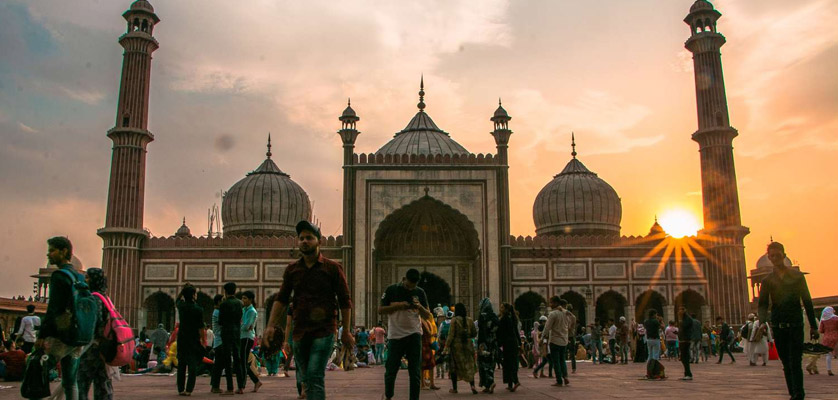
Old Delhi is intense, and that’s exactly why it belongs early in your trip. Start with Jama Masjid, one of India’s largest mosques. Climb the minaret if you’re up for narrow stairs and big views. From there, lose yourself in the lanes of Chandni Chowk – spices, textiles, jewellery, sweets – all packed into a maze that looks chaotic but has its own internal logic.
Fit in a visit to the Red Fort if you want more Mughal context, and consider closing the day at Raj Ghat, Gandhi’s memorial, for a quieter, reflective contrast. If you struggle with sensory overload, build in breaks: a lassi stop, a rooftop chai, or a quick escape into the Delhi Metro can work wonders.
Day 3: New Delhi – Wide Roads and Green Spaces
New Delhi feels like a different city altogether. Start with Humayun’s Tomb – a precursor to the Taj Mahal and a brilliant place to understand Mughal architecture in a less crowded setting.
From there, you can:
- Walk or drive past India Gate and the ceremonial avenues of Lutyens’ Delhi.
- Visit Agrasen ki Baoli, a historic stepwell tucked away between modern buildings.
- End your day in Lodhi Gardens, wandering among tombs and trees, or take a short detour to Lodhi Colony to see contemporary street art murals.
This is also a good day to sort any remaining logistics – trains, SIM cards, local cash – before you start moving between cities.
Day 4: South Delhi – Temples, Towers and a Cinema Break
South Delhi gives you a mix of spiritual and historical stops plus a taste of modern city life. A common pattern looks like:
- Lotus Temple – a Baháʼí House of Worship with a stunning petal-like design and a silence that hits you the moment you step inside.
- Qutub Minar – a UNESCO-listed minaret complex with intricate carvings that photograph beautifully in late afternoon light.
- An evening at a nicer cinema like PVR Director’s Cut or a local multiplex – part cultural study, part comfort break.
By the end of day four, you’ve seen enough of Delhi to form a picture without trying to “finish” it (which you never really can).
Day 5: Delhi to Agra – Taj Mahal and More

For the Delhi–Agra leg, you have two main choices: train or car. In 2026, the Gatimaan Express remains one of the most popular options for visitors who want speed and comfort.
It runs between Delhi’s Hazrat Nizamuddin station and Agra Cantt, and the ride takes a little over two hours. Inside, you get assigned seats, air-conditioning, and basic refreshments, which makes the morning pass quickly.
Once in Agra, drop your bags at your hotel and then hire an auto or taxi for the day. Consider this flow:
- Agra Fort for the Mughal story and views back towards the Taj.
- Itimad-ud-Daulah (“Baby Taj”) for a more delicate, quieter monument with beautiful inlay work.
- A viewpoint such as Mehtab Bagh across the river for sunset Taj views if conditions are clear.
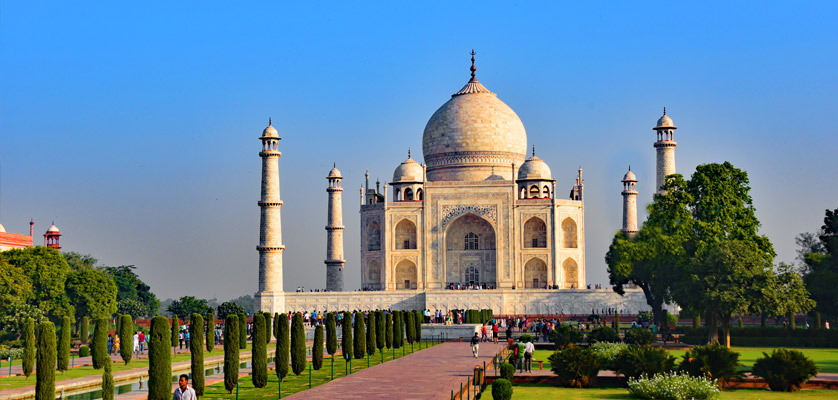
You can choose to see the Taj either at sunrise the next morning or in the late afternoon on day five, depending on your energy, weather, and smog levels.
Day 6: Agra to Jaipur via Fatehpur Sikri and Abhaneri
If you haven’t yet visited the Taj at sunrise, this is the day to do it. Set your alarm brutally early, brace yourself for security queues, and then give yourself time to just stand and watch the monument change colour as the light shifts.
After breakfast, start the drive towards Jaipur with two highly recommended stops:
- Fatehpur Sikri – Akbar’s abandoned capital, with red sandstone palaces, courtyards, and a mosque complex that feels like a complete Mughal town frozen in time.
- Abhaneri – home to Chand Baori, one of the most striking stepwells in India, with an almost geometric pattern of steps plunging down into the earth.
This makes for a long but rewarding day. With stops, expect roughly eight hours from Agra to Jaipur. Having a private driver for this leg is highly recommended, as it gives you control over timings and stops.

Day 7: Jaipur – Forts, Palaces and Pink City Lanes
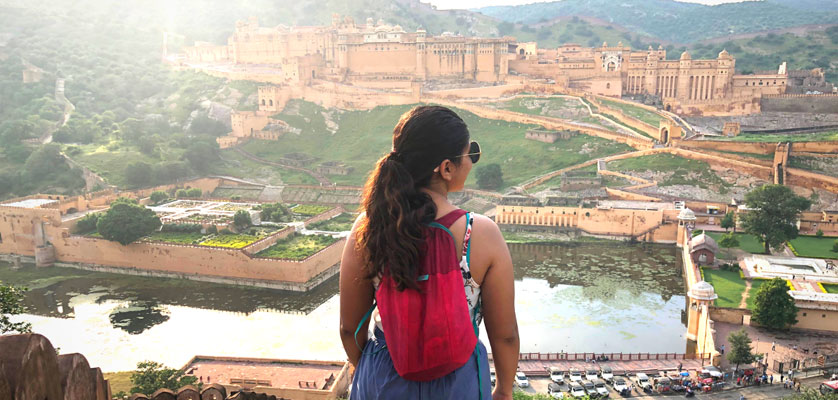
Jaipur deserves more than a rushed day trip. Start early and head straight to Amber Fort before the main crowds and heat arrive. If you’re up for it, walk up or use the jeep; skipping elephant rides is increasingly encouraged due to welfare concerns.
After Amber, many people continue to Jaigarh Fort for panoramic views and then work their way back into the city. Inside the old city, don’t miss:
- Hawa Mahal from outside (and optionally the small museum inside).
- City Palace, with its courtyards and royal artefacts.
- Jantar Mantar, the astronomical observatory that looks abstract until a guide explains what everything does.
If you still have energy, Nahargarh Fort above the city makes a beautiful sunset spot, with the Pink City spread out below and the sky shifting through orange and pink.
Alternate Stops to Add to Your Golden Triangle Route
If you’ve got more than a week or you’re building a longer trip around the Golden Triangle, there are several easy add-ons that change the flavour of your itinerary completely.
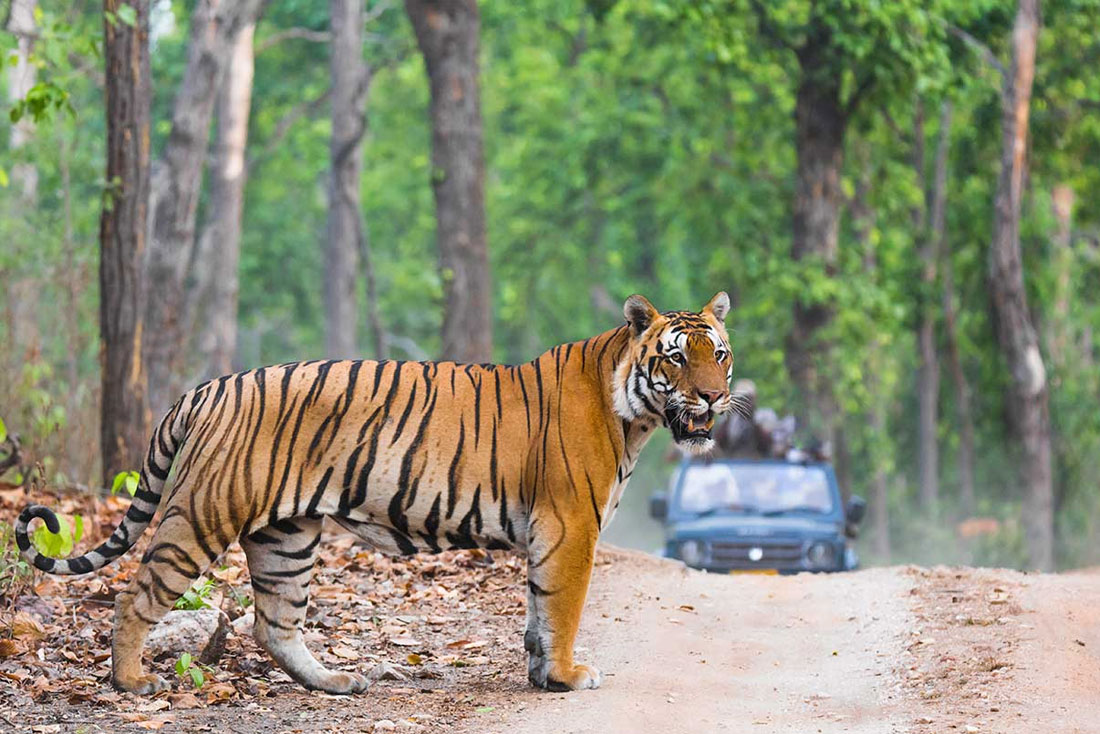
- Ranthambore National Park – Situated between Agra and Jaipur, it’s one of India’s better-known tiger reserves. A couple of days here gives you 3–4 safari drives, which significantly improves your chances of spotting tigers, along with other wildlife and old ruins inside the forest.
- Keoladeo Ghana National Park (Bharatpur) – Near Agra, this UNESCO-listed wetland is a paradise for birdwatchers, especially in winter. You explore mostly by cycle-rickshaw or bicycle, with guides helping you spot and identify species.
- Sariska National Park – Closer to Jaipur, Sariska offers leopard and tiger sightings in a more rugged landscape. It’s a good option if you prefer shorter drives and a less commercial feel than some larger parks.
- Mathura and Vrindavan – If you travel by car between Delhi and Agra, you can stop in these twin towns closely associated with Lord Krishna. Expect temples, ghats, and evening aarti ceremonies on busy festival days.
Best Time to Visit the Golden Triangle in 2026
Picking the right season makes an enormous difference to how enjoyable the Golden Triangle feels, especially now that winter pollution in North India is firmly on travellers’ radar.
Winter (November to February)
For most people, this is still the most comfortable time to travel: warm days, cool nights, and a much lower risk of heat exhaustion. Daytime highs usually fall in the low to mid-20s Celsius, with colder evenings.
The downside? Two things:
- Smog – Delhi and, to a lesser extent, Agra can see high pollution levels in November, December, and early January due to crop burning, traffic, and weather inversions. If you have respiratory issues, consider masks and watch local air quality updates.
- Fog – Early morning fog can affect sunrise views at the Taj Mahal and sometimes disrupt trains.
If you travel in this window, building in flexibility for Taj sunrise versus sunset and not over-scheduling early mornings is wise.
Hot Season (April to June)
From late March onwards, temperatures climb quickly. By May and June, Delhi and Jaipur often push into the low-40s Celsius in the afternoon. Sightseeing is technically still possible, but you’ll need:
- Early starts and long afternoon breaks indoors.
- Plenty of water and electrolytes.
- Comfortable, breathable clothing and sun protection.
The trade-off is fewer crowds and often better prices on accommodation. If you tolerate heat well and are disciplined about timing, this season can work, but it’s not ideal for everyone.
Monsoon (July to September)
Monsoon brings short, often heavy showers that cool things down and wash the dust off buildings and trees. Gardens look greener and the air can feel fresher between rains.
But you also need to factor in:
- High humidity.
- Occasional waterlogging or slower road journeys.
- Lesser appeal of outdoor-heavy days like full fort circuits in driving rain.
For flexible travellers who don’t mind a bit of rain and want to avoid peak crowds, late monsoon can be more appealing than it sounds, especially toward September.
Shoulder Months (October and March)
October and March often hit the sweet spot: warm but not brutal, with lower risk of extreme smog than deep winter and less humidity than mid-monsoon. If your calendar allows, these months are excellent for first-time visits.
How to Get Around the Golden Triangle
Between Cities: Trains, Cars, and Buses
In 2026, most travellers use some mix of express trains, private cars with drivers, and occasional buses to move between Delhi, Agra, and Jaipur.
- Trains – For Delhi–Agra, trains like the Gatimaan Express and other fast services are often the most comfortable choice. Booking through official channels or reliable travel platforms ahead of time is now standard practice for popular dates.
- Private car and driver – Particularly useful for the Agra–Jaipur leg, where there are interesting stops on the way. A full-day hire gives you flexibility to visit Fatehpur Sikri, Abhaneri, or Bharatpur without trying to stitch together local transport.
- Buses – Still a budget-friendly option, especially between Delhi and Jaipur, or Delhi and Agra, with online platforms making it easier to compare timings and operators. For many visitors, buses are a back-up rather than the primary choice on this circuit.
Within Cities: Autos, Ride-Hailing, and Metro
Inside Delhi, the Metro plus ride-hailing apps like Uber and Ola make navigation straightforward. In Jaipur, ride-hailing covers most central areas, with autos filling the gaps. Agra leans more on auto-rickshaws and local cabs, but distances are smaller.
It’s still worth confirming fares for autos in advance when apps aren’t an option, and keeping small notes handy for shorter rides.
Comparison Table: Transport Options on the Golden Triangle
| Route / Mode | Typical Time | Comfort Level | Best For |
|---|---|---|---|
| Delhi → Agra by fast train | About 2–2.5 hours | High – reserved seat, AC, set timing | First-time visitors, short trips, morning departures |
| Delhi → Agra by car | About 3.5–4.5 hours | Medium–High – flexible stops, traffic dependent | Families, small groups, door-to-door convenience |
| Agra → Jaipur by car via sights | About 7–8 hours with stops | High – full control over itinerary | Travellers wanting Fatehpur Sikri, Abhaneri, Bharatpur |
| Delhi → Jaipur by train or bus | About 4–6 hours | Medium – depends on class and operator | Budget-conscious travellers, flexible schedules |
| City travel by ride-hailing apps | Varies by traffic | High – AC, fixed fare upfront | Short hops, night transfers, airport runs |
Practical Tips for the Golden Triangle in 2026
Tickets, Apps, and Local Connectivity
Most repeat visitors now treat their phone as their primary tool for managing logistics in India – and the Golden Triangle is particularly app-friendly.
- Use ride-hailing apps in Delhi and Jaipur whenever possible to avoid constant negotiation over fares.
- Book train tickets in advance through official or well-reviewed platforms, especially for fast morning departures to Agra.
- Consider getting a local SIM at the airport on arrival, which makes navigation, translation, and communication significantly easier.
Money, Payments, and Small Purchases
Digital payments have accelerated across India in the last few years, but in small stalls, autos, and markets cash is still common. The easiest combination is usually:
- One or two international cards for hotels and larger payments.
- Some local cash for small purchases, tips, and places that don’t accept cards.
- A simple local payment app if you’re staying longer and feel comfortable setting it up.
Health, Pollution, and Food
Air quality is the main health concern in northern India’s winter months. If you’re sensitive to pollution, consider:
- Carrying a well-fitting mask for high-smog days.
- Keeping windows closed during heavy traffic when possible.
- Prioritising indoor or garden-based activities on days when visibility and AQI are poor.
On the food front, the usual common sense applies: busy places are safer than empty ones, cooked food is generally safer than raw, and hand hygiene matters just as much as where you eat.
Women’s Safety and Solo Travel
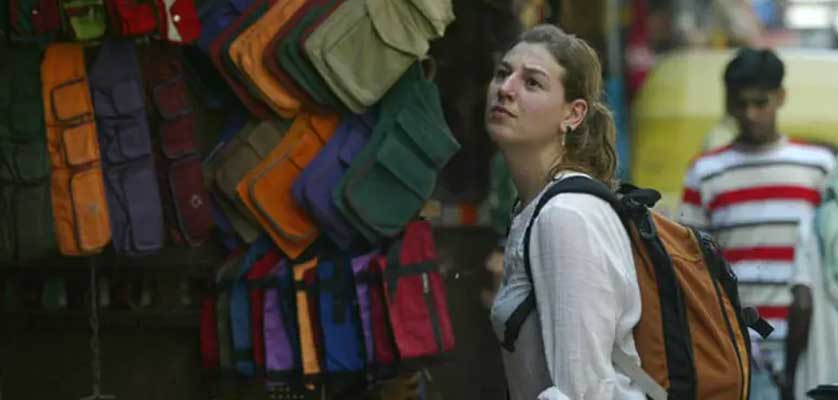
Plenty of women now travel the Golden Triangle solo or with friends. Most describe a mix of warmth, curiosity from locals, and the occasional uncomfortable moment – similar to many big city destinations worldwide.
- Dress in a way that makes you feel both comfortable and culturally respectful – longer hemlines and a light scarf help in many settings.
- Make use of women-only metro coaches in Delhi and separate queues when available.
- Set your own boundaries for photos; saying no to random selfie requests is completely fine.
- Choose accommodations with strong recent reviews from other solo women travellers and arrange pickups for late-night arrivals.
The most important tool is listening to your instincts. If a situation feels off, step away, raise your voice if needed, and look for families, women, or staff nearby for support.
Minimising Digestive Issues

No guide to India is complete without mentioning stomach upsets. You can’t control everything, but you can tilt the odds in your favour.
- Leaning more vegetarian, at least for street food, cuts out many potential problems with meat handling.
- Watch where you eat: busy places with high turnover are usually safer than quiet spots with food sitting out.
- Use handwashing and sanitiser before meals, especially if you’ve been handling cash or touching railings.
- Stick to bottled or filtered water and use it for brushing your teeth as well.
- Carry a small basic kit for minor stomach issues, and don’t hesitate to see a doctor if symptoms are severe or prolonged.
Beyond the Golden Triangle: Where to Go Next
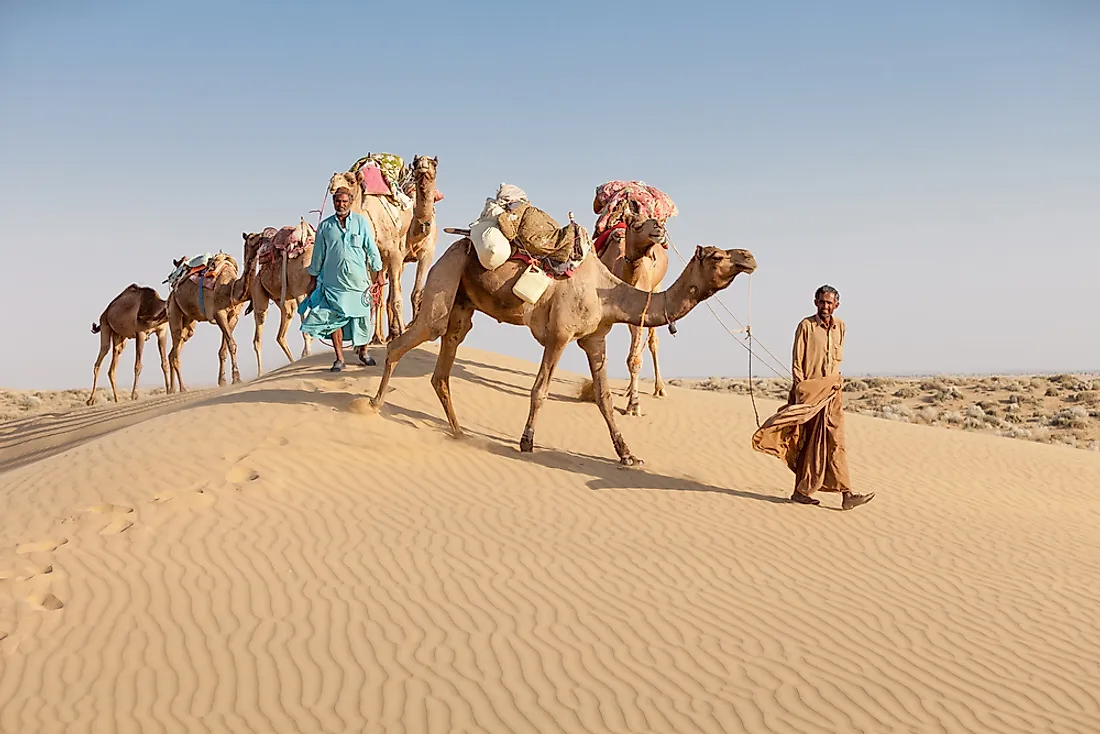
The Golden Triangle is a strong introduction, but it’s not the whole story. Once you’ve done this loop and feel more at home in India, you can start thinking about where your interests pull you next.
- Rajasthan cities – After Jaipur, the obvious step is deeper into Rajasthan: Udaipur’s lakes, Jodhpur’s blue lanes under Mehrangarh Fort, Jaisalmer’s desert fort and dunes, or quieter towns like Bundi and Pushkar.
- Mumbai – A coastal metropolis with its own pace and personality: colonial architecture, sea views, film studios, and an entirely different food scene.
- Varanasi – For spiritual intensity, sunrise boat rides on the Ganges, and rituals that stretch back centuries, Varanasi is hard to match.
- Goa – If you want to decompress after the sensory full-on of the north, Goa’s beaches, villages, and Indo-Portuguese architecture offer a different kind of rhythm.
- Kerala – Backwaters, hills, tea plantations, and coastal towns give you a lush, slow-paced contrast to the plains.
- Northern mountains – Hill stations, Himalayan towns, and trekking routes offer cooler air, big views, and more time in nature.
FAQ: Golden Triangle India 2026
Is the Golden Triangle too touristy now?
It is busy and well-known, yes – especially at the Taj Mahal and key Jaipur forts. But stepping one or two streets away from the main drag almost always brings you back to everyday India. Using early mornings, weekdays, and less obvious sights helps balance the crowds.
Can I do the Golden Triangle in 3–4 days?
You can, but it will be rushed. Think one night per city, long transfers, and minimal downtime. For most travellers, 5–7 days offers a much better balance between seeing the major sights and actually feeling the cities.
Is it safe to travel the Golden Triangle in 2026?
For the average visitor who uses common sense, the Golden Triangle remains a relatively safe part of India to travel. Petty theft can happen in crowded areas, so it’s smart to keep valuables secure, but violent crime against tourists is rare. Women travellers should follow the same precautions they would in other large cities.
Should I book a full package tour or travel independently?
Both options work. If you enjoy planning and want flexibility, it’s completely feasible to book your own hotels, trains, and transfers in 2026. If you prefer not to deal with logistics, a well-reviewed tour can simplify things. A middle route many people now choose is to travel independently but add focused day tours for specific interests like food walks or Old Delhi explorations.
What budget should I plan for?
That depends heavily on your style. You can do the Golden Triangle on a tight budget using guesthouses, trains, and local eateries, or you can stay in heritage hotels and use private drivers throughout. The good news is that the region supports a wide range of budgets without forcing you into one pattern.
Is it suitable for children and older parents?
Yes, as long as you factor in rest and mobility. Choose hotels with lifts where possible, limit the number of big monuments per day, and be realistic about heat if you’re travelling outside winter. Private cars between cities and within Jaipur and Agra can make a big difference to comfort.
Do I need to worry about dress codes?
There is no strict dress code in most places, but dressing modestly – covering shoulders and knees – is generally appreciated, especially at religious sites and in smaller neighbourhoods. Lightweight long trousers and breathable tops work well in all seasons.
Conclusion: Why the Golden Triangle Changed My Mind
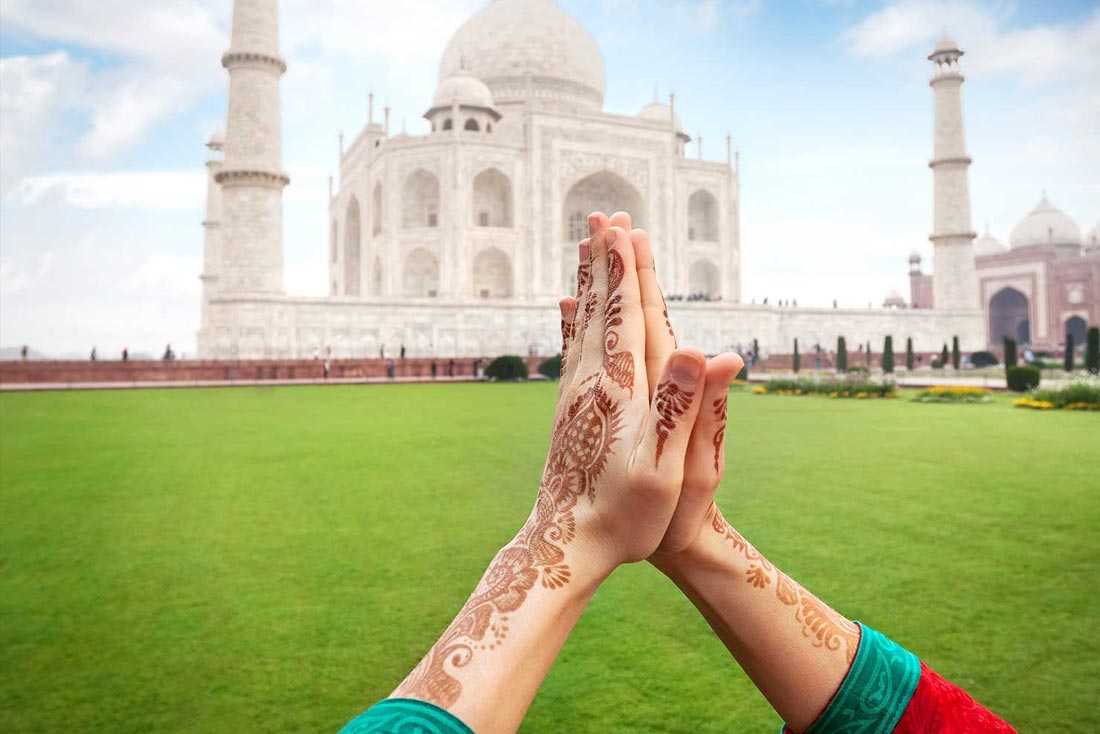
I went into the Golden Triangle expecting it to feel like a tourist conveyor belt – a sequence of famous places I’d seen a hundred times in photos. What I found instead was a route that, despite the crowds and clichés, still has plenty of room for personal moments.
If you slow down, choose your season wisely, and give yourself permission to wander beyond the main sights, Delhi, Agra, and Jaipur give you a surprisingly deep first look at India’s history, contradictions, and daily life. The Golden Triangle may be a well-trodden path, but it is still an honest one – and, for many travellers, the start of a much longer relationship with the country.
Use it as your gateway, not your entire story. Let it ground you, surprise you, and give you the confidence to explore further – because once India gets under your skin, it has a way of calling you back.
Recent Posts
 Amer Fort Boating 2026 Guide: Maota Lake Tickets & Timings
Discover Amer Fort’s new Maota Lake boating, updated 2026 ticket rates, timings, safety rules and best visiting months.
 Luxury Rajasthan Tour with Oberoi, Taj & Leela Hotels
Experience royal Rajasthan in comfort with Oberoi, Taj and Leela luxury palace stays.
 Luxury Tempo Traveller & Van Hire in India 2026 – Rates, Features & Booking
Enjoy luxury van hire in India for safe, comfortable family and group travel.
 Top 10 Vehicle Hire Companies in India for Tourists
Discover the top 10 vehicle hire companies in India offering safe, comfortable tourist travel.
 Delhi Agra Jaipur Tour by Luxury Car and Private Driver
Enjoy a Delhi Agra Jaipur tour with a luxury car, private driver and flexibility.
 Luxury Car and Driver for Comfortable Rajasthan Tour
Explore Rajasthan in comfort with a luxury car, private driver and flexible custom tour.
 Jaisalmer Travel Guide for Foreign Tourists: Best Time, Desert Tours & Tips
Plan your Jaisalmer trip with ideal seasons, desert tour packages and essential foreigner tips.
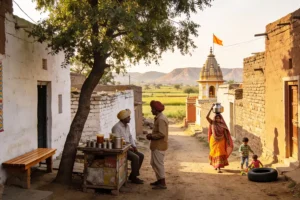 Hidden Villages of Rajasthan: Offbeat Rural Experiences & Village Travel Guide
Hidden Villages of Rajasthan: Offbeat Rural Stays, Homestays & Authentic Village Life.
-
Amer Fort Boating 2026 Guide: Maota Lake Tickets & Timings
Discover Amer Fort’s new Maota Lake boating, updated 2026 ticket rates, timings, safety rules and best visiting months.
-
Luxury Rajasthan Tour with Oberoi, Taj & Leela Hotels
Experience royal Rajasthan in comfort with Oberoi, Taj and Leela luxury palace stays.
-
Luxury Tempo Traveller & Van Hire in India 2026 – Rates, Features & Booking
Enjoy luxury van hire in India for safe, comfortable family and group travel.
-
Top 10 Vehicle Hire Companies in India for Tourists
Discover the top 10 vehicle hire companies in India offering safe, comfortable tourist travel.
-
Delhi Agra Jaipur Tour by Luxury Car and Private Driver
Enjoy a Delhi Agra Jaipur tour with a luxury car, private driver and flexibility.
-
Luxury Car and Driver for Comfortable Rajasthan Tour
Explore Rajasthan in comfort with a luxury car, private driver and flexible custom tour.
-
Jaisalmer Travel Guide for Foreign Tourists: Best Time, Desert Tours & Tips
Plan your Jaisalmer trip with ideal seasons, desert tour packages and essential foreigner tips.
-
Hidden Villages of Rajasthan: Offbeat Rural Experiences & Village Travel Guide
Hidden Villages of Rajasthan: Offbeat Rural Stays, Homestays & Authentic Village Life.