Heritage Hotels in the Golden Triangle: Palace Stays in Delhi, Agra & Jaipur
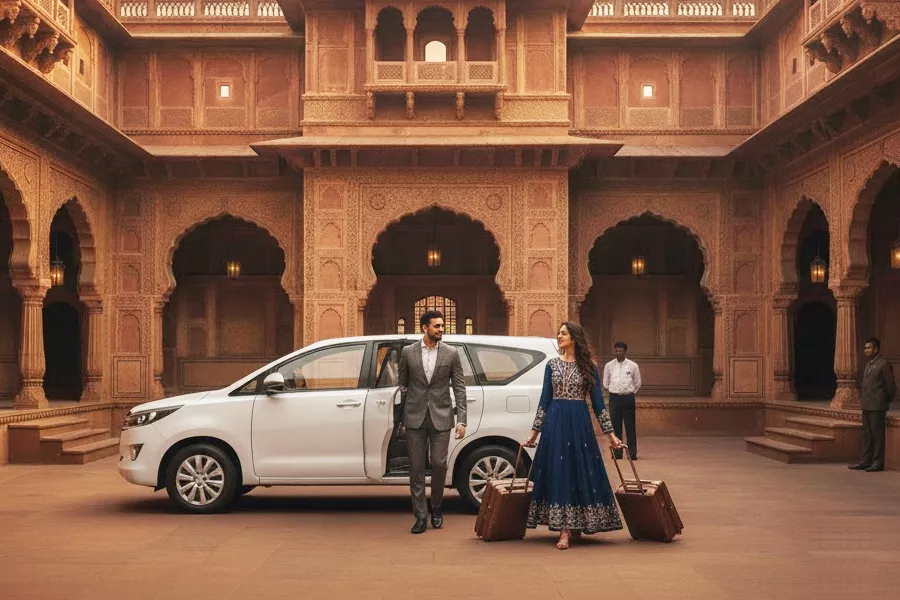
Most people do the Golden Triangle in the usual way: normal hotels, sightseeing, then on to the next city. The trip feels completely different when your hotel is a real heritage palace. You’re not just sleeping in a room, you’re waking up under old chandeliers and walking through courtyards that have seen real royal life.
A good heritage hotel doesn’t feel like “just accommodation”. It becomes part of the story of your trip. In Jaipur, for example, a palace stay quietly explains Rajput style and hospitality better than a quick museum stop. Staff share small local tips, the building itself matches the forts you see outside, and sometimes the view from your balcony is as strong a memory as the Taj or Amer Fort.
In this guide I’m focusing on heritage properties that actually feel worth the price. I’ll talk about where they shine in Delhi, Agra and Jaipur, what kind of budgets you should expect, and how to plan an itinerary that really uses their locations. There are also some booking tips and a few honest notes on places that look royal in photos but feel a bit flat in real life.
Understanding Heritage Hotels: What You're Actually Booking
Heritage hotels represent a specific category of luxury accommodation. They're former royal palaces, forts, havelis (traditional mansions), or estates that have been meticulously converted into hospitality properties while preserving their historical character. Unlike standard luxury hotels built to look historic, genuine heritage properties ARE historic—the walls have actual centuries behind them.
What distinguishes real heritage from imitation
Authentic heritage properties maintain original architectural features: hand-carved wooden elements, original courtyards, period-appropriate furnishings, and spaces that served specific functions (maharaja's bedroom, durbar hall, zenana quarters). They employ local staff trained in hospitality. They share stories grounded in verified history. Imitations replicate historic aesthetics with modern construction, creating historic-looking spaces built yesterday.
This matters because genuine heritage hotels offer experiences that modern construction cannot. The thick stone walls maintain cool temperatures without excessive air conditioning. The original layouts force you to navigate spaces as residents did centuries ago. The authentic period furniture and artifacts create atmosphere that decoration cannot replicate. Your room might have housed a maharaja; that knowledge transforms even basic comfort into something profound.
Premier Heritage Hotels: The Golden Triangle's Best Properties
Delhi: The Imperial and The Leela Palace
The Imperial Delhi (per night: ₹40,000–₹80,000) stands as Delhi's most iconic heritage property. Built in 1931 during the British Raj, it has hosted presidents, prime ministers, and celebrities. The hotel occupies multiple colonial-era buildings arranged around a central courtyard. Original features include hand-painted ceilings, period furnishings, and architectural details that transport you immediately to 1930s India. Guest rooms vary significantly—some maintain historic character with period furniture; others balance heritage with modern comfort. The Imperial's service is legendary (staff remember guest preferences across return visits), and the location on Janpath places you within walking distance of Connaught Place and Rajpath.
The Leela Palace Delhi (per night: ₹35,000–₹75,000) is newer (opened 2001) but designed as a contemporary palace rather than preserved historic property. It's not technically a "heritage" hotel—it's a modern luxury property inspired by palace aesthetics. However, it serves a similar function: the experience feels royal, the architecture evokes Mughal grandeur, and the service matches heritage hotel standards. Choose The Leela if you want palace aesthetics with modern reliability; choose The Imperial if you prioritize authentic historic preservation.
Agra: Oberoi Amarvilas
Oberoi Amarvilas (per night: ₹45,000–₹90,000) is technically not a heritage hotel—it's a luxury modern property—but it functions as the definitive heritage hotel experience in Agra because of its location and design philosophy. Built to evoke Mughal palace aesthetics, every room offers direct Taj Mahal views across the hotel's gardens. The experience of waking to see the Taj Mahal through your window, having morning tea while watching light change on the marble, creates profound moments that standard hotels cannot replicate.
If you want actual heritage preservation, Taj Villa Agra (per night: ₹25,000–₹40,000) maintains a historic haveli with period architecture and authentic layouts. It's smaller, more intimate, less luxurious than Oberoi Amarvilas, but genuinely heritage in construction. The choice depends on whether you prioritize luxury amenities (Oberoi) or authentic preservation (Taj Villa).
Jaipur: Rambagh Palace
Rambagh Palace (per night: ₹50,000–₹1,00,000) stands as the pinnacle of heritage hotel experiences across the Golden Triangle. Built in 1835 as the maharaja's private residence, it remains the most impressive converted palace in India. Every room maintains royal character—high ceilings, period furnishings, hand-painted details. Common areas include the actual durbar hall, original courtyards, and gardens that maharajas walked. Staff members are trained in royal service protocols; your experience approximates what visiting a maharaja's palace would have felt like historically.
Alternative heritage properties in Jaipur: Harnawa Haveli (₹8,000–₹15,000) offers authentic preservation of a traditional mansion at a fraction of Rambagh's cost. The experience is genuinely heritage but minimal luxury. Samode Palace (₹35,000–₹60,000), located 45 km outside Jaipur, offers palace grandeur with more preserved authenticity than central Jaipur properties.
Heritage Hotel Categories and Pricing Tiers
| Hotel Tier | Price Per Night | Heritage Authenticity | Luxury Amenities |
|---|---|---|---|
| Ultra-Luxury Palace Hotels | ₹50,000–₹1,50,000 | High (genuine palaces) | Complete (spa, fine dining, etc.) |
| Premium Heritage | ₹25,000–₹50,000 | High (historic havelis, palaces) | Good (restaurant, room service) |
| Mid-Range Heritage | ₹10,000–₹25,000 | High (authentic preservation) | Basic (clean rooms, minimal extras) |
| Budget Heritage | ₹5,000–₹10,000 | Medium (guest houses in old mansions) | Minimal (essential facilities) |
Perfect 7-Day Heritage Hotel Golden Triangle Itinerary
Day 1-2: Delhi – The Imperial or The Leela Palace
Arrive Delhi, transfer to your heritage hotel, settle and rest. Afternoon: guided city tour exploring Red Fort, Jama Masjid (if interested in religious sites), and Chandni Chowk bazaar chaos. Evening: dinner at your hotel's heritage restaurant, experiencing the property's historic dining spaces.
Day 2: Full Delhi exploration—Qutub Minar, Humayun's Tomb, India Gate. Your hotel's concierge arranges transportation and recommendations. Evening: evening walk through your hotel's gardens, intimate exploration of historic courtyards and architecture.
Day 3-4: Agra – Oberoi Amarvilas or Taj Villa
Early morning departure from Delhi (5:30 AM for sunrise Taj Mahal viewing). 5-hour private car journey. Arrive Agra mid-morning, check into hotel. Rest 2 hours. Afternoon: Agra Fort exploration. Sunset: Mehtab Bagh (garden opposite Taj for reflection photography). Evening: dinner at hotel, watching sunset light on the Taj from your room.
Day 4: Leisurely morning at hotel—tea in gardens viewing Taj. Mid-morning: Itmad-ud-Daulah (Baby Taj) visit. Afternoon: shopping in Agra bazaars or rest at hotel spa. Evening: optional night Taj viewing (if available during full moon period, 5 nights monthly). Dinner celebrating your Taj Mahal experience.
Day 5-7: Jaipur – Rambagh Palace
Morning departure to Jaipur (4-hour drive, 240 km via Yamuna Expressway). Arrive Jaipur early afternoon, check into Rambagh Palace. The hotel's grandeur hits immediately—its courtyard and architecture are your introduction to royal Rajasthan. Rest and explore the palace grounds.
Day 6: Full-day Jaipur city tour—Amber Fort (jeep or elephant ride up), City Palace, Jantar Mantar, Hawa Mahal. Evening: return to Rambagh for sunset in the palace gardens. Dinner in the durbar hall (available at select times for special events). Evening walk through illuminated palace courtyards.
Day 7: Leisurely final morning—breakfast overlooking palace gardens, explore any remaining Jaipur bazaars (Johari, Bapu). Afternoon: departure for airport or onward journey. Depart with profound understanding of how Rajasthan's royalty actually lived.
Booking Heritage Hotels: Strategy and Timing
Direct booking vs. package deals
Direct booking through hotel websites or calling the hotel directly yields the most control and sometimes better rates than package operators. You specify exact dates, room preferences (palace view, garden view, etc.), and can negotiate directly. For Rambagh Palace or The Imperial, direct booking often results in complimentary room upgrades based on availability.
Package deals through tour operators (₹80,000–₹2,00,000 per person for 7 days including transport, hotels, guides, meals) simplify coordination but sacrifice flexibility. Tour operators also sometimes bundle unnecessary services, inflating costs. Evaluate whether convenience justifies cost.
Seasonal pricing and booking windows
Peak season (October–March): Book 8–12 weeks in advance. Prices peak December–January. Ultra-luxury properties often fully booked. Shoulder season (April–May, September): Book 4–8 weeks in advance. 10–20% discounts available. Off-season (June–August): Book 2–4 weeks in advance. 30–50% discounts common. Heat is oppressive; few international tourists; the experience is primarily Indian travelers.
What's included vs. what costs extra
Confirm before booking: (1) Is breakfast included? (2) Are afternoon tea/refreshments complimentary? (3) What's the WiFi situation? (4) Are parking and transportation to monuments included or separate? (5) Does the heritage hotel offer spa services and at what cost? (6) Are heritage tours of the hotel itself included? Luxury properties include most amenities; budget heritage properties charge for everything beyond the room.
The Heritage Hotel Experience: What Actually Happens
Service protocols and royal treatment
Heritage hotels operate with traditions grounded in royal service. Staff anticipate needs without being asked. Your preferences are recorded and remembered across your stay. The phrase "My Lord" or formal address might be used, reflecting historical service protocols. This isn't stuffy—it's professional hospitality designed to make you feel valued. Some travelers find this charming; others find it odd. Understand this dynamic before booking.
Dining in heritage spaces
Meals in heritage hotels are experiences themselves. The durbar hall at Rambagh Palace, where maharajas once held court, becomes your dinner venue for special evenings. Cuisine blends traditional Rajasthani recipes with contemporary presentation. Multi-course meals, often with wine pairings, transform eating into ritual. Breakfast buffets in historic dining rooms showcase local specialties alongside international options.
Common misconceptions about heritage hotels
They're not uncomfortable despite age. Modern plumbing, air conditioning, WiFi, and contemporary comforts exist alongside historic architecture. Rooms are clean and well-maintained. However, they're not as modern as new luxury hotels. Walls are thick stone (good for insulation, occasionally affects WiFi signal). Stairs sometimes have original slopes (not always level). Decor prioritizes authenticity over contemporary aesthetics. If you require modern minimalism, these properties won't satisfy. If you value character, they're transformative.
Cost Breakdown: What You'll Actually Spend
7-day heritage hotel Golden Triangle per person (couple traveling)
Ultra-luxury tier (Rambagh Palace, Oberoi Amarvilas, The Imperial): Hotels ₹70,000 × 7 nights = ₹4,90,000 ÷ 2 people = ₹2,45,000 per person. Add private car and driver (₹32,000 total for 7 days ÷ 2 = ₹16,000 per person). Add meals outside hotel (₹2,000–₹3,000 daily = ₹14,000–₹21,000 per person). Add monument entries (₹2,000 per person). Total: approximately ₹2,77,000–₹2,84,000 per person ($3,350–$3,430 USD).
Premium heritage tier (Taj Villa, premium havelis): Hotels ₹35,000 × 7 nights = ₹2,45,000 ÷ 2 = ₹1,22,500 per person. Add transport, meals, entries as above. Total: approximately ₹1,54,500–₹1,61,500 per person ($1,860–$1,945 USD).
Mid-range heritage tier: Hotels ₹15,000 × 7 nights = ₹1,05,000 ÷ 2 = ₹52,500 per person. Plus transport, meals, entries. Total: approximately ₹84,500–₹91,500 per person ($1,020–$1,100 USD).
Cost vs. value analysis
Compared to standard luxury hotels (Taj Hotels, standard 4-star chains) at similar nightly rates, heritage hotels offer superior experience and memory value. The Taj Hotel Agra costs ₹25,000 nightly but lacks Oberoi Amarvilas's Taj Mahal views and palace aesthetics. Rambagh Palace at ₹60,000 nightly costs more than standard luxury but offers an experience no standard hotel can replicate. The premium is justified by uniqueness and historical authenticity.
Frequently Asked Questions About Heritage Hotels in Golden Triangle
Q: Are heritage hotels actually safe for international travelers?
A: Yes, ultra-luxury and premium heritage properties maintain professional security standards equivalent to international hotels. Mid-range heritage properties vary—read recent reviews carefully. All properties on this list have proven track records with international guests.
Q: What's the difference between heritage hotels and luxury modern hotels?
A: Heritage hotels are former palaces/historic properties maintaining original architecture and character. Modern luxury hotels are newly built to luxury standards. Heritage offers history and uniqueness; modern offers reliability and contemporary comfort. Some travelers prefer one; others prefer the other.
Q: Can I book individual nights at heritage hotels or do I need multi-night packages?
A: Individual nights are possible at most heritage properties. However, minimum stay requirements (2–3 nights) exist during peak season. Off-season permits single-night bookings more easily.
Q: Are heritage hotel meals included or extra?
A: Breakfast is typically included with room bookings. Lunch and dinner are extra unless you book all-inclusive packages. However, heritage hotels often offer meal packages (breakfast+lunch or breakfast+dinner) at attractive rates—inquire when booking.
Q: Is the service at heritage hotels genuinely better than other luxury hotels?
A: Heritage hotel staff are often trained in royal service protocols, which translates to exceptional attention to detail. However, individual staff quality varies. Reviews mentioning specific staff names and their service quality are most reliable.
Conclusion: The Golden Triangle Through a Heritage Lens
Experiencing the Golden Triangle through heritage hotels transforms it from a typical tourist circuit into an encounter with living history. You're not just visiting palaces—you're sleeping in them. You're not just reading about Mughal emperors—you're dining in spaces where they actually sat. You're not just seeing traditional architecture—you're experiencing how it actually functions as daily life.
The cost premium is substantial. You'll spend more than standard hotels. However, the experience premium is equally substantial. Memories of waking in a maharaja's palace, having morning tea in courtyards that have stood for centuries, and being served by staff trained in royal hospitality create narratives that sustain travelers for years.
Choose heritage hotels if you prioritize experience and memory over budget optimization. Choose standard hotels if budget is your primary constraint. Both are legitimate choices. But if you're capable of the investment and drawn to history and royal aesthetics, heritage hotels in the Golden Triangle represent the definitive way to experience this region.
Recent Posts
 Amer Fort Boating 2026 Guide: Maota Lake Tickets & Timings
Discover Amer Fort’s new Maota Lake boating, updated 2026 ticket rates, timings, safety rules and best visiting months.
 Luxury Rajasthan Tour with Oberoi, Taj & Leela Hotels
Experience royal Rajasthan in comfort with Oberoi, Taj and Leela luxury palace stays.
 Luxury Tempo Traveller & Van Hire in India 2026 – Rates, Features & Booking
Enjoy luxury van hire in India for safe, comfortable family and group travel.
 Top 10 Vehicle Hire Companies in India for Tourists
Discover the top 10 vehicle hire companies in India offering safe, comfortable tourist travel.
 Delhi Agra Jaipur Tour by Luxury Car and Private Driver
Enjoy a Delhi Agra Jaipur tour with a luxury car, private driver and flexibility.
 Luxury Car and Driver for Comfortable Rajasthan Tour
Explore Rajasthan in comfort with a luxury car, private driver and flexible custom tour.
 Jaisalmer Travel Guide for Foreign Tourists: Best Time, Desert Tours & Tips
Plan your Jaisalmer trip with ideal seasons, desert tour packages and essential foreigner tips.
 Hidden Villages of Rajasthan: Offbeat Rural Experiences & Village Travel Guide
Hidden Villages of Rajasthan: Offbeat Rural Stays, Homestays & Authentic Village Life.
-
Amer Fort Boating 2026 Guide: Maota Lake Tickets & Timings
Discover Amer Fort’s new Maota Lake boating, updated 2026 ticket rates, timings, safety rules and best visiting months.
-
Luxury Rajasthan Tour with Oberoi, Taj & Leela Hotels
Experience royal Rajasthan in comfort with Oberoi, Taj and Leela luxury palace stays.
-
Luxury Tempo Traveller & Van Hire in India 2026 – Rates, Features & Booking
Enjoy luxury van hire in India for safe, comfortable family and group travel.
-
Top 10 Vehicle Hire Companies in India for Tourists
Discover the top 10 vehicle hire companies in India offering safe, comfortable tourist travel.
-
Delhi Agra Jaipur Tour by Luxury Car and Private Driver
Enjoy a Delhi Agra Jaipur tour with a luxury car, private driver and flexibility.
-
Luxury Car and Driver for Comfortable Rajasthan Tour
Explore Rajasthan in comfort with a luxury car, private driver and flexible custom tour.
-
Jaisalmer Travel Guide for Foreign Tourists: Best Time, Desert Tours & Tips
Plan your Jaisalmer trip with ideal seasons, desert tour packages and essential foreigner tips.
-
Hidden Villages of Rajasthan: Offbeat Rural Experiences & Village Travel Guide
Hidden Villages of Rajasthan: Offbeat Rural Stays, Homestays & Authentic Village Life.