Hidden Villages of Rajasthan: Offbeat Rural Experiences
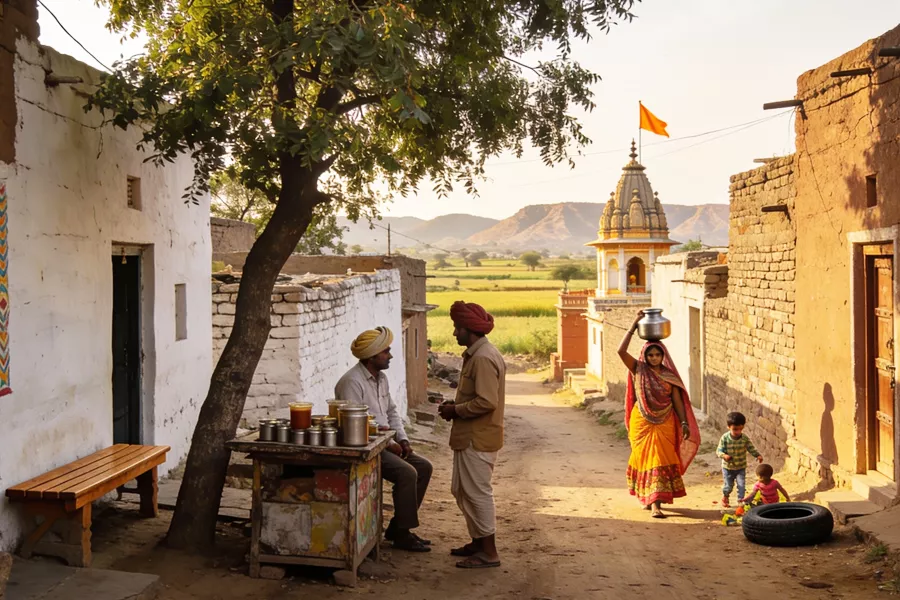
When travellers think of Rajasthan, they often imagine grand forts, palace hotels, and desert camps near busy tourist dunes. Yet the real soul of this state lives in its villages – in mud houses with painted walls, in courtyard kitchens, in fields of mustard and wheat, in small temples under old trees, and in the quiet rhythm of rural life. Hidden villages of Rajasthan offer offbeat rural experiences that feel far away from crowded cities and fixed tourist shows. Here, travel slows down, conversations matter, and small details become big memories.
This long guide is written in simple, human English to help you explore those lesser-known rural corners in a comfortable and respectful way. You will find ideas for which types of villages to visit, what kind of experiences to expect, how to combine them in an itinerary, and how to travel responsibly so that your visit supports local communities. Whether you are a photographer, a family, a couple or a slow traveller, the hidden villages of Rajasthan can turn an ordinary trip into something truly special.
Why Visit Hidden Villages in Rajasthan?
Villages in Rajasthan are not museum pieces; they are living, changing communities. In these places, traditional clothing, crafts and rituals still form part of daily life. Women draw rangoli outside their homes at sunrise, men discuss harvests under trees, children chase goats and play cricket in dusty lanes. Visitors who take the time to sit, walk and listen here often feel more connected to Rajasthan than after a fast circuit of famous forts.
Hidden villages also show a softer side of the state. Instead of traffic noise, you hear birds, cattle bells and temple bells. Nights are dark enough for stars, and mornings are cool enough for quiet walks. If you stay in a homestay or small village lodge, you may eat food cooked on a chulha, learn about farming seasons, and hear stories about local gods, rains and festivals. It is an offbeat experience not because it is extreme, but because it is real and unpolished.
- Escape from city crowds, noise and constant schedules.
- Experience real rural culture rather than staged performances.
- Support local families directly through homestays and village services.
- Enjoy slower, more mindful travel with time to observe and reflect.
Types of Offbeat Rural Experiences in Rajasthan
Not all villages offer the same kind of experience. Some are desert hamlets near dunes, others are farming settlements in green belts, and some are artisan clusters where nearly every house is involved in weaving, pottery or block printing. Understanding these broad types helps you choose the right rural mix for your own trip.
You can also decide how immersive you want the experience to be. For some travellers, a half-day village walk from a nearby town is enough. Others prefer one or two nights in a homestay with shared meals and daily routines. A private car and local driver make it easier to adjust the level of comfort and remoteness according to your needs.
| Rural Experience Type | What It Feels Like | Best For |
|---|---|---|
| Desert hamlets | Sand dunes, mud huts, camels, folk music by bonfire | Romantic getaways, desert photographers, culture lovers |
| Farming villages | Fields, wells, tractors, seasonal crops and village ponds | Families, nature lovers, slow travellers |
| Artisan clusters | Block printing, weaving, pottery, carved wood or metal work | Shoppers, designers, craft enthusiasts |
| Leopard & wildlife belts | Rocky hills, Rabari shepherds, leopards and birds near villages | Wildlife photographers, adventure couples, small groups |
Once you know which style excites you most, you can start adding specific village names and stays to your route, and ask your driver or tour planner to connect them smoothly.
Hidden Desert Villages: Khuri and Pabu Ki Dhani
For many travellers, Rajasthan means desert. Yet not all dunes are the same. Big tourist spots can feel like fairgrounds, with loud music, bright lights and long lines of jeeps. Hidden desert villages like Khuri and tiny hamlets like Pabu Ki Dhani offer a quieter, more authentic feel. Here, sand dunes meet mud huts, and nights are dominated more by stars and firelight than speakers and generators.
Khuri village, near Jaisalmer, is a classic example of an offbeat desert escape. Instead of huge camps, you find smaller homestays, mud-and-thatch huts, and intimate camel safaris that wander over less crowded dunes. Evenings often involve folk songs, Kalbeliya dance, and simple dinners cooked on traditional stoves. Pabu Ki Dhani takes the idea further – it is a tiny hamlet where a handful of families live in decorated mud homes, with mirror work and painted motifs on walls, and camels resting under sparse desert trees.
- Stay in mud huts or small desert camps instead of giant commercial set-ups.
- Watch sunset from quiet dunes with only a few other visitors.
- Learn how people store water, cook, and live with extreme seasons in the Thar desert.
- Enjoy clear night skies that are perfect for stargazing and long conversations.
Reaching these villages is easiest with a private car and driver, as buses rarely stop directly at them, and you may need flexible timing for sunset and sunrise outings.
Leopard Country and Rocky Villages: Jawai and Bera
In the rocky heart of Rajasthan lies a landscape where leopards and humans share the same hills. The Jawai region and nearby Bera village are famous for this unique coexistence. Here, granite boulders rise above fields and small homes, and the Jawai dam and reservoir reflect pink skies and silhouettes of hills. Rabari shepherds lead flocks across dust tracks while leopards watch silently from caves and rocks.
Staying in rural lodges or homestays around Jawai and Bera gives you a rare combination of wildlife and village life. Morning and evening jeep safaris search for leopards on ridges, while daytimes can be spent visiting small temples, drinking tea with shepherds, or watching women carry water on their heads against dramatic backdrops. It is not a zoo; it is a living landscape where respect and balance keep both animals and humans safe.
- Join guided leopard safaris that follow strict rules and prioritise animal welfare.
- Walk through villages to see Rabari homes, dress and daily routines.
- Photograph rock formations, herds, and temples silhouetted against the sky.
- Sleep in small camps or village stays that keep light and noise levels low at night.
These experiences work best with a respectful attitude and a trusted local driver or host who understands both wildlife and community dynamics.
Royal and Rural Blend: Samode and Narlai
Not all rural Rajasthan is raw and simple. Some villages blend royal history with present-day rural life. Samode and Narlai are good examples where you can stay in restored heritage properties while still being close to village lanes, fields and temples. The mix of old-world elegance and everyday village sounds makes these places ideal for travellers who want comfort without losing touch with real life.
Samode, within easy reach of Jaipur, is known for its palace and painted interiors. But beyond the palace gates lie small hamlets where block printing, handloom work and farming continue. Morning walks through fields may show you farmers, women drawing water from wells, and children walking to school. Narlai, nestled in the Aravalli hills, offers ancient temples, stepwells and cobbled lanes. Many stays here organise village walks, bullock-cart rides and sunset teas on nearby rocks.
- Stay in heritage hotels or havelis that employ local staff and use local materials.
- Explore village lanes on foot with a guide who can translate and explain.
- Join simple activities like chai with a family, or watching a local ceremony at a small temple.
- Use the comfort of your base as a starting point for deeper rural exploration.
These kinds of villages suit travellers who want a balance: good beds, good bathrooms and good food, plus the authenticity of rural surroundings just beyond the gate.
Artisan and Painted Villages: Shekhawati Region
Some of Rajasthan's most visually rich rural areas lie in Shekhawati, a region often described as an open-air art gallery. Towns and villages here, such as Mandawa and other small settlements, are known for their havelis with fresco-covered walls. Every surface seems to tell a story – of gods and goddesses, traders, trains, cars and scenes from everyday life painted in vibrant colours.
Walking through these lanes feels different from walking through a big city. Many havelis are quiet, some partly lived in, others being restored as heritage stays. Crafts like block printing, tie-dye and traditional furniture making also survive in nearby villages. Staying in a Shekhawati haveli or rural guesthouse gives you time to absorb these details slowly, without the pressure of ticking off a long list of must-see sights.
- Take guided heritage walks to learn the stories behind frescoes and architectural elements.
- Visit small workshops where crafts are still made by hand.
- Photograph colourful doors, windows, courtyards and street shrines.
- Spend evenings on rooftop terraces watching village life below as lights come on.
Shekhawati works especially well as a first introduction to rural Rajasthan, as roads are decent and the mix of art and village life gives many travellers a strong emotional connection to the region.
Warm Hospitality in Village Stays: Rohet, Bishnoi and Beyond
Some villages in Rajasthan are known less for single monuments and more for a general feeling of welcome. Places around Rohet and Bishnoi communities near Jodhpur are famous for this. Here, families open their homes or heritage havelis to guests, offering traditional meals, folk music evenings and a chance to see village life at close range. Safari-style jeep rides in Bishnoi areas introduce visitors to a community that has long practised a form of eco-conscious living.
Staying in such villages often feels like visiting distant relatives rather than checking into a hotel. Meals are shared in courtyards, elders sit and chat with guests, and children appear and disappear with shy curiosity. You may ride a camel cart, watch a potter at work, or sit quietly while someone explains why certain trees or animals are considered sacred and protected.
- Opt for homestays or heritage houses managed by local families.
- Participate in simple activities like milking cows, making rotis or feeding animals if offered.
- Show interest in local customs, but never push for staged performances.
- Accept that village time moves slower; programmes may adjust around weather or community events.
These stays are ideal for travellers who care more about human connection than about ticking off famous names.
Planning an Offbeat Village Itinerary in Rajasthan
Hidden villages are best enjoyed as part of a thoughtful route. Instead of trying to visit every name you hear, choose a few that fit your interests and connect them in a realistic loop with manageable distances. A private driver who knows rural Rajasthan helps a lot here, because village roads and conditions change with seasons, and online maps do not always show the full picture.
When planning, think in terms of bases and day trips. You might choose one or two main towns as bases, and then use them to explore nearby villages during the day. In other cases, you may decide to sleep directly in small villages for one or two nights, then move on to a slightly larger town for extra comfort before heading to the next rural cluster.
| Style of Itinerary | Example Pattern | Who It Suits |
|---|---|---|
| Short rural escape (3–4 days) | Base city – nearby village like Samode or Bishnoi area – back to base | Travellers with limited time, first-timers to rural Rajasthan |
| Desert and village mix (5–7 days) | City – Khuri or other desert hamlet – Jawai/Bera leopard belt – city | Couples, photographers, wildlife and desert fans |
| Extended rural Rajasthan (8–12 days) | Shekhawati painted villages – Bundi or similar town – Jawai/Bera – desert hamlet | Slow travellers, culture lovers, repeat visitors to Rajasthan |
The key is to leave space. Do not schedule every hour. Hidden villages reveal themselves best when you have time to sit, watch and wander without a strict checklist.
Practical Tips for Staying in Rajasthan's Hidden Villages
Village stays are not like big hotels. That is part of their charm, but it also means you should be prepared for small differences. Electricity may go off occasionally for short periods. Hot water may come at fixed times or through solar systems. Wi-Fi may be weak or absent. Understanding this in advance helps you appreciate what villages do offer rather than focusing on what they do not.
At the same time, most good rural homestays and camps take guest comfort seriously. Rooms are kept clean, food is prepared with care, and hosts often check that visitors are warm enough at night and well hydrated in the day. Communicating your needs politely makes things easier for everyone. If you have dietary restrictions or mobility issues, share them clearly before booking.
- Carry a small torch or headlamp for walking around the property at night.
- Keep a light jacket or shawl for evenings, even if days are hot.
- Bring basic medicines, as the nearest town pharmacy may be some distance away.
- Wear modest, comfortable clothing that respects local culture and is practical for dust and sun.
These small preparations turn potential inconveniences into simple parts of the rural experience, rather than stress points.
Travelling Responsibly in Rural Rajasthan
Hidden villages are more vulnerable to the impact of tourism than big cities. A few careless visitors can change the atmosphere or create problems that local communities must then live with. Travelling responsibly is therefore essential, especially in places that are still new to tourism.
Responsible travel does not mean complicated rules. It simply means moving through villages with respect and awareness. Ask before taking close photographs of people, especially women and children. Do not hand out money or sweets randomly, as it can create long-term issues. If you want to help, consider buying local crafts, paying fairly for services, or supporting community projects recommended by your hosts.
- Keep noise low, especially at night; remember villagers wake early for work.
- Do not leave plastic bottles or packets behind; take your trash back to town.
- Accept that not everyone speaks your language; be patient with communication.
- Listen more than you speak; let villagers decide how much they want to share.
When visitors behave with humility and kindness, villages are more likely to welcome future travellers warmly and sustain their traditions with pride.
How a Local Driver Enhances Rural Experiences
Reaching and understanding hidden villages becomes far easier when you travel with a local driver who knows rural Rajasthan. Many small hamlets are not well-marked on maps, and road conditions can change with rains and seasons. A driver familiar with the area can choose safer routes, suggest the best time of day to visit, and communicate with villagers and homestay hosts in local language.
On the way, your driver can also point out everyday scenes you might otherwise miss: a weekly market worth stopping at, a roadside shrine where a brief pause feels meaningful, or a view of fields and hills that makes a perfect tea spot. In villages, they can introduce you to families, explain customs, and help you ask questions politely. This bridge role turns simple visits into deeper experiences.
- Use your driver's knowledge to prioritise villages that suit your interests and comfort.
- Ask honest questions about road time and safety for each rural stretch.
- Be open to last-minute suggestions, such as a fair or ceremony happening nearby.
- Treat your driver with the same respect you expect from them; the relationship affects the whole trip.
With such support, hidden villages feel less like distant dots on a map and more like welcoming places along a living, breathing road journey.
Families and Older Travellers: Village Experiences That Suit Everyone
Hidden villages are not only for young adventurers or backpackers. Many rural stays work wonderfully for families with children and older travellers, especially when planned with care. Open courtyards give children space to play safely, and the slower pace of village life suits those who tire easily.
For families, village stays often become highlights because children see animals, meet local kids, and experience daily routines different from their home. Older travellers appreciate the peaceful atmosphere, the opportunity to sit and chat with hosts, and the chance to rest between activities without feeling hurried. The key is booking homestays or camps that understand your group's needs and offer flexibility in daily schedules.
Frequently Asked Questions About Hidden Villages of Rajasthan
Are Rajasthan's hidden villages safe to visit?
Most villages are friendly and safe for respectful visitors, especially when you travel with a trusted local driver or guide and stay in reviewed homestays or camps. Normal common sense about valuables and late-night wandering still applies.
How many village stays should I include in one trip?
Even one or two village stays can change the feel of your Rajasthan journey. You might combine a desert hamlet like Khuri with a leopard belt village like Bera, or a painted Shekhawati settlement with a farming village near a small town.
Do I need to speak Hindi to enjoy village life?
No. Basic English is understood in many tourist-facing places, and your driver or host can translate key points. Learning a few simple Hindi words such as "Namaste", "Dhanyavaad" (thank you) and "Achha hai" (it is good) helps build quick connections.
Are rural stays comfortable for families and older travellers?
Yes, if you choose carefully and share your needs in advance. Many rural stays now offer clean rooms, private bathrooms and simple but hygienic food. Families with children and older parents often enjoy the open spaces and slow pace of village life.
What is the biggest advantage of visiting hidden villages in Rajasthan?
The biggest advantage is that your memories become personal and unique. Instead of only recalling famous views seen by millions, you remember specific faces, stories, meals and landscapes from small villages that welcomed you for a short time. Those quiet, offbeat rural experiences stay in the heart long after the trip ends.
How do I book a village stay responsibly?
Choose homestays or camps that are family-run or community-managed rather than corporate chains. Read recent reviews that mention guest-community interactions and environmental practices. Share your values and expectations clearly when booking so hosts can prepare accordingly.
Ready to Explore Hidden Villages in Rajasthan?
Let our experienced team help you plan an authentic rural journey that connects you with the real heart of Rajasthan.
Get in touch with our travel experts to customize your perfect village itinerary:
Available for booking inquiries, custom itineraries, and travel consultations
Recent Posts
 Amer Fort Boating 2026 Guide: Maota Lake Tickets & Timings
Discover Amer Fort’s new Maota Lake boating, updated 2026 ticket rates, timings, safety rules and best visiting months.
 Luxury Rajasthan Tour with Oberoi, Taj & Leela Hotels
Experience royal Rajasthan in comfort with Oberoi, Taj and Leela luxury palace stays.
 Luxury Tempo Traveller & Van Hire in India 2026 – Rates, Features & Booking
Enjoy luxury van hire in India for safe, comfortable family and group travel.
 Top 10 Vehicle Hire Companies in India for Tourists
Discover the top 10 vehicle hire companies in India offering safe, comfortable tourist travel.
 Delhi Agra Jaipur Tour by Luxury Car and Private Driver
Enjoy a Delhi Agra Jaipur tour with a luxury car, private driver and flexibility.
 Luxury Car and Driver for Comfortable Rajasthan Tour
Explore Rajasthan in comfort with a luxury car, private driver and flexible custom tour.
 Jaisalmer Travel Guide for Foreign Tourists: Best Time, Desert Tours & Tips
Plan your Jaisalmer trip with ideal seasons, desert tour packages and essential foreigner tips.
 Hidden Villages of Rajasthan: Offbeat Rural Experiences & Village Travel Guide
Hidden Villages of Rajasthan: Offbeat Rural Stays, Homestays & Authentic Village Life.
-
Amer Fort Boating 2026 Guide: Maota Lake Tickets & Timings
Discover Amer Fort’s new Maota Lake boating, updated 2026 ticket rates, timings, safety rules and best visiting months.
-
Luxury Rajasthan Tour with Oberoi, Taj & Leela Hotels
Experience royal Rajasthan in comfort with Oberoi, Taj and Leela luxury palace stays.
-
Luxury Tempo Traveller & Van Hire in India 2026 – Rates, Features & Booking
Enjoy luxury van hire in India for safe, comfortable family and group travel.
-
Top 10 Vehicle Hire Companies in India for Tourists
Discover the top 10 vehicle hire companies in India offering safe, comfortable tourist travel.
-
Delhi Agra Jaipur Tour by Luxury Car and Private Driver
Enjoy a Delhi Agra Jaipur tour with a luxury car, private driver and flexibility.
-
Luxury Car and Driver for Comfortable Rajasthan Tour
Explore Rajasthan in comfort with a luxury car, private driver and flexible custom tour.
-
Jaisalmer Travel Guide for Foreign Tourists: Best Time, Desert Tours & Tips
Plan your Jaisalmer trip with ideal seasons, desert tour packages and essential foreigner tips.
-
Hidden Villages of Rajasthan: Offbeat Rural Experiences & Village Travel Guide
Hidden Villages of Rajasthan: Offbeat Rural Stays, Homestays & Authentic Village Life.