Why Jaisalmer is the Golden City You Can't Miss
Jaisalmer, often called the Golden City of India, stands as one of the most enchanting destinations for foreign travellers in Rajasthan. Its living sandcastle fort, rolling Thar Desert dunes, and centuries-old havelis create a dreamlike atmosphere that feels straight out of a movie, yet daily life continues normally in its narrow lanes. For international visitors, Jaisalmer becomes the highlight of their India trip because it uniquely combines history, culture, landscape, and warm hospitality in one compact, walkable destination.
This detailed Jaisalmer travel guide for foreigners is written in clear, practical English so that first-time visitors can plan with confidence. It focuses on the best time to visit, practical trip planning tips, day-by-day itineraries, and an overview of the most useful tour packages for desert safaris and sightseeing. Whether you are a solo backpacker, a couple, a family with children, or an older traveller seeking comfort and safety, this guide will help you design a Jaisalmer experience that suits your travel style and preferences.
What Makes Jaisalmer Special for Foreign Travellers
Jaisalmer stands out from many other Indian cities because it maintains an intimate, human-scale atmosphere despite its long, storied history. The old town is built almost entirely from golden sandstone, so the entire city glows beautifully in the soft light of sunrise and sunset. Unlike mega metros, traffic in the old quarters is limited to narrow lanes, and most key attractions are close enough to explore on foot—a feature many international visitors find refreshingly relaxing and manageable.
At the same time, Jaisalmer offers a rare combination of desert adventure and comfortable tourism infrastructure. You can spend your morning discovering temples and palaces inside the fort, enjoy a late lunch on a rooftop with panoramic views, and then head out in the evening to the sand dunes for a camel or jeep safari. For foreigners, this blend of history, culture, and open desert sky creates memories that feel distinctly different from typical big-city sightseeing experiences.
- Compact, walkable old town with a living fort still inhabited by local families, offering authentic daily life experiences
- Easy access to the Thar Desert with camel and jeep safaris that can be adapted to your comfort level and fitness
- Wide range of accommodation from budget guesthouses to boutique havelis and luxury desert camps
- Rich cultural experiences through folk music, traditional dance, authentic food, and local handicrafts

Best Time to Visit Jaisalmer for Foreigners
Jaisalmer is located deep in the Thar Desert, so the season you choose has a significant impact on your comfort and enjoyment. For foreigners who may not be accustomed to extreme heat, planning around the weather is more important than planning around any individual attraction. The basic principle: winter brings cool, pleasant days perfect for sightseeing, while summer can be dangerously hot during midday hours.
The most comfortable period for international visitors is generally from late October to March. During these months, daytime temperatures remain moderate, evenings are cool enough for a light jacket, and the air is clear for stunning sunrise and sunset views. Desert safaris, rooftop dinners, and long heritage walks all feel significantly more enjoyable when the sun is gentle and nights are comfortably cool.
| Season | Typical Conditions | Suitability for Foreigners |
|---|---|---|
| Winter (Oct–Mar) | Pleasant days (18-25°C), cool nights, ideal for outdoor activities and exploration | ✓ Best time; perfect for fort walks and desert safaris |
| Summer (Apr–Jun) | Very hot, strong sun, temperatures often exceed 40°C (104°F) | ✗ Not recommended unless heat-tolerant and well-prepared with hydration plans |
| Monsoon & Shoulder (Jul–Sep) | Light rain, moderate humidity, mixed clouds and sun, unpredictable weather | ◐ Possible with care; fewer crowds but less reliable weather forecasting |
If you want the classic Jaisalmer experience with comfortable day temperatures, plan your visit between November and February. These months are also popular for festivals, desert events, and cultural programmes. If you prefer slightly fewer crowds and more flexible prices, late October and early March can also work well while still offering decent weather for fort tours and desert evenings.
Understanding Jaisalmer's Main Areas: City and Desert
Foreign visitors typically experience Jaisalmer in two overlapping zones: the historic city area and the surrounding desert landscape. The city zone includes the fort, havelis, lakes, bazaars, and rooftop cafés. The desert zone covers Sam Sand Dunes, Khuri, and other dune belts where camps and safaris operate. Good trip planning means deciding how many nights to spend in the city and how many in a desert camp.
Staying inside or near the fort gives you the romantic atmosphere of old stone lanes, temple bells, and panoramic views at sunrise and sunset. Spending a night in the desert, conversely, gives you the profound silence of the dunes, a star-filled sky, and cultural shows by firelight. Many foreigners choose a balanced mix: one or two nights in a city guesthouse or haveli, plus one night in a desert camp, so they experience both sides of Jaisalmer without rushing.
- City zone: Jaisalmer Fort, historic havelis (Patwon ki, Salim Singh ki), Gadisar Lake, local bazaars and traditional cafés
- Desert zone: Sam Sand Dunes, Khuri dunes, and smaller dune belts with camps and various safari options
- Common pattern: 2 nights in Jaisalmer city + 1 night in a desert camp offers balanced experiences
- Flexible travellers: Can add extra days to explore nearby villages, photograph heritage sites, or try multiple desert locations
Top Attractions in Jaisalmer for Foreign Visitors
Jaisalmer's main attractions are close enough together that you can see them efficiently while still leaving ample time to wander and absorb the authentic atmosphere. For foreign visitors, it is helpful to group attractions by area and plan each day around one or two clusters, rather than jumping back and forth across the city.
Jaisalmer Fort: The Living Golden Fortress
Jaisalmer Fort is a unique living fort, meaning local families still live, worship, and run businesses inside its ancient walls. For foreigners, this creates a distinctly different experience than visiting an empty monument—you observe daily routines happening inside a structure that has stood for hundreds of years. The fort's narrow lanes, intricately carved balconies, and open terraces provide some of the best viewpoints over the city and the desert edge.
Allow at least half a day inside the fort to properly enjoy its atmosphere and discover hidden courtyards. You can visit the palace section, climb multiple viewpoints, wander into Jain temples, and then relax with chai at a rooftop café. If you prefer structured information, hire a local guide for an hour or two; they can help you avoid confusion and share stories you might not find on your own.
- Visit early morning (6-8 AM) or late afternoon (4-6 PM) to avoid the harshest midday sun
- Wear comfortable, grippy footwear because paths are uneven or polished smooth by centuries of footsteps
- Carry small change for entry tickets, temple donations, and optional photography fees
- Respect local homes and religious spots; some doorways and courtyards are private even if visually scenic
Historic Havelis: Windows into Merchant History
Jaisalmer's havelis are elaborate mansions built by wealthy traders who gained prosperity from desert caravan routes. Their facades are covered with highly detailed stonework that resembles lace carved in golden sandstone. For foreign visitors new to Indian architecture, these buildings offer an accessible way to appreciate exceptional craftsmanship without requiring extensive background knowledge.
Patwon ki Haveli is the most famous group of merchant houses and typically the first stop on city tours. Inside, you may find small museums, painted rooms, stunning courtyards, and balconies that frame the sky beautifully. Other notable havelis like Salim Singh ki Haveli and Nathmal ki Haveli add variety and can be combined with nearby bazaar shopping in the same walking session.
- Plan 1-2 hours for Patwon ki Haveli to appreciate intricate details and photography opportunities
- Photography enthusiasts will discover endless architectural patterns, arches, and doorways
- Check at ticket counters for separate camera fees for different sections
- Pair haveli visits with surrounding bazaar strolls for textiles and authentic handicrafts
Gadisar Lake: Tranquility and Reflections
Gadisar Lake is a man-made reservoir that historically served as a crucial water source for the city. Today, it provides peaceful respite from stone and sand, with reflections of shrines, arches, and distant buildings dancing on the surface. Foreign tourists often appreciate the calmer energy here after busy mornings in the fort or bazaars.
The most rewarding times to visit are early morning and late afternoon. In the morning, light is gentle and birds are active; in the evening, the sky transforms into pastels and local families join visitors on the ghats. Boat rides are available for those wanting to see the lake from water, and the steps and pavilions create natural seating for quiet moments or photography.
- Combine Gadisar Lake with nearby market visits or refreshment stops for efficient planning
- Climb steps slowly and watch footing if they are wet or sandy
- Reserve time to sit and observe rather than rushing through the experience
- Carry a light scarf or layer if visiting in winter evenings, as it can feel cooler by the water
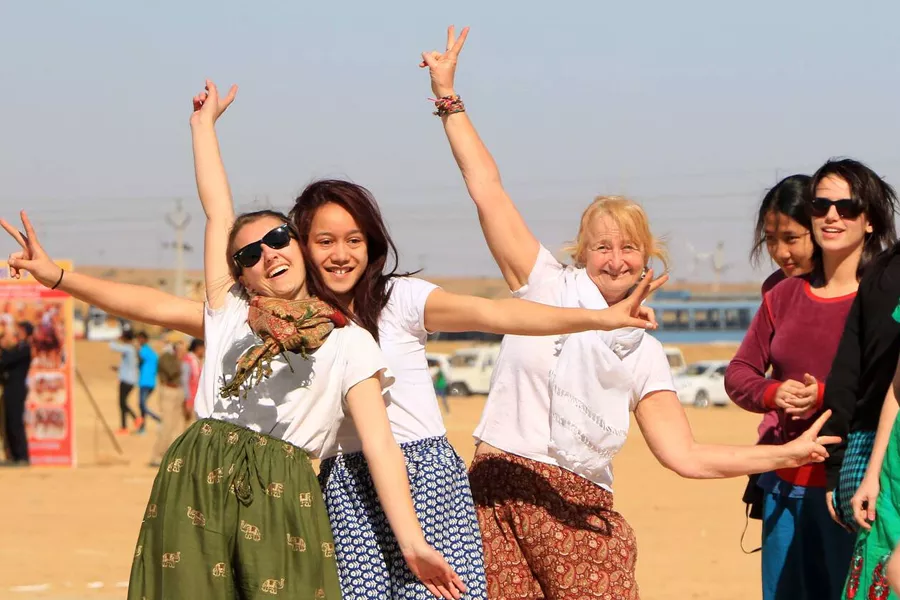
Sam and Khuri: Choosing Your Desert Dunes Experience
For many foreigners, experiencing the open desert sky and rolling dunes outside the city is the main reason to visit Jaisalmer. The two most popular dune belts are Sam Sand Dunes and Khuri. Both offer camel and jeep safaris, but they differ significantly in crowd levels, atmosphere, and camp styles. Understanding these differences helps you choose a desert experience matching your expectations.
| Dune Area | Atmosphere & Features | Best For |
|---|---|---|
| Sam Sand Dunes | Lively, many camps, cultural shows, adventure activities, music and entertainment | First-time visitors, groups, travellers enjoying festive vibes and activities |
| Khuri | Quieter, more rustic, fewer lights and tourists, intimate atmosphere, peaceful ambiance | Couples, slow travellers, those seeking peaceful stargazing and silence |
| Other small dune belts | Simple, basic facilities, strong sense of openness, minimal infrastructure | Adventurous travellers comfortable with minimal comfort and basic amenities |
If you have only one night for the desert, choose the style matching your personality instead of chasing every activity. Adventure-focused visitors often prefer Sam for dune bashing, quad bikes, and performances. Those loving silence and slow conversations might feel more at home in Khuri or smaller camp clusters with fewer structures on the horizon.
Types of Desert Safaris Available
Desert safaris in Jaisalmer are offered in several main formats. Foreign travellers should decide how long they want to spend in the desert and how much activity they're comfortable with. Longer doesn't always mean better; sometimes a carefully planned sunset safari proves more memorable than a rushed overnight with limited sleep.
- Short sunset safari (2-3 hours): Usually by jeep or camel, perfect for those with limited time or testing comfort levels
- Half-day package: Afternoon departure, sunset on dunes, cultural programme, dinner, and return to city at night
- Overnight camp stay: Evening safari plus dinner, folk music, campfire, night under stars, and breakfast next morning
- Multi-day desert trips: For adventurous travellers, sometimes including offbeat dunes and village visits for deeper exploration
Understanding Jaisalmer Tour Packages for Foreigners
Many foreign visitors prefer booking Jaisalmer as part of a tour package because it simplifies transport, hotel selection, desert camping, and professional guiding. Packages can be booked through local operators, national travel companies, or online platforms. The key is carefully examining what is included, what is excluded, and whether the pace matches your personal travel style and preferences.
| Package Style | Typical Duration & Pattern | Who It Suits Best |
|---|---|---|
| Jaisalmer City + Desert | 2-3 nights: One or two nights in city + one night in desert camp | Short trips, first-time visitors, couples and small groups |
| Extended Rajasthan Loop | 7-10 nights: Jaipur – Jodhpur – Jaisalmer – Udaipur (any order) | Travellers with more time wanting broader state overview and variety |
| Custom Private Tour | Flexible stays and experiences chosen with personal driver and planner | Families, older travellers, or anyone needing special arrangements and customization |
Before confirming any package, verify exactly how many nights are actually spent in Jaisalmer versus driving between cities. Request clear details of hotel categories, camp types, meal plans, and whether guides and entry fees are included. Settling these points in advance prevents confusion once you're already in the desert.
What's Typically Included in Desert Tour Packages
Desert packages may appear similar initially, but actual inclusions can differ significantly. Some cover only transport and basic tents, while others add cultural shows, full meals, and extra activities. As a foreign traveller, attention to fine print ensures you know exactly what you're paying for and where extra costs might appear.
- Standard inclusions: Evening safari by camel or jeep, cultural programme around bonfire, buffet dinner, tent accommodation, breakfast next morning
- Often included: Return transfers from Jaisalmer city hotel, bottled water, and optional activities like dune bashing or folk storytelling
- Luxury camp additions: Private sit-outs, hot water facilities, tent heaters, more elaborate meal options, better amenities
- Always confirm: Pick-up/drop logistics, tent type (shared or private bath), performance inclusion vs. extras, seasonal surcharges
How Many Days Do Foreigners Need in Jaisalmer?
The ideal duration depends on your travel pace and interests. The minimum comfortable stay is typically 2 nights, which allows one full day in the city and one desert evening. However, 3-4 nights often feels more relaxed with space for spontaneous discoveries. Consider your overall India itinerary when deciding.
- 2 nights: Short but workable city plus desert experience for time-limited travellers
- 3 nights: More balanced trip with time to rest, shop, wander, and explore without rushing
- 4+ nights: Best for slow travel, deeper exploration, photography, and flexible day trips with repeat visits
- Planning tip: Consider travel time to/from Jaisalmer when designing your overall India itinerary
Sample 3-Day Jaisalmer Itinerary for Foreigners
A practical planning approach uses a flexible three-day outline, adjustable according to your arrival and departure times. This example assumes late-morning arrival on Day 1 and evening departure on Day 3 or Day 4 morning. Activities can be swapped between days based on weather and energy levels.
| Day | Suggested Plan | Notes for Foreign Travellers |
|---|---|---|
| Day 1 | Arrive, check in, explore Jaisalmer Fort and nearby havelis, evening market walk | Rest after travel, focus on walkable old town sights, acclimate to desert environment |
| Day 2 | Free morning in city, Gadisar Lake visit, lunch, evening desert safari and camp stay | Pack overnight bag for desert, store main luggage at city hotel, hydrate well |
| Day 3 | Sunrise in dunes, return to Jaisalmer, Gadisar Lake exploration, shopping or café time | Plan onward travel evening/night, or stay one more night for rest and recovery |
With an extra day, explore more slowly: sunrise photography from the fort, repeat visits to favourite cafés, half-day trips to nearby villages or lesser-known dunes. Adding rest periods between major activities helps you cope better with desert climate and long travel days elsewhere in India.
How to Reach Jaisalmer: Practical Options for Foreigners
Getting to Jaisalmer typically involves combining flight, train, and road travel depending on where you start in India. International visitors commonly land in Delhi, Mumbai, or Jaipur, then connect to Jodhpur or Jaisalmer by domestic flight or train. From Jodhpur, many complete the journey to Jaisalmer by private car or tourist bus (5-6 hours driving).
- By air: Look for flights to Jaisalmer or Jodhpur, then arrange taxi or tour car from airport (recommended for safety and comfort)
- By train: Book tickets well in advance, especially around festivals and holiday periods (2 main stations: Jaisalmer Junction)
- By road: Use reputable taxi services or tour operators; inquire about road conditions during monsoon season
- Pro tip: Keep travel days light on sightseeing so you have energy to enjoy Jaisalmer itself
Accommodation Choices: Where Should You Stay?
Jaisalmer offers diverse accommodation options ideal for foreign visitors with different comfort levels and budgets. You can stay inside or near the fort for atmosphere, choose modern hotels outside the old town for quiet and parking, or spend nights in desert camps. Many travellers combine at least two options during their visit.
When choosing accommodation, consider priorities: view versus quiet, character versus convenience, budget versus comfort. Read recent reviews, especially regarding cleanliness, hot water, Wi-Fi reliability, and staff helpfulness. If you plan online work or video calls, split time between old-city charm and newer areas with reliable connections.
- Inside/near the fort: Best for atmosphere, photography, and convenient access to major sights and restaurants
- Outside old town: Better for those preferring quiet nights, larger rooms, better parking, and possibly pools
- Desert camps: Excellent for unique experiences; treat as a highlight rather than only accommodation
- Practical note: Verify hotels can store main luggage while you're at desert camps
Food and Drink Tips for Foreign Visitors
Rajasthani cuisine is famous for bold flavours, but most restaurants and camps in Jaisalmer accommodate international guests. You'll typically find both traditional dishes and softer, less spicy options on the same menu. Many places offer familiar items like pasta, pancakes, and sandwiches, especially around tourist streets and inside the fort.
To keep your stomach comfortable, introduce local food gradually and drink abundant safe water. If sensitive to spice, mention this clearly when ordering and choose simpler dishes the first day or two. Street food is tempting but may not suit foreign digestion initially; begin with established cafés and restaurant kitchens, expanding once you understand your comfort level.
- Try local specialities like dal baati churma, gatte ki sabzi, and ker sangri in recommended restaurants
- Ask for "less spicy" or "mild" if unfamiliar with Indian chilli levels
- Use bottled or filtered water; avoid ice in drinks if unsure of source
- Carry basic digestive medicine for minor stomach upsets so small issues don't disrupt your trip
Packing Guide: What to Bring to Jaisalmer
Smart packing for Jaisalmer isn't about bringing huge amounts of gear—it's about choosing right layers and accessories for desert conditions. The combination of strong sun, dry air, and cooler nights can surprise travellers expecting constant heat. A small, well-chosen kit keeps you comfortable in both city and dunes.
- Clothing: Light, breathable clothing for daytime, plus warm layer for winter evenings in fort and desert
- Sun protection: Wide-brimmed hat or cap, sunglasses, high-SPF sunscreen (critical for desert exposure)
- Footwear: Comfortable closed shoes or grip sandals for sand walking and old stone steps
- Night gear: Small torch or headlamp for desert camps and dimly lit alleyways at night
- Extras: Light scarf for dust protection, power bank for devices, minimal first aid supplies
Safety, Health and Cultural Respect
Jaisalmer is generally welcoming and safe for tourists, including solo foreign travellers, though sensible habits matter. The biggest risks typically relate to sun exposure, dehydration, overexertion in heat, and occasionally miscommunication about transport and shopping. A calm, prepared approach prevents most problems.
Culturally, Jaisalmer is traditional but accustomed to international visitors. Simple respect gestures—dressing modestly in local neighbourhoods, asking before photographing people—smooth interactions. Learning basic Hindi words opens doors and produces smiles, though most practical communication happens in English through guides or drivers.
- Keep valuables in hotel safes when possible; carry only daily essentials
- Stay hydrated, especially on desert safaris; don't wait until extremely thirsty
- Dress with shoulders and knees covered when visiting temples or residential lanes
- Be firm but polite with persistent sellers; a clear "no thank you" with a smile usually works
- Share your itinerary with someone back home for peace of mind
Working with Local Drivers and Guides
For foreigners, hiring a local driver or guide transforms the experience from simply "seeing" to truly understanding. A good driver takes you safely between city and dunes, suggests optimal visit times, introduces trusted desert camps, and helps navigate language or cultural gaps. With a guide, fort, temple, and haveli stories become vivid and memorable.
If booking complete tour packages, drivers and guides are assigned by the company. If arranging independently, ask accommodation for recommendations instead of street approaches. Clear communication about timing, costs, and expectations prevents misunderstandings.
- Use driver's local knowledge to adjust plans per weather and festival dates
- Ask guides to set comfortable walking pace, especially in heat or on uneven steps
- Tip fairly when receiving good service and extra care
- Maintain mutual respect; positive relationships often lead to special kindnesses and better experiences
Frequently Asked Questions: Jaisalmer Travel Guide
Yes, Jaisalmer is generally safe for solo foreign travellers using normal precautions. Choose well-reviewed accommodation, avoid walking alone in quiet areas late at night, and keep valuables secure. Many solo travellers report feeling comfortable in the fort area, markets, and desert camps, especially when travelling with recommended drivers or small groups.
If on a tight schedule, two nights provide a taste of both fort and desert. For more relaxed experience with wandering time, three to four nights work better. Slow travellers, photographers, or digital nomads often stay longer, using Jaisalmer as a peaceful base between busier Indian cities for multiple safaris and explorations.
The best months for desert safaris are November to February, when days are pleasant and nights are cool but manageable with a jacket. You can still go in October or March with slightly warmer temperatures. Avoid hottest summer months for long outdoor activities, especially if unaccustomed to high heat.
Booking key elements like desert camps and popular hotels in advance is recommended, especially during peak winter season and around festivals. Shorter city tours and some safaris can often be arranged after arrival, but advance planning reduces stress and secures preferred camp styles or packages. Limited time or preference for certainty suggests booking major plan pieces before flying to India.
Yes, vegetarian food is widely available in Jaisalmer, and many restaurants and camps adapt meals for vegans if you explain clearly. Traditional Rajasthani dishes often use lentils, vegetables, and grains, naturally suiting vegetarian diets. Always mention your requirements before ordering so staff can suggest suitable options and avoid dairy or ghee if needed.
For many foreign travellers, tour packages are worth considering because they simplify logistics and reduce last-minute confusion chances. Packages prove especially useful if time-limited, travelling with family, or lacking confidence arranging transport in a new country. Independent travellers can still enjoy Jaisalmer by booking accommodation, drivers, and safaris separately, though this requires more research and time.
Ready to Experience the Golden City?
Let our expert team help you plan the perfect Jaisalmer adventure tailored to your preferences and travel style.
Get in touch with our travel experts to customize your perfect Jaisalmer itinerary:
Available for booking inquiries, custom itineraries, and travel consultations
Planning Your Perfect Jaisalmer Journey
Jaisalmer offers foreign travellers a uniquely magical combination of history, culture, adventure, and natural beauty. Whether you spend two nights or two weeks, the Golden City leaves lasting impressions. By understanding the best seasons, knowing what to expect in different areas, planning realistic itineraries, and preparing practically, you'll create memories that define your India experience.
Start planning your Jaisalmer adventure today. Choose your season, decide your pace, prepare your gear, and open yourself to the desert's transformative magic. The fort's golden walls, the dunes' endless horizon, and the desert's profound silence await your discovery.
Recent Posts
 Amer Fort Boating 2026 Guide: Maota Lake Tickets & Timings
Discover Amer Fort’s new Maota Lake boating, updated 2026 ticket rates, timings, safety rules and best visiting months.
 Luxury Rajasthan Tour with Oberoi, Taj & Leela Hotels
Experience royal Rajasthan in comfort with Oberoi, Taj and Leela luxury palace stays.
 Luxury Tempo Traveller & Van Hire in India 2026 – Rates, Features & Booking
Enjoy luxury van hire in India for safe, comfortable family and group travel.
 Top 10 Vehicle Hire Companies in India for Tourists
Discover the top 10 vehicle hire companies in India offering safe, comfortable tourist travel.
 Delhi Agra Jaipur Tour by Luxury Car and Private Driver
Enjoy a Delhi Agra Jaipur tour with a luxury car, private driver and flexibility.
 Luxury Car and Driver for Comfortable Rajasthan Tour
Explore Rajasthan in comfort with a luxury car, private driver and flexible custom tour.
 Jaisalmer Travel Guide for Foreign Tourists: Best Time, Desert Tours & Tips
Plan your Jaisalmer trip with ideal seasons, desert tour packages and essential foreigner tips.
 Hidden Villages of Rajasthan: Offbeat Rural Experiences & Village Travel Guide
Hidden Villages of Rajasthan: Offbeat Rural Stays, Homestays & Authentic Village Life.
-
Amer Fort Boating 2026 Guide: Maota Lake Tickets & Timings
Discover Amer Fort’s new Maota Lake boating, updated 2026 ticket rates, timings, safety rules and best visiting months.
-
Luxury Rajasthan Tour with Oberoi, Taj & Leela Hotels
Experience royal Rajasthan in comfort with Oberoi, Taj and Leela luxury palace stays.
-
Luxury Tempo Traveller & Van Hire in India 2026 – Rates, Features & Booking
Enjoy luxury van hire in India for safe, comfortable family and group travel.
-
Top 10 Vehicle Hire Companies in India for Tourists
Discover the top 10 vehicle hire companies in India offering safe, comfortable tourist travel.
-
Delhi Agra Jaipur Tour by Luxury Car and Private Driver
Enjoy a Delhi Agra Jaipur tour with a luxury car, private driver and flexibility.
-
Luxury Car and Driver for Comfortable Rajasthan Tour
Explore Rajasthan in comfort with a luxury car, private driver and flexible custom tour.
-
Jaisalmer Travel Guide for Foreign Tourists: Best Time, Desert Tours & Tips
Plan your Jaisalmer trip with ideal seasons, desert tour packages and essential foreigner tips.
-
Hidden Villages of Rajasthan: Offbeat Rural Experiences & Village Travel Guide
Hidden Villages of Rajasthan: Offbeat Rural Stays, Homestays & Authentic Village Life.