North India's Soulful Tapestry: Your 2026 Guide to 10 Unforgettable Cultural Cities
Forget the guidebooks that simply list monuments. The real magic of North India isn't just in what you see, but in what you feel—the scent of marigolds and incense in a temple courtyard, the resonant chant from a mosque at dusk, the burst of flavor from a street-side kachori, and the overwhelming warmth in a local's smile. This region is a living museum of civilization, where empires rose and fell, leaving behind cities that thrum with stories.
As someone who has wandered these lanes for years, I don't just want to tell you where to go; I want to help you experience the soul of each place. This guide for 2026 dives deep into 10 cultural capitals, moving beyond the iconic postcard shots to the heartbeats of these incredible cities. We'll cover practical tips, hidden gems, and the latest updates to help you plan a journey that resonates long after you return home.

A moment of serenity: The majestic gardens of Humayun's Tomb, Delhi. Image: Rajasthan Tour Driver
Navigating North India's Cultural Map: Where Should You Go?
With so many incredible destinations, choosing can be the hardest part. Each city offers a different flavor of North Indian culture. This quick guide will help you match a city to your travel personality.
| City | State | Known as The... | Best For | Iconic Experience | Prime Season |
|---|---|---|---|---|---|
| Delhi | Delhi | Historic Capital | History buffs, Foodies, shoppers | Time-traveling from Mughal lanes to colonial avenues | Oct-Mar |
| Varanasi | Uttar Pradesh | Spiritual Heart | Spiritual seekers, Photographers, philosophers | Witnessing the Ganga Aarti at Dashashwamedh Ghat | Nov-Feb |
| Jaipur | Rajasthan | Pink City (Royal Hub) | First-time visitors, Architecture lovers, shoppers | Feeling like royalty at Amber Fort | Oct-Mar |
| Agra | Uttar Pradesh | City of the Taj | Romantic getaways, World wonder enthusiasts | Seeing the Taj Mahal at sunrise | Oct-Mar |
| Amritsar | Punjab | Sikh Spiritual Capital | Food lovers, History enthusiasts, spiritual travelers | Partaking in the community meal (Langar) at the Golden Temple | Nov-Mar |
| Lucknow | Uttar Pradesh | City of Nawabs (Refinement) | Food connoisseurs, Culture & etiquette admirers | Savoring melt-in-the-mouth Galouti Kebabs | Oct-Mar |
| Udaipur | Rajasthan | City of Lakes / Venice of the East | Romantic trips, Relaxation, lake views | A boat ride on Lake Pichola at sunset | Sep-Mar |
| Jodhpur | Rajasthan | Blue City | Photographers, Fort explorers, offbeat travelers | Getting lost in the blue-washed lanes of the old city | Oct-Mar |
| Bikaner | Rajasthan | Desert Cultural Gem | Adventure seekers, Offbeat heritage, unique festivals | Exploring the otherworldly Junagarh Fort | Oct-Feb |
| Pushkar | Rajasthan | Sacred Pilgrimage Town | Spiritual yoga retreats, Bohemian vibes, camel fair | Attending the world-famous Pushkar Camel Fair (Nov) | Oct-Feb (Avoid peak summer) |
Deep Dive: The Heart and Soul of Each City
1. Delhi: The Monumental Metropolis Where Eras Collide
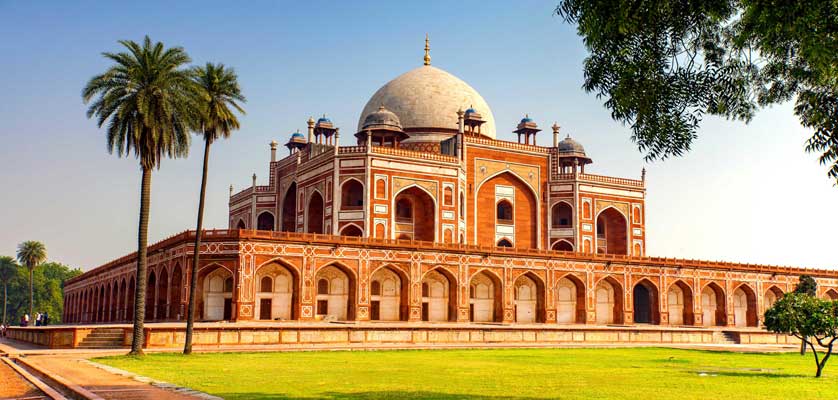
Delhi isn't just a city; it's a palimpsest. You can literally peel back layers of history here. One minute you're in the 17th century, navigating the aromatic chaos of Chandni Chowk in Old Delhi, and the next, you're standing under the wide, imperial skies of Lutyens' New Delhi. It can be overwhelming, but that's its charm.
For 2026: The city's modern art scene is booming. Check out the India Art Fair (usually Jan/Feb) or gallery hubs in the refurbished Mehrauli area. For a unique experience, take the newly expanded Heritage Line of the Delhi Metro to access sites like Qutub Minar and Old Delhi seamlessly.
- Don't Miss: A heritage walk through Nizamuddin Basti (especially on a Thursday evening for the Qawwali prayers), and breakfast at Paranthe Wali Gali.
- Local Tip: Use the metro to avoid traffic. Book tickets for popular monuments like the Red Fort online to skip long queues.
2. Varanasi: The Eternal Spiritual Theatre

Varanasi is raw, intense, and profoundly beautiful. It confronts you with the cycle of life and death in a way no other place does. The morning boat ride on the Ganges as the city wakes up with prayer is a spiritual spectacle. Remember, it's less about "sightseeing" and more about "feeling."
For 2026: Efforts to clean the ghats and manage crowds are ongoing. For a more contemplative aarti experience, consider the smaller ceremony at Assi Ghat instead of the massively crowded Dashashwamedh Ghat. Banaras Hindu University's campus remains a serene escape.
- Don't Miss: An early morning boat ride, a walk through the labyrinthine alleyways behind the ghats, and a visit to Sarnath just outside the city.
- Local Tip: Be respectful. Always ask before taking photos of people, especially sadhus (holy men). Dress modestly on the ghats.
3. Jaipur: The Regal Rajasthani Showstopper

Jaipur is Rajasthan's grand welcome. It's bold, colorful, and proudly displays its royal heritage. The beauty of Jaipur is that its grandeur is so accessible—you can stay in a former palace, shop for gems where maharajas once did, and feel the history in its towering forts.
For 2026: The Jaipur Metro has made getting around much easier. The City Palace Museum has updated some exhibits with digital displays. Look out for the Jaipur Literature Festival (JLF) dates—it's a world-class event.
- Don't Miss: The sound and light show at Amber Fort, getting a tailor-made bandhgala or lehenga, and trying a traditional Rajasthani thali at a place like Chokhi Dhani.
- Local Tip: Hire a knowledgeable guide for Amber Fort to understand its history and hidden details. Bargain firmly but politely in the bazaars.
4. Agra: Beyond the Iconic Silhouette

Yes, the Taj Mahal is the star, and it deserves every bit of its fame—it truly is more breathtaking in person. But Agra has more to offer. The Agra Fort tells a grittier, more powerful story of the Mughal empire, and Fatehpur Sikri is a fascinating abandoned city frozen in time.
For 2026: To manage overtourism, ticketing for the Taj is strictly online and has timed entry slots. Book your sunrise slot weeks in advance. The Yamuna Expressway from Delhi makes the journey smoother. Consider staying in a heritage haveli in the old city for a different perspective.
- Don't Miss: The Taj from across the Yamuna at Mehtab Bagh at sunset, the exquisite inlay work at Itmad-ud-Daulah's Tomb (the "Baby Taj"), and the epic Mughlai food.
- Local Tip: The Taj is closed on Fridays. Be wary of overly persistent guides and touts near the entrance.
5. Amritsar: The Heartbeat of Punjab

The Golden Temple is not just a sight; it's an emotion. The profound sense of peace, community, and equality (langar) you feel here is unforgettable. Amritsar balances deep spirituality with robust Punjabi zest, seen in its food and the electrifying Wagah Border ceremony.
For 2026: The Partition Museum has become an essential visit for understanding modern Indian history. The areas around the Golden Temple are mostly pedestrianized, making visits more pleasant. New, high-quality hotels have opened, offering great stays.
- Don't Miss: Volunteering for a few minutes in the langar kitchen, visiting Jallianwala Bagh, and a food crawl for kulcha, lassi, and Amritsari fish.
- Local Tip: Head to the Wagah Border ceremony at least 2-3 hours early to get a good seat. Cover your head and remove shoes before entering the Golden Temple precincts.
6. Lucknow: The City of Graceful "Pehle-Aap" (You First)

Lucknow's culture is its tehzeeb—a refined etiquette and grace. This manifests in its poetic language, its intricate chikankari embroidery, and most gloriously, in its Awadhi cuisine. It's a city that moves at a more relaxed pace, inviting you to sit, savor, and appreciate the finer things.
For 2026: The Lucknow Metro now connects the airport and major railway stations to the city center. Boutiques promoting authentic chikankari by local artisans are thriving—look beyond the main markets for the best work.
- Don't Miss: Getting lost in the Bhool Bhulaiya (labyrinth) of Bara Imambara, shopping for chikan in Chowk, and a multi-course Awadhi meal at a classic restaurant like Dastarkhwan.
- Local Tip: The best kebabs are often found in unassuming, decades-old shops. Tunday Kababi is an institution.
7. Udaipur: The Romantic Lakeside Dream

If Rajasthan's other cities are about desert fortitude, Udaipur is about aquatic elegance. The lakes give it a softer, more romantic air. It's incredibly picturesque, from the fairy-tale Lake Palace to the colorful bazaars. It’s perfect for slowing down.
For 2026: Sustainability is a focus. Many hotels have banned single-use plastics. Consider staying in a heritage haveli in the old city for a more authentic feel than the large lakefront resorts. The Udaipur World Music Festival (usually Feb) is a fantastic cultural addition.
- Don't Miss: A sunset boat ride on Lake Pichola, a cultural show at Bagore Ki Haveli, and watching traditional miniature painting artists at work.
- Local Tip: The best views of the City Palace are often from rooftop cafes in the old city, not from the palace itself.
8. Jodhpur: The Indigo-Blued Desert Sentinel

Jodhpur makes a dramatic first impression. The colossal Mehrangarh Fort, one of India's most impressive, casts a protective gaze over a sea of indigo-blue houses. It feels rugged, artistic, and deeply rooted in its Marwar heritage.
For 2026: The fort museum has introduced excellent audio guides. The Rao Jodha Desert Rock Park is a must for nature lovers—a beautiful effort at ecological restoration. The airport has better domestic connectivity now.
- Don't Miss: The fort's museum (among the best in India), the panoramic view from Jaswant Thada, and shopping for mojris (traditional shoes) and antiques.
- Local Tip: For the classic "blue city" photo, you need to be outside the old city, on the fort ramparts or near Jaswant Thada.
9. Bikaner: The Undiscovered Desert Treasure

Bikaner is for the curious traveler. It lacks the tourist crowds of Jaipur or Jodhpur, offering a more intimate look at Rajasthani grandeur. Junagarh Fort's opulence is staggering, and the nearby Karni Mata Temple (with its revered rats) is utterly unique.
For 2026: The Bikaner Camel Festival in January is a brilliant, less-commercial alternative to Pushkar's. The city is becoming a hub for desert adventure tourism, with new ethical operators offering camel safaris and cultural stays in nearby villages.
- Don't Miss: Junagarh Fort's opulent interiors, the bizarre yet fascinating Karni Mata Temple, and trying the original Bikaneri bhujia.
- Local Tip: Visit the fort with a guide to appreciate the stories behind its exquisite paintings and carvings.
10. Pushkar: The Bohemian Sacred Lake

Pushkar is a delightful paradox—a deeply sacred Hindu pilgrimage town with a thriving global, bohemian vibe. The serene lake is the spiritual center, while the surrounding lanes are filled with cafes, yoga studios, and shops selling trinkets and textiles.
For 2026: The town council has cracked down on unauthorized camps and parties to preserve its sanctity. The Pushkar Camel Fair (November) remains a phenomenal experience, but book accommodation a year in advance. For a quieter visit, come at any other time.
- Don't Miss: A quiet walk around the lake at dawn, hiking up to the Savitri Temple for sunrise, and people-watching from a lakeside cafe.
- Local Tip: It's a holy town—alcohol and non-vegetarian food are not allowed. Dress conservatively, especially near the ghats.
Your Practical North India Cultural Trip Planner (2026)
When to Go: Festivals & Weather
The ideal window is October to March, with pleasant days and cool nights. Here are key festivals to plan around (or avoid due to crowds):
| Festival | Typically Occurs | Best Cities to Experience It | Note |
|---|---|---|---|
| Diwali | October/November | Jaipur, Amritsar, Varanasi, Delhi | Magnificent lights and celebrations. Very busy. |
| Pushkar Camel Fair | November | Pushkar | A unique cultural spectacle. Book everything extremely early. |
| Holi | March | Mathura/Vrindavan (near Delhi), Jaipur, Pushkar | The festival of colors. Be prepared to get messy! |
| Jaipur Literature Festival | January/February | Jaipur | World-class authors and thinkers. Free entry. |
| Bikaner Camel Festival | January | Bikaner | Similar to Pushkar but smaller and more local. |
Getting Around: Transport Tips
- Between Cities: India's train network is an experience in itself. Book AC Tier 2 or 3 tickets via the IRCTC website or a trusted travel agent months in advance for popular routes (e.g., Delhi-Jaipur, Delhi-Varanasi). New Vande Bharat Express trains are faster and more comfortable.
- Within Cities: Use ride-hailing apps (Uber/Ola) in metros like Delhi, Jaipur, Lucknow. For older cities (Varanasi, Jodhpur, Udaipur's old town), auto-rickshaws and walking are best. Always agree on a fare before getting in an auto without a meter.
What to Pack: The Cultural Essentials
- Clothing: Modesty is key, especially at religious sites. Pack light, breathable clothes that cover shoulders and knees. A scarf or pashmina is versatile for covering up, staying warm, or protecting from the sun.
- Footwear: Comfortable, easy-to-remove shoes! You'll be taking them off constantly for temples, mosques, gurudwaras, and some heritage sites.
- Other Must-Haves: A refillable water bottle (many hotels have filters), hand sanitizer, a power bank, and a small flashlight for uneven paths in old cities.
Frequently Asked Questions (FAQs) for the Culturally Curious Traveler
Q: Is it safe to travel solo, especially for women, in these North Indian cities?
A: Generally, yes, but it requires awareness. Dress conservatively, avoid isolated areas at night, use registered taxis/ride-shares, and trust your instincts. Cities like Jaipur, Udaipur, and Delhi (in central areas) see many solo female travelers. Joining group tours for certain activities can also be a great option.
Q: How do I handle the crowds and persistent touts or vendors?
A: A polite but firm "No, thank you" (Nahi, dhanyavad) while continuing to walk is the most effective technique. Don't feel obligated to engage in conversation. For crowded sites like the Taj Mahal or Varanasi ghats, visit at opening time or late afternoon for slightly thinner crowds.
Q: What's the best way to experience the local food safely?
A: Don't miss the street food! The key is to eat where it's busy (high turnover) and cooked fresh in front of you. Avoid pre-cut fruit and salads washed in tap water. Start with milder dishes and let your stomach acclimatize. Bottled water is essential.
Q: How many cities should I try to visit in a typical 2-week trip?
A: Don't overdo it. India is intense. For a 14-day trip, I recommend a "Golden Triangle" plus one: Delhi (3 nights) -> Agra (1 night) -> Jaipur (3 nights) -> Varanasi (3 nights), with travel days in between. Depth is better than breadth here.
Q: Are there any new travel regulations or entry requirements for 2026 I should know about?
A: As of early 2026, standard tourist visas apply. The big change is that almost all major monuments and museums require online ticket purchases. Do this a few days before your visit to secure your slot, especially for the Taj Mahal. Keep digital copies of your passport and visa handy.
Final Thoughts: Journey with an Open Heart
Traveling through North India's cultural cities is not a passive holiday; it's an engaging, sometimes challenging, but always rewarding dialogue with history, spirituality, and humanity. The dust, the noise, the colors, and the smiles will get under your skin. Let go of rigid itineraries, embrace the unexpected, accept a chai from a stranger, and get lost in a bazaar. The true essence of this incredible region isn't just in its stone fortresses and marble mausoleums—it's in the vibrant, resilient, and welcoming spirit of its people. Your unforgettable story awaits.