Where Do Foreigners Travel Most in India? The 15 Cities That Dominate Global Tourism in 2026
Understanding India's Tourism Landscape: A 2026 Perspective
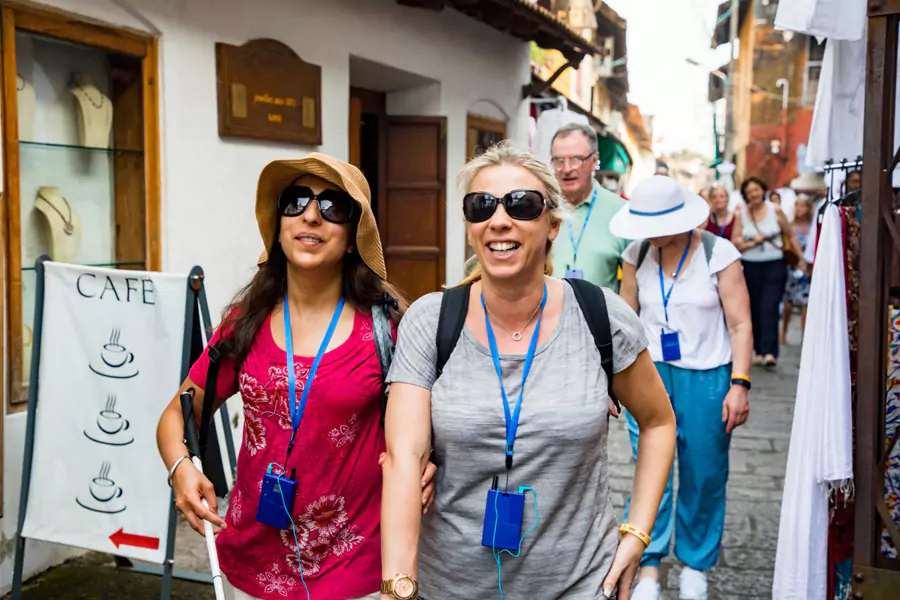
India receives roughly 9.95 million foreign tourists annually, though 2025 has presented unique challenges with a 12.4% decline in arrivals during the April-September period. Despite this temporary setback, the country remains one of Asia's most compelling destinations, attracting travelers from 166 countries through its expanded e-Tourist Visa programme. What makes India enduringly attractive? The answer lies not in a single monument or city, but in the profound diversity that creates something genuinely irreplaceable for global travelers.
The journey foreigners take through India rarely follows a single path. Some arrive seeking spiritual awakening at sacred temples. Others come chasing Instagram-worthy palace photographs. Still others arrive by chance and discover that India's true magic hides in the spaces between—in unexpected conversations, street food that lingers on the palate, and moments when the chaos suddenly feels like music.
This comprehensive guide reveals where foreign tourists concentrate, why they choose these destinations, and what 2026 travel patterns reveal about changing preferences in global tourism.
The Data Behind Global Tourism: Where Foreigners Actually Go
Understanding international tourist flow requires looking beyond assumptions. According to India's Ministry of Tourism, Delhi captures 37.7% of all foreign tourist arrivals, making it the overwhelming gateway. Mumbai follows with 17.3%, while Chennai claims 8.4%, Bengaluru 7.8%, and Cochin 3.7%. These five cities alone account for approximately 74% of foreign visitor entry points into India.
Why do these cities dominate? Proximity to international airports, established hospitality infrastructure, and concentrated attractions create natural clustering. Delhi's Indira Gandhi International Airport handles more than 70 million passengers annually. Mumbai's role as India's financial capital and Bollywood hub attracts business travelers and entertainment seekers. Yet statistical dominance tells only part of the story. Beyond these major entry points lies a complex network of secondary destinations where foreigners spend meaningful time and create lasting memories.
The December-February window remains the golden season, with December alone recording 1.06 million foreign arrivals—nearly three times higher than slower months. This winter travel surge corresponds to optimal weather conditions in North India, festival season celebrations, and school holiday periods across Western countries. The expansion of India's e-Visa facility to 166 countries as of January 2026 has streamlined access, with approval granted within 72 hours through 29 designated airports and 5 major seaports.
The Top 15 Cities: A Complete City-by-City Analysis
1. Delhi – India's Grand Entry Point and Living Capital
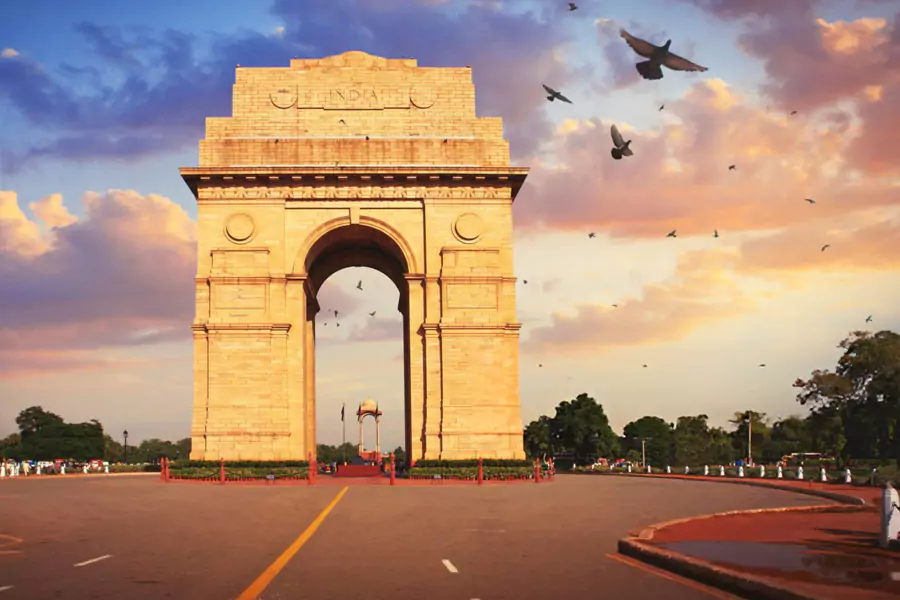
Delhi attracts approximately 37.7% of all foreign tourists entering India, making it statistically the most visited city. This dominance stems partly from its role as India's primary international aviation hub, but the city offers substantial attractions beyond mere geographic convenience. The Indian capital presents a fascinating contradiction—utterly chaotic yet oddly purposeful, intensely crowded yet surprisingly welcoming.
First-time visitors typically experience culture shock at Delhi's scale and intensity. The combination of traffic, noise, heat, and visible contradictions can overwhelm. Yet travelers who surrender to this intensity often develop profound affection for the city. India Gate provides a serene counterpoint in the evening, when crowds thin and the monument glows softly. Chandni Chowk bazaar delivers sensory immersion—the air thick with spice and incense, narrow lanes crowded with vendors, rickshaws honking their insistent way through narrow passages.
For serious cultural exploration, the historic Old Delhi offers Jama Masjid (India's largest mosque), while New Delhi contains the stunning Qutub Minar, Rashtrapati Bhavan, and numerous museums. Luxury hotels cluster in central Delhi, catering to high-end travelers. Budget travelers gravitate toward Paharganj, where international backpacker infrastructure thrives. Most visitors spend 2-3 days before moving onward, using Delhi as a springboard rather than a destination itself.
2. Mumbai – The City of Dreams and Contradictions
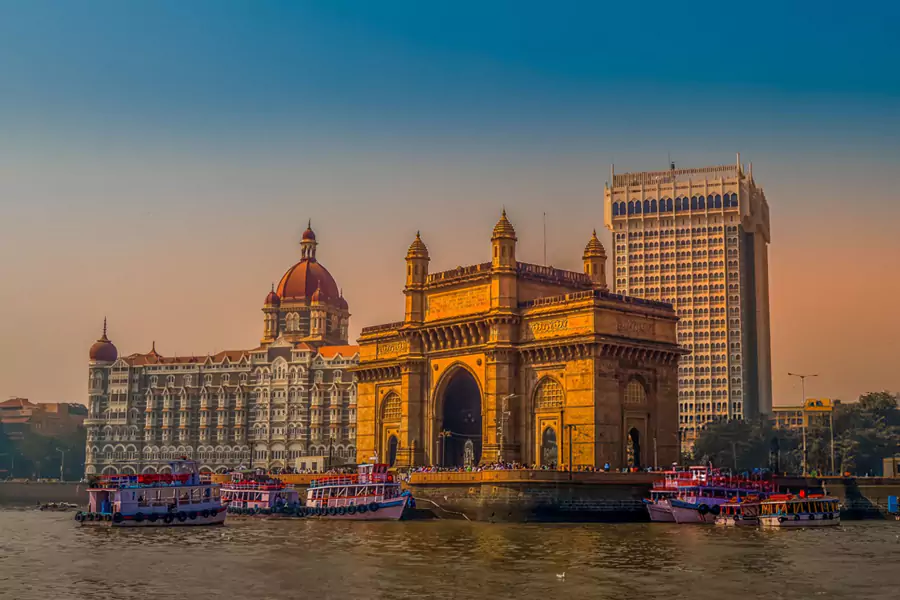
With 17.3% of foreign tourist share, Mumbai ranks as India's second most visited city—though actually more tourists pass through it than stay. The financial capital operates at a different frequency than Delhi. Everything moves faster here. The energy feels kinetic, money-driven, and perpetually rushing toward the next deal.
Foreign travelers come seeking the romance of Bollywood, the energy of India's most cosmopolitan city, and the specific energy that only Mumbai generates. The Gateway of India remains obligatory, but the real experience emerges elsewhere—in evening strolls along Marine Drive, watching the city's lights reflect on the Arabian Sea, in the chaos of Crawford Market where street vendors have sold spices for centuries, in the literary cafés of Fort where writers and artists gather.
Dharavi—Asia's largest slum—attracts curious travelers seeking authentic urban India. These tours have become controversial due to ethical concerns, yet remain popular with visitors seeking to understand lived reality beyond resort bubble comfort. Museums like the CSMVS (Chhatrapati Shivaji Maharaj Vastu Sangrahalaya) house extraordinary collections. The Elephanta Caves, accessible by ferry, offer Buddhist rock-cut sculpture in a tranquil setting removed from urban intensity.
Mumbai's luxury hotel scene ranks among Asia's best, while street food—pani puri, vada pav, cutting chai—provides authentic local flavor at minimal cost. The city never feels entirely welcoming or hostile; it simply doesn't particularly care whether you're there. Somehow, this indifference proves oddly liberating.
3. Chennai – South India's Anchor and Cultural Heartland
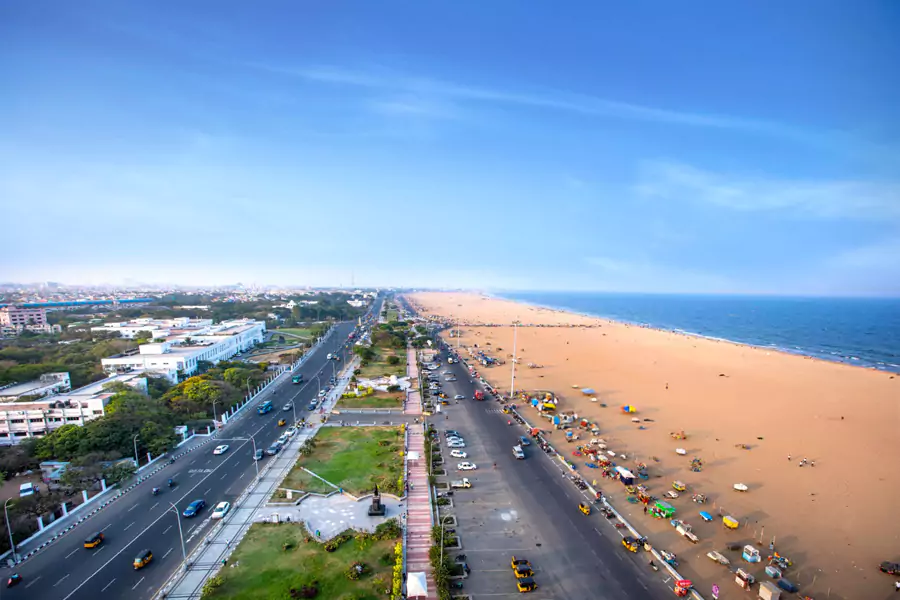
Chennai captures 8.4% of foreign tourist arrivals, making it the third-most visited city. For travelers seeking to experience South India's distinct cultural identity, Chennai serves as the essential entry point. The city moves more deliberately than northern counterparts. Life follows rhythms established over millennia—temple bells ring at consistent hours, traditions run deep, and modernity exists alongside ancient practice rather than replacing it.
Mylapore's temple district immerses visitors in living Hinduism. These aren't museum pieces but functioning spiritual centers where daily worship continues uninterrupted for centuries. Marina Beach—4.3 kilometers of golden sand—offers meditative sunrise walks when the city moves slowly. Unlike Mumbai's Marine Drive or Goa's beach culture, Marina Beach feels authentically Indian, where locals exercise, families gather, and the pace remains unhurried.
Food in Chennai transcends ordinary meals and becomes cultural transmission. Dosas, idlis, and sambar taste fundamentally different here—proportions shift, spice levels calibrate differently, preparations follow ancestral methods. Seafood reflects the city's coastal identity. Film culture thrives—Tamil cinema maintains distinct identity separate from Hindi Bollywood production, with a devoted following visible in cinema halls and cultural institutions.
The Kalakshetra academy preserves classical Indian dance forms. Shore Temple at Mahabalipuram (90 minutes away) stands as UNESCO World Heritage Site showcasing Pallava-era architecture. For travelers seeking India's soul rather than surface tourism, Chennai offers profound cultural encounter.
4. Kolkata – Where Time Moves Differently
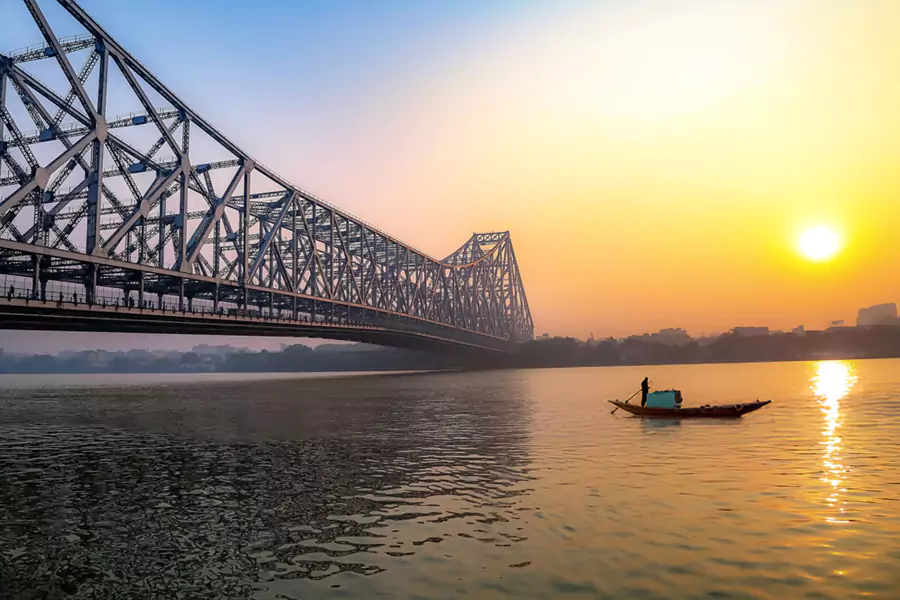
Kolkata occupies a special place in India's tourism landscape. While not topping visitor statistics, the city attracts travelers seeking intellectual and artistic encounters. This is India's city of thinkers—historically a center of independence movements, literature, and philosophical inquiry. Tagore studied here. Marxist intellectuals congregated here. Film directors used Kolkata as creative inspiration.
The city retains colonial elegance alongside visible decay. Victoria Memorial dominates the cityscape, white marble rising majestically from manicured gardens. Howrah Bridge—the iconic iron structure spanning the Hooghly River—pulses with constant traffic, pedestrians, and chaos. Watching it light up after sunset remains an unforgettable experience. Unlike cities remaking themselves into gleaming metropolises, Kolkata embraces its past.
Darjeeling tea culture connects to Kolkata through history and commerce. The South Indian Coffee House remains legendary among writers and intellectuals, preserving decades of literary discourse. Street food here carries distinct character—puchka, kathi rolls, and mishti doi (sweetened yogurt) taste like local heritage rather than commercial offerings. The River Ganga moves through the cityscape, creating spiritual undertones that permeate daily life.
Visitors to Kolkata typically stay longer than to other cities. The pace permits lingering. Extended conversations happen naturally. The city refuses to rush or perform for cameras, maintaining authentic character regardless of tourism.
5. Bengaluru – India's Silicon Valley and Coffee Culture Hub
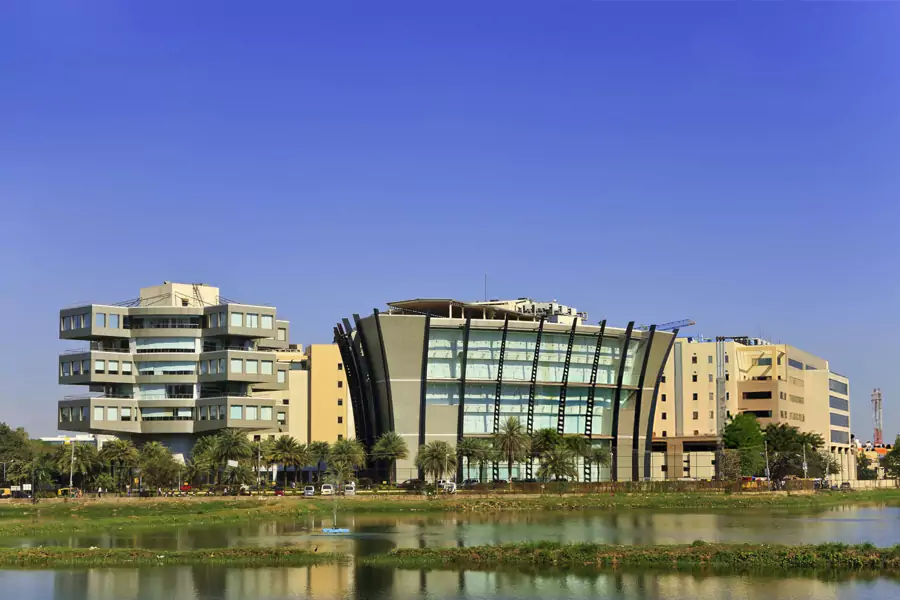
Bengaluru (Bangalore) represents modern India perhaps more than any other city. With 7.8% of foreign tourist share, it attracts a different demographic—business travelers, tech professionals, younger leisure tourists seeking contemporary culture. The city's climate stands alone—neither oppressively hot like Delhi nor humid like coastal cities. Evenings feel pleasantly cool, streets breathe more spaciously, and the overall atmosphere permits relaxation.
Coffee defines Bengaluru's leisure identity. The city hosts hundreds of independent coffee shops, many meticulously curated, where conversations linger for hours. Startup culture permeates casual discourse—discussions shift rapidly from technology to politics to art without friction. The city feels young despite its centuries of history. Cubbon Park offers peaceful green space in the city center, where morning joggers pass professionals heading to nearby offices.
The Visvesvaraya Industrial and Technological Museum appeals to tech-focused visitors. The Bangalore Palace blends European Gothic with local aesthetics. Nandi Hills, 60 kilometers away, offers sunset views that justify early morning drives. The city's food scene balances South Indian tradition (dosas, idlis) with international cosmopolitanism. Street food here carries hygiene standards that appeal to cautious international travelers.
For business travelers or those seeking contemporary urban India, Bengaluru provides authentic experience without requiring travelers to surrender all modern convenience.
6. Jaipur – The Pink City and Rajasthan's Crown Jewel
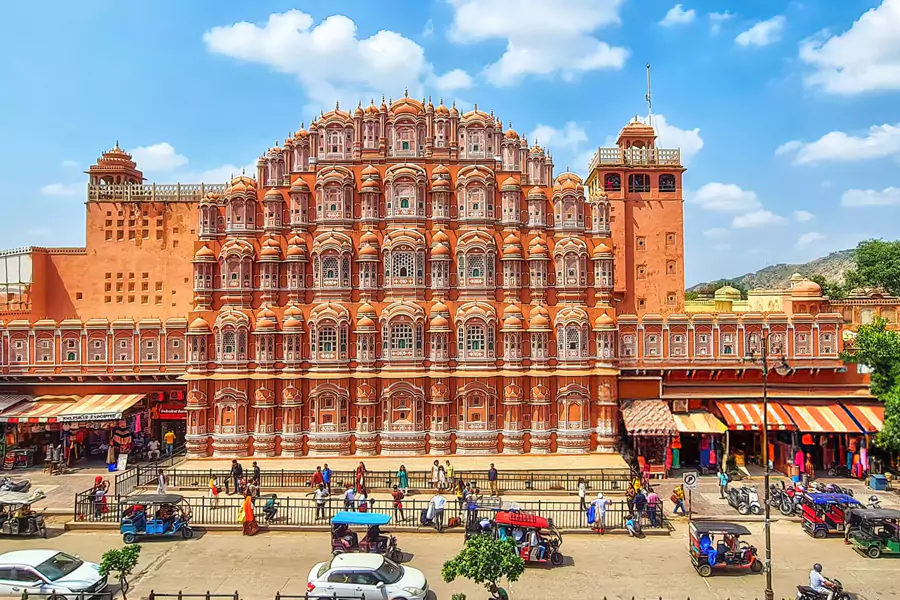
Jaipur stands as the gateway to Rajasthan and completes the legendary Golden Triangle (Delhi-Agra-Jaipur) that defines Indian tourism itineraries. The entire city glows pink—an artistic decision made in 1876 that persists as distinguishing characteristic. This chromatic unity creates a fairy-tale atmosphere that photographs capture but which only in-person experience conveys fully.
Amber Fort dominates the landscape, perched on hillsides overlooking the city. The climb up steep steps to the fort's upper chambers rewards with sweeping vistas and echoing history. Within the fort, mirror-work and intricate carvings showcase the craftsmanship that defined Mughal-era construction. Hawa Mahal (Palace of Winds)—the iconic pink structure with 953 small windows—serves as Jaipur's symbol. While less substantial architecturally than other monuments, its aesthetic perfection makes it Instagram-perfect.
City Palace functions partially as museum and partially as royal residence, creating unusual hybrid space. Walking through palace corridors, visitors encounter ornate rooms alongside modest functionality. Local bazaars—particularly the textile markets—offer authentic shopping experiences where negotiation forms part of the commerce. The color, energy, and commercial vitality of these bazaars deliver India unfiltered.
Jaipur's positioning within Rajasthan makes it ideal departure point for desert destinations like Jodhpur, Udaipur, and Jaisalmer. Many international tours book extended Rajasthan circuits using Jaipur as base. The city offers substantial luxury hospitality, heritage hotels in former palaces, and international-standard amenities alongside authentic local experience.
7. Agra – The City Defined by a Single Monument
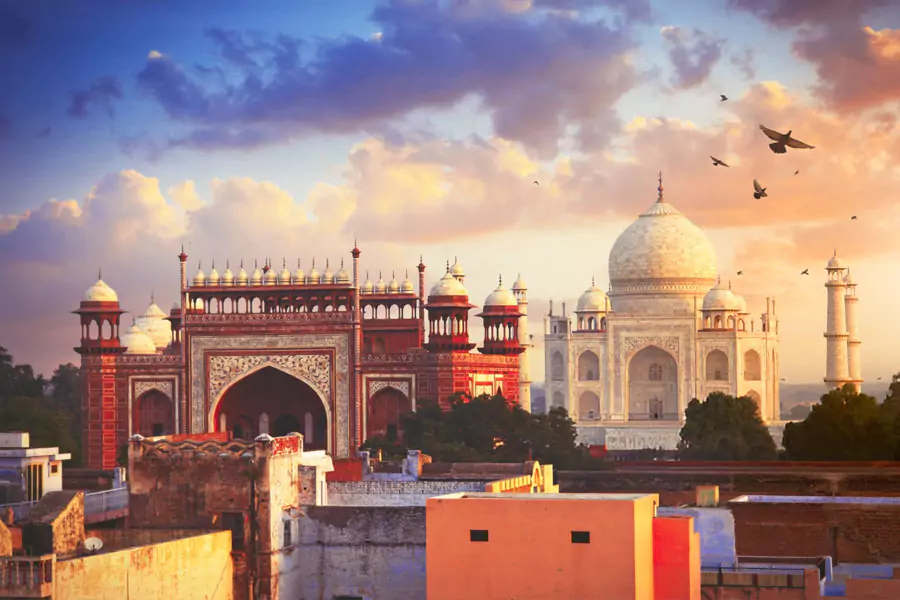
Agra's foreign tourism revolves almost entirely around the Taj Mahal—and remarkably, this single-point focus proves sufficient to make Agra worth visiting. The Taj Mahal attracted approximately 645,000 foreign visitors in FY 2024-25, making it India's most visited centrally protected monument. These numbers pale before the monument's historical magnitude—a structure that embodies architectural perfection and romantic mythology in white marble.
The Taj Mahal experience unfolds differently depending on when and how one visits. Sunrise visits capture the monument in soft golden light before crowds overwhelm. Sunset brings cooler temperatures and contemplative atmosphere. Moonlit visits (available on specific dates) create ethereal experience. Visiting from the less-crowded Mehtab Bagh across the Yamuna River provides perspective—the Taj from water-side vantage offers intimacy impossible from the main approach.
Yet Agra contains more than the Taj. Agra Fort stands enormous and undervisited, offering red sandstone passages, hidden chambers, and historical depth that visitors rushing through miss. The fort's acoustic properties fascinate—whispered conversations carry across vast chambers. Local bazaars offer genuine handicrafts rather than tourist trinkets. Carpet-weaving workshops demonstrate centuries-old techniques.
Agra's immediate surroundings extend the experience. Fatehpur Sikri—a 16th-century ghost city created and abandoned by Emperor Akbar—lies 40 kilometers away. The entire preserved settlement showcases Mughal urban planning and architectural ambition. Most international itineraries allocate just 1-2 days to Agra, barely sufficient for the Taj itself let alone surrounding treasures.
8. Goa – Beaches, Freedom, and the Unexpected
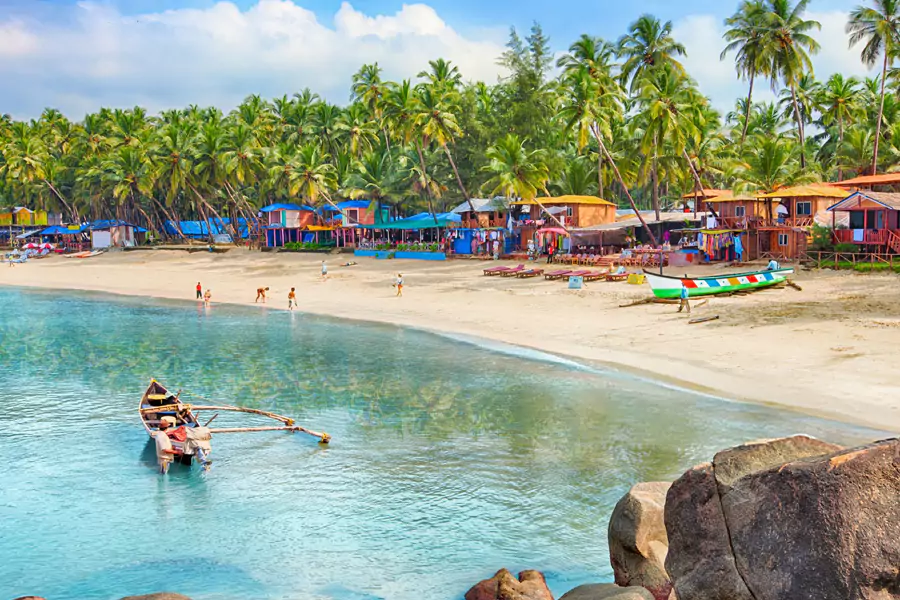
Goa operates under different rules than mainland India. Portuguese colonial rule for 450 years left linguistic, religious, and architectural marks that create an alternative India—more relaxed, more Christian, more European in sensibility. For many foreign travelers, Goa provides the entry point where India feels less intimidating, a beach vacation location that happens to exist within Indian borders.
The state contains multitudes. Palolem Beach in the south remains mellow and peaceful, attracting yoga enthusiasts, remote workers, and serious meditation practitioners. Anjuna in the north pulsates with energy—full-moon parties, acid house music, backpacker bustle, and permissive social atmosphere that contrasts sharply with other Indian tourist destinations. Goa somehow accommodates this range without forcing choice—different areas appeal to different travelers without conflict.
French colonial churches, Hindu temples, and Muslim mosques coexist easily. Curry arrives with coconut milk and milder spice than North Indian preparations. Portuguese surnames persist alongside Indian names. This cultural hybrid experience appeals to travelers seeking India without complete immersion shock.
Fort Aguada, Old Goa's ecclesiastical heritage, backwater cruises in nearby Kerala, and spice plantations provide variety beyond beach lounging. The monsoon season (June-September) brings atmospheric transformation—fewer tourists, lower prices, lush vegetation, and moody atmospheric conditions that appeal to photography-minded travelers. For many, Goa represents the last stop before leaving India, a gentle decompression chamber permitting mental transition from intense experience back to ordinary life.
9. Varanasi – Where Spirituality and Mortality Intersect
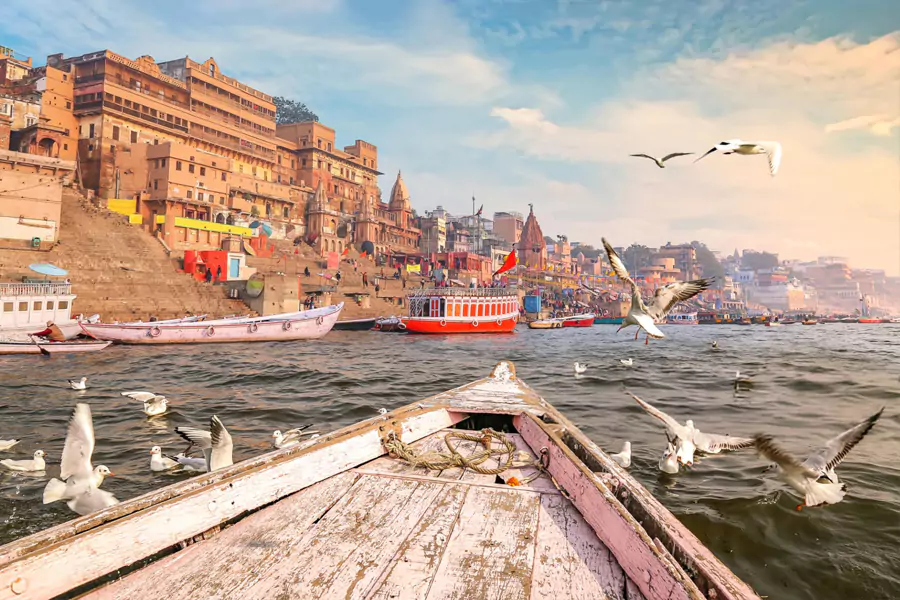
Varanasi exists in categories entirely its own. The city doesn't cater to tourism—it permits tourism within its functioning as India's holiest pilgrimage site. Here, spiritual practice, daily life, and mortality coexist without compartmentalization. Ghats line the Ganges River where people bathe, pray, meditate, and where bodies are cremated—all simultaneously visible, no division between the sacred and the practical.
The city overwhelms most first-time visitors. Narrow alleyways flood with humanity. Incense, spices, and decay create olfactory complexity. Cows wander freely through crowded passages. Chanting echoes from temples. Sacred ash covers ground surfaces. Yet this intensity conveys authenticity unavailable in sanitized tourism spaces. Varanasi doesn't perform India for cameras; it simply exists as it has for millennia.
The Ganga Aarti ceremony each evening represents Varanasi's spiritual heart—priests swing fire lamps in synchronized rhythm while thousands watch in silence. The ceremony transcends religious category; it communicates something about human need for ritual and transcendence that moves even secular visitors. Boating on the Ganges at sunrise offers meditative experience—the river's surface mirrors sky, ghats reveal themselves gradually, bells sound from temples.
Kashi Vishwanath Temple, one of Hinduism's holiest shrines, sits in claustrophobic narrow lanes requiring removal of shoes and surrender of phones. Sarnath, where Buddha preached his first sermon, lies 10 kilometers away—this sacred Buddhist site contrasts sharply with Varanasi's Hindu intensity. Many travelers arrive hesitantly and depart transformed, their understanding of India fundamentally altered by Varanasi's refusal to compromise authenticity for comfort.
10. Kochi – Kerala's Maritime Gateway and Spice Harbor

Kochi (Cochin) with 3.7% of foreign tourist share represents Kerala's primary international gateway. Fort Kochi's narrow lanes preserve Portuguese and Dutch architectural heritage, creating European atmosphere incongruous with South Indian context. The famous Chinese fishing nets—massive wooden structures that move in slow, graceful motion—have become iconic, yet viewing them in operation proves more meaningful than photographs suggest.
The spice markets of Mattancherry carry centuries of commercial history. Cinnamon, cardamom, pepper, and cloves fill shops with aromatic density. These spices once drove global commerce, justifying entire colonial ventures and wars. Mattancherry Palace displays murals showing local rulers' stories. The Jewish synagogue in this same neighborhood, built in 1568, stands as testament to Kochi's historical religious pluralism.
Kathakali performances—classical Kerala dance form with elaborate makeup, costumes, and gestures—offer cultural immersion even to audiences unfamiliar with traditions. The performers' eyes move with precision that communicates emotion and narrative. Backwater houseboats departing from Kochi carry travelers through palm-fringed waterways where villages live between water and land. These slow-moving boats create space for conversation and contemplation rare in Indian travel.
Kochi's unhurried pace appeals to travelers seeking India without intensity pressure. The city permits extended stays without boredom. Food here balances Kerala spice traditions with international options. Spice plantation tours in nearby areas educate travelers about agriculture that shaped Indian history and global commerce.
11. Udaipur – The Venice of the East and Romance Incarnate
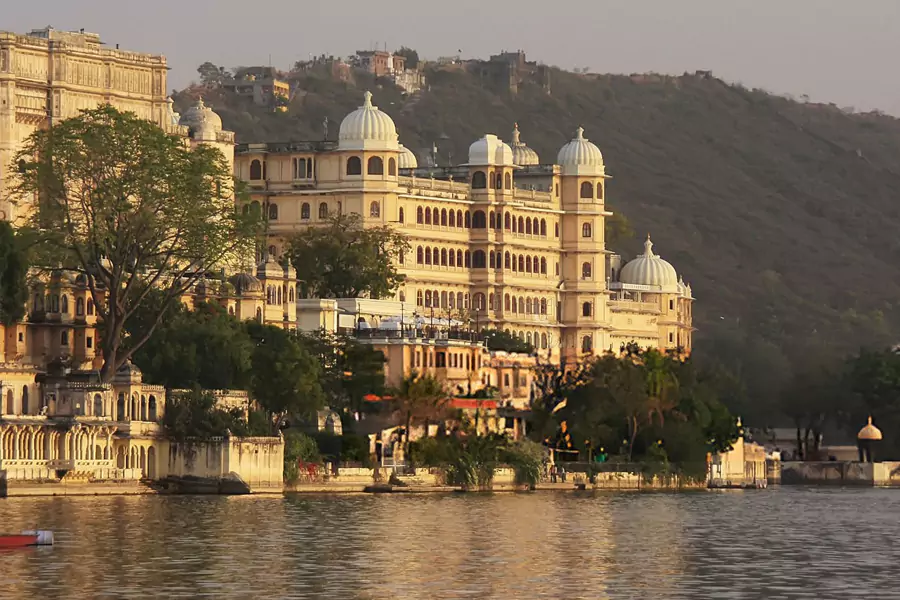
Udaipur represents romance in architectural form. Lake Pichola creates the city's defining characteristic—water that softens edges, reflects marble palaces, and creates contemplative atmosphere. City Palace rises majestically from lakeside, its marble and ornate detailing suggesting royalty living in deliberate aesthetic consciousness. Jag Mandir—a palace floating on the lake—appears dreamlike, a structure seeming to hover between land and water.
Boat rides at sunset transform the ordinary into the magical. Golden light reflects off marble surfaces. Musicians play traditional instruments. The pace slows to contemplative speeds. Rooftop cafés throughout the city offer perspectives across water to palaces beyond. Travelers frequently find themselves sitting longer than intended, enchanted by cumulative beauty.
The city caters extensively to luxury tourism—heritage hotels occupy converted palaces, boutique experiences dot the lakeside, and wedding tourism brings elaborate celebrations. Yet budget travelers also find accommodation and experience Udaipur's central beauty without expenditure. The city somehow manages to serve both luxury seekers and backpackers without contradiction.
Hawa Mahal-style structures, gardens, and numerous temples occupy secondary positions while Lake Pichola dominates consciousness. For travelers seeking beauty as primary experience rather than cultural instruction, Udaipur satisfies completely. The city's marketing as "Venice of the East" understates the reality—it rivals Venice in atmospheric beauty while maintaining utterly Indian character.
12. Amritsar – Spirituality, Politics, and Indian Pride
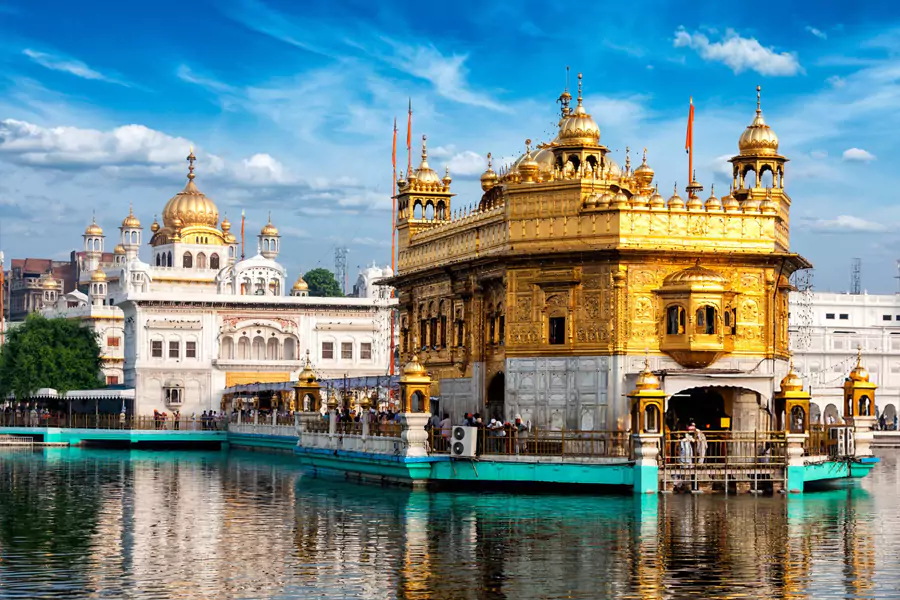
Amritsar centers entirely on the Golden Temple, Sikhism's holiest shrine. The massive gold dome floating above the sacred tank creates otherworldly beauty. The temple functions as active place of worship rather than museum—pilgrims arrive for prayer while tourists observe. This collision between sacred practice and tourism consumption creates complex ethical space, yet the temple authorities manage the balance gracefully.
The langar—the temple's free community kitchen that serves meals to all regardless of caste, religion, or wealth—represents Sikhism's foundational principle of equality. Visitors receive meals served with genuine hospitality. Thousands eat together daily in a space where economic class disappears and shared humanity dominates. Few experiences in India communicate philosophical principles as effectively as participating in langar.
Jallianwala Bagh—site of the 1919 massacre where British soldiers killed hundreds of Indian independence protesters—imparts historical weight. The enclosed garden space, marked with names of victims, invokes contemplation despite modest physical architecture. The Wagah Border ceremony—where Indian and Pakistani border guards engage in ritualized military posturing—displays nationalism in exaggerated form. The high kicks, aggressive stamping, and flag-waving create spectacle that entertains while confirming the artificial intensity of national boundaries.
Amritsar's food culture reflects Punjab's agricultural abundance and Sikh hospitality traditions. Makki di roti and sarson da saag (cornmeal flatbread and mustard greens) constitute foundational dishes. Lassi (yogurt drink) refreshes. Tandoori traditions bring meats perfectly charred. The city feels fundamentally more welcoming than many Indian tourist destinations. Honesty permeates transactions. Warmth emerges naturally rather than performed.
13. Hyderabad – Biryani, History, and Hidden Charms
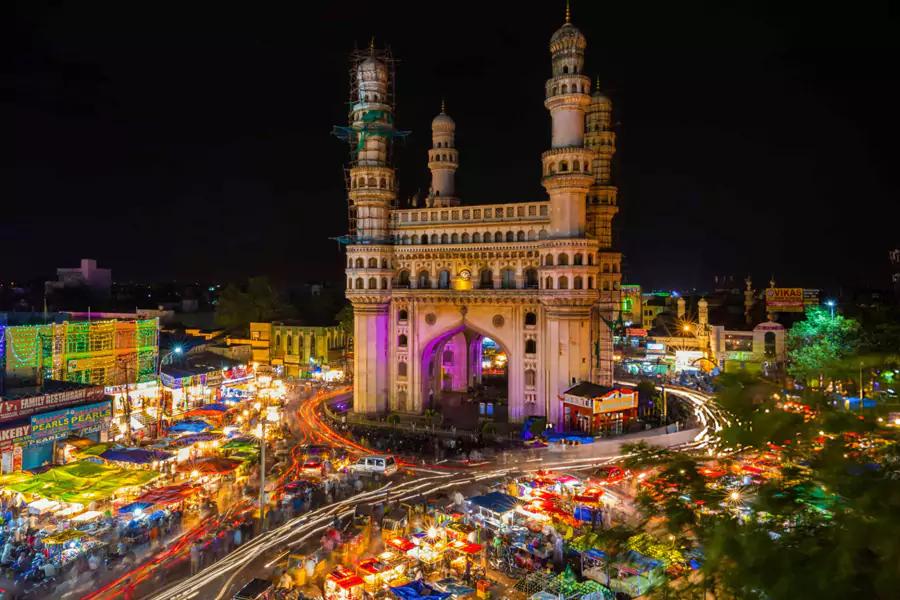
Hyderabad receives fewer international visitors than its cultural and historical significance warrant. The city contains multitudes—old and new, traditional and modern, intensely local and increasingly cosmopolitan. Charminar monument dominates the old city, a structure whose four arches frame city views and whose surrounding bazaars pulse with commerce and humanity.
Chowmahalla Palace stands as architectural masterpiece showcasing Nizamic grandeur. The palace contains remarkable interiors—mirrored chambers, muraled walls, courtyards that suggest royal life lived with aesthetic consciousness. The building stands partially abandoned, requiring restoration, yet this imperfection conveys authenticity. Unlike fully preserved monuments, Chowmahalla communicates lived history rather than curated heritage.
Golconda Fort perches on hillsides overlooking the city. Climbing ramparts permits panoramic perspective on urban sprawl below. The fortress's history encompasses diamonds, royalty, sieges, and political machination. Within the fort, architectural sophistication appears in acoustics—whispered words at one end carry to distant arches, a feature deliberately designed for surveillance.
Hyderabad's culinary reputation centers on biryani—basmati rice, meat, spices combined through precise preparation that creates alchemy tasting nothing like component parts. The dish carries regional identity; Hyderabadi biryani tastes distinctly different from Kashmir, Lucknow, or Bengali variants. Food lovers frequently justify Hyderabad visits primarily for this single dish.
14. Pune – The Thinking Person's City and Meditation Destination
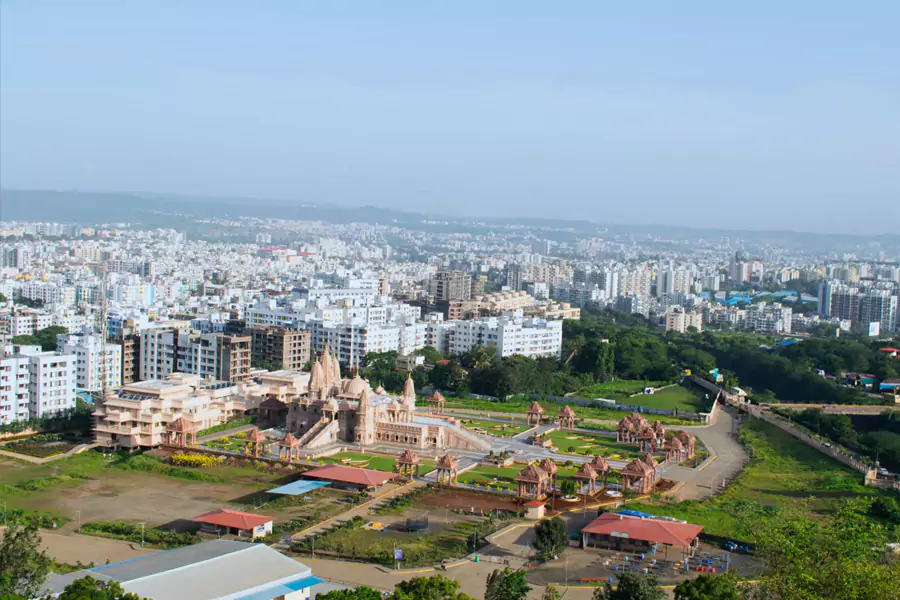
Pune represents cosmopolitan India—young, educated, progressive, yet not abandoning tradition. The city attracts spiritual seekers specifically because the famous Osho Ashram (now termed Osho International Meditation Resort) offers structured meditation and energy work within ashram environments. These experiences range from genuine spiritual practice to commercialized spirituality tourism; visitors navigate the spectrum according to intention and openness.
Koregaon Park neighborhood creates bohemian atmosphere with cafés, bookstores, artists, and spiritual seekers creating community. The district feels intentionally curated toward introspection. Street food here includes both traditional Indian preparations and health-conscious modern options. The pace permits lingering—coffee at a café while reading, afternoon meditation, evening discussions about philosophy and spirituality happen naturally.
Shaniwar Wada fort contains history within aging walls. Aga Khan Palace holds connection to independence movement. These historical sites carry weight without demanding anything from visitors—they exist as repositories of meaning rather than performance stages.
Pune attracts a specific traveler archetype—those seeking India's spiritual dimensions without complete immersion shock. The city serves seekers, yogis, digital nomads, and cultural tourists. Unlike some destinations requiring capitulation to local intensity, Pune permits participation at chosen intensity levels.
15. Rishikesh – The Global Yoga Capital and Spiritual Experiment
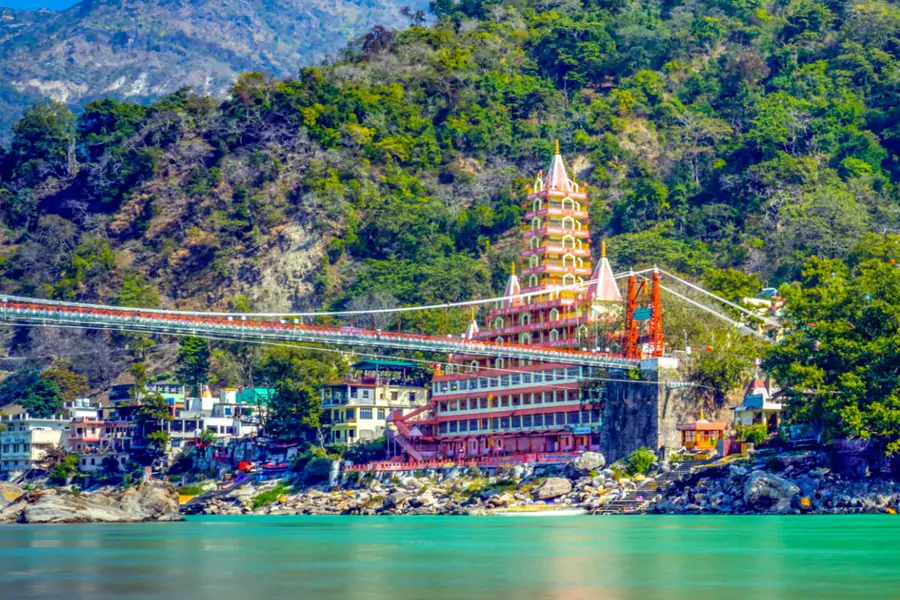
Rishikesh exists as spiritual laboratory where East meets West, tradition meets modernity, and commercialized spirituality intersects with genuine practice. The Ganga River flows through the city center, creating spiritual geography that Hindus have revered for millennia. Morning sounds—bells from temples, chanting, Sanskrit recitations—begin before sunrise.
Yoga here transcends exercise class into philosophical and physical system addressing life holistically. Serious practitioners remain for weeks or months in ashrams following disciplined schedules. Casual tourists sample yoga classes as tourist activity. Both approaches coexist without friction. The infrastructure accommodates seekers at all levels of commitment.
Beatles Ashram stands as cultural artifact—the location where the legendary band came seeking spiritual instruction in 1968, creating music (The White Album) subsequently influenced by this meditation period. The ashram remains abandoned now, walls covered in graffiti, yet retains energy recognizable by pilgrims of 1960s rock culture.
Laxman Jhula and Ram Jhula (suspension bridges crossing the Ganga) create iconic images. Crossing these swaying footbridges communicates something about releasing fear and surrendering to experience. Rafting down Ganga rapids provides grounding contrast to meditation practices—sudden physical intensity after hours of stillness.
Rishikesh appeals specifically to spiritual seekers, meditation practitioners, yoga students, and travelers explicitly seeking transformation. The city markets itself unambiguously as spiritual destination rather than conventional tourism. This transparency attracts appropriate travelers and repels those seeking beach leisure or historical monuments.
Understanding Foreign Tourist Patterns: Season, Motivation, and Demographics
Seasonal Travel Patterns
October through March defines peak season across nearly all Indian destinations. Winter brings comfortable temperatures, clear skies facilitating photography, and weather supportive of active touring. December alone records 1.06 million foreign arrivals—substantially exceeding other months. This seasonal concentration creates both opportunity and challenge. Peak-season visitors enjoy optimal conditions but contend with crowds. Accommodations become expensive. Monuments fill with international tourists. The Indian experience becomes mediated through translation, guided tours, and tourism infrastructure rather than direct encounter.
Shoulder seasons (April-May and September) offer advantages—fewer crowds, lower prices, and slower pace. Yet heat in North India (April-May) reaches uncomfortable intensity for those unaccustomed to extreme temperatures. June-August monsoon season brings rain, flooding, and infrastructure disruption. Yet this season also brings atmospheric transformation. Landscapes turn lush. Monuments stand fewer crowds. Prices drop substantially. Travelers seeking authentic India often deliberately visit during less-convenient seasons.
Tourist Motivation and Demographic Patterns
Survey data reveals distinct travel motivations. Forty-five percent travel for leisure, holidays, and recreation. Twenty-eight percent identify as Indian diaspora reconnecting with heritage. Just over 10% travel for business. These categories overlap and individual motivations prove more complex than statistical categorization suggests. The diaspora return traveler experiences India differently than the first-time leisure tourist. Business travelers often remain within corporate hotels, missing street-level India entirely.
Geographic origin shapes destination preference. American visitors (18.13% of foreign arrivals) and British visitors emphasize cultural monuments and spiritual destinations. Bangladeshi visitors (17.59%) primarily visit family and relatives. The COVID-19 pandemic impact on travel patterns persisted into 2025—Bangladesh arrivals never recovered to pre-2019 levels as regional tensions and economic factors shifted migration patterns.
The 2026 Forecast and Emerging Trends
The Pacific Asia Travel Association projects 7% compounded annual growth for Indian tourism in 2026. This forecast suggests recovery trajectory continuing from pandemic impacts. However, 2025's actual performance—a 12.4% decline in foreign arrivals April-September compared to 2024—complicates projections. Regional security incidents, climate concerns, and competition from Southeast Asian destinations aggressively pursuing visitor share create headwinds.
The e-Visa expansion to 166 countries removes procedural barriers to travel. Processing within 72 hours streamlines logistics substantially. Entry through 29 airports and 5 seaports multiplies arrival options. Yet visa facilitation alone cannot overcome preference shifts if travelers perceive other destinations offering better value, improved safety, or simpler logistics.
Vietnam's aggressive marketing and expanded e-visa policies attracted 15.4 million foreign tourists through September 2025—a 21% year-on-year increase—with ambitions reaching 26 million arrivals in 2026. Malaysia, Thailand, and even smaller destinations like Maldives aggressively pursue international tourism share. India's tourism growth, while positive, faces intensifying competition.
Practical Planning Guide: Timing, Transportation, and Tour Circuits
The Golden Triangle: India's Most Traveled Circuit
The Golden Triangle connecting Delhi-Agra-Jaipur forms the foundational Indian experience for most international travelers. This circuit requires approximately 5-7 days and covers India's three most iconic cities through a compact geographic route. Package tours start at approximately ₹14,700 per person for 4 days/3 nights, extending to ₹49,500+ for comprehensive packages including Rajasthan extensions.
The circuit's popularity stems from logical geography, established infrastructure, and concentrated attractions. However, this same popularity creates crowds and tourist bubble isolation. Travelers often complete the circuit without experiencing unscripted India. More adventurous visitors extend beyond the triangle into Rajasthan's secondary cities (Jodhpur, Udaipur, Jaisalmer), Kerala's backwaters, or Northeast destinations.
Optimal Timing Recommendations
October to March remains universally recommended for North Indian travel. November-December specifically offers the combination of festival season celebrations, comfortable weather, and manageable crowds. February brings extreme tourists but rewards with perfect sightseeing conditions. January benefits from holiday travel but sees prices peak.
Southern India (Kerala, Chennai, Tamil Nadu) remains pleasant October through April, extending slightly longer than North India's comfortable season. The Backwaters of Kerala, however, offer their distinct beauty during monsoon season (June-September) when rain transforms landscapes and prices plummet.
Transportation Considerations
India's domestic aviation network—served by Air India, IndiGo, SpiceJet, and other carriers—connects major cities efficiently. Trains offer alternative transport combining experience with movement. The Indian Railways network remains vast and functional, though overcrowding and delays characterize peak season travel. Luxury train experiences (Palace on Wheels, Maharajas' Express) offer curated comfort but command premium pricing.
Within cities, auto-rickshaws and taxis facilitate movement. Uber and local ride-sharing apps operate in major cities, reducing negotiation burden associated with traditional auto-rickshaws. Walking remains viable in many districts, though traffic and pollution require adaptation.
Beyond Statistics: The Real India Foreigners Encounter
Statistical analysis reveals where tourists concentrate geographically. Yet numbers fail capturing why India resonates so profoundly that travelers frequently extend stays, return years later, or experience life-changing perspectives. The true appeal emerges in moments between attractions—conversations with auto-rickshaw drivers, unexpected encounters with local hospitality, street food discoveries, and glimpses of daily life continuing regardless of tourism.
India resists tourism packaging. The country maintains essential authenticity regardless of visitor numbers. Markets function for locals first, tourists secondly. Temples serve active worship functions primarily, tourism accommodation secondarily. This refusal to fully capitulate to tourism expectations paradoxically makes India more appealing than destinations entirely reconstructed for visitor comfort.
Foreign travelers repeatedly describe India as transformative. Preconceptions shatter against reality. Assumptions dissolve encountering diversity and complexity. The country's contradictions—spiritual practices alongside overwhelming materialism, ancient traditions coexisting with cutting-edge technology, profound poverty adjacent to conspicuous wealth—create cognitive dissonance that travelers either grow to embrace or retreat from into tourism bubbles.
FAQ: Common Questions About Foreign Tourism in India
What Is The Best Time To Visit India As A Foreign Tourist?
October through March represents peak season, with December-February offering optimal conditions. Monsoon season (June-September) attracts fewer tourists, offers lower prices, and provides atmospheric beauty, though rain affects travel plans.
How Many Foreign Tourists Visit India Annually?
India received 9.95 million foreign tourists in 2024, a 4.52% increase from 2023. However, 2025 saw declines in certain periods. The tourism sector contributes approximately 5.22% to India's GDP.
What Is The Golden Triangle Tour?
The Golden Triangle connects Delhi, Agra, and Jaipur—India's three most iconic cities. This circuit requires 5-7 days and accommodates both luxury and budget travelers.
Is India Safe For Foreign Tourists?
India remains a popular destination attracting nearly 10 million foreign visitors annually. Standard travel precautions apply—awareness of surroundings, valuables security, and health precautions. Women travelers should exercise heightened awareness, particularly in crowded areas and after nightfall.
Which Cities Attract Most Foreign Tourists?
Delhi (37.7%), Mumbai (17.3%), Chennai (8.4%), Bengaluru (7.8%), and Cochin (3.7%) lead in foreign tourist arrivals. Secondary destinations like Jaipur, Agra, Varanasi, and Goa attract substantial international visitors.
What Visa Do Foreign Tourists Need?
Citizens of 166 countries can apply for India's e-Tourist Visa online, receiving approval within 72 hours. The e-Visa permits entry through 29 designated airports and 5 seaports. Processing fees range approximately $14-40 depending on stay duration.
Conclusion: India's Enduring Appeal for Global Travelers
India's appeal to foreign tourists extends beyond monuments and attractions into something more fundamental—the encounter with extreme human diversity, spiritual depth, and unfiltered reality. The country doesn't cater entirely to tourism expectations. It maintains essential authenticity regardless of visitor numbers.
The fifteen cities described in this guide represent primary tourist destinations, yet their statistical dominance obscures the reality that India's true magic emerges in secondary cities, rural encounters, and unplanned moments. Travelers frequently discover that their most meaningful experiences occurred outside established tourist circuits.
As India implements e-Visa expansion to 166 countries and positioning itself as a premier 20-million-tourist destination by 2028, the country faces balancing act—preserving the authenticity that attracts visitors while developing infrastructure accommodating increased arrivals. The tourism sector's projected 7% growth for 2026 suggests continued recovery from pandemic disruption.
For those considering visiting, the answer to "where do foreigners travel most in India" ultimately matters less than understanding why they travel there. India transforms travelers. Whether arriving seeking spiritual awakening, cultural immersion, architectural marvel, or simply adventure, most depart fundamentally altered. That transformation—the collision between expectation and reality, between tourism and authentic encounter—constitutes the true destination.
Recent Posts
 Amer Fort Boating 2026 Guide: Maota Lake Tickets & Timings
Discover Amer Fort’s new Maota Lake boating, updated 2026 ticket rates, timings, safety rules and best visiting months.
 Luxury Rajasthan Tour with Oberoi, Taj & Leela Hotels
Experience royal Rajasthan in comfort with Oberoi, Taj and Leela luxury palace stays.
 Luxury Tempo Traveller & Van Hire in India 2026 – Rates, Features & Booking
Enjoy luxury van hire in India for safe, comfortable family and group travel.
 Top 10 Vehicle Hire Companies in India for Tourists
Discover the top 10 vehicle hire companies in India offering safe, comfortable tourist travel.
 Delhi Agra Jaipur Tour by Luxury Car and Private Driver
Enjoy a Delhi Agra Jaipur tour with a luxury car, private driver and flexibility.
 Luxury Car and Driver for Comfortable Rajasthan Tour
Explore Rajasthan in comfort with a luxury car, private driver and flexible custom tour.
 Jaisalmer Travel Guide for Foreign Tourists: Best Time, Desert Tours & Tips
Plan your Jaisalmer trip with ideal seasons, desert tour packages and essential foreigner tips.
 Hidden Villages of Rajasthan: Offbeat Rural Experiences & Village Travel Guide
Hidden Villages of Rajasthan: Offbeat Rural Stays, Homestays & Authentic Village Life.
-
Amer Fort Boating 2026 Guide: Maota Lake Tickets & Timings
Discover Amer Fort’s new Maota Lake boating, updated 2026 ticket rates, timings, safety rules and best visiting months.
-
Luxury Rajasthan Tour with Oberoi, Taj & Leela Hotels
Experience royal Rajasthan in comfort with Oberoi, Taj and Leela luxury palace stays.
-
Luxury Tempo Traveller & Van Hire in India 2026 – Rates, Features & Booking
Enjoy luxury van hire in India for safe, comfortable family and group travel.
-
Top 10 Vehicle Hire Companies in India for Tourists
Discover the top 10 vehicle hire companies in India offering safe, comfortable tourist travel.
-
Delhi Agra Jaipur Tour by Luxury Car and Private Driver
Enjoy a Delhi Agra Jaipur tour with a luxury car, private driver and flexibility.
-
Luxury Car and Driver for Comfortable Rajasthan Tour
Explore Rajasthan in comfort with a luxury car, private driver and flexible custom tour.
-
Jaisalmer Travel Guide for Foreign Tourists: Best Time, Desert Tours & Tips
Plan your Jaisalmer trip with ideal seasons, desert tour packages and essential foreigner tips.
-
Hidden Villages of Rajasthan: Offbeat Rural Experiences & Village Travel Guide
Hidden Villages of Rajasthan: Offbeat Rural Stays, Homestays & Authentic Village Life.