Why Visit India’s Golden Triangle in 2026
Introduction
India’s Golden Triangle Tour is one of the most popular and practical ways to explore North India, especially if you want to experience a lot in a limited amount of time. The route links Delhi, Agra and Jaipur in a rough triangle on the map, taking you from the capital’s historic streets to the timeless beauty of the Taj Mahal and onward to the royal charm of Rajasthan’s Pink City. In 2026, better roads, more hotel options and smoother online ticketing systems make this classic circuit even more attractive for both first-time and repeat visitors.
What makes the Golden Triangle special is the sheer variety it packs into a single trip. In Delhi, you move between old bazaars and modern boulevards; in Agra, you step into the world of Mughal emperors; and in Jaipur, you climb hilltop forts and wander through colourful markets. The contrast between each stop keeps the journey exciting and prevents “monument fatigue,” even on busy sightseeing days. With thoughtful planning, you can balance famous landmarks, local food experiences and slower, more personal moments that allow you to absorb the atmosphere of each city.
This guide walks you through the essential reasons the Golden Triangle is worth visiting in 2026, shows you how to structure a 5–7 day itinerary, offers approximate cost ranges, highlights the best time to travel, and answers common questions about safety, logistics and comfort. Use it as a base template, then customise the details according to your own pace and interests.

What Is India’s Golden Triangle?
The “Golden Triangle” is the name given to the triangular route that connects Delhi, Agra and Jaipur. Delhi lies at the top, Agra to the southeast and Jaipur to the southwest, with good highways and rail links joining all three. Most travellers begin and end in Delhi because of its international airport and wide choice of transport connections. From there, they head to Agra to see the Taj Mahal and other Mughal monuments, then continue to Jaipur for forts, palaces and traditional markets, before looping back to Delhi.
Each city contributes something different to the journey. Delhi offers a mix of ancient sites and contemporary life, with layers of history from different dynasties visible in its streets and monuments. Agra centres around the Taj Mahal but also rewards visitors with the impressive Agra Fort and the atmospheric ruins of Fatehpur Sikri nearby. Jaipur, capital of Rajasthan, adds a distinctly royal flavour with its hilltop forts, city palaces and pink-painted facades. Together, they create a compact but diverse introduction to the region’s heritage.
Delhi – The Capital of Contrasts
Delhi is often your first stop on the Golden Triangle Tour, and it quickly shows you how many different faces India can have. In the old city, narrow lanes weave around mosques, temples and crowded markets selling everything from spices to wedding clothes. In New Delhi, wide avenues, embassies and public buildings sit among parks and modern shopping districts. This contrast is one of the reasons travellers find Delhi so fascinating, even if it can feel intense at first.
Major highlights include the Red Fort, Jama Masjid, Qutub Minar, Humayun’s Tomb and India Gate. A rickshaw ride through Chandni Chowk can be a memorable way to experience the older parts of the city, while evenings near Connaught Place or Lodhi Garden show a more relaxed, contemporary vibe. For many visitors, Delhi’s mix of food, history and everyday life sets the tone for the rest of the Golden Triangle journey.
Agra – Home of the Taj Mahal
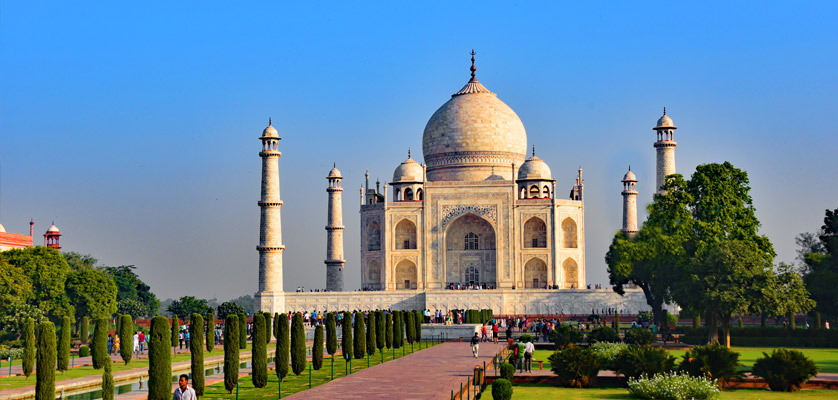
Agra’s main attraction needs little introduction: the Taj Mahal, a white marble mausoleum built by Emperor Shah Jahan in memory of his wife Mumtaz Mahal. Many travellers plan their schedule around sunrise or sunset visits to the Taj, when the changing light alters the colour and mood of the monument. Standing in front of it for the first time often feels more emotional and impressive than people expect, even if they have seen countless photos beforehand.
Beyond the Taj, Agra Fort offers sweeping city views and gives you a strong sense of Mughal power and architecture. The nearby abandoned city of Fatehpur Sikri, with its grand gateways and courtyards, adds another layer of history to your visit. Together, these sites show how Agra once functioned as an imperial capital and why it remains an essential part of any Golden Triangle itinerary.
Jaipur – The Pink City

Jaipur, known as the Pink City because of the colour of its old buildings, introduces you to Rajasthan’s royal past. The city is framed by hills and forts, with palaces, temples and markets filling the spaces in between. Amber Fort, set on a hill just outside Jaipur, is one of the most impressive stops on the route, with courtyards, halls of mirrors and views over the surrounding landscape. Inside the city, the City Palace complex and Jantar Mantar observatory provide further insight into the lives and interests of the region’s rulers.
Jaipur’s markets are another highlight. Here you can browse textiles, jewellery, block-printed fabrics, blue pottery and more, whether you are seriously shopping or simply enjoying the colours and atmosphere. Many travellers find that the pace in Jaipur feels a little more relaxed than in Delhi, making it a pleasant place to slow down at the end of a busy tour.
Why the Golden Triangle Is Worth Visiting in 2026
There are many reasons the Golden Triangle remains such a strong choice for 2026. The following numbered list sums up the main benefits in a clear format you can quickly scan while planning.
- Efficient Introduction to North India: In under a week, you can visit three very different cities and several world-famous landmarks without needing internal flights.
- Improved Infrastructure: Highways have become better over time, and there are multiple train and transport options that make travelling between cities smoother and faster.
- Wide Range of Accommodation: From budget guesthouses to luxury heritage hotels, each city on the circuit offers plenty of places to stay, letting you match comfort to your budget.
- Rich Cultural Variety: The move from Delhi’s capital feel to Agra’s Mughal focus and Jaipur’s royal Rajasthani atmosphere keeps the trip interesting from start to finish.
- Great Food Experiences: Street food, traditional thalis, sweets and café culture all show up along the way, allowing you to sample many different flavours.
- Flexible Itinerary Length: You can adapt the route for 4, 5, 6 or 7 days depending on how fast or slow you want to travel and how deeply you want to explore.
- Good for Different Traveller Types: Solo visitors, couples, families and older travellers can all enjoy the Golden Triangle with the right pacing and support.
- Easy to Extend: From Jaipur or Delhi, it is simple to add extra stops like Ranthambore National Park, Pushkar, Udaipur or other parts of Rajasthan if you have more time.
- Strong Photo Opportunities: Historic buildings, colourful streets and lively markets make this route particularly rewarding for photography and video.
- Well-Supported by Local Services: Because the Golden Triangle is so established, it is easy to find guides, drivers and tour operators who know the route well.

Sample 5–7 Day Golden Triangle Itinerary
The table below outlines a flexible itinerary that works for many travellers. You can shorten or extend individual stays according to your own schedule.
| Day | Location | Main Activities | Approx. Travel Time |
|---|---|---|---|
| Day 1 | Delhi | Arrive, settle in, evening visit to India Gate or a nearby market | Airport to hotel: 30–90 minutes |
| Day 2 | Delhi | Old Delhi and New Delhi sights, such as Red Fort, Jama Masjid, Chandni Chowk, Qutub Minar and Humayun’s Tomb | Local city travel only |
| Day 3 | Delhi → Agra | Drive to Agra, visit Agra Fort and Mehtab Bagh for sunset views of the Taj Mahal | 3–4 hours by expressway |
| Day 4 | Agra → Jaipur | Sunrise visit to the Taj Mahal, then travel to Jaipur with an optional stop at Fatehpur Sikri | 4–6 hours by road with stops |
| Day 5 | Jaipur | Amber Fort, City Palace, Jantar Mantar and photo stop at Hawa Mahal | Local city travel only |
| Day 6 | Jaipur | Optional: Nahargarh or Jaigarh Fort, museums, cafés and shopping in local markets | Local city travel only |
| Day 7 | Jaipur → Delhi / onward | Return to Delhi for departure or continue to another destination | 5–6 hours by road |
Approximate Costs for Different Budgets
Exact costs depend on your travel dates, hotel choices and how many activities you include, but the table below gives general price bands for a 5–7 day Golden Triangle Tour per person when sharing a room, excluding international flights.
| Budget Level | Accommodation | Trip Length | Approx. Cost per Person (INR) |
|---|---|---|---|
| Budget | Basic hotels, guesthouses or hostels | 5–6 days | ₹15,000 – ₹25,000 |
| Mid-range | Comfortable 3–4 star hotels | 5–7 days | ₹25,000 – ₹40,000 |
| Premium / Luxury | High-end 4–5 star or heritage properties | 6–7 days | ₹40,000 – ₹70,000+ |

Best Time to Visit and What to Pack
The most comfortable time for a Golden Triangle Tour is usually from October to March, when daytime temperatures are milder and outdoor sightseeing is easier. December and January can be cooler, especially in the mornings and evenings, and occasional fog may affect early transport. April to June brings high heat, which can be challenging for long days outside but sometimes offers better hotel deals. July to September is the monsoon period, with rain showers that cool things down but can make roads wet and humid.
For clothing, light, breathable fabrics that cover your shoulders and knees are a good choice, particularly when visiting religious sites. Add a light jacket or shawl for winter evenings and over-air-conditioned spaces. Comfortable walking shoes are essential because you will spend a lot of time moving around in large complexes like forts and palace grounds. Sunglasses, a hat and sunscreen help protect you from strong sunlight, and a reusable water bottle is useful for staying hydrated on the go.

Hidden Details and Less Obvious Highlights
While the major monuments are the main focus for most travellers, some of the best Golden Triangle memories come from smaller, less obvious moments. In Delhi, you might discover a quiet courtyard or old stepwell just a short walk away from a busy street. In Agra, watching the Taj Mahal from a riverside garden instead of the main platform can give you a calmer perspective. In Jaipur, exploring residential lanes and small artisan workshops can reveal everyday life behind the postcard images.
These details are easy to miss in a very rushed itinerary, which is why adding even one extra day to the standard minimum can make the journey feel more relaxed and rewarding. Leaving small gaps in your schedule also gives you the flexibility to follow local recommendations from guides, drivers or hosts, who often know viewpoints and cafés that do not appear in standard brochures.

Frequently Asked Questions
How many days should I plan for the Golden Triangle Tour?
A comfortable plan is usually 5 to 7 days. Five days allows you to see main highlights in each city, while seven days gives you more time for slower exploration, shopping and rest between travel days.
Is the Golden Triangle Tour suitable for first-time visitors to India?
Yes, the Golden Triangle is one of the most suitable routes for first-time visitors because the infrastructure is strong, there are plenty of accommodation options and many locals are used to helping tourists. With basic travel precautions, most people find it manageable and rewarding.
Can I travel independently, or do I need to join a guided tour?
Both options are possible. Independent travellers can use trains and taxis and book hotels online, while those who prefer less logistics can choose a guided tour or hire a private car and driver for the entire route. Your choice depends on your comfort with planning and navigation.
What is the best way to move between Delhi, Agra and Jaipur?
The two most common options are a private car with driver or intercity trains. A private car offers door-to-door convenience and flexibility for photo stops, while trains can be comfortable and cost-effective if you book in advance.
Should I book tickets for major monuments beforehand?
Booking ahead is a good idea during popular travel seasons, especially for the Taj Mahal. Online ticketing systems help you avoid long queues and sometimes let you choose preferred time windows for your visit.
Is the Golden Triangle suitable for families and older travellers?
Yes, many families and older travellers enjoy this route. Choosing centrally located hotels, pacing the itinerary sensibly, and using comfortable transport makes it a practical option. It is wise to avoid extremely early starts and overly tight schedules if you are travelling with children or seniors.
Conclusion
The Golden Triangle Tour continues to be one of the most compelling ways to experience North India in a single itinerary. By combining Delhi’s layered history, Agra’s world-famous monuments and Jaipur’s royal charm, it offers a balanced view of the region’s past and present. In 2026, a growing range of accommodation, improved transport links and easier information access make planning and enjoying this route simpler than ever.
If you have been thinking about visiting India but are not sure where to start, the Golden Triangle is an excellent first step. Decide how many days you can spend, choose a season that suits your comfort level, and then shape an itinerary that matches your interests. With thoughtful preparation, this classic circuit can deliver exactly what you hope for from a trip to India: iconic sights, memorable meals, meaningful encounters and stories you will be telling long after you return home.
Recent Posts
 Amer Fort Boating 2026 Guide: Maota Lake Tickets & Timings
Discover Amer Fort’s new Maota Lake boating, updated 2026 ticket rates, timings, safety rules and best visiting months.
 Luxury Rajasthan Tour with Oberoi, Taj & Leela Hotels
Experience royal Rajasthan in comfort with Oberoi, Taj and Leela luxury palace stays.
 Luxury Tempo Traveller & Van Hire in India 2026 – Rates, Features & Booking
Enjoy luxury van hire in India for safe, comfortable family and group travel.
 Top 10 Vehicle Hire Companies in India for Tourists
Discover the top 10 vehicle hire companies in India offering safe, comfortable tourist travel.
 Delhi Agra Jaipur Tour by Luxury Car and Private Driver
Enjoy a Delhi Agra Jaipur tour with a luxury car, private driver and flexibility.
 Luxury Car and Driver for Comfortable Rajasthan Tour
Explore Rajasthan in comfort with a luxury car, private driver and flexible custom tour.
 Jaisalmer Travel Guide for Foreign Tourists: Best Time, Desert Tours & Tips
Plan your Jaisalmer trip with ideal seasons, desert tour packages and essential foreigner tips.
 Hidden Villages of Rajasthan: Offbeat Rural Experiences & Village Travel Guide
Hidden Villages of Rajasthan: Offbeat Rural Stays, Homestays & Authentic Village Life.
-
Amer Fort Boating 2026 Guide: Maota Lake Tickets & Timings
Discover Amer Fort’s new Maota Lake boating, updated 2026 ticket rates, timings, safety rules and best visiting months.
-
Luxury Rajasthan Tour with Oberoi, Taj & Leela Hotels
Experience royal Rajasthan in comfort with Oberoi, Taj and Leela luxury palace stays.
-
Luxury Tempo Traveller & Van Hire in India 2026 – Rates, Features & Booking
Enjoy luxury van hire in India for safe, comfortable family and group travel.
-
Top 10 Vehicle Hire Companies in India for Tourists
Discover the top 10 vehicle hire companies in India offering safe, comfortable tourist travel.
-
Delhi Agra Jaipur Tour by Luxury Car and Private Driver
Enjoy a Delhi Agra Jaipur tour with a luxury car, private driver and flexibility.
-
Luxury Car and Driver for Comfortable Rajasthan Tour
Explore Rajasthan in comfort with a luxury car, private driver and flexible custom tour.
-
Jaisalmer Travel Guide for Foreign Tourists: Best Time, Desert Tours & Tips
Plan your Jaisalmer trip with ideal seasons, desert tour packages and essential foreigner tips.
-
Hidden Villages of Rajasthan: Offbeat Rural Experiences & Village Travel Guide
Hidden Villages of Rajasthan: Offbeat Rural Stays, Homestays & Authentic Village Life.