Jaipur Shopping Tour 2026 – Guided Bazaars, Jewellery, Textiles and Handicrafts
Mention Jaipur in front of a regular traveller and the same checklist usually pops up instantly – Amber Fort in the morning, that classic Hawa Mahal photo from the road, a stroll through City Palace and maybe a heavy Rajasthani thali before sunset. All of that is totally worth doing, but anyone who has actually lingered in the city for more than a rushed day trip will tell you there’s another side to Jaipur that sticks with you just as strongly: the markets. A proper Jaipur shopping tour is not just a mission to stuff your bags. It’s slow wandering through old lanes, short chats with shopkeepers who have seen generations pass by, fingers running over real fabric instead of mall polyester, and tiny moments where you suddenly feel part of an old trading story that somehow survived into 2026.
Right now the bazaars are as noisy and colourful as ever, but the people walking through them have changed. Travellers are a lot more curious and a lot less patient with random tourist traps. They want to know which block‑printed quilts are actually coming from traditional printing clusters, which jewellery stores locals recommend when they’re shopping for weddings, and where they can buy handicrafts that were genuinely made by an artisan who lives somewhere nearby. That’s exactly the gap a guided Jaipur shopping tour fills. Instead of you guessing from Google Maps pins and pretty signboards, someone who knows these lanes for real helps you hit the good pockets directly, saves hours of trial and error, and turns the whole day into an easy cultural walk rather than a sweaty, confused battle with traffic and shopfronts.
This guide has been written the way you’d explain things to a cousin or friend who messages, “I’m coming to Jaipur for two days, bata na kya karun.” No brochure language, no drama, just a clear picture of how a full day of shopping can flow if you do it properly. If you run a travel website or a local tour company, you can also treat this as a ready base for your own Jaipur shopping tour page – tweak the timings, add your pickup details, plug in your own photos – but keep the tone real and friendly.
We’ll walk through the main bazaars that actually matter, the kind of jewellery, textiles and handicrafts people usually end up loving, a couple of sample full‑day plans you can literally copy, and small, practical tips that save you from common mistakes and awkward bargaining moments. By the time you reach the end, you should have a very clear mental picture of a Jaipur shopping tour that mixes jewellery lanes, fabric markets, handicraft corners and everyday street life in a way that feels natural, manageable and honestly pretty fun.

Why a guided Jaipur shopping tour makes sense in 2026
On paper, it might look simple: reach the old city, walk into a market, and start buying. In reality, Jaipur’s bazaars are dense, layered and full of options. There are government emporiums, tiny family shops, trendy boutiques, street stalls and hidden workshops, all mixed together in a maze of lanes. Without a local to anchor the day, you can spend hours just figuring out where to go, which shop to trust, and whether you’re paying a fair price.
A guided Jaipur shopping tour solves these problems in one shot. You get picked up from your hotel, driven directly into the heart of the action, and dropped at carefully chosen spots that match your interests. Instead of randomly walking into twenty shops, you might enter five or six that are actually worth your time. You still have full freedom to say yes, no, or “I’ll think about it”, but you are not starting from zero every time you enter a new lane.
Another big reason a guided tour works well in 2026 is how shopping trends have evolved. Many travellers now prefer meaningful purchases over quantity. They want to know whether a block‑printed bedsheet was really hand‑printed, whether a leather bag was made in Jaipur, or whether a piece of silver jewellery actually matches the description. Local guides and drivers who work in this space every day know which workshops, boutiques and bazaar lanes maintain consistent quality and which ones are more tourist‑oriented.
Comfort also matters. Jaipur summers can be hot, winters can be cold in the mornings and evenings, and the bazaars are not exactly quiet places. A private car with air‑conditioning and a driver you know by name makes a huge difference. You can rest between markets, leave your bags in the car, have water whenever you like, and avoid walking long distances in heavy traffic just to get from one bazaar to another.
Who benefits the most from a guided tour
- First‑time visitors to Jaipur who want to see as much as possible in a short time.
- Travellers who feel nervous dealing with bargaining, pricing and shop selection alone.
- Families with kids or seniors who want comfort, shade and easy pick‑up and drop.
- Solo travellers who like having a local contact for safety and practical help.
- Photographers and creators who want to focus on visuals rather than logistics.
If you fall into any of these groups, a full‑day Jaipur shopping tour with a local driver and flexible schedule is usually a better option than trying to piece everything together yourself, especially if you’re only here for one or two days.
How a full‑day Jaipur shopping tour usually runs
While each company designs routes differently, most well‑planned Jaipur shopping tours follow a similar flow: start with jewellery and textiles when your energy is fresh, break for food, then move into handicrafts, home decor and lighter browsing in the afternoon. You’re not locked into a fixed timetable, but having a natural progression keeps the day smooth.
Morning pick‑up and first bazaar stop
Your driver typically picks you up from your hotel between 9:00 and 9:30 in the morning. If you’ve already spoken the previous evening or over WhatsApp, you would have confirmed your pickup time, interests and any special requests. From there, you head straight into the old city or main market area, depending on where you’re staying.
Many tours start with jewellery, especially if you’ve mentioned any interest in gemstones or traditional pieces. The driver may take you to Johari Bazaar or a trusted jewellery district nearby, where you can browse different shops, see polki, Kundan and Meenakari work, and understand how pricing changes with material, weight and design. Starting with jewellery early in the day helps because your mind is fresher, shops are calmer, and you can take your time to ask questions.
If jewellery is not your priority, the tour can start in a textile‑heavy bazaar like Bapu Bazaar or a block‑print showroom in or near the city. The idea is to start with your main interest so you’re not rushed later. Once the first big category is done, you can move on to the others at a more relaxed pace.
Late morning: textiles, fabrics and clothing
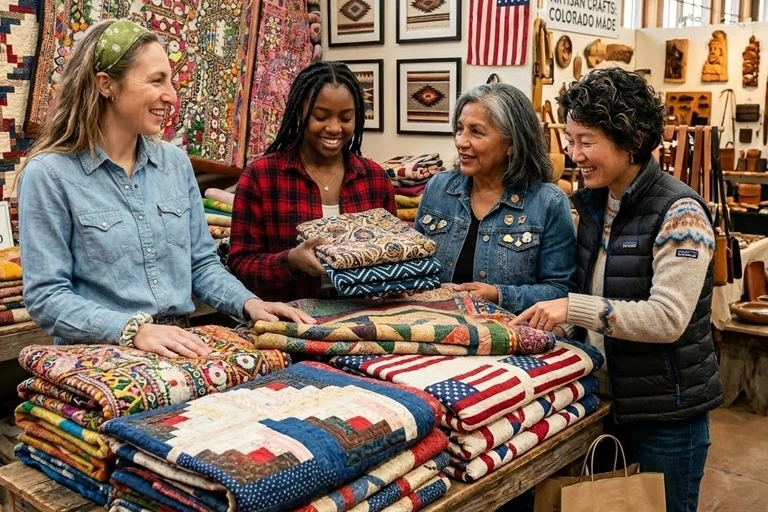
Textiles are one of Jaipur’s strongest points. This includes everything from cotton kurtas and bedsheets to silk dupattas, sarees, quilts and tablecloths. A good guide or driver will help you differentiate between hand‑block prints, screen‑prints and machine prints, and may even arrange a short visit to a block‑printing studio where you can see the process in action.
In the main markets, you’ll see Bapu Bazaar and its neighbouring lanes packed with stacks of fabrics in different colours and motifs. You can buy ready‑made clothing, dress materials, or even just fabric to get stitched later at home. Shopkeepers are usually happy to pull out multiple designs and spread them on the counter for you to compare. If you tell them you’re travelling and don’t have much space, they may suggest lighter options that pack down easily.
Bargaining is part of the fun here, as long as you keep it friendly. Your driver can often give you a rough idea of fair starting ranges so you don’t feel completely lost. The key is to stay relaxed and treat the negotiation like part of the market experience, not a fight you have to “win”.
Lunch break and route adjustment
Once you’ve covered a couple of major categories, it’s usually time for a break. Around early afternoon, most tours pause for lunch at a local restaurant or café. There’s no hard rule about where you must eat — it can be a casual thali place, a rooftop restaurant with a view, or a vegetarian family joint depending on your preference.
This break is a good time to regroup and look at what you’ve already bought. Maybe you tried on a saree but didn’t buy it because you were unsure, or you noticed a specific kind of quilt that you can’t stop thinking about. During lunch, you can talk with your driver about what you still want and what you’re done with. That helps shape the second half of the day so it matches your actual mood and not just a fixed, rigid route.
Afternoon: handicrafts, blue pottery and decor
After lunch, most tours move toward handicrafts and decor pieces. This is where Jaipur really begins to feel like a living museum of craft traditions. You might visit areas known for:
- Blue pottery – bowls, plates, mugs, tiles and decor pieces in blue, green and white shades.
- Brass and metalware – traditional lamps, utensils, figurines and temple decor pieces.
- Wooden decor – carvings, jharokha‑style wall hangings, small trunks and jewellery boxes.
- Miniature paintings – especially Rajasthani or Mughal‑inspired works, sometimes on old paper or treated boards.
Some tours also include carefully chosen factory or workshop visits where you can see artisans making carpets, blue pottery or printed textiles. These places give you a deeper appreciation for the work you see in shops and can help you feel more confident about what you eventually decide to buy. The goal is not to push you into bulk purchases, but to give you context so each piece has a story attached.
Evening: last‑minute shopping and hotel drop
By late afternoon or early evening, you’re usually reaching the last part of your Jaipur shopping tour. This is the time for final decisions, second looks and last‑minute bargain finds. Maybe you go back to a particular lane for a piece you left behind earlier, or you stop at one final shop for mojris, bags or small gifts.
Once you’re done, the driver drops you back at your hotel or another agreed location. You step out with a car full of bags, slightly tired feet and a head full of colours, stories and conversations. Most travellers describe the day as intense but rewarding — something they would happily recommend to friends who are planning a trip to Jaipur.
Major Jaipur bazaars you’ll likely cover
One of the best parts of a Jaipur shopping tour is the variety of bazaars you get to see in a single day. Each market has its own personality, specialities and pace. Some are busier and tourist‑friendly; others feel more local and laid‑back. Here’s a closer look at a few big ones that usually make it into a full‑day shopping circuit.
Johari Bazaar – for jewellery and gemstones
Johari Bazaar is almost always on the list. This is Jaipur’s classic jewellery market, a long stretch packed with jewellers ranging from tiny family stores to large showrooms. You’ll see Kundan, Meenakari, polki, diamonds, silver pieces and more. Some shops focus on heavy bridal sets; others carry lighter, more wearable designs for everyday use or gifting.
Even if you’re not buying jewellery, Johari Bazaar is worth visiting just to watch the action. Shops are full of glittering display trays, jewellers pull out velvet boxes one after another, and customers sit calmly while staff place different necklaces and earrings on velvet stands for comparison. The whole scene feels like a slice of old‑school Indian market life, still going strong in 2026.
Bapu Bazaar – for textiles and casual clothing
Bapu Bazaar is Jaipur’s textile heartbeat. If you’re into fabrics, this market is where you’ll likely lose track of time. The walls are covered with folded cotton kurtas, bedsheets, quilts, dupattas, stoles and dress materials in all kinds of block prints and patterns. You’ll see Bandhej and Bandhani, Bagru and Sanganeri prints, vegetable‑dyed fabrics, and more modern takes on traditional designs.
This is a great place to pick up:
- Light cotton kurtas for everyday wear or as gifts.
- Hand‑block printed bedsheets and dohars.
- Scarves, stoles and dupattas that bring a hint of Jaipur to any outfit.
- Quilts that are surprisingly warm but still lightweight for travel.
Because this market is busy, having a driver who knows exactly where to park and which streets to start with saves you time and patience. You can hop out at one end, walk through a cluster of well‑chosen shops and meet your car again at another end without worrying about directions.
Tripolia Bazaar – for bangles and brass
Tripolia Bazaar is known for its lac bangles, brass items and traditional accessories. In the famous Maniharon ka Rasta lane, you can see lac bangles in every possible colour combination, some plain, others studded with glittering stones or mirrors. It’s a popular area for brides and families shopping for weddings, but it’s also fun for casual visitors who just want a few bangles or small accessories.
You’ll also find brassware, puja items, traditional metal pieces and sometimes small antiques or vintage‑looking items. The vibe in Tripolia can feel more local than touristy, especially in the inner lanes, which makes it a beautiful place to observe how Jaipur residents actually shop for festivals and daily rituals.
Kishanpole and Chandpole – for handicrafts and woodwork
Kishanpole and Chandpole areas are strong for handicrafts and woodwork. Think carved wooden furniture, smaller trunks, jharokha‑inspired wall decor, frames, boxes and sometimes marble pieces. Many artisans here have been working in these lanes for generations, and some of the shops still display photos of parents and grandparents at work.
These markets are perfect if you want to bring back a piece of Jaipur into your home decor without going overboard. You’ll find:
- Small carved wooden boxes and trays.
- Wall hangings and mirrors with Rajasthani designs.
- Compact sculptures and figurines that fit in a backpack.
- Occasional marble or mixed‑material decor pieces.
Even if you don’t buy anything large, walking these lanes gives you a strong feel of Jaipur’s craft culture beyond the usual picture‑postcard sights.
What you can buy: jewellery, textiles, handicrafts and more
Now let’s talk in a more focused way about what you can actually buy on a Jaipur shopping tour, depending on your budget and preferences. Not everyone needs to come back with a suitcase full of items; even a few well‑chosen pieces can feel special if you know what you’re looking at.
Jewellery and gemstones
Jaipur is one of India’s major jewellery hubs, especially for coloured gemstones and traditional Rajasthani styles. Common categories include:
- Kundan and Meenakari bridal sets and heavy jewellery.
- Polki designs for weddings and festivals.
- Classic silver jewellery, including rings, bangles, earrings and neckpieces.
- Modern fusion pieces that mix traditional motifs with contemporary styling.
- Loose gemstones and semi‑precious stones in different sizes and colours.
If you’re serious about jewellery, it’s important to stick to reputable shops. Your tour driver or guide will usually have contacts with long‑standing, trusted stores where bills, certifications and quality are taken seriously. That doesn’t mean you have to buy something expensive; it just means you have better protection if you do decide to invest money in a special piece.
Textiles, block prints and clothing
Textiles are where most travellers happily go a little overboard — in a good way. With so many prints, materials and price points, it’s easy to find something that matches both your taste and your budget. Popular picks include:
- Hand‑block printed bedsheets and quilts.
- Bandhani and Bandhej sarees and dupattas.
- Cotton kurtas, shirts and dresses.
- Table runners, cushion covers and curtains with Rajasthani motifs.
When you’re buying textiles, try to pay attention to how the fabric feels. Natural cotton usually feels breathable and soft, while synthetic blends might be smoother but less comfortable in heat. Hand‑printed fabrics may show tiny variations in pattern, which is part of their charm and proof that they weren’t made by a giant machine.
Handicrafts and home decor
This is where your Jaipur shopping tour really becomes personal. Home decor and handicrafts let you bring small pieces of the city’s culture into your living space. Depending on your luggage and budget, you can look at:
- Blue pottery bowls, mugs, plates and tiles.
- Brass diyas, bells, figurines and puja items.
- Wooden boxes, carved frames, and wall art.
- Miniature paintings on paper, silk or board.
- Marble coasters, candle stands or inlay work items.
Many travellers like to pick a colour theme and shop within that. For example, you might choose one room in your home and buy a set of coordinated blue pottery items for it. Or you might decide to decorate a wall and bring back a combination of miniature paintings and carved frames. A guided tour makes these ideas easier to execute because you can explain your vision to the driver and let him take you to places that fit.
Footwear, bags and small accessories
Jaipur is also known for leather mojris (traditional footwear), handbags and small accessories like keychains, pouches and wallets. These items are perfect if you want practical souvenirs or small gifts that don’t weigh much. You’ll find:
- Colourful mojris and juttis with embroidery or mirror work.
- Leather handbags, sling bags and office bags.
- Wallets, card holders and laptop sleeves.
- Fabric bags with block prints or patchwork.
Footwear sizes can vary slightly from brand to brand, so it’s worth trying shoes on properly instead of rushing. If you’re planning to wear mojris for long hours, look for pairs with softer soles or at least add cushioning afterwards.
Guided tour vs exploring alone – quick comparison
To help you decide whether you should book a proper Jaipur shopping tour or explore on your own, here’s a simple comparison of the overall experience.
| Aspect | Guided Jaipur Shopping Tour | Self‑Guided Shopping |
|---|---|---|
| Navigation | Driver handles routes, parking and bazaar entry points. | You manage maps, directions and parking on your own. |
| Shop Selection | Pre‑filtered, trusted shops and workshops. | Trial and error; higher chance of touristy stops. |
| Time Efficiency | More markets covered in one day with less stress. | Extra time spent figuring out where to go next. |
| Bargaining Support | Driver can hint fair ranges and help informally. | You rely on your own judgement and experience. |
| Comfort | Private AC car, space for bags, flexible breaks. | Mix of walking, autos and cabs, often in heat or dust. |
| Local Insights | Stories about crafts, artisans and market history. | Limited to what you can observe or quickly research. |
If your time is limited or you’re travelling with family, the guided option usually feels smoother and far less tiring. If you’re on an extended stay and enjoy wandering without an agenda, self‑guided exploration can also be fun, but it will rarely be as efficient in a single day.
Practical tips to make your Jaipur shopping tour easier
A few small strategies can completely change how your day feels. Most of them are simple common sense, but when you’re excited and surrounded by new experiences, it helps to have them in mind.
Set a rough budget and priority list
Before you even leave the hotel, think about your absolute top three priorities. Maybe it’s a quilt, a silver bracelet and a few small gifts. Maybe it’s one strong jewellery piece and some fabrics. Share this list with your driver or guide so they can focus on the right categories first. That way, if you get tired by late afternoon, you’ve already taken care of what really mattered.
Learn simple bargaining etiquette
Bargaining in Jaipur is normal, and most shopkeepers expect some negotiation. The goal is to keep it respectful and light. A simple approach is:
- Ask the price.
- Offer around 25–30 percent lower if it’s a street or bazaar shop.
- Smile, keep it friendly, and don’t take it personally if the shopkeeper insists on a higher number.
- If it doesn’t feel right, say thank you and walk away politely.
If your driver gently shakes his head or smiles at a quoted price, that’s often a silent hint that you can do better elsewhere or that you should bargain a bit more.
Carry a day bag and basics
A small backpack or tote makes life easier. Keep your wallet, phone, water bottle, sunscreen, a light scarf and any small essentials in it. You can leave heavier shopping bags in the car each time you return between markets instead of carrying everything on your shoulder all day.
Give yourself permission to say no
With so many beautiful items around, it’s easy to feel guilty about not buying from every enthusiastic seller who shows you their work. Remember that browsing is allowed. You can appreciate the craft, ask questions and still walk away without buying. A good driver and good shops will respect that you’re there to choose carefully, not just buy blindly.
Sample full‑day Jaipur shopping tour itinerary
To help you visualize your day, here’s a simple example of how a Jaipur shopping tour can be structured. You don’t have to follow it exactly, but it gives you a realistic picture of timing and flow.
Morning (9:00 am – 12:30 pm)
- 9:00 am – Pick‑up from hotel and drive towards the old city.
- 9:30 am – Reach Johari Bazaar for jewellery browsing and buying.
- 10:45 am – Move towards Bapu Bazaar for textiles and fabrics.
- 12:15 pm – Wrap up initial textile shopping and head to lunch stop.
Afternoon (12:30 pm – 4:30 pm)
- 12:30 pm – Lunch at a local restaurant or café.
- 1:30 pm – Visit blue pottery or handicraft workshop/showroom.
- 2:30 pm – Explore Tripolia Bazaar for bangles, brass items and accessories.
- 3:45 pm – Head to Kishanpole or Chandpole for woodwork and home decor pieces.
Evening (4:30 pm – 6:30 pm)
- 4:30 pm – Final short stop for mojris, bags or last‑minute gifts.
- 5:30 pm – Drive back towards your hotel, sorting and packing purchases in the car.
- 6:00–6:30 pm – Drop‑off at hotel with your shopping completed for the day.
You can tweak this flow depending on what you like most. If you realise halfway that textiles are your weak spot and you want more time among fabrics, your driver can shift the schedule a bit and shorten some later stops.
FAQ – Jaipur Shopping Tour 2026
Is one full day enough for a Jaipur shopping tour?
For most travellers, one full day is enough to cover the key bazaars and main categories like jewellery, textiles and handicrafts, as long as the tour is well‑planned. You won’t see every single market in Jaipur, but you’ll get a solid, satisfying experience without feeling rushed to the point of exhaustion.
Which areas are best for first‑time visitors?
A classic first‑timer circuit includes Johari Bazaar for jewellery, Bapu Bazaar for textiles, Tripolia Bazaar for bangles and brass items, and a handicraft‑heavy area like Kishanpole or Chandpole for home decor. Together, they give you a nice cross‑section of what Jaipur is famous for.
Can I combine sightseeing and shopping in one day?
It is possible, but you should be realistic. If you want to do in‑depth shopping and detailed fort or palace visits in the same day, it can become hectic. A better approach is to keep one day more focused on sightseeing and another primarily for shopping, or at least clearly decide which one is the priority for that particular day.
Do shops accept card payments or UPI?
Many established shops in Jaipur now accept card payments and common digital payment methods, especially for larger purchases. Still, it’s wise to carry some cash for smaller stores, street‑side purchases and tips, as not every single vendor will have a digital setup or want to use it for low‑value sales.
Is bargaining expected in Jaipur markets?
Yes, in most bazaars and non‑fixed price shops, bargaining is expected and very normal. Government emporiums and clearly labelled fixed‑price boutiques are usually exceptions. A friendly negotiation, where both sides smile and meet somewhere in the middle, is part of the Jaipur market experience.
What should I wear for a full‑day shopping tour?
Comfort is key. Light, breathable clothes in neutral or soft colours work best because markets can be dusty and warm. Closed shoes or comfortable sandals help when you’re walking uneven lanes. A hat, sunglasses and a small scarf can be very useful in summer, while a light jacket may be handy in winter mornings and evenings.
Is it safe to carry a camera and phone around the bazaars?
Jaipur’s main markets are busy but generally safe if you use basic common sense. Keep your phone and camera secure with straps, avoid leaving bags unattended, and use zipped pockets or money belts for cash and cards. If you’re with a driver or guide, you also have the option to leave some items in the car between stops.
Can I ship larger purchases back home?
Many bigger shops that deal in carpets, furniture or bulk handicrafts offer shipping services, either directly or via partner couriers. If you’re considering this, take time to discuss packing, insurance and estimated delivery times in detail before paying. For most regular items like textiles and small decor pieces, people usually pack them in luggage instead of shipping.
What time of year is best for a Jaipur shopping tour?
Shopping is technically possible all year round, but October to March generally feels the most comfortable in terms of weather. Summers can be very hot, so if you’re visiting from April to June, it’s better to start earlier in the day, take more breaks and use a well‑air‑conditioned vehicle.
Do I need to book a shopping tour in advance?
Booking in advance is always a good idea, especially in peak travel seasons and during festivals when Jaipur gets busy. It ensures that a car and driver are reserved for you, and it also allows your tour operator or driver to understand your interests early and plan the most suitable route for the day.