Royal Luxury Redefined: Complete Guide to Oberoi, Taj & Leela Palace Hotels in Rajasthan
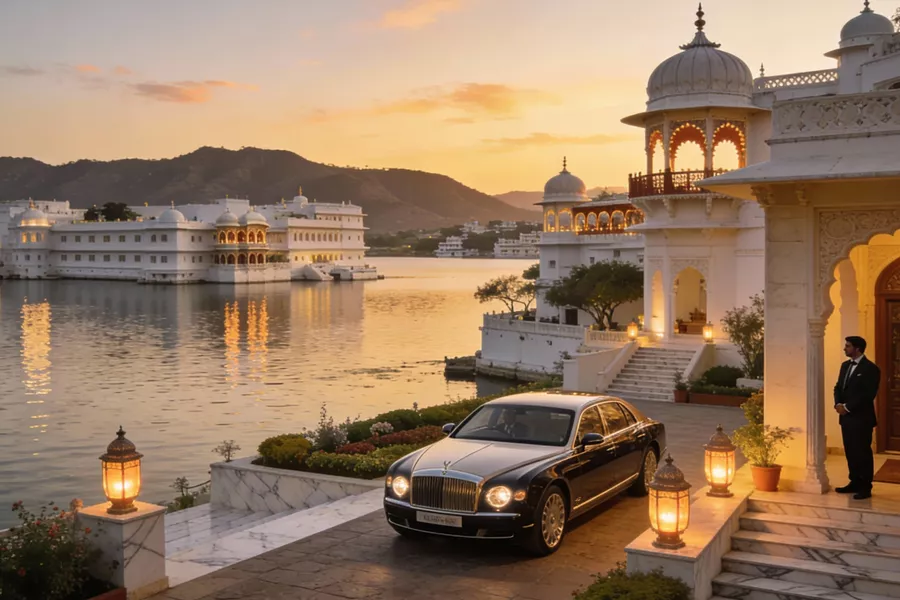
Look, planning Rajasthan with Oberoi, Taj, Leela? Not about monuments only. It's way bigger than that.
You know what I always say – it's experiencing royal India but with comfort you'd actually want, not some stuffy formal thing where you can't relax properly because everything feels too precious to touch or enjoy naturally.
These hotel brands change everything. Standard sightseeing becomes living history. Sleep in palace-like rooms. Dine under chandeliers. Wake up to fort views or serene lakes, serene lakes that honestly make you forget you're on vacation schedule.
One Mumbai family at Udaivilas told me they spent entire second day just at pool because hotel itself felt like the destination. Delhi couple last month? Same story at Taj Lake Palace. Bangalore group at Oberoi Rajvilas didn't even visit city one afternoon – just stayed for spa and gardens.
Ever wonder why people book longer stays at fewer properties instead of rushing around? That's exactly why.
This guide uses real traveler stories, expert opinions, what's actually open in 2025-2026. Should help you figure out itinerary that works for your pace, not some generic rushed schedule everyone does. I think slower is always better with these properties, honestly.
Why Oberoi, Taj & Leela Hotels Stand Out for Rajasthan Luxury Tourism
Rajasthan attracts over 30 million visitors annually, yet most stay in standard commercial hotels and miss the authentic royal atmosphere that makes this desert state magical. The difference with Oberoi, Taj, and Leela properties is profound: these aren't just hotels, they're restored palaces, heritage properties, and thoughtfully designed luxury retreats that reflect Rajasthan's actual character.
Travellers choosing these brands consistently report that the hotel experience rivals—or exceeds—the monuments themselves. Why? Each property blends three essential elements: architectural authenticity (many are converted maharajas' palaces), genuine hospitality rooted in Indian service traditions, and world-class modern amenities. A guest at Taj Lake Palace in Udaipur, for instance, experiences the romance of a palace-on-water combined with contemporary spa facilities and fine dining.
Beyond aesthetics, these hotels enable a fundamentally different travel pace. Instead of rushing between attractions, you return each evening to a peaceful sanctuary. You have time for sunset boat rides, spa rituals, and unhurried conversations with local guides. This slower rhythm—which luxury travel demands—is what separates a transformative journey from a checked-boxes holiday.
The Seven Main Cities: What Makes Each Destination Special
A well-crafted luxury Rajasthan itinerary weaves together cities with distinct personalities. Here's what each location offers and why it matters for your journey:
Delhi: Gateway and Cultural Immersion
Most tours begin in Delhi, where colonial New Delhi's tree-lined boulevards contrast sharply with the controlled chaos of Old Delhi's Chandni Chowk bazaar. Two nights here allow visitors to adjust to India's pace, explore Jama Masjid, and understand Mughal architecture before moving into Rajasthan proper. Luxury hotels like The Leela Palace New Delhi or Taj Palace Delhi position you near diplomatic circles and museums, with fine dining restaurants that prepare your palate for regional Rajasthani cuisine ahead.
Many first-time visitors underestimate Delhi. The National Museum, Red Fort exteriors, and Humayun's Tomb actually provide crucial context for understanding Rajasthan's forts and palaces—they're all connected threads in India's imperial story.
Agra: The Taj Mahal Experience Beyond Sunrise Photos
Most travellers spend 1–2 nights in Agra focused entirely on the Taj Mahal. However, Taj Mahal entry timing optimization combined with a stay at The Oberoi Amarvilas transforms the experience. This hotel's rooms offer direct Taj views—you can contemplate the monument from your marble balcony while sipping morning chai. Beyond the Taj, Agra Fort remains underexplored, offering legitimate architectural and historical insights that no Instagram post captures.
Pro insight: Book sunset rather than sunrise at the Taj. Fewer tourists, softer light, and the monument's marble glowing pink-to-gold creates a more meditative experience than the crowded sunrise ritual.
Ranthambore: Wildlife, Wilderness & Luxury Togetherness
This is where many luxury tours shift tone. Ranthambore National Park offers authentic tiger-spotting safaris—not animal encounters in controlled conditions, but the genuine unpredictability of jungle wildlife. Staying at The Oberoi Vanyavilas Wildlife Resort (with 9-hour advance notice, tigers are spotted in 60-70% of safaris during peak season) means you return from morning and afternoon drives to spa facilities, gourmet meals, and comfortable suites rather than basic lodge rooms.
Ranthambore also includes the thousand-year-old Ranthambore Fort, accessible within the national park. Leopards, deer, crocodiles, and over 300 bird species inhabit the reserve, making it genuinely rewarding for nature lovers and photographers.
Jaipur: The Pink City's Architectural Poetry
Jaipur demands at least 2-3 nights. Most tourists race through Amber Fort, Hawa Mahal (outside viewing only), and City Palace in a single day. Proper exploration reveals why Jaipur, founded in 1727, remains one of the world's finest grid-planned cities. A guided tour with a knowledgeable private driver reveals the city's astronomical planning—its streets and bazaars align with celestial principles.
Stay at The Oberoi Rajvilas (famous for its lush gardens and step-well) or Taj Rambagh Palace (a former maharaja's residence) to experience Jaipur's royal side. The city's markets—Bapu Bazaar for textiles, Johari Bazaar for jewellery—are world-renowned and highly navigable with hotel-arranged shopping guides.
Jodhpur: The Blue City's Mehrangarh Majesty
Jodhpur's visual identity is unmistakable: a city painted in indigo blue, dominated by the massive Mehrangarh Fort perched 410 feet above the old city. Stay at Taj Umaid Bhawan Palace, a 347-room hotel that is simultaneously a working palace and guest accommodation. Constructed between 1929-1943, it represents Art Deco architecture applied to Rajasthani palace aesthetics—a unique hybrid.
From your hotel, sunset views of the Blue City and Mehrangarh Fort are phenomenal. The fort's museum contains an extraordinary collection of royal regalia, manuscripts, and artifacts. Few tourists venture into Jodhpur's old-city lanes, where step-wells and traditional havelis offer authentic urban exploration.
Ranakpur: Spiritual Serenity & Jain Architecture
A 3-4 hour drive from Jodhpur reaches Ranakpur, home to an extraordinary 15th-century Jain temple complex. With 1,444 intricately carved marble pillars, no two identical, Ranakpur temple represents mathematical and artistic precision that rivals any world monument. Most guests spend only 2-3 hours here and move on—but this is a place worthy of contemplation.
Stay overnight if possible. The surrounding hills, peaceful temple grounds at dawn, and local Jain vegetarian cuisine create a contemplative break from heritage-monument-checking.
Udaipur: The Romantic City of Lakes
Udaipur closes most luxury Rajasthan tours because it's psychologically restful. Two interconnected lakes (Pichola and Fateh Sagar), a 16th-century City Palace, and boat-based sightseeing create an unhurried atmosphere. Stay at The Oberoi Udaivilas (lakeside with peacocks on grounds), Taj Lake Palace (accessible only by boat, magical but pricey), or The Leela Palace Udaipur (modern luxury with traditional design).
Sunset boat rides on Lake Pichola, rooftop restaurant dinners with reflected city lights, and wandering old-city lanes selling traditional art and textiles define Udaipur's charm. Many couples extend stays here by 1-2 nights for romantic unhurried time.
Signature Hotels: Property-by-Property Breakdown
Choosing the right hotels makes or breaks a luxury tour. Here's what you should know about each major property:
Oberoi Properties: Service & Understated Elegance
The Oberoi Amarvilas, Agra — Directly across from the Taj Mahal (540 metres), this property's primary draw is location and garden design. Rooms feature Taj views; gardens include a reflecting pool aligned with the monument. Service is characteristically warm. Suites run ₹40,000-80,000+ per night ($480-960 USD).
The Oberoi Rajvilas, Jaipur — Built in palace style with courtyards, a step-well, and garden pathways resembling a maharaja's garden escape. 71 rooms include some of Jaipur's most romantic suites with outdoor showers overlooking gardens. The location 6km from Amber Fort is slightly outside the city, which is both advantage (quietness) and disadvantage (less walkable to markets). Nightly rates: ₹35,000-65,000 ($420-780).
The Oberoi Vanyavilas, Ranthambore — A luxury wildlife resort designed as a tented camp aesthetic (though rooms are permanent structures). Each villa includes a private plunge pool. The property's safari coordination and naturalist guides are excellent. The evening bonfire and wildlife documentary screenings create genuine bush-lodge atmosphere. Nightly: ₹25,000-50,000 ($300-600).
The Oberoi Udaivilas, Udaipur — Situated on Lake Pichola's banks with peacocks on the grounds, this 83-room property captures lakeside luxury. The spa overlooks water; restaurants offer both Indian and international cuisine. Suites feature private terraces and some include private pools. The property feels like a maharaja's summer retreat redesigned for modern comfort. Nightly: ₹40,000-75,000 ($480-900).
Taj Hotels: Heritage Conversion & Contemporary Luxury
Taj Umaid Bhawan Palace, Jodhpur — This 347-room property is actually a functioning palace with one wing reserved for the royal family. Built 1929-1943 by Maharaja Umaid Singh VI as a famine-relief employment project, it blends Art Deco architecture with Rajasthani palace traditions. Rooms vary from standard to palatial suites; many feature original artwork and furnishings. The property's museum and heritage tours explain this unique dual-use arrangement. Nightly: ₹35,000-120,000 ($420-1,450).
Taj Rambagh Palace, Jaipur — A 78-room palace hotel within Jaipur city, built in 1835 as the residence of Maharaja Ram Singh II's son. The sprawling gardens feel like a private escape amid the city. Rooms are individually designed with antique furnishings and original artwork. The property's location (walking distance to markets and museums) offers better city access than The Oberoi Rajvilas. Nightly: ₹30,000-85,000 ($360-1,020).
Taj Lake Palace, Udaipur — Iconic and romantic but expensive. This 83-room palace literally floats on Lake Pichola, accessible only by hotel boat. Built in 1746 as a royal summer retreat, it's featured in countless Bollywood films. The intimacy and romance are genuine but come at premium pricing. Nightly: ₹60,000-150,000+ ($720-1,800+). Best for: honeymoons, special anniversaries, once-in-a-lifetime moments.
Taj Fateh Prakash Palace, Udaipur — A more accessible alternative to Taj Lake Palace, this 71-room palace hotel sits on the Udaipur lakefront (not on the lake). Built in 1911 as a royal summer palace, it offers lake views, heritage ambiance, and slightly lower rates. The on-site museum and heritage tours are thoughtful. Nightly: ₹30,000-70,000 ($360-840).
Leela Palace Hotels: Contemporary Luxury with Regal Flair
The Leela Palace New Delhi — A modern 440-room luxury property (completed 2011) designed with palace aesthetics. While not a heritage conversion, its architectural ambition and service standards rank it among India's finest hotels. Location near museums and diplomatic areas. Excellent for first-time visitors needing modern reliability. Nightly: ₹35,000-80,000 ($420-960).
The Leela Palace Jaipur — A contemporary property (opened 2014) blending modern architecture with Rajasthani design elements. 247 rooms with high ceilings, marble floors, and contemporary furnishings. Location outside central Jaipur (6km), but the property's amenities (spa, multiple restaurants, wedding facilities) are comprehensive. Nightly: ₹30,000-75,000 ($360-900).
The Leela Palace Udaipur — Completed 2018, this 94-room property sits on Lake Fateh Sagar with architecture inspired by Rajasthani palace traditions. Contemporary suites with marble, silks, and ornate artwork. Three-pool complex (including adult-only pool). The property's style is more "palace-inspired" than heritage; it appeals to travellers wanting modern comfort wrapped in regal aesthetics. Nightly: ₹40,000-90,000 ($480-1,080).
Duration: How Many Days Do You Actually Need?
This is perhaps the most practical question. Here's a realistic breakdown:
7-8 Days (Compact): Jaipur (2 nights) → Jodhpur (2 nights) → Udaipur (3 nights). You see major monuments but feel rushed. Suitable for time-constrained travellers or those with limited budgets.
9-10 Days (Ideal Sweet Spot): Delhi (2 nights) → Agra (1 night) → Ranthambore (1-2 nights) → Jaipur (2 nights) → Udaipur (2-3 nights). This allows 1-2 nights in most destinations, permitting genuine relaxation and deeper exploration. Most first-time visitors report this duration as "just right."
12-14 Days (Luxuriously Paced): Delhi (2 nights) → Agra (2 nights) → Ranthambore (2 nights) → Jaipur (3 nights) → Jodhpur (2 nights) → Ranakpur (1 night) → Udaipur (3 nights). This allows spa days, multiple restaurant experiences at each hotel, leisurely village explorations, and genuine conversation with locals. Perfect for honeymoons, anniversaries, and multi-generational family travels.
The key insight: luxury travel isn't measured by destinations visited but by depth of experience. Two nights in a palace hotel allows you to know staff names, develop restaurant preferences, and actually relax—something one-night stands never permit.
Sample 10-Day Itinerary: A Realistic Framework
This itinerary balances sightseeing, relaxation, and reasonable driving distances:
Day 1: Arrive Delhi. Transfer to The Leela Palace New Delhi or Taj Palace Delhi. Evening: Rest, light dinner at hotel.
Day 2: Delhi full-day sightseeing. Old Delhi: Jama Masjid, Chandni Chowk bazaar (with private car parked nearby for security). New Delhi: India Gate, Rajpath views, Rashtrapati Bhavan drive, Humayun's Tomb. Evening: Hotel dinner or rooftop dining experience.
Day 3: Drive Delhi to Agra (4 hours). Check in at The Oberoi Amarvilas. Afternoon: Taj Mahal sunset visit. Evening: Dinner with Taj views from hotel terrace.
Day 4: Agra. Optional sunrise Taj revisit, Agra Fort exploration, local marble-work shops with guide. Afternoon: Rest/spa. Evening: Free or Mehtab Bagh visit (gardens across river with Taj backdrop).
Day 5: Drive Agra to Ranthambore (4.5 hours, include Fatehpur Sikri stop—45 minutes, 16th-century Mughal ghost city). Check in at The Oberoi Vanyavilas. Afternoon: Settle in, optional nature walk.
Day 6: Ranthambore. Early morning safari (5:30am departure, return 8:30am). Breakfast, rest. Afternoon safari (3:00pm, return 6:00pm). Evening: Spa, bonfire, dinner.
Day 7: Drive Ranthambore to Jaipur (2.5 hours). Check in at The Oberoi Rajvilas or Taj Rambagh Palace. Afternoon: Garden exploration, spa. Evening: Cultural performance or dinner.
Day 8: Jaipur full-day sightseeing. Amber Fort (guided tour inside 2-3 hours). City Palace exterior, Jantar Mantar, Hawa Mahal photo stop. Bapu Bazaar textile shopping or Johari Bazaar. Late afternoon: Rest. Evening: Hotel dinner or rooftop dining.
Day 9: Drive Jaipur to Udaipur (5 hours, or option to fly 1 hour). Check in at The Oberoi Udaivilas or The Leela Palace Udaipur. Evening: Lake Pichola sunset boat ride, waterfront dinner.
Day 10: Udaipur. Morning: City Palace, Jagdish Temple, old-city walk. Afternoon: Spa, shopping at local galleries/textile shops. Evening: Reflection time, final dinner.
Day 11: Depart Udaipur for airport or onward destination.
Best Season: Timing Your Luxury Rajasthan Journey
Rajasthan's weather is extreme. Timing matters enormously:
October-March (Peak Season): Ideal temperatures (15-28°C), clear skies, excellent wildlife visibility. Hotels run 80-90% occupancy; expect premium pricing. Book 3-4 months ahead. This is when the "Golden Triangle" tours operate at capacity—golden triangle luxury itineraries demand advance planning.
April-May (Hot Season): Temperatures 35-42°C. Most travellers avoid this period except those specifically interested in fewer crowds. Some hotels offer discounts (20-30%). Sunrise visits are necessary; afternoon sightseeing is physically uncomfortable.
June-September (Monsoon): Rainfall, lush landscapes, minimal tourists. Temperatures 25-32°C. Many regional attractions remain accessible despite rains. Hotels offer significant discounts (40-50% off peak rates). Ideal for budget-conscious travellers and nature photographers. Roads remain navigable; heritage sites don't close.
Specific month recommendations: November-February offer perfect conditions. December-January are busiest (and priciest). March is excellent—post-peak-season pricing but still pleasant weather. October is shoulder season: lower prices, good weather, moderate crowds.
Transportation: Private Car & Driver vs. Flights
A critical logistical question: how should you move between cities?
Private Car & Driver: Most luxury tours use private car hire with experienced drivers. Advantages: flexibility, scenic route stops (Fatehpur Sikri, stepwells, village detours), no schedule stress, personalized commentary. Private drivers familiar with luxury tourism understand pacing and client preferences. Journey Delhi-Jaipur: 5.5 hours. Delhi-Agra: 4 hours. Jaipur-Udaipur: 5.5 hours (or 1-hour flight). Cost: ₹2,000-3,500 per day for mid-premium vehicles ($24-42/day).
Domestic Flights: For Delhi-Udaipur or Jaipur-Udaipur routes, 1-hour flights eliminate 5+ hour drives. Cost: ₹3,000-6,000 ($36-72) per person one-way. Benefit: saves full travel day. Drawback: airport logistics (90-min early arrival), security, luggage fees. Hybrid approach: drive scenic routes (Delhi-Jaipur-Jodhpur), fly time-sensitive connections (Jodhpur-Udaipur).
Best practice: Combine approaches. Use luxury car and driver for short scenic routes (Delhi-Agra, Jaipur-Jodhpur), fly for long distances (Jaipur-Udaipur). This balances experience, time, and cost.
Customization for Special Occasions
Honeymoon Focus: Extend Udaipur to 4 nights. Request couples spa treatments, private dinners on terraces or gardens, room flower decorations, champagne welcomes. Heritage hotels increasingly offer honeymoon-specific experiences. Romantic additions: hot-air balloon rides (Jaipur), sunset desert jeep safaris (Jodhpur), private boat rides (Udaipur).
Family Travel with Children: Ensure hotels have pools and open spaces. Mix heritage monuments with lighter activities—boat rides, markets, optional activities. Keep daily sightseeing to 4-5 hours max. Family-friendly private tours can reduce physically demanding activities when travelling with elders. Children under 12 often appreciate the palace architecture and market exploration more than detailed historical lectures.
Anniversary/Milestone Celebrations: Share dates with hotels at booking. Most properties offer complimentary room upgrades, special desserts, or anniversary room decorations within their policies. Request "quiet" locations away from main building noise. Plan one special dinner—many hotels coordinate private setups.
Practical Essentials: What You Need to Know
Visas & Documentation: Most Western nationalities need Indian e-visas (valid 60 days, typically approved within 4 days). Keep digital and physical passport copies separate. Travel insurance covering medical evacuation is wise, though India has excellent private hospitals in major cities.
Currency & Payments: Indian Rupee exchange rates fluctuate; exchange money at airports or major banks for best rates. Credit cards accepted at all luxury hotels and most restaurants in tourist areas. ATMs abundant in cities. Tip 5-10% for service if not already added; cash tips for drivers/guides (₹500-1,000 per day appreciated).
Health Precautions: Drink bottled water only. Most luxury hotels provide filtered water in rooms. Stick to cooked foods at hotel restaurants rather than street food until accustomed to Indian cuisine. Altitude: Delhi 216m, Jaipur 431m, Udaipur 598m—negligible acclimatization needed. Avoid excessive sun; sunscreen and hats essential (15+ SPF minimum).
Clothing: Lightweight, breathable fabrics. Modest dress (covered shoulders/knees) for temples and conservative areas. Comfortable walking shoes. Light layers for early morning safaris and cool evenings. Sunglasses, hat, shawl for sun protection.
Photography: Cameras welcome at most monuments (no flash inside certain temples). Ask permission before photographing people. Some sacred sites restrict photography; guides will inform you.
Budget Reality Check: What This Tour Actually Costs
Transparency helps planning. Here's a realistic breakdown for a 10-day tour (2 people):
Accommodation: Average ₹50,000/night across all properties = ₹450,000 (9 nights) = ~$5,400 USD. Range: ₹25,000-150,000 nightly depending on property and season.
Private Car & Driver: ₹2,500/day × 10 days = ₹25,000 = ~$300. Includes fuel, parking, tolls. Driver meals, stay hotel included or modest reimbursement.
Flights (international): $600-1,200 from Western countries to Delhi (economy). Domestic flights (Jaipur-Udaipur, if included): ₹6,000 × 2 = ₹12,000 = ~$145.
Meals: Breakfast included at hotels. Lunch/dinner at hotel restaurants: ₹1,500-3,000 per person = ₹30,000-60,000 total. Moderate outside-hotel dining: ₹500-1,500 per meal.
Activities & Guides: Monument entry fees (Taj Mahal ₹250 foreigners, others ₹100-300 each), safari (₹2,500-4,000), guide tips (₹300-500/day), boat rides (₹300-500): ~₹15,000 total.
Total Estimated Cost (per couple): ₹530,000-600,000 (~$6,360-7,200 USD) including accommodations, transport, meals, and activities. Budget luxury, not ultra-premium.
Comparison: A similar European itinerary (luxury hotels, private transport) costs 30-40% more. Rajasthan luxury represents exceptional value.
Booking Strategy: When & How to Reserve
Booking Window: Reserve 3-4 months for peak season (November-February), 4-6 weeks for shoulder seasons. Peak dates (Christmas, New Year, Holi festival) require 5-6 months advance notice.
Booking Channels:
- Direct hotel websites often offer best rates plus loyalty benefits
- Travel consolidators (Booking.com, Expedia) provide comparison pricing
- Luxury travel specialists (Abercrombie & Kent, Micato, etc.) offer curated itineraries but cost 15-20% premium
- Local tour operators in Rajasthan (rajasthantourdriver.com) often package hotels + car + guide at competitive rates
What to Confirm at Booking: Airport transfers included? Breakfast included (usually yes)? Cancellation policy? Room upgrades available? Special occasion arrangements? Daily guide included or separate? These clarifications prevent surprise costs.
Payment Structure: Typically 30-50% deposit to secure, balance 14 days before arrival. Cancellation policies vary (45 days free cancellation is standard); flexible policies cost 10-15% premium.
Common Questions Answered
Q: Is this tour suitable for first-time visitors to India? A: Absolutely. The structure (private transport, luxury accommodations, English-speaking guides) insulates you from India-travel stress while maintaining authentic experiences. Millions of first-time visitors choose exactly this format.
Q: Can I mix and match hotel brands, or should I stick with one? A: You can mix freely. Each brand offers unique character—Oberoi tends toward garden escapes, Taj toward heritage palace conversions, Leela toward contemporary luxury. Mixing provides architectural and service variety.
Q: Is Ranthambore National Park mandatory, or can I skip wildlife safaris? A: Completely optional. If wildlife doesn't interest you, replace Ranthambore with extra nights in Jaipur or Jodhpur, or add other destinations. The tour remains excellent.
Q: What if I want to start in Udaipur instead of Delhi? A: Absolutely possible. Reverse the itinerary, start in Udaipur, finish in Delhi (or vice versa). Flights arrive/depart as needed. Flexibility is complete.
Q: Are local guides necessary, or can the driver guide explain everything? A: Drivers provide transport logistics; professional local guides add historical, architectural, and cultural depth. Both are valuable for different reasons. Consider guides for major monuments (Amber Fort, Taj Mahal), skip for markets/casual exploration.
Q: What if someone gets sick during the tour? A: Luxury hotels have 24/7 medical coordinators and relationships with top private hospitals. Travel insurance with medical evacuation coverage is strongly recommended. India's private medical care is world-class.
The Real Value Proposition: Why This Journey Matters
A luxury Rajasthan tour with Oberoi, Taj, and Leela hotels isn't an expense—it's an investment in genuine rest combined with meaningful cultural exposure. You return home with
actual friendships with hotel staff and guides, photographs of personal moments rather than selfies at crowded monuments, and a relaxed nervous system that modern travel rarely permits. In an age where "travel" increasingly means status updates and Instagram completion, this itinerary prioritizes what actually remains in memory: conversation, architecture, quiet mornings, and the felt sensation of moving through one of Earth's most visually rich regions without rushing.
Rajasthan's palaces, forts, lakes, and deserts have existed for centuries. They'll remain whether you visit for two days or two weeks. What changes is not what you see but how deeply you see it—and that difference is precisely what this kind of paced, luxury-enabled travel provides.
Recent Posts
 Amer Fort Boating 2026 Guide: Maota Lake Tickets & Timings
Discover Amer Fort’s new Maota Lake boating, updated 2026 ticket rates, timings, safety rules and best visiting months.
 Luxury Rajasthan Tour with Oberoi, Taj & Leela Hotels
Experience royal Rajasthan in comfort with Oberoi, Taj and Leela luxury palace stays.
 Luxury Tempo Traveller & Van Hire in India 2026 – Rates, Features & Booking
Enjoy luxury van hire in India for safe, comfortable family and group travel.
 Top 10 Vehicle Hire Companies in India for Tourists
Discover the top 10 vehicle hire companies in India offering safe, comfortable tourist travel.
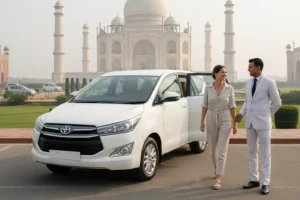 Delhi Agra Jaipur Tour by Luxury Car and Private Driver
Enjoy a Delhi Agra Jaipur tour with a luxury car, private driver and flexibility.
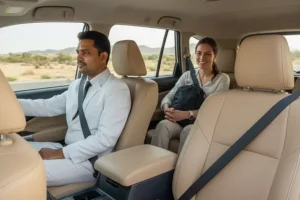 Luxury Car and Driver for Comfortable Rajasthan Tour
Explore Rajasthan in comfort with a luxury car, private driver and flexible custom tour.
 Jaisalmer Travel Guide for Foreign Tourists: Best Time, Desert Tours & Tips
Plan your Jaisalmer trip with ideal seasons, desert tour packages and essential foreigner tips.
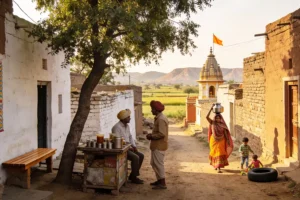 Hidden Villages of Rajasthan: Offbeat Rural Experiences & Village Travel Guide
Hidden Villages of Rajasthan: Offbeat Rural Stays, Homestays & Authentic Village Life.
-
Amer Fort Boating 2026 Guide: Maota Lake Tickets & Timings
Discover Amer Fort’s new Maota Lake boating, updated 2026 ticket rates, timings, safety rules and best visiting months.
-
Luxury Rajasthan Tour with Oberoi, Taj & Leela Hotels
Experience royal Rajasthan in comfort with Oberoi, Taj and Leela luxury palace stays.
-
Luxury Tempo Traveller & Van Hire in India 2026 – Rates, Features & Booking
Enjoy luxury van hire in India for safe, comfortable family and group travel.
-
Top 10 Vehicle Hire Companies in India for Tourists
Discover the top 10 vehicle hire companies in India offering safe, comfortable tourist travel.
-
Delhi Agra Jaipur Tour by Luxury Car and Private Driver
Enjoy a Delhi Agra Jaipur tour with a luxury car, private driver and flexibility.
-
Luxury Car and Driver for Comfortable Rajasthan Tour
Explore Rajasthan in comfort with a luxury car, private driver and flexible custom tour.
-
Jaisalmer Travel Guide for Foreign Tourists: Best Time, Desert Tours & Tips
Plan your Jaisalmer trip with ideal seasons, desert tour packages and essential foreigner tips.
-
Hidden Villages of Rajasthan: Offbeat Rural Experiences & Village Travel Guide
Hidden Villages of Rajasthan: Offbeat Rural Stays, Homestays & Authentic Village Life.