7 Essential Travel Safety Tips for Women Visiting India
I’m guessing you’re a woman thinking about going to India. And your brain is doing that mix: “wow this sounds amazing” and “hmm, is this safe for me?”. That mix is normal. Really normal. India is not a soft, chill place. It’s loud, busy, beautiful, confusing, kind, and a bit crazy sometimes. So of course you’re going to worry a little before you land.
Here’s the deal. You don’t have to choose between enjoying India and staying safe. You can do both at the same time. You don’t need to be fearless. You don’t need a perfect plan. You just need a bit of prep and a few habits that make you feel in control. Small things. How you move, who you talk to, what you say yes to, when you walk away.
What I’m trying to write here is more like a long chat than a fancy guide. Imagine you’re sitting with an older sister or a friend who has already done India a couple of times. She’s tired, real, honest. She’ll tell you what actually helped her in real streets, real stations, real hotels. Not Instagram stuff. Things like: how she reacts when a guy gets too friendly, what kind of taxi she picks, why she avoids arriving in a new city at midnight, and what she does when her gut says “nope”.
So this whole thing is broken into simple parts. Nothing fancy. One part is about talking to people and handling attention, especially from men, without feeling guilty. Another part is about transport — trains, cabs, buses, when to book what, how to not get stuck somewhere weird at night. Then clothes: not a fashion lecture, just what usually works so you’re not uncomfortable or stared at more than necessary. Then your phone: maps, ride apps, sharing location, numbers to save. Then money and stuff: where to keep your passport, how much cash to carry, what kind of bag actually helps.
And then the big one: listening to your gut. That little feeling you get in your chest or stomach when something feels off. A quiet lane. A driver’s tone. A random invitation that doesn’t sit right. We’ll talk about how to pay attention to that and act fast — cross the street, change the seat, get out of the cab, go back to your hotel, call someone. No big drama. Just small, clear moves.
By the time you’re done reading, the goal is simple. Not to scare you. Not to tell you “everything is fine, don’t think”. Just to give you a small safety game plan that feels real. So when you are actually in India — in a market, at a station, in a room that feels a bit off — you don’t freeze. You know what your next move is.
India can be intense, but it can also be really special. Lots of women go, come back with stories, and even return again. You don’t have to be perfect. You just need a bit of structure, some basic street sense, and the courage to pick your safety over being “nice” when those two collide.

Starting with the Right Mindset
Before we dive into detailed tips, let’s talk mindset, because how you think and how you react often matter as much as where you go. India can feel like “a lot” at first: crowds, honking, stares, bargaining, constant movement. If you arrive expecting everything to be calm and perfectly organised, you’ll feel stressed. If you arrive expecting some chaos, some noise, and a different social rhythm, you’ll adjust much faster.
Most people you meet will be kind, curious, and genuinely happy to help, especially when they realise you’re a visitor trying to understand their country. At the same time, just like anywhere in the world, you’ll also run into a few people who push boundaries, try to take advantage, or simply make you feel uncomfortable. Your job is not to change them. Your job is to recognise those situations early and step away quickly, without guilt and without overthinking whether you’re being “rude”.
Go in with an open mind, but not with open access to your time, your personal space, or your privacy. You don’t have to accept every invitation, answer every question, or continue every conversation. You are allowed to be friendly and firm at the same time. That balance – warm but clear – will serve you again and again in India.
1. Understanding Social Interactions with Men
One of the most confusing parts for many women travelling in India is figuring out how to handle interactions with men. In some societies, smiling, small talk, or casual physical contact might be completely normal and harmless. In parts of India, the same gestures can sometimes be read as romantic or flirtatious, even if you didn’t mean them that way. The goal is not to become cold or unfriendly, but to adjust your style slightly so you feel more in control.
Keep it polite, friendly and a little formal
A great rule of thumb is to be kind but not overly familiar. You can:
- Keep conversations short and practical when dealing with strangers like drivers, shopkeepers, or random men on the street.
- Use neutral body language: smile lightly, stand with some distance, and avoid unnecessary touch like casual arm taps or hugs.
- Deflect personal questions (about your relationship status, income, hotel location, or exact plans) with vague answers or humour.
If someone asks whether you’re travelling alone and you don’t feel comfortable sharing the truth, it’s perfectly fine to say you’re meeting friends, that your husband is at the hotel, or that a local colleague is waiting for you. You don’t owe accurate personal information to strangers.
Recognising when someone is crossing a line
A situation might feel wrong if a person keeps asking very personal questions, tries to stand too close, insists on getting your number or social media, or ignores your attempts to end the conversation. In moments like that, you’re not being “dramatic” if you pull back sharply. You can:
- Look them in the eyes and say clearly, “No, thank you. I am not interested.”
- Walk toward a shop, a family, or a group of women and stand near them.
- Call or pretend to call someone you trust and speak loudly enough that it’s obvious you’re connected.
You don’t need to stay polite forever. It is absolutely okay to ignore, walk away, or even raise your voice if someone refuses to respect your boundaries. Your safety and comfort matter more than any stranger’s feelings or ego.
2. Choosing and Using Transport Safely
Moving from place to place is a big part of any India trip, and doing it safely makes a huge difference to how relaxed you feel. The aim is simple: minimise guesswork, avoid last-minute panic, and always leave yourself a clear way out if something feels off.
Planning city transport
In bigger cities, you’ll have a mix of options: metros, app-based cabs, auto-rickshaws, buses, and sometimes local trains. For most women travellers, app-based cabs and metros usually feel safest and most predictable. Try to:
- Install at least two ride apps before you arrive, so you have a Plan B if one fails.
- Match the car’s number plate and driver photo carefully before getting in.
- Sit in the back seat, not the front, and keep a little distance from the driver.
- Share your live location or trip link with a trusted contact whenever possible.
In some cities, metro systems have women-only coaches, especially during peak hours. If it’s available, use it. It doesn’t mean regular coaches are “unsafe”, it just gives you a quieter, more comfortable pocket in a busy system.
Travelling between cities
For longer journeys, you might use trains, domestic flights, or private cabs. Each has pros and cons, and your choice might depend on budget, time, and how confident you feel navigating on your own.
| Transport Option | Pros for Women Travellers | Things to Watch Out For |
|---|---|---|
| Domestic flights | Fast, predictable, controlled environment, usually best for long distances. | Airports may be far from city centres, higher cost compared with trains or buses. |
| Trains (AC classes) | Comfortable for overnight trips, social but structured, reserved seats and berths. | Stations can be crowded; choose AC classes when possible and secure your bags. |
| Private car with driver | Door-to-door convenience, flexible stops, great for smaller towns and rural areas. | Choose drivers through trusted companies or your hotel, avoid last-minute random offers. |
| Long-distance buses | Useful when trains are booked out, good connectivity in many regions. | Night buses can feel less secure; choose reputable operators and avoid isolated stops. |
Whichever option you choose, try to plan arrivals in new cities during daylight. It’s simply easier to get your bearings, find your accommodation, and switch plans if something doesn’t feel right when the streets are still busy and well lit.
3. Dressing Smart: Comfort, Culture and Confidence

There’s no dress code police at the airport, and you’ll see all kinds of outfits on the streets, especially in bigger cities. Still, it’s fair to say that dressing a bit more modestly than you might back home often makes daily life smoother. It reduces awkward stares, helps you blend in, and shows respect for local norms, especially in smaller towns and religious places.
What “modest” usually means in India
You don’t have to cover from head to toe unless you are at specific religious sites that require it. Most women travellers are comfortable with:
- Loose trousers, cotton pants, or long skirts that cover the knees.
- Tops that cover shoulders and cleavage and are not very tight.
- Light scarves or stoles that you can throw over your chest or head when needed.
- Comfortable closed shoes or sandals that stay secure in crowds and on uneven streets.
You can absolutely look stylish and express your personality; just lean more toward practical, breathable and slightly conservative. Many travellers even enjoy picking up local kurtas, scarves, and salwar suits because they’re comfortable, affordable, and blend perfectly into the local scene.
Temple and religious site etiquette
When visiting temples, mosques, gurudwaras or shrines, modest clothing becomes even more important. In many places you’ll need to remove shoes before entering, and sometimes you’ll be asked to cover your head or avoid certain areas. A lightweight scarf quickly becomes your best friend for these moments.
If you’re ever unsure whether your outfit is okay for a specific site, just ask a woman working there or a family nearby. People are usually happy to guide you. Small gestures of respect go a long way and often make locals more protective and supportive of you.
4. Staying Connected: Your Phone as a Safety Tool
Your phone isn’t just for pretty photos and Instagram updates; used well, it becomes one of your strongest safety tools in India. It helps you navigate, book safe rides, stay connected with people who care about you, and reach help quickly if something feels wrong.
Set yourself up on day one
Right after you land, or as early as possible, try to:
- Get a local SIM card with a data plan, so you’re not dependent on random Wi-Fi.
- Save key numbers: hotel reception, trusted local contacts, your embassy or consulate, and any emergency helplines relevant to your country.
- Download and test the main ride apps, map apps, and translation apps you plan to use.
If you can, keep a small list of important addresses and phone numbers written down on paper too. Phones can get lost, batteries die, or networks fail. Having a backup plan on a piece of paper in your bag sounds old-school but feels brilliant when tech lets you down.
Smart habits with your phone
Using your phone in a street-smart way can raise your sense of security without making you paranoid. A few helpful micro-habits:
- Charge your phone fully before leaving your accommodation and carry a power bank.
- Turn on location sharing with someone you trust when taking long rides or arriving in a new city.
- Avoid keeping your phone casually in a back pocket or loose in an open bag in very crowded areas.
- Don’t announce real-time location publicly on social media stories, especially if you’re solo.
It’s all about balance: staying reachable and aware without becoming glued to your screen in the middle of a busy street. Look up often, watch people and traffic, and use your phone as a support, not as a shield that hides you from what’s happening around you.
5. Money, Bags and Keeping Your Stuff Safe
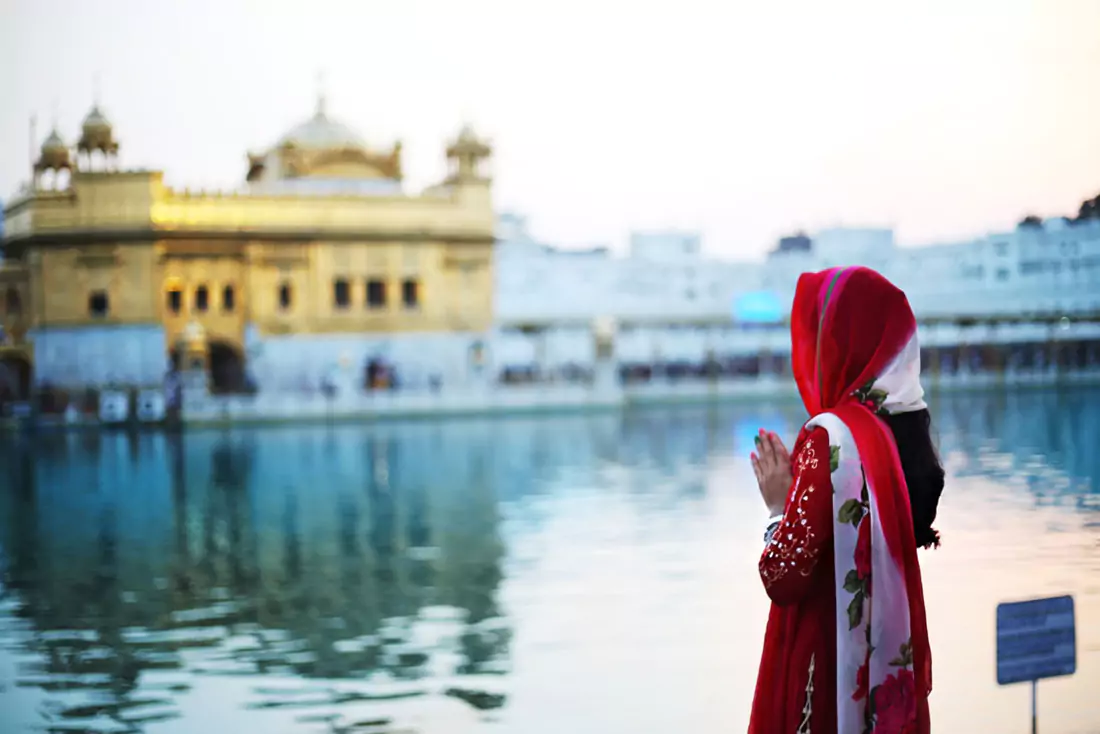
Major theft and serious crime against tourists are not extremely common, but petty theft and pickpocketing can happen in crowded places just like in any other busy country. A few simple habits make your life much easier and reduce both risk and stress.
Carry less, spread things out
You don’t need to carry all your money, cards, and documents every time you step out. A more secure approach is:
- Keep your passport, extra cash, and backup cards locked in your hotel safe or a locked packing cube inside your main bag.
- Carry just one card and a moderate amount of cash for the day.
- Use a crossbody bag that zips fully and keeps your hands free.
- If you like, create a small “decoy” wallet with a little cash for quick access, while your main money stays better hidden.
When you’re on trains or buses, use simple luggage locks on zippers and keep your smaller valuables either attached to your body or inside a daypack that stays with you, not in overhead racks.
In busy markets and stations
Crowded places are often fun and full of life, but they also make it easier for someone to slip a hand into an open bag. To stay relaxed and still enjoy the energy:
- Wear your bag in front of your body in very dense crowds.
- Keep your phone and wallet in inner pockets instead of outer ones.
- Avoid counting large amounts of cash in the middle of a crowd.
- If someone bumps into you, quickly check your bag and pockets as a routine habit.
None of this means you should be tense all the time. With practice, these moves become second nature, and you’ll find yourself browsing stalls, tasting food, and watching street life without constantly worrying about your bag.
6. Where You Stay Matters More Than You Think
Good accommodation is not just about pretty decor and free breakfast; it’s a massive part of your personal safety net. A safe, well-managed place gives you a base to rest, reset, and think clearly when plans change. It also means that if something goes wrong outside, you have somewhere solid to return to.
Choosing the right place
When you’re booking hotels, hostels or homestays, don’t just look at photos and prices. It really helps to:
- Read reviews written by women, especially solo travellers.
- Check if the property is in a central or well-connected area, not an isolated back lane far from everything.
- Look for mentions of 24-hour reception, good lighting, and helpful staff.
- Notice if reviewers say they felt comfortable returning late in the evening or asking staff for local advice.
If you arrive somewhere and your gut says, “I don’t like this,” take that feeling seriously. You can always book a night, rest, and change places the next day, or even walk out immediately if something feels really wrong. Your peace of mind is worth more than whatever you prepaid.
Night arrivals and check-in
Sometimes flight or train schedules mean you’ll arrive late. When that happens:
- Arrange a pickup through your hotel or a trusted cab service instead of relying on random offers at the station or airport.
- Keep your hotel’s name, address and phone number written down as well as on your phone.
- Walk confidently into the reception, check in, and head straight to your room without loitering outside alone with luggage.
Once you’re in your room, check locks, latches and windows. If something doesn’t close properly, ask for a different room. You’re not being difficult; you’re doing exactly what a smart traveller should do.
7. Clear Boundaries, Strong Instincts and Saying No
The last and most important layer of safety doesn’t come from an app, a hotel, or a scarf. It comes from you. Your instincts, your boundaries, and your willingness to act fast when something feels off are the strongest tools you have in India or anywhere else.
Listening to that small inner alarm
Almost every woman has experienced that little internal warning at some point: a sense that a street is too empty, a person is too pushy, or a situation is changing in a way that doesn’t feel safe. On this trip, promise yourself you will:
- Leave the area immediately if your body feels tense and your mind is uneasy.
- Say no firmly, even if it feels awkward in the moment.
- Step toward groups, families, or women when you feel uneasy around a particular person.
- Ask for help without hesitation if you need it – from hotel staff, shopkeepers, families, or women nearby.
You don’t need to prove that your fear is “logical” before you act. If something feels wrong, treat that feeling as enough reason to move, change direction, or call someone. You can always analyse it later, from a safe place.
You don’t owe anyone your time
Travel can bring lovely, spontaneous connections, but you still don’t owe anyone long conversations, shared tables, or shared rides. It’s okay to:
- Decline an invitation for tea or a visit if it doesn’t feel right, even if the person seems kind.
- Say no to “let me show you a shortcut” and choose busy, well-lit routes instead.
- Refuse to share your phone number or social handles with strangers you hardly know.
You are allowed to protect your space without explaining or apologising. People who truly mean well will respect your boundaries and still treat you with kindness, even if you say no to their offers.
Bonus Tips: Little Habits That Make a Big Difference
Beyond the main seven points, there are small habits that quietly raise your safety level day after day without making you feel restricted or paranoid. Think of them as tiny upgrades to your normal behaviour that fit easily into your routine.
- Carry a reusable water bottle and stay hydrated – tired, dehydrated people make slower decisions.
- Eat regularly and gently, especially in the first days, so you’re not weak or sick when you need to move quickly.
- Send a quick “I’m back at the hotel” message each night to someone you trust.
- Keep a little stash of emergency cash in a separate place from your main wallet.
- Take photos of passport, visa, insurance and keep copies in your email or cloud storage.
None of these steps are dramatic, but together they help you feel less fragile and more in charge. That sense of control is one of the biggest safety boosters you can give yourself.
Frequently Asked Questions: Women’s Safety While Travelling in India
Is India safe for solo female travellers?
India can be safe for solo women travellers who plan ahead, stay aware, and follow basic precautions. Many women travel here every year, both solo and in small groups, and have positive, memorable experiences. It’s not about pretending risks don’t exist; it’s about staying alert, choosing your destinations and timings wisely, and trusting your instincts when something feels off.
Should I avoid travelling at night?
You don’t have to lock yourself indoors after sunset, but it’s wise to avoid isolated streets and long walks alone late at night, especially in unfamiliar areas. If you need to move around at night, use trusted transport like app-based cabs, stick to busier zones, and let someone know where you’re going and when you expect to arrive. Planning ahead so that long journeys and city arrivals happen in daylight takes a lot of pressure off.
What kind of clothes are best for staying safe and comfortable?
Loose, breathable and modest clothing generally works best. Long skirts, trousers, kurtas, and tops that cover shoulders and chest help you blend in and keep you comfortable in the heat. A light scarf is extremely useful for sun, dust and religious sites. You don’t have to dress in a way that feels completely unlike you, but leaning toward simple, relaxed outfits usually makes everyday interactions smoother.
Is it safe to use public transport as a woman?
Plenty of women use public transport across India every day, but some options will feel more comfortable than others. In big cities, metros and app-based cabs are usually the easiest and most predictable. For trains, choosing AC classes and avoiding very late or isolated arrivals can help. With buses, it’s smart to pick reputable operators and be cautious about overnight routes if you’re travelling alone.
Can I trust people who offer to help?
Many people who offer help are genuinely kind and just curious about visitors. Even so, it’s best to accept help in small, limited ways. For example, let someone show you the right platform or help you read a sign, but don’t feel obliged to share your hotel details, full plans, or personal information. Favour help from families, women, older people, or staff members in official uniforms when possible.
What if something goes wrong or I feel unsafe?
If a situation feels unsafe, your first priority is to move to a more secure place: a shop, café, hotel lobby, or crowded, well-lit street. Once you’re there, you can call your hotel, a trusted contact, or local emergency numbers for support. Don’t wait for the situation to “prove” itself dangerous before acting. Leaving early is not overreacting; it’s smart self-protection.
Final Thoughts: India Can Be Wonderful, and You Deserve to Enjoy It
Travelling through India as a woman is not about ignoring risk, and it’s not about living in fear either. It’s about walking that middle line: eyes open, heart open, and boundaries firm. With a bit of research, a handful of simple habits, and the courage to say no when you need to, you can build a trip that feels rich, colourful, and deeply personal rather than scary or stressful.
You are allowed to take up space, to explore, to be curious, to sit in roadside tea stalls and watch everyday life unfold. You are also allowed to change plans, to walk away, to block someone, to decline invitations, and to choose the safest option over the cheapest or most adventurous one. None of that makes you weak; it makes you wise.
If India is calling you, don’t let fear be the only voice you listen to. Prepare well, pack light, trust yourself, and give this country the chance to surprise you in the best possible ways. Safe travels – you’ve got this.