Top 10 Vehicle Hire Companies in India for Tourists (Complete 2026 Guide)
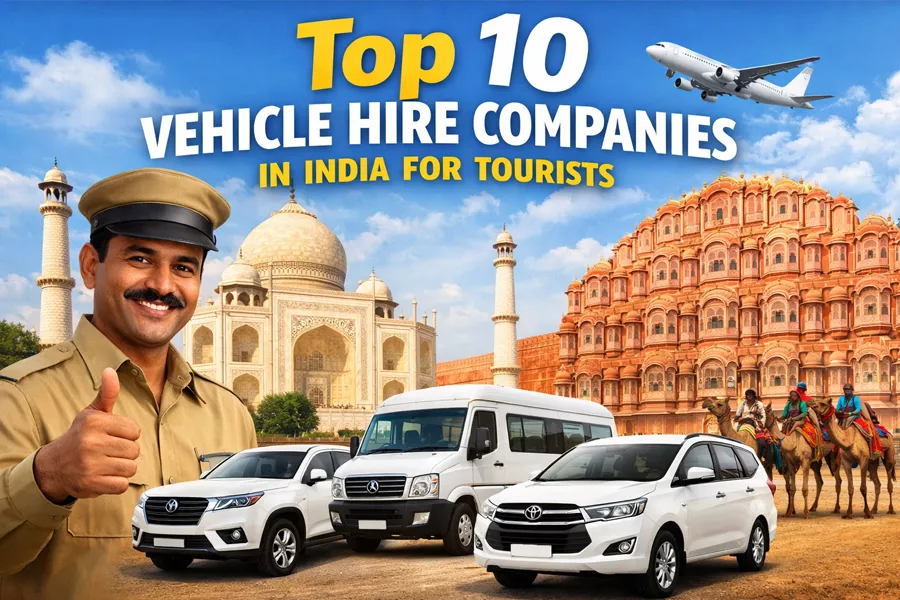
Various vehicle hire options available to tourists in India—from app-based cabs to luxury chauffeur-driven services
Look, picking right vehicle hire company matters. A lot. It's literally difference between smooth holiday you remember fondly and stressful trip where you're fighting with drivers, dealing with car breakdowns, or watching your entire schedule fall apart because operator didn't show up on time like they promised three times over WhatsApp.
Landing in Delhi for Golden Triangle? Planning multi-week Rajasthan circuit? Company you book shapes everything. Your comfort. Safety on highways. Whether daily schedule actually works or becomes suggestion everyone ignores.
You know what I always say – wrong vehicle hire choice ruins good itinerary, right choice makes average itinerary feel luxury.
Australian couple last month booked random cheap company from Google search, regretted it by day two when AC stopped working between Agra and Jaipur in peak summer. German family used established operator, smooth eight-day Rajasthan trip without single issue. UK tourists at Udaipur told me their driver from reputable company became like tour guide, took them to local spots not even on itinerary, made entire trip honestly.
Ever wonder which companies actual tourists use in 2026 versus which ones just have good SEO and fancy website? Or how to spot trustworthy operator before you wire deposit and hope for best?
This guide covers India's top 10 vehicle hire companies real tourists actually book. How to choose operators who won't disappear. Practical tips for avoiding common road problems I've seen mess up trips repeatedly. I think knowing who's reliable before you land saves you from vacation disasters, honestly.
Understanding Vehicle Hire Options in India
Most tourists in India do not use only one type of transport for their entire trip; they mix airport taxis, intercity cabs, chauffeur-driven tours, and sometimes self-drive rentals. Once you understand the main models of vehicle hire and when each one works best, it becomes easier to pick the right company instead of getting lost in brand names.
- City cabs and app-based taxis for airport transfers and short urban rides.
- Intercity cab networks for one-way or round-trip routes between major cities.
- Chauffeur-driven tourist car companies for multi-day private tours and heritage circuits.
- Self-drive rental brands for independent road trips in quieter regions.
What Really Separates Good Companies from Average Ones
Across India, the most reliable vehicle hire companies share a few non-negotiable traits: strong safety practices, clean and well-maintained vehicles, upfront pricing, and responsive customer support. Companies that invest in trained, vetted drivers and regular maintenance naturally charge a little more, but they also deliver a calmer, safer experience—especially important for families, older travelers, and first-time visitors.
- Safety: Background-checked drivers, valid commercial permits, and current insurance documents.
- Cleanliness: Air-conditioned, well-kept interiors that stay comfortable for 8–10 hour driving days.
- Price transparency: Clear per-kilometre rates, toll policies, and no surprise "extra" charges at the end.
- Support: 24/7 or at least extended-hour contact in case of delays, breakdowns, or last-minute changes.
1. Ola Cabs – National Cab Aggregators and App-Based Taxi Services
Ola Cabs operates as India's largest ride-hailing platform, connecting travelers with local drivers through mobile apps with live GPS tracking, driver details, and estimated fares shown before confirmation. For new arrivals in busy hubs such as Delhi, Mumbai, Bengaluru, or Jaipur, Ola is often the simplest way to handle airport transfers and short city rides without negotiating on the street. The platform offers multiple vehicle categories from economy hatchbacks to premium sedans, allowing tourists to choose based on luggage needs and comfort preferences.
- Best for: Airport transfers, hotel–attraction runs, and short urban sightseeing hops across major Indian cities.
- How to book: Ola mobile app or website with instant confirmation, digital payment via card, wallet, or cash options.
- Pros: Upfront fares, real-time GPS tracking, ability to share trip details with contacts for safety, and wide availability 24/7.
- Cons: Surge pricing during peak traffic hours, variable vehicle cleanliness across different drivers, and luggage space constraints in economy categories.
For a short city break that includes guided sightseeing, you can combine Ola airport pickups with a dedicated local driver for full-day tours using services like Jaipur private driver and car tours to cover more ground comfortably.
2. Uber – International Ride-Hailing and Premium Services
Uber operates across major Indian cities offering both economy and premium vehicle options. Uber Black and Uber Premier appeal to business travelers, families, and tourists seeking higher comfort levels than standard economy rides. The platform combines international payment integration, English-speaking support, and detailed driver screening, making it popular with first-time international visitors who prefer familiar booking interfaces and transparent pricing.
- Best for: Airport transfers with luggage, business travel, and tourists comfortable with international payment systems.
- How to book: Uber app with international credit card acceptance, multiple vehicle categories from UberGo to Uber Premier.
- Pros: Strong safety verification, English-speaking support, international card acceptance, and real-time tracking.
- Cons: Generally higher pricing than local competitors, surge pricing during peak hours, and variable service quality across drivers.
3. Zoomcar – Self-Drive Car Rental Platform
Zoomcar revolutionised India's self-drive rental market by offering hourly, daily, and long-term vehicle rentals entirely through a mobile app. The platform maintains fleets in over 60 cities and now includes electric vehicles (EVs) in major metros, appealing to environmentally conscious travelers. Self-drive through Zoomcar works best for confident drivers familiar with Indian traffic or visitors spending multiple days exploring quieter regions at their own pace.
- Best for: Independent travelers, experienced drivers, 3–7 day explorations, and those interested in electric vehicles.
- How to book: Zoomcar app with hourly, daily, weekly, or monthly rental options; advance online payment and digital unlock via app.
- Pros: Complete scheduling freedom, app-based vehicle unlock (no key collection needed), transparent pricing, and growing EV fleet.
- Cons: Full responsibility for vehicle damage and traffic fines, deposit requirements of 5,000–15,000 INR, and challenging for first-time India visitors due to traffic complexity.
Zoomcar is expanding its EV fleet across Jaipur, Delhi, Mumbai, and Bengaluru, offering 200–300 km range vehicles ideal for day trips and shorter explorations.
4. Avis Car Rental – Premium International Brand
Avis operates as a premium international car rental brand with offices at major airports and city centers across India. The company specialises in chauffeur-driven options for tourists, corporate clients, and luxury travelers. Avis maintains newer vehicle models, professional driver training, and English-language support, making it popular with international tourists who value brand consistency and professional service standards.
- Best for: International tourists, business travelers, luxury experiences, and those seeking brand reliability.
- How to book: Avis website, international reservation systems, or directly at airport/city counters with advance booking.
- Pros: Professional chauffeurs, newer vehicles, English support, international booking system, and clear terms and conditions.
- Cons: Higher daily rates than local operators, primarily available in major metros, and less flexible for last-minute bookings.
5. Hertz India – Self-Drive and Chauffeur Options
Hertz operates self-drive rentals and chauffeur-driven services across India's major cities with competitive rates and flexible booking options. The company appeals to both independent travelers and families seeking reliable vehicles with transparent pricing. Hertz maintains partnerships with major hotels and travel agencies, making arrangements straightforward for tourists planning in advance.
- Best for: Self-drive enthusiasts, families, and travelers booking through hotels or travel agents.
- How to book: Hertz website, international booking systems, or hotel concierge services.
- Pros: Flexible rental periods, clear insurance terms, helpful customer service, and hotel partnerships.
- Cons: Limited EV options, primarily in metro areas, and damage deposit requirements can be substantial.
6. Savaari – Curated Chauffeur-Driven Services
Savaari specialises exclusively in chauffeur-driven car hire for tourists, corporate travelers, and families. Based in multiple Indian cities, Savaari focuses on reliability, driver quality, and customer experience over volume. The company offers customised itinerary planning, local guides coordination, and premium customer support, making it ideal for tourists wanting comprehensive travel solutions rather than simple point-to-point transfers.
- Best for: Multi-day Rajasthan tours, Golden Triangle circuits, first-time international visitors, and families.
- How to book: Savaari website or dedicated travel consultants via email and WhatsApp for customised itineraries.
- Pros: Experienced drivers, personalised service, flexible itineraries, 24/7 support, and local attraction coordination.
- Cons: Higher rates than budget options, early booking essential during peak season, and limited availability for last-minute requests.
Savaari's drivers often serve as informal local guides, helping with language translation, photography stops, and hidden gem recommendations.
7. RedCab – Intercity and Outstation Cab Network
RedCab operates as a regional intercity cab network specialising in routes such as Delhi–Agra, Jaipur–Jodhpur, and Mumbai–Pune. The platform maintains fleets across multiple cities with dedicated drivers trained for long-distance comfort and safety. RedCab appeals to tourists changing hotels frequently or planning day excursions to nearby major attractions where trains and buses offer poor timing.
- Best for: City-to-city journeys, Golden Triangle day trips, and intercity sightseeing tours.
- How to book: RedCab website or mobile app with flexible one-way and round-trip options.
- Pros: Door-to-door service, reliable vehicles, experienced intercity drivers, and flexible scheduling.
- Cons: Potential delays on popular routes during peak season and higher costs than public buses.
8. TransCab – Local Intercity and Tourism Focus
TransCab operates intercity routes and specialises in coordinating with small local tour operators across India. The company maintains partnerships with hotels and guesthouses in secondary cities, making it valuable for tourists exploring less-touristy regions. TransCab's strength lies in connecting travellers to authentic local experiences rather than standard tourist circuits.
- Best for: Regional exploration, authentic local tours, and travelers avoiding standard tourist routes.
- How to book: TransCab website, hotel recommendations, or direct phone coordination.
- Pros: Strong local partnerships, authentic experiences, flexible customisation, and helpful local drivers.
- Cons: Less standardised service than national brands, variable vehicle maintenance, and slower booking processes.
9. Carrenza – Group Vehicles and Tempo Travellers
Carrenza specialises in group vehicle hire including coaches, minibuses, and 17-seat Tempo Travellers perfect for families, school groups, pilgrimage parties, and corporate outings. The company maintains professional drivers experienced in group logistics, religious site protocols, and multi-stop coordination. Carrenza's per-person pricing becomes attractive for groups of 8 or more travelers.
- Best for: Large families, pilgrimage tours (Char Dham, Varanasi), school excursions, and corporate team trips.
- How to book: Carrenza website or direct phone coordination for customised group packages.
- Pros: Significant per-person cost savings, group cohesion and social experience, driver familiarity with group protocols.
- Cons: Slower movement on mountainous roads, parking challenges at major attractions, and pre-planned routes requirement.
10. Rajasthan Tour Driver – Specialist Heritage and Luxury Services
Rajasthan Tour Driver specialises in customised Rajasthan tourism and wider India circuits with experienced drivers trained in heritage site history, cultural sensitivity, and luxury service standards. Operating throughout Rajasthan's main tourist circuit (Jaipur, Jodhpur, Udaipur, Pushkar) and beyond, Rajasthan Tour Driver offers multi-day tailored itineraries with professional guide coordination and seamless logistics. The company appeals to international tourists seeking in-depth heritage experiences with knowledgeable, English-speaking companions rather than scripted commercial tours.
- Best for: Rajasthan heritage circuits, Golden Triangle tours, first-time international visitors, cultural exploration, and multi-week customised India journeys.
- How to book: Rajasthan Tour Driver website, direct email, WhatsApp, or phone coordination for bespoke proposals and instant quotations.
- Pros: Deep Rajasthan and India expertise, professional English-speaking drivers with 10–20 years international tourist experience, flexible multi-day itineraries, luxury vehicle options, real-time itinerary adaptation, 24/7 customer support, and genuine local knowledge of festivals and events.
- Cons: Primarily Rajasthan and Golden Triangle focus (though India-wide tours available), early booking essential during peak December–January season, and typically works best with 7+ day minimum commitment for deeper experiences.
Rajasthan Tour Driver drivers often have 10–20 years experience with international tourists and can navigate complex logistics such as royal palace visits, Char Dham pilgrimage coordination, festival timing, village experiences, and off-beat heritage exploration. The company is known for personalised service, detailed pre-trip consultation, and building genuine relationships with travelers rather than transactional interactions.
Bonus: Rapido – Budget Motorcycle and Auto Rickshaw Options
Rapido operates as India's largest bike-taxi and auto-rickshaw platform, appealing to budget-conscious solo travelers and those comfortable with local transportation. While not suitable for families or luggage-heavy trips, Rapido offers affordable mobility for short distances and navigates congested city lanes faster than cars. Many tourists use Rapido for spontaneous local exploration once comfortable with India.
- Best for: Solo backpackers, local city exploration, short distances in congested areas.
- Pros: Extremely affordable, fast navigation through traffic, app-based safety features, and genuinely local experience.
- Cons: No luggage space, weather exposure on motorcycles, limited comfort, and unsuitable for families or multiple passengers.
Comparing Vehicle Hire Companies by Travel Style
Each company serves different travel needs and traveler types. Understanding your priorities helps narrow choices quickly:
- Quick urban trips: Ola or Uber for reliable, trackable rides with upfront pricing.
- Independent exploration: Zoomcar for self-drive freedom with EV options.
- International comfort: Avis or Hertz for brand consistency and professional service.
- Multi-day heritage tours: Savaari or Rajasthan Tour Driver for customised itineraries and experienced drivers.
- Intercity travel: RedCab or TransCab for door-to-door comfort between cities.
- Group journeys: Carrenza for coordinated multi-person logistics and pilgrimage protocols.
Safety, Licensing, and Insurance Checks You Should Never Skip
Regardless of which company you choose, always confirm proper licensing and insurance coverage. Reputable operators are comfortable sharing copies of commercial permits, fitness certificates, and insurance documents when asked.
- Check that vehicles display commercial registration plates and current fitness and insurance certificates.
- For self-drive options, confirm your home licence validity plus International Driving Permit acceptance.
- Request written details of insurance coverage—vehicle damage, passenger injury, third-party liability, and deductible excess amounts.
- Photograph vehicles from all sides before departure, noting scratches and dents on the rental agreement.
Practical Day-to-Day Tips for Smooth Journeys
Clear communication and advance planning remove most friction from long Indian road days:
- Reconfirm pickup time and location by message one evening before each transfer.
- Share driver details (name, vehicle number, company contact) with family for safety awareness.
- Discuss comfort preferences early: AC level, music volume, rest-stop frequency, and preferred driving pace.
- Carry small cash for tolls, roadside snacks, and appropriate tips (200–500 INR for day tours, 50–100 INR daily for extended journeys).
- If problems arise, contact the company directly rather than arguing at roadsides, which rarely improves situations.
Costs, Value, and Why Paying a Little More Often Makes Sense
Budget operators sometimes achieve low prices by cutting corners on vehicle maintenance, driver training, or insurance. Many repeat visitors find that paying 15–20 percent more delivers significantly better safety, punctuality, and comfort—crucial when spending 6–10 hours daily in a vehicle.
For example, choosing a professional chauffeur-driven car at 2,500 INR per day instead of a 1,500 INR budget option increases costs by roughly 14,000 INR over two weeks but often transforms the quality through fewer breakdowns, smoother driving, and more helpful local insight.
Frequently Asked Questions about Vehicle Hire in India
Is self-driving safe for first-time visitors?
For most first-time international visitors, self-driving in major Indian cities adds unnecessary stress. Indian traffic culture, lane discipline, and driving conventions differ sharply from Western norms. Experienced drivers or visitors confining self-drive to quieter hill stations and coastal regions report positive experiences. First-time visitors to major cities should prefer chauffeur-driven services or app-based taxis.
Which company is best for budget travelers?
Ola and Rapido offer the most affordable options for point-to-point city travel. Zoomcar provides budget-friendly self-drive with transparent pricing. For chauffeur-driven services, TransCab and smaller local operators offer competitive rates without premium brand markups.
How far in advance should I book?
For peak December–January months, book chauffeur-driven multi-day tours 6–8 weeks ahead. Intercity networks benefit from 2–4 week advance booking. App-based services and self-drive rentals accommodate same-day or one-day advance bookings in most major cities.
Can I change my itinerary after booking?
Minor adjustments (changing daily sightseeing order, extending attraction time) typically present no problems. Major changes affecting distances or multi-day routing may incur extra charges. Quality operators accommodate changes when feasible—communicate early so companies confirm feasibility before your plans depend on it.
Which company offers the best luxury experience?
Avis, Hertz, and Savaari offer premium experiences with newer vehicles and professional chauffeurs trained in hospitality. Rajasthan Tour Driver specialises in luxury experiences specifically designed for heritage tourism and multi-week cultural exploration.
Plan Your India Tour with the Right Vehicle Hire Partner
Choosing the right vehicle hire company transforms your India journey from logistically stressful to genuinely enjoyable. Whether you select Ola for quick city mobility, Zoomcar for self-drive freedom, Savaari for customised heritage tours, or Rajasthan Tour Driver for deep heritage expertise, matching the company to your travel style and comfort level ensures the best outcomes. Start by defining your travel needs, then select the company whose strengths align with your priorities. For Rajasthan, the Golden Triangle, and wider India circuits, specialist services like best private driver India guides, Delhi–Agra–Jaipur luxury car tours, and safe Golden Triangle tours for women offer proven frameworks for building safe, comfortable, and memorable itineraries.
Recent Posts
 Amer Fort Boating 2026 Guide: Maota Lake Tickets & Timings
Discover Amer Fort’s new Maota Lake boating, updated 2026 ticket rates, timings, safety rules and best visiting months.
 Luxury Rajasthan Tour with Oberoi, Taj & Leela Hotels
Experience royal Rajasthan in comfort with Oberoi, Taj and Leela luxury palace stays.
 Luxury Tempo Traveller & Van Hire in India 2026 – Rates, Features & Booking
Enjoy luxury van hire in India for safe, comfortable family and group travel.
 Top 10 Vehicle Hire Companies in India for Tourists
Discover the top 10 vehicle hire companies in India offering safe, comfortable tourist travel.
 Delhi Agra Jaipur Tour by Luxury Car and Private Driver
Enjoy a Delhi Agra Jaipur tour with a luxury car, private driver and flexibility.
 Luxury Car and Driver for Comfortable Rajasthan Tour
Explore Rajasthan in comfort with a luxury car, private driver and flexible custom tour.
 Jaisalmer Travel Guide for Foreign Tourists: Best Time, Desert Tours & Tips
Plan your Jaisalmer trip with ideal seasons, desert tour packages and essential foreigner tips.
 Hidden Villages of Rajasthan: Offbeat Rural Experiences & Village Travel Guide
Hidden Villages of Rajasthan: Offbeat Rural Stays, Homestays & Authentic Village Life.
-
Amer Fort Boating 2026 Guide: Maota Lake Tickets & Timings
Discover Amer Fort’s new Maota Lake boating, updated 2026 ticket rates, timings, safety rules and best visiting months.
-
Luxury Rajasthan Tour with Oberoi, Taj & Leela Hotels
Experience royal Rajasthan in comfort with Oberoi, Taj and Leela luxury palace stays.
-
Luxury Tempo Traveller & Van Hire in India 2026 – Rates, Features & Booking
Enjoy luxury van hire in India for safe, comfortable family and group travel.
-
Top 10 Vehicle Hire Companies in India for Tourists
Discover the top 10 vehicle hire companies in India offering safe, comfortable tourist travel.
-
Delhi Agra Jaipur Tour by Luxury Car and Private Driver
Enjoy a Delhi Agra Jaipur tour with a luxury car, private driver and flexibility.
-
Luxury Car and Driver for Comfortable Rajasthan Tour
Explore Rajasthan in comfort with a luxury car, private driver and flexible custom tour.
-
Jaisalmer Travel Guide for Foreign Tourists: Best Time, Desert Tours & Tips
Plan your Jaisalmer trip with ideal seasons, desert tour packages and essential foreigner tips.
-
Hidden Villages of Rajasthan: Offbeat Rural Experiences & Village Travel Guide
Hidden Villages of Rajasthan: Offbeat Rural Stays, Homestays & Authentic Village Life.